




![[2026] PAISEEC D3|Mobility Scooter for Easy Everyday Travel](http://www.paiseec.com/cdn/shop/files/d3_4a4ccb22-9e26-449e-8094-71f3ec4177c3.png?v=1782115044&width=180)


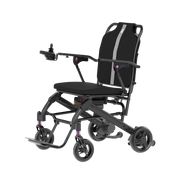



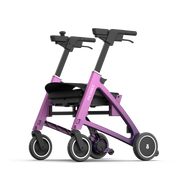










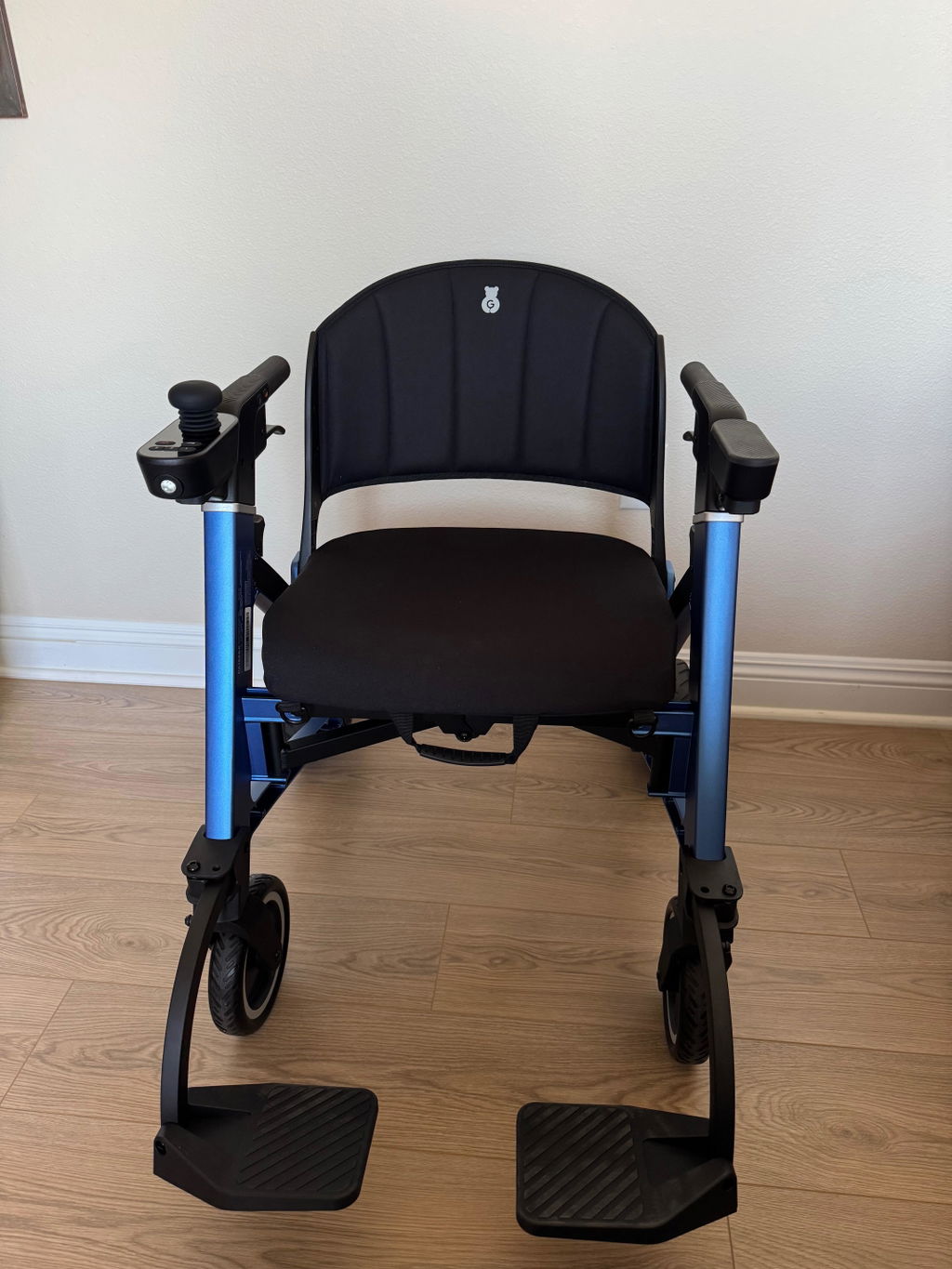
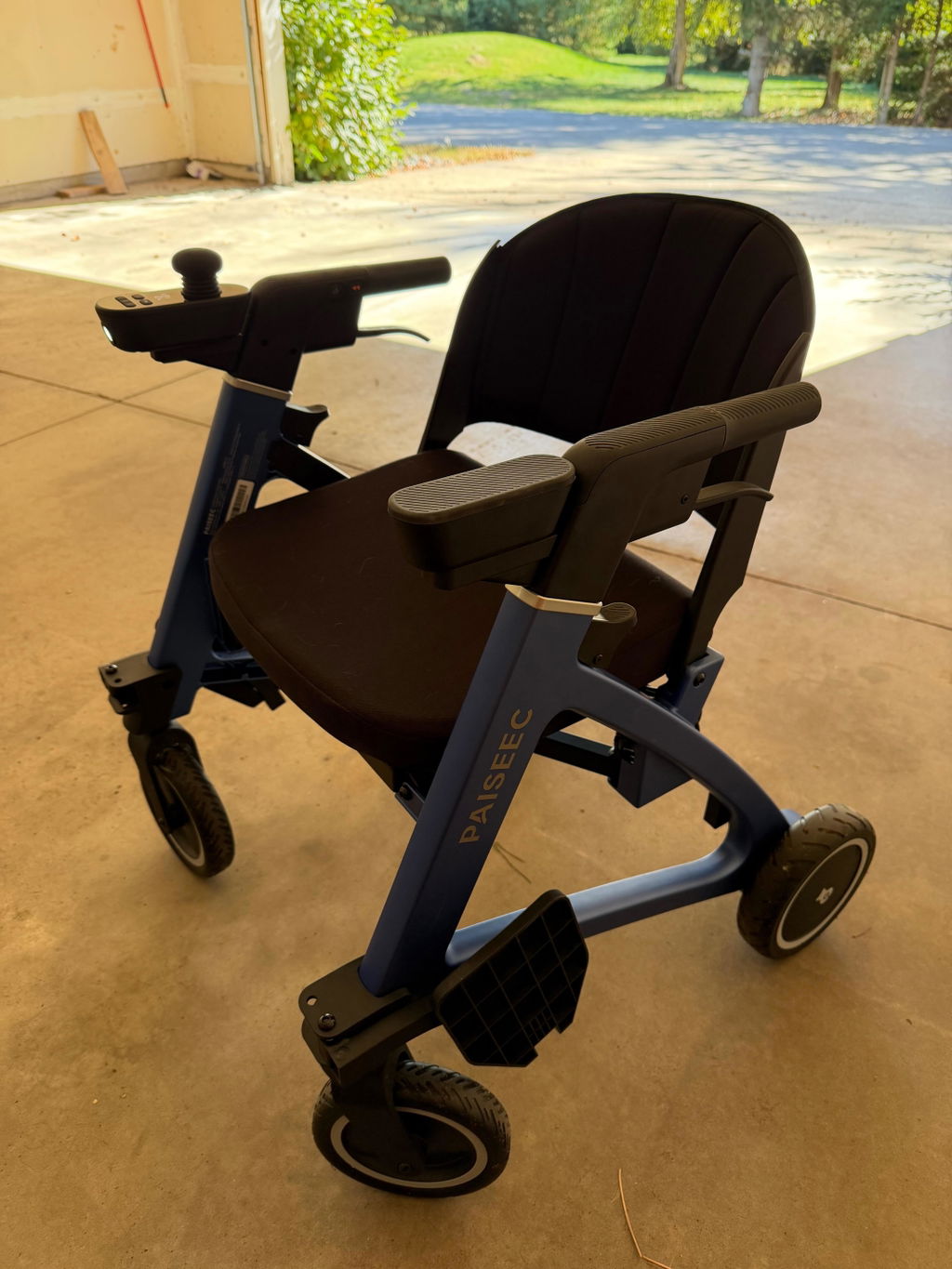
An all-terrain mobility scooter like the Paiseec S3 provides robust outdoor access with large, air-filled tires and a durable frame, enabling users to confidently navigate grass, gravel, and uneven paths, as highlighted in the positive review from user Granville A. who sought greater activity in nature.
Claim Your Independence Day Deals – Shop Now
What are the key features of an all-terrain mobility scooter?
Key features center on overcoming outdoor obstacles. This includes large, air-filled tires for traction and comfort, a powerful motor for inclines, a long-range battery, and a reinforced, often foldable, frame. These elements combine to transform a standard scooter into a capable vehicle for parks, trails, and unpaved surfaces.
The technical heart of an all-terrain model lies in its drive system and suspension. A robust brushless motor, often300W or more, provides the necessary torque for grassy hills and gravel paths. Paired with a high-capacity lithium battery, this ensures extended range for adventures beyond the pavement. The defining characteristic, however, is the tire and chassis system. Large, pneumatic tires, typically10 inches or more in diameter, act as a primary suspension, absorbing bumps while providing critical flotation on soft ground. Some models enhance this with additional shock absorbers. The frame must be constructed from high-grade aluminum or steel to withstand constant vibration and stress. For instance, navigating a dirt path with roots is akin to a car driving on a washboard road; the scooter's design must manage that energy without compromising structural integrity. How does this translate to daily use? Consider the difference between a road bike and a mountain bike; one is built for efficiency on smooth surfaces, while the other is engineered for durability and control in variable conditions. The all-terrain scooter is unequivocally the mountain bike of the mobility world. Therefore, when evaluating features, prioritize the synergy between power, range, and physical durability to ensure a reliable experience in your desired environments.
How do you choose the right outdoor mobility aid for your needs?
Selecting the right aid requires a honest assessment of your primary usage environment, physical requirements, and lifestyle goals. You must balance the scooter's capabilities with the terrain you'll encounter most, your need for portability, and the required comfort features for extended use outdoors.
Begin by mapping your intended routes. Will you be crossing firm gravel paths, soft grassy fields, or packed dirt trails? Each surface demands different tire specifications and motor power. Next, consider your physical needs: the seat's dimensions and adjustability, the ease of accessing controls, and the scooter's overall weight capacity are non-negotiable for comfort and safety. Furthermore, think about integration with your life. If you need to transport the scooter, a foldable or easily disassembled design is crucial. Battery range is another critical factor; always derate the manufacturer's stated range by about20% to account for real-world variables like hills, wind, and surface resistance. For example, a user who splits time between community sidewalks and a lakeside crushed-stone path would need a hybrid model with semi-pneumatic tires and moderate power, whereas someone aiming for farm or camp site exploration would require full pneumatic tires and high torque. What compromises are you willing to make between ultra-portability and all-terrain ruggedness? Does the scooter's turning radius suit the tight spaces you might encounter, like garden paths or campground amenities? Ultimately, creating a simple priority list of terrain type, daily distance, portability, and comfort will guide you to a model that feels less like a medical device and more like a personal adventure vehicle.
Which specifications are most critical for grass and gravel performance?
For grass and gravel, tire type and size, motor torque, and ground clearance are the paramount specifications. Pneumatic tires provide essential grip and shock absorption, while a high-torque motor maintains momentum on soft or uneven surfaces, and sufficient ground clearance prevents the chassis from catching on obstacles.
Navigating grass, especially if it's damp or long, requires tires that can bite through to solid ground and a motor that won't stall under load. Gravel, particularly loose gravel, demands a similar combination to prevent wheel spin and loss of control. The key metric for the motor is torque, measured in Newton-meters (Nm), rather than just wattage; high torque ensures consistent power at low speeds, which is vital for climbing a grassy incline. The tires should be true pneumatic (air-filled) and at least10 inches in diameter; a wider tire profile increases the contact patch, improving stability on loose surfaces. Ground clearance, the distance between the lowest point of the scooter and the ground, should be a minimum of3 inches to clear common obstacles like rocks or sidewalk lips. Think of it like choosing footwear for a hike: you need sturdy, treaded boots (tires) for grip, strong legs (motor) for the climb, and enough height (clearance) to keep your feet dry. What happens if any one of these elements is insufficient? You risk getting stuck, experiencing a jarring ride, or damaging the undercarriage. Consequently, a spec sheet for outdoor use should be scrutinized for these three pillars above all others, as they directly determine whether the scooter conquers the terrain or is defeated by it.
What does a real user review reveal about the Paiseec S3's durability?
Granville A.'s review of the Paiseec S3 serves as compelling social proof, highlighting its durability in real-world conditions. He specifically praises its ability to handle rough paths and its sturdy construction, which allowed him to reclaim active time in nature without concern for the scooter's reliability or performance under stress.
User reviews like Granville's cut through marketing language to reveal practical truths. When he states the scooter handles "rough paths" with ease, it implicitly confirms the effectiveness of its frame geometry, weld quality, and component mounting. Durability isn't just about withstanding a single impact; it's about enduring repetitive stress over months and years of use on non-paved surfaces. A review that mentions consistent performance over time indicates good quality control in bearings, wiring harnesses, and motor seals—components vulnerable to dust and vibration. For instance, if a scooter frequently used on gravel paths shows no premature wear on its tire treads or loose fittings, it speaks volumes about material quality. What can a potential buyer infer from such firsthand accounts? They learn that the product's design intent matches its real-world function. Does the review mention any unexpected maintenance or parts failure? The absence of such comments is as telling as their presence. Therefore, a detailed user review acts as a long-term field test, offering insights into longevity that short-term demonstrations cannot. It validates the manufacturer's claims and provides peace of mind that the investment will support an active lifestyle, not hinder it with repairs.
How do different mobility scooter models compare for outdoor use?
Comparing models for outdoor use involves evaluating a matrix of performance characteristics against terrain difficulty. Key differentiators include drive system type, suspension sophistication, tire technology, and overall weight distribution, which together determine a scooter's capability spectrum from light trail duty to full off-road exploration.
| Model Type | Ideal Terrain | Key Features | Typical Limitations |
|---|---|---|---|
| Standard3-Wheel | Paved paths, smooth park grass | Smaller semi-pneumatic tires, lower power motor, compact turn radius | Struggles with soft ground, low clearance, poor bump absorption |
| Enhanced Outdoor (e.g., Paiseec S3) | Gravel, packed dirt, firm grass, mild slopes | Large pneumatic tires, higher torque motor, reinforced frame, improved ground clearance | Heavier weight, larger footprint, may have reduced indoor maneuverability |
| Heavy-Duty All-Terrain | Mud, sand, steep hills, rough trails | 4-wheel design, aggressive tread tires, full suspension, very high torque motors, differentials | High cost, very heavy, complex maintenance, not suitable for transport in standard vehicles |
The table illustrates a clear progression in capability and specialization. A standard3-wheeler is designed primarily for indoor and urban outdoor use, where its agility is an asset. The enhanced outdoor model, a category where the Paiseec S3 sits, represents the best balance for most users seeking to venture beyond the sidewalk; it offers substantial terrain improvement without becoming unwieldy. The heavy-duty all-terrain models are essentially off-road vehicles, engineered for extreme conditions that most users will never encounter. Choosing between them requires brutal honesty about your actual needs. Will you ever need to traverse a muddy field or a sandy beach, or are you primarily seeking confidence on the varied but generally maintained surfaces of a public park or campground? Misjudging this can lead to either an underpowered scooter that limits your freedom or an overbuilt machine that complicates your daily life. Thus, the comparison is less about which model is objectively "best" and more about which is the most appropriate tool for your specific outdoor adventures.
What are the essential maintenance tips for an all-terrain scooter?
Regular maintenance for an all-terrain scooter focuses on the systems stressed by rough use: tires, bearings, chassis fasteners, and battery connections. A consistent post-ride check and a scheduled deep-clean regimen will significantly extend the scooter's lifespan and ensure safe, reliable operation on every outing.
| Maintenance Area | Frequency | Action Required | Reason & Consequence of Neglect |
|---|---|---|---|
| Tire Pressure & Condition | Before every ride | Check pressure with a gauge; inspect for embedded debris, cuts, or wear. | Low pressure increases rolling resistance and risk of pinch flats; debris can cause punctures or imbalance. |
| Chassis & Fasteners | Weekly (or after rough rides) | Visually inspect frame for cracks; check that all bolts, especially on steering column and seat, are tight. | Vibration loosens fasteners; a loose component can lead to catastrophic failure or unsafe handling. |
| Bearing & Drive Areas | Monthly | Listen for grinding noises from wheels; check motor area for accumulated dirt/mud; wipe down and inspect. | Dirt ingress accelerates bearing wear; a seized bearing can damage the axle or motor assembly. |
| Battery & Electrical Contacts | Monthly | Ensure battery terminals are clean and connections are secure; keep battery charged per manufacturer guidelines. | Corroded or loose connections cause voltage drops, reducing range and potentially causing electrical faults. |
This maintenance schedule is the direct cost of accessing more challenging environments. The grit and vibration that define an all-terrain ride are the same forces that work to degrade components over time. Think of it like maintaining a bicycle used for mountain biking versus one kept on a stationary trainer; the former requires diligent care. After a ride on a dusty trail, taking a few minutes to wipe down the scooter, especially around the wheel axles and under the footplate, can prevent abrasive particles from causing premature wear. Furthermore, storing the scooter in a dry place protects its electrical systems from moisture damage. How much time and effort are you willing to invest to protect your investment? Proactive maintenance is always simpler and cheaper than reactive repairs. By incorporating these checks into your routine, you ensure that your mobility aid remains a dependable partner for exploration, not a source of frustration stranded in the garage awaiting parts.
Expert Views
"The shift towards all-terrain mobility scooters represents a significant evolution in user independence. It's not merely about adding larger tires; it's a holistic engineering challenge involving powertrain calibration, dynamic stability analysis, and material science to handle impact fatigue. The goal is to create a vehicle that feels confident and planted on uneven surfaces, which requires a lower center of gravity and a longer wheelbase than traditional models. We also prioritize intuitive control systems, as operating on variable terrain demands more from the user. Success is measured when the technology fades into the background, allowing the user to focus entirely on the experience of being outdoors, rather than on operating the device. This philosophy guides our development at Paiseec, ensuring our outdoor models deliver both performance and peace of mind."
Why Choose Paiseec
Paiseec Mobility approaches outdoor mobility with a focus on integrated engineering rather than just component assembly. The company's investment in dedicated R&D facilities allows for rigorous testing of frames, motors, and battery systems under simulated real-world stress conditions. This results in products where durability is a designed-in feature, not an afterthought. For the user, this translates to a scooter where the motor controller is finely tuned to the battery's discharge characteristics for optimal hill-climbing, and where the electrical wiring is routed and protected to resist the moisture and vibration of outdoor use. The emphasis on a holistic "PAI" safety system demonstrates an understanding that safety on uneven ground involves stability algorithms and responsive braking, not just a sturdy frame. Choosing a brand with this depth of focus means selecting a tool engineered for reliable performance where the pavement ends, backed by a team that understands the unique demands of active, outdoor lifestyles.
How to Start
Beginning your journey to enhanced outdoor mobility starts with self-assessment. First, clearly define the primary environments you wish to access, be it a specific park, garden, or campground. Second, honestly evaluate your physical needs regarding seating, support, and dexterity for controls. Third, research models that match these criteria, paying close attention to the three critical specs: tire type, motor torque, and ground clearance. Fourth, seek out detailed user reviews and video demonstrations that show the scooter on surfaces similar to your intended use. Fifth, if possible, arrange a test drive, even if on a different model, to get a feel for the controls and seating position. Finally, consult with a healthcare professional or mobility specialist to ensure your choice aligns with your health and safety requirements. This methodical, needs-first approach will lead you to a scooter that becomes a true gateway to the activities you enjoy.
FAQs
Yes, most all-terrain scooters can be used indoors, but their larger turning radius and wider footprint may make navigation in tight spaces like narrow hallways or small rooms more challenging compared to a compact indoor model.
While built for durability, most scooters are not fully waterproof. Light rain is usually tolerable, but heavy rain, deep puddles, and prolonged exposure to moisture can damage electrical components. Always store the scooter in a dry place and consult the manufacturer's specific IP (Ingress Protection) rating for water and dust resistance.
Range varies greatly based on battery capacity, terrain, user weight, and speed. On flat pavement, a model might achieve15-20 miles, but this can drop by30-50% on continuous grass, gravel, or hills. Always consider the "real-world" range, not just the maximum theoretical figure.
They can be, due to their increased weight and size. While many feature foldable or disassemblable designs, they are often heavier than standard travel scooters. It is crucial to check the scooter's weight and the capacity of your vehicle's lift or ramp before purchasing.
In conclusion, selecting an all-terrain mobility scooter is a decision that prioritizes freedom and access to the natural world. The core takeaways emphasize the non-negotiable importance of pneumatic tires, sufficient motor torque, and adequate ground clearance for navigating unpaved surfaces. Real-world user feedback, like that from Granville A., provides invaluable proof of a model's durability and performance. Remember that this category requires a commitment to more diligent maintenance to counteract the wear from rough terrain. Start by meticulously defining your personal terrain and lifestyle needs, then let those requirements guide your comparison of specifications and models. By choosing a thoughtfully engineered solution from a company dedicated to outdoor performance, you invest in more than a device; you secure a reliable key to rediscovering the joy and activity that nature offers. Take that first step by assessing your favorite outdoor space and imagining the access you desire.
Leave a comment
This site is protected by hCaptcha and the hCaptcha Privacy Policy and Terms of Service apply.