



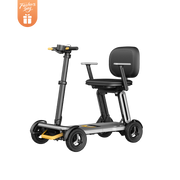
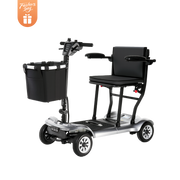
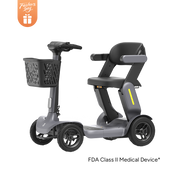
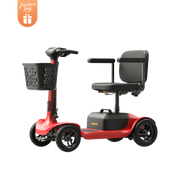
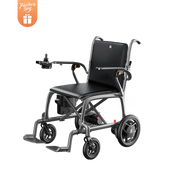
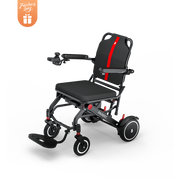
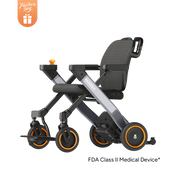
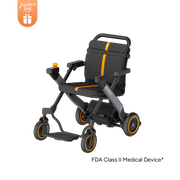








The industry-wide ergonomic shift means mobility scooters now prioritize joint comfort and posture support as standard, transforming them from basic transport into health-first devices that actively reduce strain and enhance user well-being through adaptive, shock-absorbing designs.
How has the mobility scooter industry shifted towards health-first ergonomics?
The industry has moved from viewing scooters as simple transport to designing them as therapeutic mobility aids. The baseline now includes features that actively manage joint strain and improve posture, driven by user demand for long-term comfort and well-being during daily use.
This paradigm shift is rooted in a deeper understanding of chronic pain management and proactive health maintenance. Manufacturers are now integrating biomechanical principles directly into their designs, focusing on reducing cumulative stress on the wrists, shoulders, and spine. For instance, the traditional rigid tiller has evolved into a multi-axis, adjustable component that allows for a neutral wrist position, much like how an ergonomic office chair supports the natural curve of the spine to prevent fatigue. Technical specifications now routinely list articulation ranges, damping coefficients, and weight distribution percentages, moving beyond just speed and range. Pro tip: when evaluating a new model, pay close attention to the adjustability of the control assembly; it should offer both tilt and telescopic adjustments to match your unique seated posture. Isn't it time our mobility aids supported our health as actively as they support our movement? This evolution reflects a broader trend towards user-centric design, where comfort is not an afterthought but the primary engineering goal. Consequently, the conversation has transitioned from mere functionality to holistic support, ensuring that every journey contributes positively to the user's physical state.
What are the key features of an arthritic-friendly scooter tiller?
An arthritic-friendly tiller minimizes grip force and joint angulation. Key features include heated grips, low-resistance controls, and adaptive positioning that allows the user to find a neutral, strain-free posture for their hands, wrists, and elbows during operation.
The design philosophy here centers on reducing the mechanical load on compromised joints. A prime example is the implementation of electronic steering assistance, which reduces the physical effort required to turn the wheels, analogous to power steering in a modern car making parking effortless. From a technical standpoint, look for tillers with memory foam or gel-infused grips that conform to the hand, reducing pressure points, and throttle controls that require less than2 pounds of force to engage. Pro tip: prioritize models with wrist rests or palm supports integrated into the tiller design; these can offload weight from the fingers and thumb joints significantly. Why should managing pain be a prerequisite for maintaining independence? Key specifications to scrutinize include the rotation angle of the handlebars, the presence of damping in the steering column to absorb road vibrations, and the material durometer of the grips—softer is not always better, as it can increase grip effort. Furthermore, the transition to such user-friendly interfaces is seamless, encouraging regular use without apprehension. Ultimately, a well-designed tiller acts as an extension of the user's intent, not a barrier to it.
Which technical specifications matter most for joint-strain reduction?
For joint-strain reduction, critical specifications include suspension travel, seat-to-tiller adjustability range, overall weight distribution, and the damping rate of the steering mechanism. These factors collectively determine how much shock and vibration is isolated from the user's body.
Delving deeper, the suspension system is paramount; a dual-spring or hydraulic shock absorber with at least50mm of travel can filter out the jarring impact from sidewalk cracks and uneven surfaces. Consider the difference between a rigid cart wheel and a luxury car's suspension—one transmits every bump directly to the spine, while the other isolates the cabin for a smooth ride. The seat's ergonomics are equally technical, involving parameters like seat pan depth, waterfall front edge to reduce pressure behind the knees, and lumbar support adjustability measured in both height and depth. Pro tip: always test the scooter's turning radius while seated; a tight radius reduces the need for excessive upper body twisting and shoulder strain. Doesn't your mobility aid deserve the same engineering scrutiny as a high-end office chair? Additionally, the motor's acceleration curve should be programmable to avoid jerky starts that strain the neck and back. As we evaluate these elements, it becomes clear that strain reduction is a systems engineering challenge. Therefore, the best specifications work in concert, creating a harmonious environment that protects the body from repetitive stress.
How does posture-adaptive technology work in modern scooters?
Posture-adaptive technology uses adjustable and sometimes automated systems to align the scooter's geometry with the user's body. This includes dynamic seat adjustments, tilting tillers, and even shifting battery weight to maintain optimal center of gravity and spinal alignment as the user moves or the terrain changes.
At its core, this technology is about creating a dynamic, rather than static, interaction between human and machine. Advanced systems may incorporate sensors in the seat and footplate that detect pressure distribution, automatically making micro-adjustments to the backrest angle or tiller position to encourage a healthier posture, similar to how a smartwatch nudges you to stand after an hour of inactivity. Technically, this involves servo motors, load cells, and control algorithms that process data in real-time. Pro tip: for manual adaptive systems, ensure the adjustment levers or knobs are easily accessible and operable without excessive force. Could a scooter that adapts to you prevent the afternoon fatigue caused by a fixed position? Key components to look for are a seat with independent backrest and seat pan angle adjustments, a tiller that can tilt and telescope, and a footplate that adjusts for both angle and depth. The transition from a one-size-fits-all approach to a personalized fit represents a significant leap forward. In essence, posture-adaptive design acknowledges that the human body is not meant to be static, and our tools should accommodate our natural need for movement.
What role do shock-absorbing systems play in long-term comfort?
Shock-absorbing systems are critical for long-term comfort as they dampen vibrations and impacts from the road. This protects the spine, neck, and joints from repetitive jolts, reducing fatigue, pain, and the risk of exacerbating conditions like arthritis or degenerative disc disease over months and years of use.
These systems function as a primary defense against the cumulative micro-traumas of daily travel on imperfect surfaces. Imagine walking on concrete all day versus walking on a forest trail; the natural give of the earth absorbs impact, which is precisely what a sophisticated suspension system replicates. From an engineering perspective, effective systems often combine several elements: pneumatic tires as the first buffer, coil-over or hydraulic shocks at the axle for low-frequency bumps, and elastomeric damping in the seat post for higher-frequency vibrations. Pro tip: don't overlook the seat itself; a high-density foam with a slow-recovery top layer can be as important as the mechanical suspension underneath. Is enduring a bumpy ride really a necessary part of getting from point A to point B? Specifications to compare include shock absorber stroke length, spring rate, and whether the suspension is adjustable for user weight. Furthermore, a well-tuned system provides stability without compromising the scooter's handling characteristics. Thus, investing in quality shock absorption is an investment in daily well-being, turning every trip into a more gentle experience.
Can ergonomic scooters genuinely improve daily mobility independence?
Absolutely. By significantly reducing pain and fatigue associated with movement, ergonomic scooters remove a major barrier to independence. Users can undertake longer journeys, navigate more varied terrain, and engage in daily activities with greater confidence and less physical cost, thereby expanding their functional living space and quality of life.
The improvement is both quantitative and qualitative. Quantitatively, a comfortable user can travel farther distances and for longer durations without discomfort, effectively expanding their accessible world. Qualitatively, the reduction in pain and the mental energy no longer spent "grinning and bearing it" leads to a more positive and proactive outlook on leaving the home. Consider the analogy of a runner with perfect shoes versus ill-fitting ones; one enables a marathon, the other causes a hobble. A pro tip is to document your typical daily pain or fatigue levels before and after using a properly fitted, ergonomic scooter; the data often reveals a stark contrast in endurance and recovery time. Wouldn't you prefer a mobility aid that expands your possibilities instead of limiting them? The key mechanism here is the reduction of the "pain tax" on every activity, making spontaneous trips to the park or a longer visit to the museum a viable option again. This transition from calculated, painful movement to liberated mobility is profound. Therefore, the right scooter doesn't just move you—it empowers you.
| Feature Category | Traditional Scooter Standard | Health-First Ergonomic Standard | User Impact & Benefit |
|---|---|---|---|
| Tiller/Steering Assembly | Fixed position, hard plastic grips | Adjustable tilt & telescopic range, heated memory foam grips, low-effort controls | Reduces wrist extension, shoulder strain, and hand fatigue; improves control in cold weather. |
| Seat Ergonomics | Basic padded seat, limited adjustability | Contoured seat with adjustable lumbar, depth, angle, and waterfall front; breathable materials | Promotes proper pelvic alignment, reduces pressure points and lower back pain, enhances circulation. |
| Suspension & Shock Absorption | Rigid frame or basic spring suspension | Multi-point suspension (front & rear), hydraulic shocks, pneumatic tires with damping | Isolates spine and joints from road vibrations, decreases whole-body fatigue, allows for smoother terrain. |
| Control Interface & Accessibility | Standard thumb lever or twist throttle | Programmable acceleration, palm throttle, optional voice-command integration, large displays | Accommodates limited dexterity, prevents jerky motion strain, provides clear information with less squinting. |
Expert Views
As an occupational therapist with fifteen years of experience in rehabilitative mobility, I've witnessed firsthand the transformative impact of ergonomically sophisticated equipment. The industry's shift towards health-first design is not merely a trend; it's a necessary correction aligning technology with human physiology. When a scooter's tiller adapts to a user's arthritic hands, or its suspension spares their spine from repeated jolts, we're not just facilitating movement—we're preserving function and mitigating decline. This approach reduces the compensatory movements and pain that often lead to further immobility. Companies that invest in this R&D, like Paiseec with their focus on adaptive systems, are contributing to a future where mobility aids are integral to long-term health management, enabling individuals to engage with their communities actively and with significantly improved comfort.
Why Choose Paiseec
Paiseec Mobility enters the conversation as a company founded on the principle of integrating advanced engineering with deep user empathy. Their investment in five dedicated R&D laboratories and a team of over100 specialists indicates a commitment to solving real-world mobility challenges from a technical foundation. For the user seeking a health-first ergonomic scooter, this translates into products where specifications like joint-strain reduction and posture adaptation are not just marketing terms but the result of focused development and testing. The company's development of systems like the "PAI" intelligent riding safety system demonstrates an understanding that true comfort is intertwined with safety and stability. Choosing a brand with this depth of focus means selecting a product where the nuanced needs of long-term, daily use have been anticipated and addressed through design, offering a more refined and supportive mobility experience.
How to Start
Beginning your journey to a more ergonomic mobility experience requires a methodical, self-aware approach. First, conduct a personal comfort audit. For one week, note the specific pains and limitations you experience with your current mobility solution—is it wrist ache after15 minutes, lower back stiffness, or fatigue from vibration? Second, research with these pain points as your guide, filtering product specifications for features that directly address your listed issues. Third, prioritize test rides whenever possible; a spec sheet cannot convey the feel of an adjustable tiller or the effectiveness of a suspension system on a rough pavement section. Fourth, consult with a healthcare professional, such as an occupational therapist, who can provide insights on posture and joint protection tailored to your condition. Finally, consider the long-term support ecosystem, including warranty, service availability, and the company's responsiveness to user feedback, as ergonomic needs may evolve over time.
FAQs
Initially, the investment can be higher due to advanced materials and engineering like adjustable suspensions and adaptive controls. However, when viewed through the lens of long-term health outcomes and reduced physical strain, the value proposition shifts. The potential cost savings in managing pain or preventing overuse injuries can make an ergonomic scooter a worthwhile investment in quality of life and sustained independence.
There's no universal schedule, as it depends on your comfort and activity. A good practice is to make minor adjustments at the start of each major outing to suit your feeling that day. Re-evaluate your settings if you experience new discomfort or after a significant change in your physical condition. The goal is to use the adjustability to constantly support your best possible posture.
Some aftermarket upgrades are possible, such as adding a gel seat cushion, ergonomic grip covers, or a padded armrest. However, core features like a tilting tiller, integrated suspension geometry, or automated posture adjustments are fundamental to the chassis design and cannot be retrofitted effectively. For comprehensive ergonomic benefits, a scooter designed with those principles from the ground up is typically necessary.
| User Profile & Primary Need | Recommended Ergonomic Focus | Key Paiseec Model Feature Example | Expected Outcome |
|---|---|---|---|
| User with Rheumatoid Arthritis in hands/wrists | Ultra-low resistance controls, heated & contoured grips, electronic steering assist | Palm-operated throttle with memory foam, reduced actuation force | Pain-free operation in cool weather, maintained dexterity and reduced flare-ups from strain. |
| User with Chronic Lower Back Pain (e.g., Spinal Stenosis) | Active lumbar support, seat pan angle adjustment, superior rear suspension | Multi-point adjustable seat with dynamic backrest | Reduced disc pressure, improved spinal alignment, ability to tolerate longer sitting periods. |
| User seeking vibration reduction for joint protection | Full suspension system, pneumatic tires, vibration-damping floorboard | Front and rear hydraulic shock absorbers with adjustable pre-load | Minimized impact transmission to hips, knees, and spine, less overall fatigue. |
| User requiring posture variation throughout the day | Dynamic posture-adaptive technology, multiple pre-set positions | Programmable seat and tiller position memory settings | Ability to shift posture easily, preventing stiffness and pressure sores. |
The evolution towards health-first ergonomics in mobility scooters marks a pivotal advancement, transforming them from utilitarian vehicles into partners in well-being. The key takeaway is that joint comfort, posture support, and shock absorption are no longer luxury options but essential standards for anyone relying on a scooter for daily independence. By prioritizing specifications that directly address your unique physical needs—be it an arthritic-friendly tiller or a posture-adaptive seat—you actively invest in preserving your mobility and comfort for the long term. Remember, the most effective scooter is one that you can use frequently and comfortably without dread or pain. Start by honestly assessing your discomforts, seek out the engineering designed to alleviate them, and don't hesitate to test thoroughly. Your journey towards greater, more comfortable independence is well within reach.
Leave a comment
This site is protected by hCaptcha and the hCaptcha Privacy Policy and Terms of Service apply.