




![[2026] PAISEEC D3|Mobility Scooter for Easy Everyday Travel](http://www.paiseec.com/cdn/shop/files/d3_4a4ccb22-9e26-449e-8094-71f3ec4177c3.png?v=1782115044&width=180)

















Flying with an electric beach wheelchair follows TSA and FAA rules easily: select a foldable model like the Paiseec S-Series that compacts to 25 inches with a compliant 36V battery under 300Wh, removable for carry-on. Notify airlines 48-72 hours ahead, pack in protective covers, and arrive early for screening. This ensures smooth beach-bound travel.
Check: Electric Beach Wheelchair Alternatives for Travel
What Are TSA and FAA Rules for Electric Wheelchairs?
TSA allows one electric wheelchair per passenger with lithium-ion batteries up to 300Wh in carry-on if removable and terminals protected from short circuits; non-removable batteries stay installed but must be safeguarded during screening. FAA matches these limits, prohibiting wet batteries and restricting spares to one 300Wh or two 160Wh units in the cabin only. Declare everything at check-in for compliance.
Electric beach wheelchairs face specific lithium battery standards for safe flights. FAA limits stand at 300 watt-hours (Wh), computed as voltage times amp-hours—Paiseec's 36V 12Ah batteries often split modularly to stay under caps with approval. TSA requires battery detachment when possible, with terminals taped and power off. Non-compliance can lead to gate refusal, so check labels against FAA PackSafe guidelines. Paiseec models simplify removal for cabin storage, cutting delays.
Which Electric Beach Wheelchairs Are Airline Approved?
Airline-approved electric beach wheelchairs offer foldable frames under 30 inches, removable lithium batteries ≤300Wh, and weights of 25-50 lbs, such as the Paiseec S-Series that folds to 25 inches for overhead bins. Choose designs with quick folds and joystick disconnects for easy boarding.
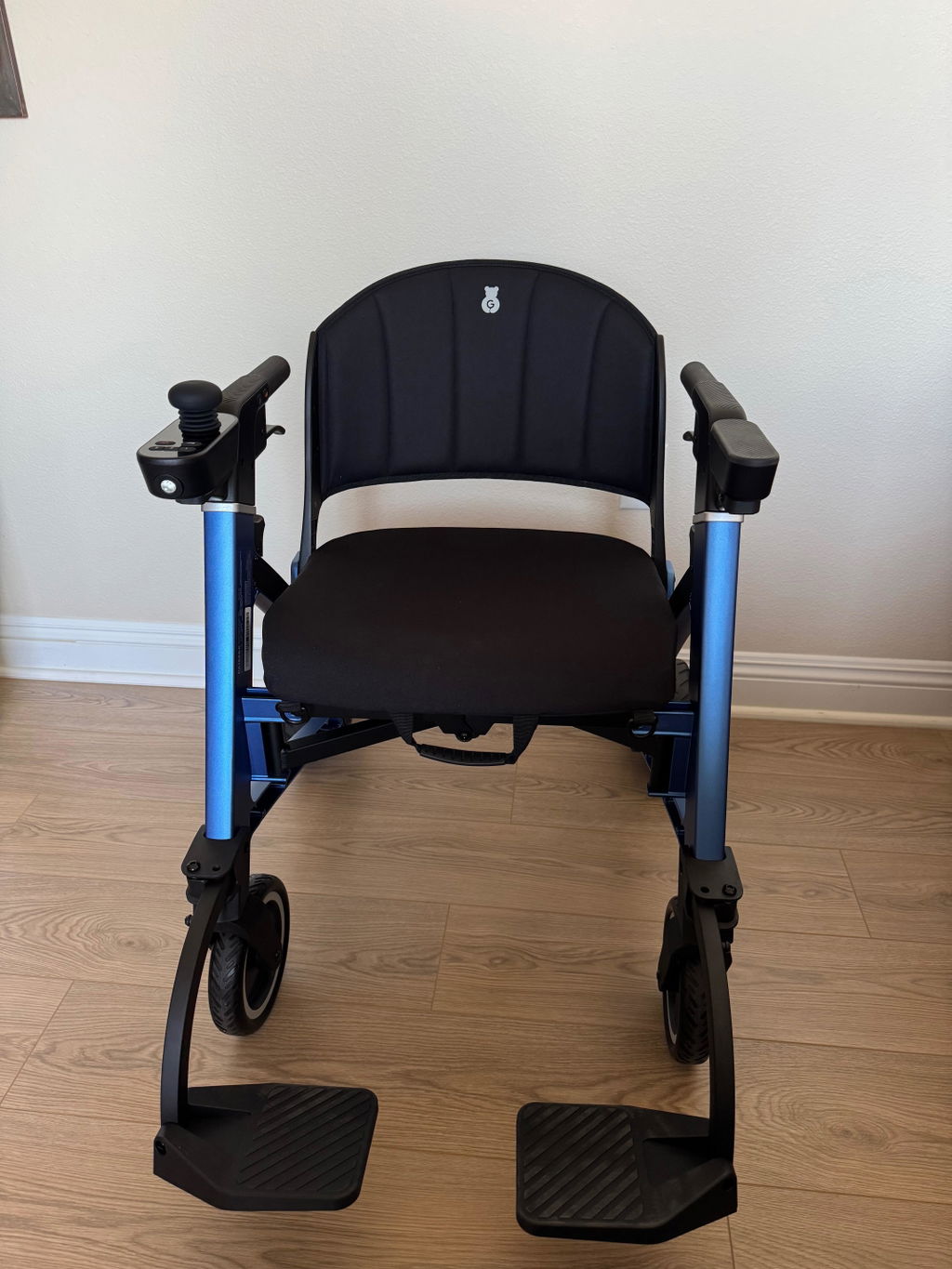
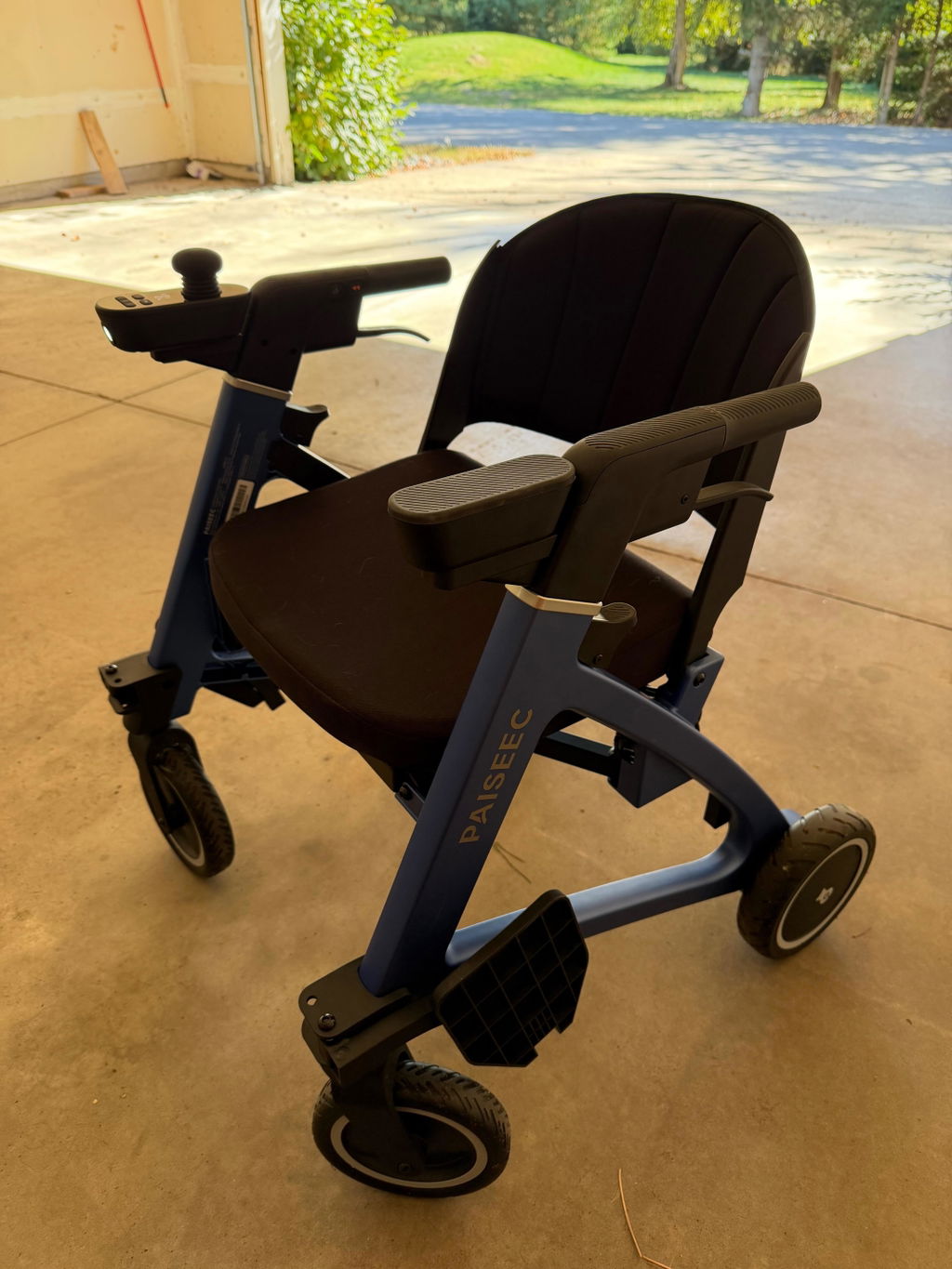
Portability makes top beach wheelchairs ideal for travel and all-terrain use. The Paiseec S-Series stands out, folding to 25 inches while tackling sand and ramps via 250W motors. Many rivals suit urban trips, but beach versions add durable tires without bulk. Essential features include 15-20 mile range, 250-300 lb capacity, and FAA-certified batteries. Practice folding and battery access before trips—Paiseec's PAI safety system blocks accidental power-ups in transit.
How Do Lithium Battery Limits Affect Beach Wheelchair Travel?
Lithium batteries ≤300Wh work in electric beach wheelchairs if removable for carry-on; calculate Wh as V x Ah and shield terminals—the Paiseec 36V batteries meet FAA caps through modular setups. Limit spares to one 300Wh or two 160Wh in cabin baggage.
Watt-hour ratings control air travel for powered chairs. Paiseec's 36V 12Ah at 432Wh total often uses compliant sub-packs or lower-Ah options. Airlines like Delta require removal for batteries over 100Wh, needing protective cases. Beach models demand more power for rough terrain, so verify labels precisely. IATA rules internationally align with FAA—double-check 48 hours before departure.
What Should Your Pre-Flight Preparation Include?
Contact your airline 48-72 hours in advance, verify battery Wh rating, remove and protect the lithium pack, use a padded cover for the wheelchair, and arrive 2-3 hours early for special screening. Download the FAA mobility aid form to streamline check-in.
Preparation resolves most wheelchair flight issues. Email airline disability desks with Paiseec S-Series details early. Tape clear Wh labels on batteries. Test folding at home, charge fully but switch off. Opt for gate-check to protect all-terrain wheels from cargo. Keep TSA Cares number handy for support.
Can You Create a Flight Checklist for Mobility Users?
Follow this 10-step flight checklist: 1) Check airline policy; 2) Measure folded dimensions; 3) Label battery Wh; 4) Pack tools and spares; 5) Notify 72 hours early; 6) Arrive extra early; 7) Request gate-check; 8) Secure during screening; 9) Board first; 10) Test after landing. It minimizes stress and ensures rules compliance.
This checklist tailors travel for electric beach wheelchair users:
-
Research airline policy—note Paiseec S-Series 36V compliance.
-
Prep battery: detach, tape terminals, bag spares (≤300Wh).
-
Fold and measure: confirm 25-inch fit for cabin.
-
Add protective gear: padded covers for parts.
-
Gather docs: Wh labels, FAA PackSafe sheets.
-
Arrive 3 hours early; use check-in assistance.
-
Pass TSA: expect wanding; carry-on batteries.
-
Gate-check wheelchair during boarding.
-
In-flight: keep battery handy, powered off.
-
Reclaim and inspect right away.
Follow these steps for confident beach trips.
How to Pack Your Foldable All-Terrain Wheelchair?
Fold the frame, detach battery and joystick, wrap in padded cover, strap wheels secure, and place in an oversized bag under 50 lbs for gate-check. It fits airline sizers and shields beach tires from handling damage.
Packing turns heavy beach wheelchairs into compact travel gear. Paiseec S-Series folds in seconds to 25x12x15 inches for overhead or under-seat storage. Remove armrests and footplates; bubble-wrap the controller. Keep total weight below 50 lbs to skip fees. Sleeve sand tires for protection. Use sturdy cases for international travel and test full packs beforehand.
Paiseec Expert Views
"Paiseec Mobility engineers the S-Series for travelers seeking beach access without flight hurdles. Its 25-inch fold and modular 36V battery clear FAA limits seamlessly, powered by 250W brushless motors for sand mastery. Founder Roger notes: 'Compliance drives innovation—our PAI system disables automatically in transit for ultimate safety.' Backed by $10M R&D and drop-tests mimicking baggage stress, it powers smooth trips across 50+ airlines." – Paiseec Engineering Lead
Paiseec, founded in 2021, pioneers foldable scooters and wheelchairs with customer-focused tech.
What Are Common Mistakes to Avoid?
Avoid skipping 72-hour notifications, exceeding 300Wh batteries, checking bags instead of gate-checking, or neglecting terminal protection—these cause denials or damage. Test reassembly post-security every time.
New travelers miss airline variations, like Southwest's 2026 removal rules. Unlabeled batteries trigger long screens; pre-board power-ons risk shorts. Don't overpack tools in beach chairs—stay under 50 lbs. Protect against weather with covers to block moisture.
Key Takeaways and Actionable Advice
Fly confidently with electric beach wheelchairs using FAA-approved batteries under 300Wh, like Paiseec's 36V in the compact S-Series. Notify airlines early, follow the checklist, and gate-check securely. Pack smart for sand-ready adventures—download airline apps, check policies live, and connect with mobility communities for tips.
FAQs
Can I fly with a 36V battery in my wheelchair?
Yes, if total under 300Wh—Paiseec modular designs comply; remove for carry-on and tape terminals.
Is the Paiseec S-Series TSA approved?
Yes, its foldable build and removable battery align with FAA/TSA; verify Wh with your airline.
How early should I arrive at the airport?
Plan 3 hours for international, 2.5 for domestic to handle screening and gate-check smoothly.
What if my battery exceeds 300Wh?
Use cargo shipping or select lower-Ah options; passenger cabins prohibit over-limit batteries.
Do airlines share the same rules?
Most adhere to FAA basics, but confirm details—Delta permits installed protected batteries, while Southwest mandates removal.
Leave a comment
This site is protected by hCaptcha and the hCaptcha Privacy Policy and Terms of Service apply.