




![[2026] PAISEEC D3|Mobility Scooter for Easy Everyday Travel](http://www.paiseec.com/cdn/shop/files/d3_4a4ccb22-9e26-449e-8094-71f3ec4177c3.png?v=1782115044&width=180)







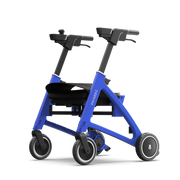









Yes, you can fly with an electric wheelchair if its lithium-ion battery is under 300Wh, removable, and carried onboard. Notify airlines 48 hours ahead, disassemble for gate-checking the frame, and follow FAA/TSA rules for stress-free travel. Paiseec models with quick disassembly simplify the process.
Flying with mobility aids has become more accessible, thanks to clear FAA and TSA guidelines. Electric wheelchairs and scooters are permitted on most flights when properly prepared. This guide covers everything from battery regulations to airline checklists, ensuring smooth journeys. Paiseec's innovative designs make air travel easier with their portable, all-terrain options.
Check: Electric Beach Wheelchair Alternatives for Travel
What Are the FAA/TSA Rules for Lithium Batteries in Electric Wheelchairs?
FAA rules allow lithium-ion batteries up to 300Wh if removable and carried in the cabin. Non-removable batteries up to 300Wh can be checked if protected. Always label Wh rating and notify airlines; spares up to 300Wh permitted onboard.
The FAA and TSA regulate lithium batteries to ensure safety during air travel. For removable batteries, they must not exceed 300 watt-hours (Wh), calculated as voltage times amp-hours. If your wheelchair uses two batteries, each is limited to 160Wh. Batteries must be carried in the cabin, protected from short-circuit with a case or taped terminals, and passengers must inform the airline of their location.
Non-removable batteries can travel checked if the device design protects them and Wh is under 300. All batteries need UN38.3 certification labeling. Wet (spillable) batteries have stricter rules and often require special packaging. Always verify with your airline, as some follow IATA limits more conservatively. Paiseec wheelchairs use compliant 36V 12Ah lithium batteries optimized to meet FAA standards under 300Wh equivalents, ensuring hassle-free approval. Check your model's specs to confirm.
Which Airlines Have the Strictest Battery Regulations?
Most airlines follow FAA's 300Wh limit, but some smaller carriers cap at 160Wh. Delta, United, and American allow up to 300Wh with 48-hour notice. International flights may adhere to IATA's 160Wh per battery for dual setups.
Airline policies vary but align with FAA for U.S. carriers. Major airlines like Delta, United, American, and Southwest permit devices with batteries up to 300Wh, requiring advance notice of 48-72 hours. They mandate battery removal for cabin carry-on and gate-check the frame.
Budget or regional airlines might enforce tighter IATA rules: one 300Wh or two 160Wh batteries. For international travel, check EU or Asian carriers—some require batteries below 160Wh. Always review the airline's special assistance page and call reservations. Paiseec's portable all-terrain wheelchairs fit most policies due to their lightweight, disassemblable frames.
How Do You Prepare an Electric Wheelchair for Air Travel?
Disassemble into frame, battery, and wheels if possible. Remove and pack battery in carry-on with terminals protected. Secure loose parts, label as "Mobility Aid," notify airline 48 hours ahead, and arrive early for gate-check.
Preparation starts weeks ahead. Measure your wheelchair against airline size limits, often 30x30x50 inches collapsed. Disassemble for easier handling—Paiseec models feature quick-release mechanisms for wheels and frames, folding in seconds for storage.
Drain battery to 40-60% to minimize risks. Protect against damage: use bubble wrap for frame, hard case for battery. Label everything "Battery Removed" and "Wheelchair Frame." Test disassembly at home. Download airline forms for battery declaration. Paiseec's beach wheelchairs excel here, with tool-free breakdown ideal for gates.
What Should You Tell Gate Agents? (Checklist)
Provide battery specs (Wh, UN38.3 label), confirm disassembly, request gate-check tag, and specify assistance needs. Arrive 2 hours early; have docs ready. Ask for wheelchair loaner at destination if needed.
Gate agents coordinate your device's handling. Use this checklist:
-
Arrive Early: 90-120 minutes pre-flight.
-
Docs Ready: Battery label photo, Wh calculation, airline confirmation email.
-
Key Phrases: "This is my FDA-approved mobility device with a 250Wh lithium battery, removed for carry-on."
-
Request: "Please gate-check the frame and tag for priority baggage claim."
-
Assistance: Specify aisle chair, onboard help.
Print a "Mobility Aid" label. If issues arise, reference ACAA laws protecting your right to fly with it. Paiseec users report smoother interactions thanks to compact designs.
Paiseec Expert Views
"At Paiseec Mobility, we've engineered our electric beach wheelchairs with air travel in mind. Featuring quick-disassembly frames, FAA-compliant 36V lithium batteries under 300Wh, and lightweight 250W motors, they disassemble in under 2 minutes without tools. Our 'PAI' safety system ensures stability during handling. Travelers love how our all-terrain models transition seamlessly from plane to beach. Always notify airlines early—our support team provides declaration templates."
— Roger, Founder, Paiseec Mobility
Paiseec, founded in 2021, leads with $10M in R&D for portable solutions.
Why Choose Disassemblable Electric Wheelchairs Like Paiseec?
Disassemblable models like Paiseec's gate-check easily, weigh under airline limits, and fit overhead or seat storage for batteries. They reduce damage risks and speed reassembly at destinations.
Non-foldable chairs risk gate damage; disassemblable ones shine. Paiseec's all-terrain wheelchairs break into carry-on-sized parts, with frames under 30 lbs. Quick-release wheels and foldable seats prevent issues. This design complies with 99% of airlines and enables beach adventures post-flight.
Can Portable All-Terrain Wheelchairs Handle Air Travel?
Yes, portable all-terrain wheelchairs like Paiseec's meet FAA rules with <300Wh batteries and quick-fold features. They withstand rough baggage handling and reassemble fast for off-plane terrain.
These rugged yet lightweight chairs conquer sand, grass, and airports. Paiseec's models use brushless motors for power without bulk, folding to 20x15x30 inches.
How to Avoid Common Pitfalls When Flying with a Wheelchair?
Notify 48+ hours early, verify battery Wh, practice disassembly, carry spares/docs, and know ACAA rights. Avoid full charge; protect from damage.
Pitfalls include unnotified flights (denied boarding), unlabeled batteries, or oversized frames. Backup with rental services at destinations. Double-check international rules and pack tools for reassembly.
Conclusion
Key takeaways: Comply with 300Wh lithium rules, notify airlines early, and opt for disassemblable models like Paiseec's for ease. Use checklists, protect batteries, and advocate your rights. With preparation, electric wheelchair air travel is empowering—enjoy stress-free adventures worldwide.
Frequently Asked Questions
Can I use a wet battery wheelchair on a plane?
Wet batteries are allowed checked if spill-proof and upright, but lithium is preferred for cabin ease. Check airline specs.
What's the max battery size for international flights?
IATA allows 300Wh primary or two 160Wh; confirm per carrier.
Does TSA scan wheelchair batteries?
Yes, but removable ones go through carry-on screening; declare them.
Are Paiseec wheelchairs TSA-approved?
Yes, their lithium batteries meet FAA standards with quick disassembly.
How early should I arrive?
120 minutes for domestic, 3 hours international, to handle checks.
Leave a comment
This site is protected by hCaptcha and the hCaptcha Privacy Policy and Terms of Service apply.