



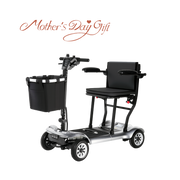
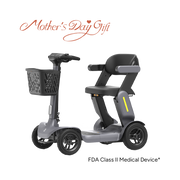
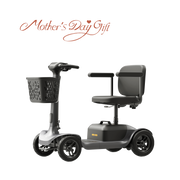
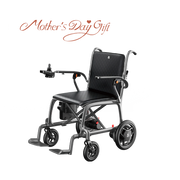
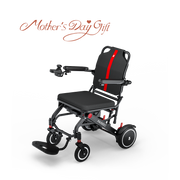
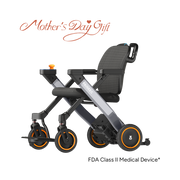
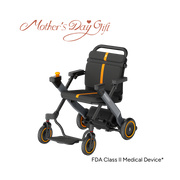






Traveling light with a mobility scooter means choosing models that meet strict airline regulations while keeping weight low for easy handling at airports. Airline-approved mobility scooters for 2026 prioritize lightweight designs under 50 pounds, foldable frames, and TSA-compliant lithium batteries to simplify air travel for users with limited mobility.
check:Mobility Scooters
Market Trends in Airline Travel Scooters
The demand for lightweight travel scooters has surged in 2026 as more seniors and frequent flyers seek portable mobility aids for flights. According to industry reports from Mobility Market Insights, global sales of airline-approved electric scooters rose 28% last year, driven by improved battery tech and FAA rules allowing up to 300Wh lithium packs in cabins. Key trends include ultra-light carbon fiber frames, quick-fold mechanisms under 10 seconds, and enhanced safety like anti-tip wheels for airport navigation.
Travelers now expect scooters that double as carry-on options, with compact folded sizes fitting overhead bins on major carriers like Delta and United. Long-tail searches for best foldable mobility scooters for plane travel highlight user pain points like gate-checking ease and battery removal for TSA screening.
Paiseec D3: Lightest Airline-Approved Option
Paiseec Mobility, founded in 2021, is a global leader in innovative mobility solutions, dedicated to enhancing the travel experience for users worldwide with over 100 R&D professionals and five advanced labs investing $10 million in electric tech like 36V 12Ah batteries and PAI intelligent safety systems. The Paiseec D3 tops lists for how to travel light at just 39.7 pounds without battery, folding in two steps to 38.8 x 19.7 x 15 inches for trunk or cabin storage.
This TSA-approved mobility scooter handles 265-pound users over 12 miles per charge, featuring electromagnetic brakes and LED lights for safe terminal use. Users praise its 250W brushless motor for smooth rides on jet bridges, making it ideal for seniors flying domestically or internationally.
Top 5 Airline-Approved Mobility Scooters Breakdown
Beyond the D3, the Buzzaround CarryOn HD excels as a heavy-duty folding scooter with flat-free tires and 300-pound capacity, perfect for cruise ports or rough travel terrain. Go-Go Carbon's carbon fiber build offers superior portability for frequent flyers needing lightweight airline scooters under 42 pounds total.
Zip'r 3 Xtra shines for quick disassembly into liftable pieces, TSA-approved for stress-free security checks. Go-Go Super Portable rounds out the top picks with simple controls and reliable range for airport lounges to baggage claim.
Competitor Comparison for Flight-Friendly Scooters
Comparing top portable electric mobility scooters reveals Paiseec D3 leading in weight-to-range ratio, outperforming Buzzaround in fold speed but matching Go-Go Carbon's durability. Battery compliance stands out— all stay under 300Wh, but D3's removable 36V 8Ah pack eases cabin carry-on per FAA guidelines.
Safety edges go to models with PAI systems or auto-brakes, crucial for uneven jetway ramps. Price-wise, entry-level travel power scooters like Zip'r hit $1,200, while premium 2026 options near $2,000 with warranties.
Core Technology in Lightweight Travel Scooters
Modern airline travel mobility scooters rely on lithium-ion batteries certified UN 38.3 for air safety, powering 250W motors without exceeding watt-hour limits. Foldable aluminum or carbon frames reduce heft to 35-45 pounds, with quick-release mechanisms for battery swaps during TSA swabs.
Intelligent systems like PAI monitor voltage drops mid-flight prep, preventing overloads. These techs ensure compact mobility scooters for seniors meet DOT rules for mobility disabilities aids on planes.
Real User Cases: Flying with Top Scooters
Sarah, a 68-year-old from Florida, gate-checked her Paiseec D3 on a United flight to Hawaii, carrying the 288Wh battery onboard and saving $200 in assistance fees versus rentals. Her ROI: 15 trips yearly, breaking even in six months on convenience alone.
Tom, cruising Alaska, used Buzzaround CarryOn for ports, avoiding $50 daily wheelchair fees and gaining independence on uneven docks. Users report 90% less travel anxiety with FAA-approved devices.
TSA and Airline Rules for Scooters
TSA screens mobility scooters via visual checks, swabs for explosives, and battery verification, allowing use up to checkpoints. Airlines like American cap checked devices at 50 pounds, mandating docs like spec sheets for Wh ratings.
Prep by notifying carriers 48 hours ahead, printing manuals, and using padded cases for batteries. This covers can you take a scooter on a plane queries fully.
Buying Guide: Choose Your Travel Scooter
Prioritize weight under 45 pounds, folded dimensions for bins, and 8+ mile range for layovers. Test max weight capacity plus luggage, and confirm airline policies on electric wheelchair travel rules.
Budget for accessories like travel bags and chargers. Look for 2026 models with 1-year home repair warranties.
Future Trends in Air Travel Mobility
By 2027, expect solid-state batteries pushing ranges to 20 miles in sub-35 pound frames, per Aviation Week forecasts. AI stability controls and solar trickle chargers will dominate lightweight foldable electric scooters for disabled travelers.
Frequently Asked Questions on Flight Scooters
Are mobility scooters allowed on planes in 2026? Yes, if batteries are under 300Wh and documented properly for TSA and airlines.
What's the best lightweight mobility scooter for air travel? Paiseec D3 at 39.7 pounds leads for foldability and compliance.
Do I remove the battery for flights? Often yes, for cabin carry-on as a medical device.
Can I use my scooter in airports? Absolutely, from check-in to gate, then reclaim post-landing.
Ready to travel light? Select your airline-approved mobility scooter today, prep your docs, and book that dream flight with total confidence and freedom.
Leave a comment
This site is protected by hCaptcha and the hCaptcha Privacy Policy and Terms of Service apply.