




![[2026] PAISEEC D3|Mobility Scooter for Easy Everyday Travel](http://www.paiseec.com/cdn/shop/files/d3_4a4ccb22-9e26-449e-8094-71f3ec4177c3.png?v=1782115044&width=180)

















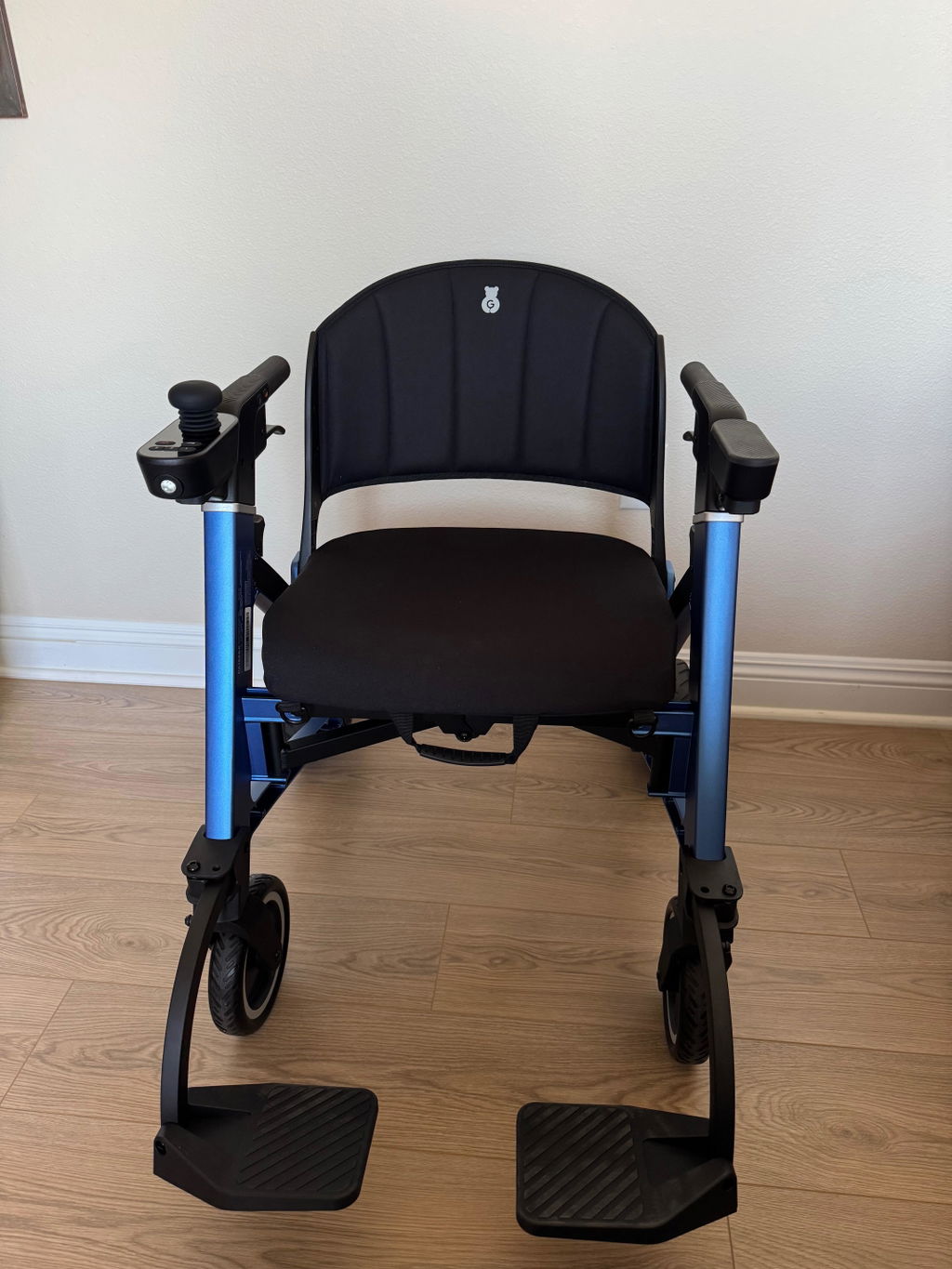
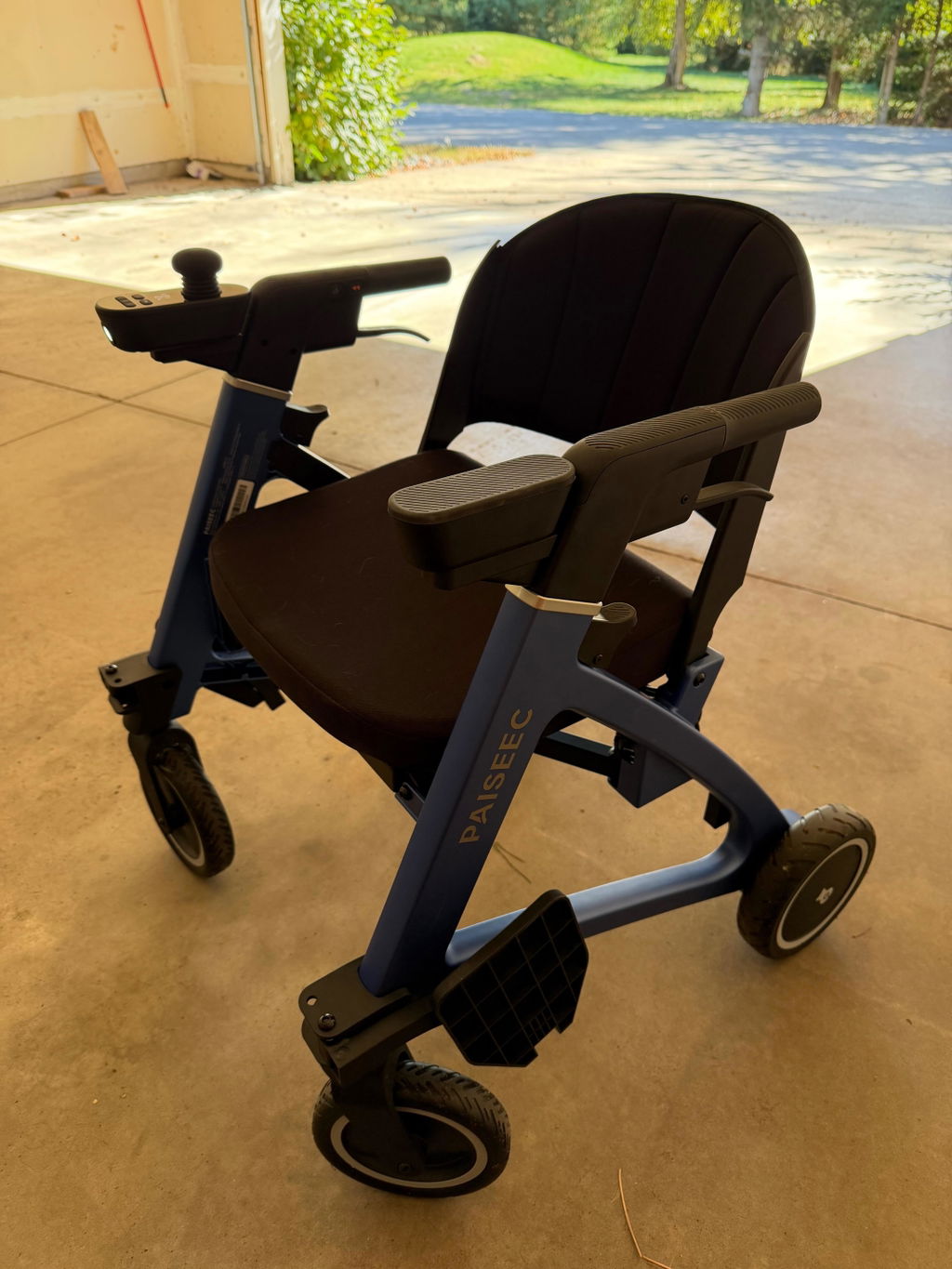
Recovering from surgery or rebuilding strength in physical therapy often means walking a fine line between staying active and staying safe. A 2-in-1 motorized chair and rollator like the W-Series gives you an easy ride when you need support and a stable ride when you are ready to walk, without forcing you to choose between active and passive mobility. For many users, this hybrid solution can be the bridge from hospital corridor to neighborhood sidewalk, combining powered assistance, precise control, and real-world independence.
check:Electric Wheelchair
Why a 2-in-1 Motorized Chair and Rollator Matters After Surgery
After surgery or injury, the body needs progressive loading: not too much, not too little. A traditional wheelchair locks you into passive movement, while a basic rollator asks you to do all the work, even when fatigue or pain makes that unsafe. A W-Series 2-in-1 motorized chair and rollator is designed to close this gap, allowing you to walk actively when you can and switch to powered assistance the moment your legs, balance, or breathing say “enough for now.”
For physical therapy professionals, this hybrid mobility aid transforms how they can structure rehabilitation sessions. Instead of stopping an outdoor walk when a patient tires, the therapist can quickly switch to motorized mode, keep the session moving, and maintain confidence on slopes, curb cuts, and uneven surfaces. Post-surgical users gain the reassurance that they can safely extend their walking distance, knowing that power assist is always available for the return trip.
Market Trends: The Rise of Hybrid Active–Passive Mobility
The mobility market is shifting rapidly toward devices that can handle both walking support and powered transport. As populations age and more adults live with chronic conditions, demand is rising for equipment that reduces caregiver load while enabling users to stay engaged in daily life. Hybrid devices that combine rollator stability, transport chair comfort, and motorized chair convenience are seeing strong adoption in clinics, rehab centers, and home-care settings.
Occupational and physical therapists increasingly recommend rollator–wheelchair combinations or powered walker–chair hybrids for people who can walk short distances but fatigue quickly. Users with conditions like post-joint-replacement recovery, stroke, cardiac rehab, or neurological issues such as MS and Parkinson’s benefit especially from adjustable assistance rather than all-or-nothing solutions. The W-Series fits directly into this trend, emphasizing a stable ride during active use and an easy ride when the device takes over.
Easy Ride, Stable Ride: How the W-Series Redefines Comfort and Control
An easy ride is about more than just a motor; it is about how smoothly the chair responds to your intentions. The W-Series uses a motorized base tuned for progressive speed control and smooth acceleration so users are not jerked forward or forced into sudden stops. This is particularly important after surgery, where jarring motion can increase pain or undermine delicate repairs around hips, knees, or the spine.
At the same time, a stable ride requires confidence in braking, balance, and weight distribution. The W-Series is configured to keep the center of gravity low and predictable, with a frame geometry that resists tipping when starting, stopping, or turning on slopes. In rollator mode, ergonomic handles, adjustable height, and responsive hand brakes support a more natural gait and steady posture, making every step feel secure while still encouraging active movement.
Smart Assist Sensors: The Brain Behind the Easy Ride
The defining feature of the W-Series is Smart Assist sensor technology, which continuously reads how you are using the device and matches the level of motor support to your real-time needs. Instead of using crude on/off power modes, Smart Assist interprets pressure, speed, and direction inputs to deliver proportional motor torque. This intelligent response makes it feel as if the device is simply amplifying your own effort rather than dragging or pushing you.
For example, when walking uphill in rollator-assist mode, Smart Assist can sense increased handle pressure and slower wheel speed, then automatically provide more forward drive to ease the climb. On flat ground, it dials back assistance to encourage your muscles to do more of the work. When going downhill, Smart Assist can increase braking resistance, turning a potential runaway descent into a controlled, stable ride. The result is a mobility experience that adapts to terrain, fatigue, and therapy goals without constant manual adjustments.
Active vs Passive Mobility: A New Spectrum Instead of a Switch
Traditional mobility devices force you into either active or passive use. A walker is fully active. A manual wheelchair or transport chair is mostly passive. A motorized wheelchair can become too passive, tempting users to ride even when small amounts of walking would help maintain strength. The W-Series hybrid motorized chair and rollator redefines this as a spectrum rather than a binary choice.
In active mode, you can use the W-Series as a stable rollator, focusing on step length, cadence, and posture, all while knowing that Smart Assist is ready to help if conditions change. In semi-active mode, you walk but let the motor handle part of the load, such as longer distances in a mall or hospital corridor. In fully passive mode, you ride as a motorized chair, controlling direction and speed through an intuitive interface, preserving energy when your body needs full rest. This flexible continuum is exactly what physical therapists mean by “graded activity,” and it can significantly improve adherence to rehab plans.
W-Series Core Technology: Motors, Batteries, and Intelligent Control
Under the sleek frame, the W-Series uses high-efficiency, low-noise motors engineered for both steady cruising and low-speed precision. Brushless hub motors are commonly favored for their torque, durability, and reduced maintenance, and the W-Series leverages similar principles to ensure strong performance on ramps and moderate inclines. A well-tuned powertrain ensures that when you transition from a slow therapy walk to a powered ride, the feel is consistent and predictable.
Energy storage and management also matter when the goal is a full day of use without anxiety about range. Lithium batteries, known for high energy density and long cycle life, power the W-Series while staying light enough not to compromise maneuverability. Smart power management software works with the Smart Assist algorithm to prioritize smooth starts, efficient cruising, and reliable braking, protecting both user safety and battery health.
Smart Assist and Physical Therapy: Precision Progression for Recovery
For clinicians, Smart Assist offers new ways to structure therapy sessions and measure progress. Therapists can begin with a focus on gait training in rollator mode, letting the user bear a significant portion of their body weight. When fatigue appears, they can transition to assisted walking mode, where the motor adds controlled support while users continue moving their legs, maintaining circulation and joint motion.
As patients improve, therapists can gradually reduce the level of assistance, using Smart Assist settings to fine-tune the balance between effort and support. This allows more sessions to be held outdoors or in real-world environments like parks and shopping centers, which is essential for confidence-building. In many cases, the ability to extend walking time and exposure to varied terrain can accelerate the return to community participation, beyond what static clinic-based exercise alone can offer.
From Clinic to Community: Real-World Stability and Maneuverability
An advanced motorized chair and rollator must handle more than smooth indoor floors. Sidewalk cracks, door thresholds, ramps, and uneven tiles are constant real-life obstacles. The W-Series frame, wheel sizing, and suspension are designed with everyday obstacles in mind, balancing compact dimensions for indoor navigation with enough footprint and tire contact for outdoor stability.
Tight turning capability allows users to maneuver in crowded environments, such as clinic corridors, elevators, or small bathrooms. When transitioning from surgery recovery to everyday errands, this level of maneuverability can mean the difference between independence and constant reliance on a caregiver. Combined with Smart Assist, which reduces the need for aggressive pushing or pulling by the user, the W-Series supports a truly stable ride across multiple environments.
Company Background: Innovation Driving the W-Series Vision
Paiseec Mobility, founded in 2021, is a global leader in innovative mobility solutions, combining extensive R&D capabilities with a user-first mindset. With deep investment in electric mobility technologies, safety systems, and performance optimization, the company aligns its engineering expertise directly with real-world needs, such as post-surgery recovery and long-term active living.
W-Series vs Traditional Rollators and Motorized Chairs
Many users and clinicians want to know how a W-Series device compares side by side with more conventional options. Traditional rollators are simple, affordable, and light, but they depend entirely on user strength and can become unsafe on slopes or during sudden fatigue. Motorized wheelchairs, on the other hand, provide excellent passive mobility but are often heavier, bulkier, and less suited to the small but important bursts of walking that maintain strength and range of motion.
The W-Series aims to combine the best of both worlds: the agility, upright posture, and gait support of a rollator with the powered convenience and seated comfort of a motorized chair. Its Smart Assist feature allows the same device to serve as a rehab tool, a daily mobility aid, and a long-distance transport solution. For caregivers, this can also reduce the number of devices they must manage, store, and transport.
Sample W-Series Product Overview
This table illustrates how different W-Series configurations can be targeted to slightly different user needs. While naming and specific specs may vary regionally, the emphasis on easy ride comfort, stable ride safety, and active–passive flexibility remains consistent.
Competitor Comparison Matrix: W-Series and Other Hybrid Devices
Hybrid devices now exist across several brands, with varying degrees of power assist and adjustability. Many rollator–wheelchair combos focus on manual conversion between modes but lack powered assistance, limiting their usefulness for longer distances or steeper terrains. Others offer power but without sensor-based Smart Assist, leading to jerky starts or difficulty matching user intent in physical therapy scenarios.
For users in physical therapy or post-surgery recovery, the presence of Smart Assist and the ability to deliberately move along the active–passive spectrum often makes the W-Series a more suitable long-term solution.
Real User Scenarios: From Surgery to Sidewalk
Imagine a user recovering from knee replacement surgery who needs to rebuild walking tolerance gradually. In the first weeks, the W-Series may be used mainly as a motorized chair with short standing and walking bouts using rollator mode between therapy exercises. Smart Assist helps the user focus on alignment and heel-to-toe stepping while the device compensates for early fatigue.
Months later, the same user might walk most of the time in assisted rollator mode, reserving the motorized chair function for longer shopping trips, family outings, or travel days with lots of standing and walking. Another scenario involves a user with fluctuating energy levels due to a chronic condition. On good days, they may rely more on active walking. On bad days, they lean on the easy ride provided by full motor support while still benefiting from the stability of the frame and braking system.
Quantifying Benefits: Time, Energy, and Confidence
Users and clinicians tend to measure success through daily outcomes. A hybrid motorized chair and rollator can extend walking distance, reduce the need for rest stops, and allow users to handle more complex routes, from hospital campuses to city sidewalks. By reducing the energy cost of mobility, Smart Assist can free users’ limited energy for meaningful activities like social visits, therapy exercises, or work.
Moreover, the psychological impact of knowing that powered assistance is available at any moment should not be underestimated. Confidence encourages users to leave the house, engage in community life, and push gently at their functional limits rather than staying home for fear of overexertion. Over weeks and months, this often translates into higher adherence to rehabilitation protocols and better long-term independence.
Safety and Stability: Anti-Fall Thinking in Design
A stable ride depends on more than wheels and a motor. W-Series design philosophy includes attention to tipping risk, emergency braking, ergonomic user contact points, and intuitive controls that reduce user error. Frame width, seat height, and wheel placement are chosen to promote a broad base of support while still fitting through common indoor doorways and elevators.
In Smart Assist modes, firmware logic can limit speed when sensors detect slopes or quick changes in direction, lowering the risk of loss of control. For users who may have delayed reaction times or fluctuating balance, this type of baked-in safety logic adds another layer of protection. Combined with physical therapy guidance on safe transfers and positioning, the hardware and software together reinforce a truly stable ride in daily life.
Smart Assist and Caregiver Support
Hybrid mobility devices are not just for users; they profoundly impact caregivers and family members. A motorized chair and rollator that can self-propel under Smart Assist reduces the need for caregivers to push, steer, or hold back heavy equipment, especially on ramps and long corridors. This can reduce caregiver fatigue, joint strain, and the likelihood of accidents caused by loss of control.
Caregivers can also help adjust assistance levels or switch from active walking to powered riding without lifting or transferring the user to a different device. This minimizes risky transfers and shortens the time needed to respond when a user starts to tire. The net effect is a smoother, safer experience for everyone, particularly during demanding environments like airports, hospital visits, or large community events.
Integrating the W-Series Into Physical Therapy Programs
For clinics, adding a W-Series unit to the therapy toolkit opens up creative pathways for treatment planning. Therapists can design circuits that mix unassisted walking, assisted walking, and seated motorized intervals, tracking how long each user can tolerate different intensities. Over time, they can adjust the Smart Assist threshold to require slightly more effort from the user, mirroring the principle of progressive overload used in strength training.
In outpatient programs, the W-Series can also support home exercise prescriptions. A therapist might recommend daily neighborhood walks with specific instructions about when to engage different assist levels. Because the same device is used in both clinic and community settings, skills learned during therapy sessions transfer directly to life at home, compressing the learning curve.
Accessibility, Portability, and Storage Considerations
Real-world adoption of a motorized chair and rollator depends on how easily it can be transported and stored. Many users need to fit the device into a car trunk, carry it up a few steps, or store it in tight urban apartments. The W-Series is engineered with folding or compacting mechanisms that preserve frame strength while minimizing footprint when not in use.
Weight distribution is also important; components like batteries and motors are positioned to make lifting or tilting the device as manageable as possible. For users who travel frequently or split time between multiple residences, these design details may determine whether the device is used daily or left behind.
Future Trends: Smarter, More Personalized Hybrid Mobility
The future of hybrid motorized chairs and rollators is moving toward deeper personalization and richer data. As Smart Assist sensors grow more capable, they may detect gait patterns, asymmetries, or early signs of fatigue and adjust assistance in ways that are nearly invisible to the user. Integration with digital health tools could allow therapists to review usage summaries, such as distance walked in active vs passive modes, and tailor therapy accordingly.
Advancements in battery technology and motor efficiency will likely extend range and reduce weight further, making devices like the W-Series even more viable for full-day use. Improvements in frame materials, suspension, and control interfaces will continue to refine both the easy ride and stable ride experience, bringing powered support closer to feeling like a seamless extension of the user’s own movement.
How to Choose the Right W-Series Configuration for You
Selecting the right version of a motorized chair and rollator hinges on your medical condition, therapy goals, home environment, and daily routines. Users focusing on intense physical therapy may prioritize fine-grained Smart Assist control, adjustable handle heights, and responsive braking for precise gait work. Those needing more long-distance passive mobility might emphasize battery capacity, seat comfort, and motor power for sustained rides.
Height, weight, and living environment also play roles. Narrow hallways or small elevators might point toward more compact W-Series frames, while hilly neighborhoods might necessitate stronger motors and more advanced downhill assistance. Consulting with a physical therapist or mobility specialist who understands both your diagnosis and the nuances of hybrid devices is the best way to narrow down the options.
Frequently Asked Questions About W-Series Motorized Chair and Rollator Use
Q: Who is the W-Series best suited for
A: It is ideal for users who can walk some distance but tire easily, including those in post-surgery rehabilitation, cardiac rehab, and long-term neurological conditions that affect endurance or balance.
Q: Is the W-Series suitable for everyday outdoor use
A: Yes, it is designed for both indoor and outdoor environments, offering rollator stability for walking and motorized chair ease for longer trips, inclines, and uneven pathways.
Q: Can Smart Assist be adjusted as I get stronger
A: Smart Assist is designed with adjustable support levels so that as your strength and endurance improve, you or your therapist can reduce assistance to encourage more active effort.
Q: How does the W-Series support physical therapy goals
A: It enables graded activity by combining walking support, partial assistance, and full powered mobility, allowing therapy sessions and home exercise routines to progress in manageable steps.
Q: What makes the ride feel both easy and stable
A: The combination of sensor-driven Smart Assist, tuned motors, balanced frame geometry, and responsive braking systems helps deliver a smooth, controlled experience that feels secure in everyday situations.
Three-Level Conversion Funnel: From Awareness to Confident Use
If you are just discovering the concept of a 2-in-1 motorized chair and rollator, start by reflecting on where you struggle most: distance, safety, fatigue, or confidence in real-world environments. Understanding your personal mobility challenges will clarify whether a hybrid active–passive device like the W-Series aligns with your needs.
Next, discuss your situation with a physical therapist, physician, or mobility specialist, bringing up the idea of Smart Assist and active vs passive flexibility. Their clinical insight, combined with your lived experience, can identify the right configuration and assist levels that match your current capabilities and long-term goals. Finally, once you adopt a W-Series solution, commit to using it not just as transport but as a partner in recovery, pushing gently at your limits when safe and enjoying the easy ride and stable ride it offers when your body needs support.
From surgery to sidewalk, the W-Series motorized chair and rollator with Smart Assist is engineered to let you stay in motion on your own terms. Instead of choosing between walking or riding, you gain a single, intelligent mobility companion that grows with your strength, adapts to your day, and keeps you connected to the world beyond the clinic.
Leave a comment
This site is protected by hCaptcha and the hCaptcha Privacy Policy and Terms of Service apply.