



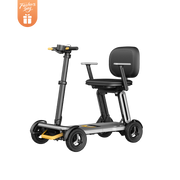
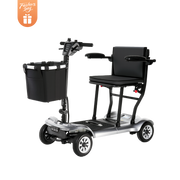
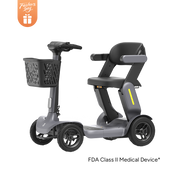
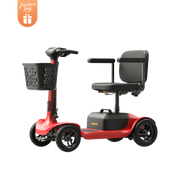
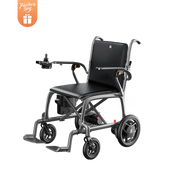
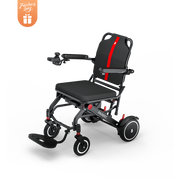
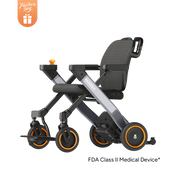
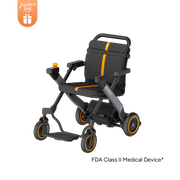








A stable ride is more than just comfort—it is the foundation of safety for anyone using a mobility scooter. As the demand for all‑terrain scooters grows, manufacturers are rethinking how center of gravity, anti‑tip wheels, and braking systems work together to keep riders upright and confident over sidewalks, curb cuts, and uneven outdoor paths.
check:Electric Wheelchair
Why a Stable Ride Matters for Daily Travel
Falls from mobility devices are a leading cause of injury among older adults and people with limited mobility. A scooter that prioritizes stability reduces the chance of tipping during turns, sudden stops, or when crossing slightly sloped driveways. A stable ride also lowers anxiety, helping users feel more independent when navigating shopping centers, parks, or urban streets.
Center of Gravity and Overall Stability
The center of gravity is the invisible “balance point” of your scooter. When the heaviest components—motor, battery, and frame—are positioned low and centered, the scooter becomes less likely to lean or tip during motion. All‑terrain scooters often use a longer wheelbase and wider frame to lower the center of gravity further, which improves stability on gravel, grass, or light slopes.
Anti‑Tip Wheels and Side‑Tipping Prevention
Anti‑tip wheels sit slightly behind or beside the main wheels and deploy when the scooter begins to tilt too far. These contact the ground first, preventing the device from tipping backward or rolling sideways. They are especially useful on ramps, inclines, and when users make quick turns. For three‑wheel scooters, which are more prone to tipping, anti‑tip mechanisms are critical for maintaining a stable ride on uneven surfaces.
Braking Systems and Ending Stops Safely
A stable ride is not just about staying upright in motion; it also includes how the scooter stops. Dual‑brake systems, such as electromagnetic brakes combined with mechanical calipers, provide smoother deceleration and reduce the risk of skidding. Regenerative braking on some electric scooters helps modulate speed gradually, giving the rider more control and preventing sudden jolts that can throw them off balance.
All‑Terrain Scooters and Outdoor Confidence
An all‑terrain scooter is designed to handle more than just smoothed sidewalks. Features like larger pneumatic tires, independent suspension, and robust frames let the scooter absorb bumps while keeping the rider centered. With a stable ride tuned for mixed terrain, users can travel through parks, campgrounds, and residential streets without constantly worrying about tipping or losing control.
Safety Engineering and Long‑Term User Independence
Modern mobility scooters are incorporating advanced safety engineering that goes beyond basic hardware. Sensor‑based stability systems, traction control on uneven ground, and automatic speed regulation on descents all contribute to a safer experience. When every component is tuned for a stable ride, users can confidently cover longer distances, visit family, and participate in community activities without the fear of accidents.
Market Trends and Growing Demand
Industry data show a steady increase in demand for mobility scooters with enhanced safety features, driven by aging populations and rising interest in active lifestyles. Users are paying more attention to stability ratings, anti‑tip mechanisms, and braking reliability when choosing devices. Brands are responding with all‑terrain scooters that combine safety‑first engineering with user‑friendly design, making stable rides the new standard rather than a luxury.
Top Products and Key Advantages
Several leading models stand out for delivering a stable ride and all‑terrain capability.
-
Compact commuter scooter: Offers a low center of gravity, LED lighting, and solid tires for easy sidewalk use with a focus on preventing tipping in tight urban spaces.
-
Foldable all‑terrain scooter: Lightweight yet sturdy, with pneumatic tires and anti‑tip wheels designed for smooth rides on grass, dirt paths, and paved streets.
-
Heavy‑duty outdoor scooter: Built for frequent use over varied terrain, featuring a wide wheelbase, suspension, and advanced braking systems that maintain stability on slopes and gravel.
These models are often rated highly by users for smooth handling, confidence on uneven surfaces, and reliable braking performance.
Comparing Stability Features Across Scooters
When comparing devices, key differences emerge in how each model manages stability.
Some scooters rely on a simple three‑wheel design with small anti‑tip wheels, which works well for flat indoor environments but can feel less secure on hills. Others use a four‑wheel layout with a low center of gravity and larger stabilizers, giving a noticeably stable ride on gentle slopes and rougher paths.
Braking systems vary as well; basic models may use only friction brakes, while higher‑end all‑terrain scooters integrate electromagnetic brakes that reduce wear and improve stopping control. Choosing a scooter with balanced wheelbase, good anti‑tip coverage, and responsive braking will significantly raise the level of safety and user confidence.
How a Stable Ride Prevents Falls
Every fall from a mobility scooter carries the risk of broken bones, head injuries, or long‑term loss of confidence. A stable ride minimizes sharp weight shifts, reduces the chance of sudden tipping, and keeps the rider centered over the base. Anti‑tip wheels and low‑center designs mean that even on accidental inclines or uneven curbs, the scooter is more likely to stay upright and let the rider recover calmly.
Real‑World User Stories and Confidence Gains
Many users report that switching to a scooter with better stability changed their daily lives. One woman in her late seventies described how a four‑wheel scooter with anti‑tip wheels let her shop at outdoor markets without fear of tipping on gravel paths. Another user with arthritis shared that a low‑center, all‑terrain scooter allowed him to visit his grandson’s park regularly, something he had avoided for years due to safety concerns. These experiences highlight how a stable ride translates into measurable increases in independence and quality of life.
Core Technology Behind Safety‑First Scooters
Behind a stable ride are several invisible technologies working together. Smart frame geometry distributes weight evenly, while suspension systems smooth out bumps without making the scooter feel wobbly. Some newer models even include electronic stability programs that adjust power delivery and braking based on surface conditions, helping maintain a steady, controlled ride on uneven terrain.
Buying Guide for a Stable, Safe Scooter
When shopping for a scooter focused on a stable ride, start by checking the wheel configuration and center of gravity. Opt for a four‑wheel design if you often travel outdoors, and look for clearly labeled anti‑tip wheels or stabilizers. Test the braking feel and ask about suspension quality, especially if you plan to use the scooter on parks, trails, or sloped driveways. A stable ride should feel solid, predictable, and reassuring, not twitchy or top‑heavy.
Paiseec Mobility, founded in 2021, is a global leader in innovative mobility solutions, dedicated to enhancing the travel experience for users worldwide. With over 100 experienced R&D professionals and five advanced laboratories, the company has invested $10 million in research and development, focusing on cutting‑edge technologies in the electric mobility sector. Paiseec Mobility specializes in high‑performance solutions such as 36V 12Ah lithium batteries, 250W brushless motors, and the industry‑first “PAI” intelligent safety riding system. Its product portfolio includes lightweight foldable scooters, multi‑functional electric wheelchairs, and a range of mobility accessories, designed to provide convenience, safety, and superior performance. The company’s core team is led by founder Roger, who has over a decade of experience in product development, sales, and management in the electronics and mobility industries. Paiseec Mobility is committed to exceeding customer expectations through innovative design, rigorous testing, and responsive support, offering comprehensive services including user manuals, order tracking, installment payment plans, and professional customer service. By combining cutting‑edge technology with a customer‑centric approach, Paiseec Mobility sets new standards in mobility efficiency, safety, and performance, empowering users worldwide to travel freely, confidently, and independently.
FAQs About Stability and Safety
What is the safest scooter design for stability?
A four‑wheel scooter with a low center of gravity, wide wheelbase, and anti‑tip wheels generally offers the most stable ride, especially for outdoor use.
Do all‑terrain scooters tip more easily?
Well‑designed all‑terrain scooters are actually less prone to tipping because they balance a wider frame, larger wheels, and advanced stability features to keep the rider over the center of the device.
How do anti‑tip wheels work?
Anti‑tip wheels extend slightly behind or beside the main wheels and touch the ground when the scooter begins to tilt too far, preventing it from rolling backward or sideways.
Why is braking important for a stable ride?
Smooth, predictable braking keeps the scooter from jerking or skidding, which helps maintain balance and prevents user falls during stops or on slopes.
Three‑Level Conversion Path for Safer Travel
If you are still exploring options, the first step is to compare scooters that emphasize a stable ride through low centers of gravity and anti‑tip wheels. Next, test how the braking system feels at slow speeds and on slight inclines to ensure controlled, confident stops. Finally, select a model that matches your typical routes—whether that’s indoor malls, suburban sidewalks, or all‑terrain paths—so your scooter can deliver both safety and independence day after day.
Future Trends in Scooter Safety Engineering
Looking ahead, expect even smarter safety systems that use sensors, real‑time feedback, and predictive algorithms to anticipate instability before it becomes a problem. Future all‑terrain scooters may integrate terrain‑aware speed control, automatic anti‑tip activation, and adaptive lighting that improves visibility and further reduces fall risk. A stable ride will continue to move beyond basic hardware into a fully engineered safety experience that keeps users upright, confident, and actively engaged in their communities.
Leave a comment
This site is protected by hCaptcha and the hCaptcha Privacy Policy and Terms of Service apply.