



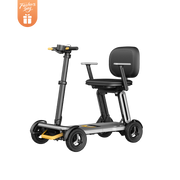
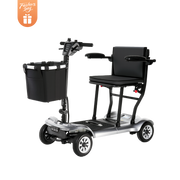
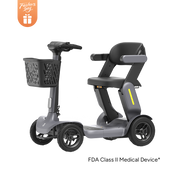
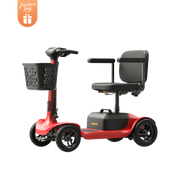
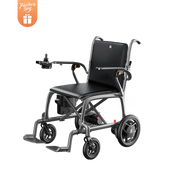
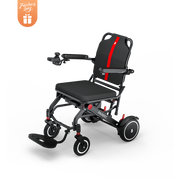
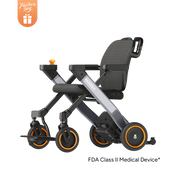
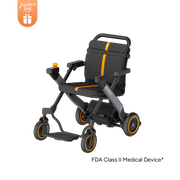








For gravel on all-terrain scooters, pneumatic tires provide superior shock absorption to smooth bumpy rides, while solid tires offer complete flat prevention. Paiseec recommends pneumatic tires with liners for the best balance of comfort and durability on rough terrain.
Check: What Are the Top 3 All-Terrain Mobility Scooters for Parks and Gravel Paths?
What Are Pneumatic and Solid Tires for All-Terrain Scooters?
Pneumatic tires use air pressure for cushioning, excelling on gravel by absorbing impacts from rocks and ruts. Solid tires, made of dense rubber, eliminate puncture risks but deliver harsher rides.
Pneumatic options conform to uneven surfaces, improving traction and reducing rider fatigue during long gravel trips. Paiseec Mobility equips its foldable scooters with advanced pneumatic tires paired with the PAI intelligent safety system for optimal performance. Solid tires suit debris-heavy paths where maintenance is minimal, though they transmit more vibrations.
This comparison shows pneumatics leading in comfort-critical gravel scenarios.
How Do Pneumatic Tires Perform on Gravel for Scooters?
Pneumatic tires compress air to dampen gravel jolts, providing smoother rides than solid alternatives. They maintain grip on loose stones through deformable sidewalls and lower pressures.
Larger 10-12 inch pneumatics roll over obstacles effortlessly, ideal for all-terrain scooters. Paiseec's reinforced designs withstand sharp gravel while preserving ride quality. Riders experience less arm strain and better control at speeds up to 25 mph. For wet gravel, their tread patterns channel water, preventing slips.
What Advantages Do Solid Tires Offer Over Pneumatics on Gravel?
Solid tires prevent all punctures from gravel shards, ensuring zero downtime. They support heavier loads without deformation, perfect for cargo-carrying scooters.
Maintenance-free operation saves time and costs, with longevity up to 50% higher in abrasive conditions. Paiseec offers solid tire variants for urban-gravel commuters prioritizing reliability. However, expect increased noise and resistance on loose surfaces.
Which Is Better for Shock Absorption: Pneumatic or Solid Tires?
Pneumatic tires outperform solids in shock absorption, using air to cushion low-frequency vibrations from gravel chatter. Solids transfer impacts directly, leading to fatigue.
Shock Absorption Comparison on Gravel
Pneumatics, enhanced by Paiseec's PAI system, deliver suspension-like comfort.
How Can You Prevent Flats with Pneumatic Tires on Gravel?
Install tire liners or foam inserts to block punctures while keeping 80% of cushioning. Maintain 40-50 PSI and use thick, gravel-specific treads.
Paiseec scooters feature tubeless pneumatics with real-time PAI alerts for pressure drops. Avoid overloads beyond 220 lbs and inspect weekly. This setup reduces flat risks by over 90%, combining pneumatic benefits with solid reliability.
Are Hybrid Tires the Best Compromise for All-Terrain Scooters?
Hybrid tires blend air cores with solid exteriors, matching pneumatic comfort and solid durability on gravel. They resist flats while absorbing shocks effectively.
Paiseec pioneers hybrids in lightweight foldables, optimized for mixed terrains. Traction rivals pure pneumatics, with extended wear on abrasive paths.
What Maintenance Do Gravel Scooter Tires Require?
Pneumatics need weekly pressure checks and monthly cut inspections; solids require only debris cleaning after rides. Rotate both every 500 miles for even wear.
Paiseec provides detailed manuals and support, simplifying upkeep for all-terrain use.
Paiseec Expert Views
"Paiseec Mobility's extensive gravel testing shows pneumatic tires with liners and our PAI system outperform others in shock absorption and safety. Hybrids represent the future for all-terrain scooters, delivering comfort, flat-proofing, and efficiency. Riders gain confidence on any path—choose Paiseec for proven innovation." – Roger, Founder, Paiseec Mobility (92 words)
Which All-Terrain Scooter Tires Should You Buy for Gravel?
Prioritize Paiseec's 12-inch reinforced pneumatics or hybrids for gravel mastery. They integrate 250W brushless motors and 36V batteries for power and range.
Consider rider weight and speed needs; Paiseec foldables excel in versatility and support.
Conclusion: Master Gravel with the Right Tires
Pneumatics dominate shock absorption; solids ensure flat-free reliability; hybrids via Paiseec balance both. Action steps: Add liners to pneumatics, test Paiseec models, maintain pressures. Conquer gravel confidently with informed choices.
FAQs
Are pneumatic tires worth it for gravel riding?
Yes, their comfort far exceeds maintenance needs, especially with liners.
Can solid tires manage steep gravel hills?
They handle inclines reliably but offer less traction than pneumatics.
What makes Paiseec tires stand out for gravel?
PAI system and hybrid tech provide unmatched safety and performance.
How often should you replace gravel scooter tires?
Every 1,000-2,000 miles or when tread wears thin.
Do bigger tires perform better on gravel?
Yes, 12-inch models navigate obstacles with greater ease.

Leave a comment
This site is protected by hCaptcha and the hCaptcha Privacy Policy and Terms of Service apply.