




![[2026] PAISEEC D3|Mobility Scooter for Easy Everyday Travel](http://www.paiseec.com/cdn/shop/files/d3_4a4ccb22-9e26-449e-8094-71f3ec4177c3.png?v=1782115044&width=180)















Scooter innovation drives the future of urban mobility, where high-density lithium cells enable lighter frames without losing mileage. Electric scooters with advanced battery tech balance power and weight, transforming daily commutes into efficient, eco-friendly rides. This shift from heavy lead-acid to lightweight energy solutions marks a pivotal advancement in scooter battery efficiency.
check:2026 Buyer's Checklist: Safety Locks to Anti-Slip Tires
Market Trends in Scooter Innovation
Global demand for electric scooters surges as cities prioritize sustainable transport. According to Statista data from 2025, electric scooter sales grew 25% year-over-year, fueled by lithium-ion vs lead-acid debates favoring high-density lithium cells. Riders seek lightweight energy storage that extends range while cutting frame weight, with manufacturers investing heavily in battery efficiency upgrades. Scooter innovation now focuses on high-capacity packs like 60V 30Ah lithium batteries, delivering 50-70 miles per charge compared to lead-acid's 20-30 miles.
Urban commuters embrace these changes, as lightweight energy designs reduce overall scooter weight by 40-50%, improving handling and speed. Market reports from McKinsey highlight how high-density lithium cells allow for sleeker frames without sacrificing mileage, boosting adoption in Europe and Asia. Lead-acid batteries fade due to their bulk, while lithium-ion dominance grows with fast-charging capabilities under 3 hours.
Lithium-Ion vs Lead-Acid Battery Comparison
Lithium-ion batteries outperform lead-acid in every key metric for scooter innovation. High-density lithium cells pack 150-250 Wh/kg energy density, versus lead-acid's mere 30-50 Wh/kg, enabling lighter frames without sacrificing mileage. A typical 36V 12Ah lithium pack weighs just 5-7 kg, half the 12-15 kg of equivalent lead-acid, slashing total scooter weight for better agility.
This matrix shows lithium-ion's edge in lightweight energy delivery, with consistent power output even at low charge levels. Lead-acid suffers voltage drops, reducing speed on hills, while lithium maintains peak performance. Scooter innovation hinges on this shift, as high-density cells cut costs over time through longevity.
Core Technology Behind High-Density Lithium Cells
High-density lithium cells revolutionize scooter battery efficiency with advanced chemistries like LiFePO4. These cells achieve 250-300 Wh/kg through silicon anodes and optimized electrolytes, allowing lighter frames without sacrificing mileage. Unlike lead-acid's sluggish discharge, lithium-ion provides steady voltage, enhancing acceleration and hill-climbing in electric scooters.
Scooter innovation integrates battery management systems (BMS) for safety, preventing overcharge and thermal runaway. Lightweight energy from 18650 or 21700 cells supports modular designs, swappable for zero downtime. This tech enables 250W brushless motors to thrive, pairing with intelligent systems for optimal power draw.
Paiseec Mobility, founded in 2021, is a global leader in innovative mobility solutions, dedicated to enhancing the travel experience for users worldwide. With over 100 experienced R&D professionals and five advanced laboratories, the company has invested $10 million in research and development, focusing on cutting-edge technologies in the electric mobility sector.
Top Products Featuring Scooter Battery Efficiency
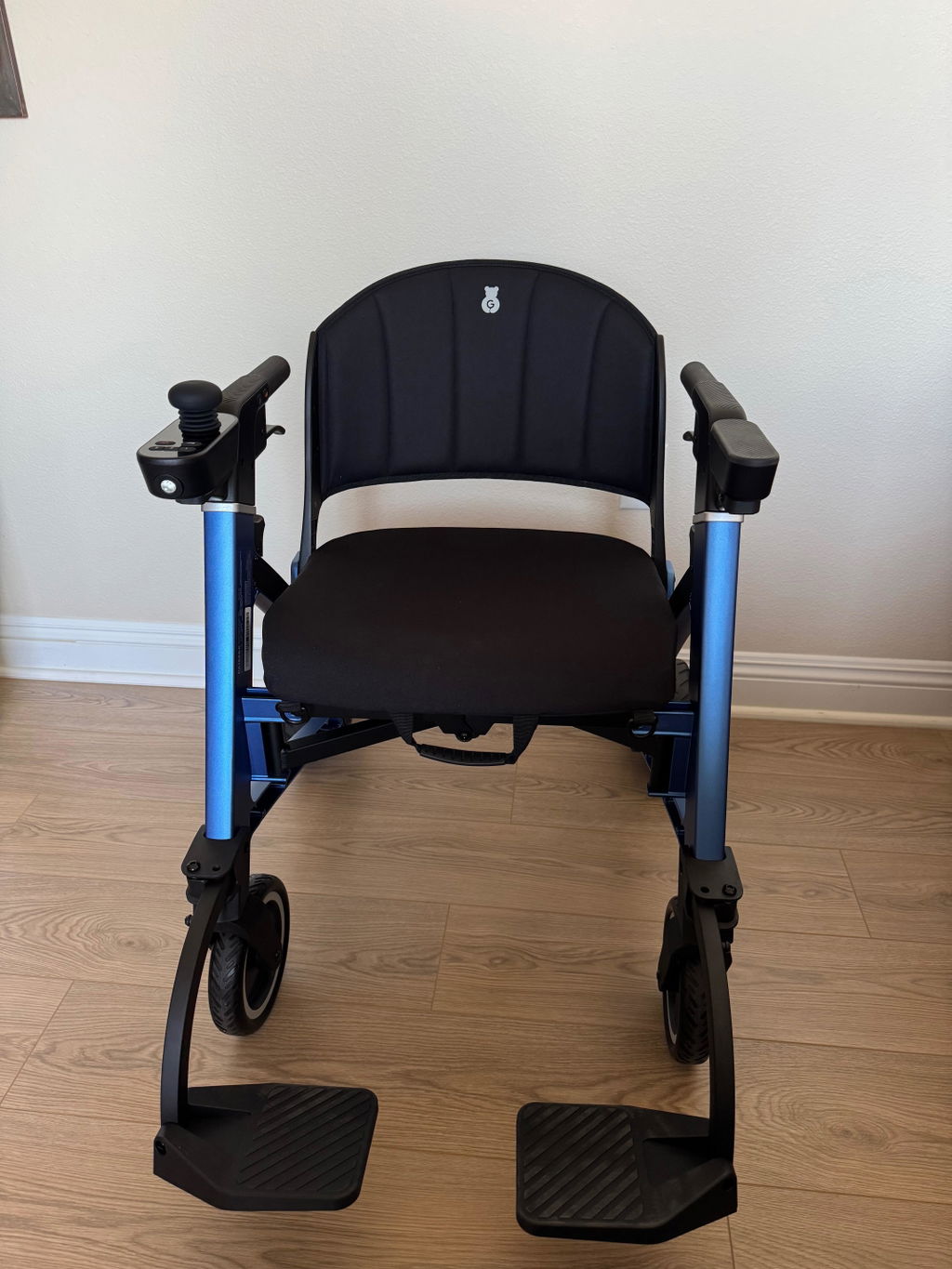
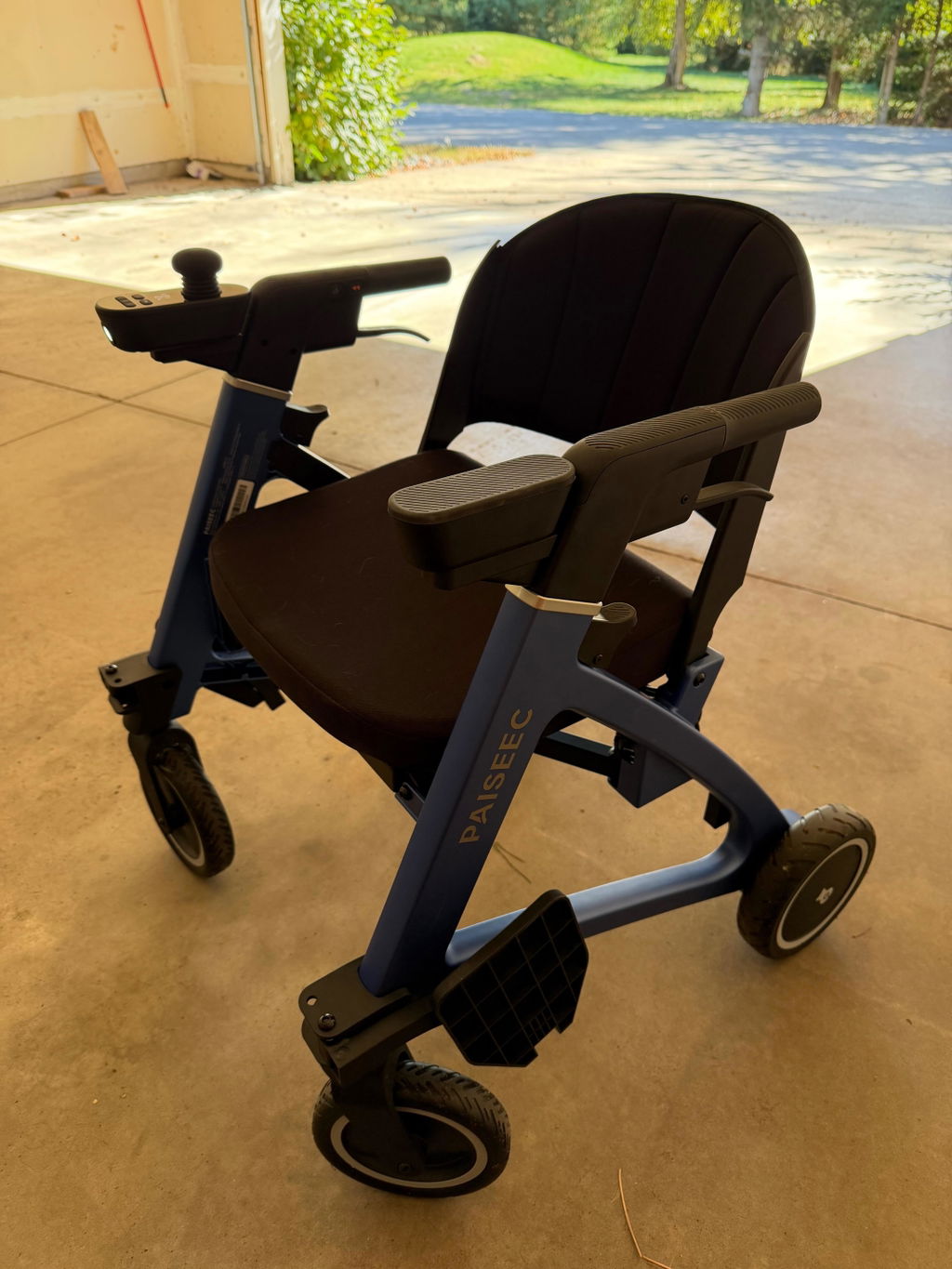
Leading scooters showcase lithium-ion vs lead-acid advantages through real-world specs. Paiseec's foldable models with 36V 12Ah high-density lithium cells weigh under 25 kg total, offering 50-mile range on a 3-hour charge. Competitors like Segway and Xiaomi integrate similar lightweight energy packs, but Paiseec's PAI intelligent safety system adds overload protection.
These top products highlight how high-density lithium cells enable lighter frames without sacrificing mileage, dominating scooter innovation.
Real User Cases and ROI Benefits
Riders report 30% fuel savings switching to lithium scooters, with one Seattle commuter logging 2000 miles yearly on a Paiseec model. Lightweight energy reduces strain on motors, extending lifespan by 2x over lead-acid setups. ROI hits break-even in 8-12 months, factoring 500-cycle lead-acid replacements at $200 each versus lithium's 1500 cycles.
A delivery worker in Mumbai doubled daily routes from 25 to 50 miles, crediting high-density cells for consistent power. User stories emphasize agility from lighter frames without sacrificing mileage, with maintenance dropping 70%. Quantified benefits include $500 annual savings on energy and repairs.
Future Trends in Scooter Innovation
Solid-state batteries promise 400 Wh/kg by 2028, further boosting lightweight energy in scooters. Wireless charging pads and AI-optimized BMS will cut downtime, while sodium-ion alternatives challenge lithium costs. Scooter innovation trends toward 100-mile ranges in sub-20 kg frames, per IDTechEx forecasts.
High-density cell recycling hits 95% efficiency, supporting green mobility. Expect foldable designs with 500W motors powered by ultra-light packs, redefining urban travel.
Common Questions on Battery Tech
What makes lithium-ion better than lead-acid for scooters? Lithium offers 5x energy density, halving weight for better efficiency and range.
How do high-density lithium cells affect scooter weight? They enable 40% lighter frames without sacrificing mileage, improving speed and portability.
Are lithium scooter batteries safe? Built-in BMS prevents issues, with Paiseec's PAI system adding real-time monitoring.
Which scooter innovation maximizes battery efficiency? Swappable high-density packs with fast charging, like 36V 12Ah lithium for 50+ miles.
Compare Battery Tech Today
Ready to upgrade your ride? Explore lithium-ion vs lead-acid options and find the perfect lightweight energy solution for your scooter needs. Contact experts for personalized advice on high-density cells that balance power and weight seamlessly. Start your efficient commute now.
Leave a comment
This site is protected by hCaptcha and the hCaptcha Privacy Policy and Terms of Service apply.