




![[2026] PAISEEC D3|Mobility Scooter for Easy Everyday Travel](http://www.paiseec.com/cdn/shop/files/d3_4a4ccb22-9e26-449e-8094-71f3ec4177c3.png?v=1782115044&width=180)


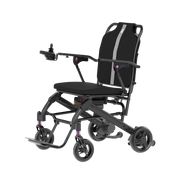



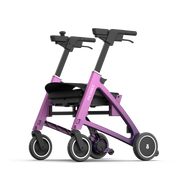
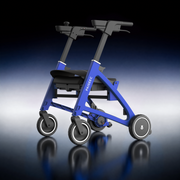









In today’s fast‑moving world, a mobility scooter that actually absorbs bumps, not your comfort, is no longer a luxury—it’s a necessity. Advanced shock absorption systems, especially independent suspension, transform how you handle gravel paths, grassy lawns, and sidewalk curbs, turning a jolting ride into a smooth, stable experience. At the heart of this evolution is mobility technology like the S3 Scooter, engineered to deliver daily comfort without sacrificing control or safety.
check:Paiseec Mobility Scooter S3
How shock absorption shapes daily comfort
A scooter without proper shock absorption transmits nearly every crack, stone, and edge straight into your body, leading to fatigue, joint strain, and even post‑ride soreness. Modern electric scooters with advanced springs, hydraulic units, and elastomer dampers actively compress and rebound to cancel out road vibrations before they reach your hands and seat. This smoothing effect is especially important for older riders, those with chronic pain, or anyone using a scooter for long‑distance errands and outdoor trips.
When shock absorption is optimized, rides feel more relaxed, steering remains predictable, and the scooter itself suffers less wear and tear over time. Off‑road‑ready models capitalize on this by pairing larger tires with tuned suspension so that light trails, uneven sidewalks, and potholed parking lots feel consistent rather than punishing. Riders report that once they try a scooter with real damping, going back to a rigid, no‑suspension platform feels like jumping from a luxury car to a bicycle over cobblestones.
Independent suspension on gravel, grass, and curbs
The term “independent suspension” means each wheel moves on its own, responding to bumps without jerkily dragging the other wheel along with it. On gravel, this lets the S3 Scooter’s front and rear tires follow tiny ruts and loose stones independently, so the deck stays level and the rider doesn’t feel every individual bump. Instead of shaking your spine, the scooter instead filters out most of the chatter, letting the wheels adapt to the surface while the frame stays stable.
Grass and uneven lawns add another layer of challenge, where one wheel can sink slightly while the other stays high. With independent suspension, the low‑side wheel sinks into the soft patch while the opposite wheel keeps contact, maintaining balance and preventing the scooter from tipping or wobbling. This is why all‑terrain mobility scooters with independent shock systems are preferred for parks, gardens, and uneven backyard paths. The combination of larger, air‑filled tires and differentiated suspension arms ensures both traction and cushioning, even on wet or slightly sloped grass.
Curb navigation is where independent suspension truly shines. When one wheel hits a curb, the shock compresses alone, allowing the frame to rise gradually instead of rattling the entire chassis. On the S3 Scooter, this design helps the scooter climb small curbs more smoothly, reducing the risk of kicking or dropping the rider. High‑quality suspension also improves directional control, so you can angle the scooter onto the curb without feeling the front wheel veer off or the rear wheel losing grip. Models built for occasional off‑road use typically tune their suspension to handle both sidewalk‑type curbs and gentle grassy embankments, giving riders more freedom to move between streets and trails.
Why the S3 Scooter stands out for comfort
The S3 Scooter is built around the idea that smoothness should not be optional. Its independent suspension system works in tandem with wider rear wheels and a low‑vibration platform to keep the ride stable on gravel roads, grassy parks, and indoor store floors alike. The deck stays level through dips and rises, so standing or sitting, your upper body stays relaxed instead of bracing for every bump.
Battery‑powered mobility scooters like the S3 also benefit from a low center of gravity and a balanced weight distribution between front and rear shocks. This setup helps prevent pitching forward over curbs or backward on steep driveway inclines. Many riders highlight that the S3 feels more “car‑like” than traditional scooters, thanks to how the shocks isolate terrain irregularities while still providing clear feedback about what is under the wheels.
Market trends and real‑world demand
Recent mobility‑tech reports show a clear shift in consumer preference toward scooters with advanced damping and all‑terrain capabilities. Riders are no longer satisfied with basic, flat‑plastic platforms that work only on smooth sidewalks; instead, they want models that handle gravel paths, grassy areas, and raised curbs with confidence. This trend is driven by an aging population that desires independence, outdoor activity, and access to parks, trails, and rural communities without giving up comfort.
Industry data also reveal that shock‑absorption‑focused scooters see higher retention rates and lower service incidents over time. Components such as motors, decks, and electronics last longer when the chassis is not constantly hammered by unfiltered bumps. For manufacturers, this means designing suspension that is not just soft but also durable and tuned to expected rider weights and terrain types. Premium models increasingly combine dual‑shock setups, elastomer buffers, and sometimes even air‑assist elements to deliver a broader range of adjustability and comfort.
Top mobility scooters with advanced shock systems
When comparing models, riders should look at suspension type, wheel size, and how the scooter performs on mixed surfaces. Scooters with independent front and rear shocks, larger low‑pressure tires, and appropriate ground clearance tend to outperform rigid, thin‑tire competitors on gravel, grass, and curbs.
Among current offerings, several all‑terrain models stand out for their balanced approach to shock absorption and usability. They typically feature independent suspension arms, tuned springs, and sometimes hydraulic elements to smooth out rough terrain. These scooters are often favored for light trails, neighborhood walks, and suburban errands where the rider encounters a mix of pavement, gravel, and grass. Customer reviews frequently mention reduced fatigue, improved confidence on uneven ground, and easier transitions between different surfaces.
Independent suspension vs other shock systems
Not all shock‑absorption systems are created equal. Basic scooters may use a single spring or simple rubber bumpers that offer limited cushioning and can feel harsh over bumps. Dual‑shock systems, where each wheel has its own spring‑type damper, improve comfort but still link the wheels’ behavior to some degree, so hitting a curb with one wheel can still jar the opposite side.
Independent suspension, by contrast, lets each wheel react on its own, keeping both in contact with the ground and minimizing pitch and roll. This design is especially useful on gravel or grass where one wheel may drop into a rut while the other rides higher. The result is more consistent traction, better balance, and a smoother feel for the rider. Some modern scooters even pair independent suspension with automatic damping logic or multi‑position settings, allowing the scooter to adapt to different speeds and terrain conditions.
The S3 Scooter’s technology in action
The S3 Scooter’s engineering centers on a harmonized platform where shock absorption, wheel size, and motor performance work together for true all‑terrain comfort. Its independent suspension arms are tuned to compress just enough over bumps without bottoming out, so stepping from pavement onto a gravel path feels like a mild transition rather than a jolt. The rear wheels are slightly larger and wider, giving the scooter extra grip and flotation on soft grass and uneven surfaces.
Another key advantage of the S3 design is how it manages curb transitions. When approaching a sidewalk or parking‑lot curb, the shock under the leading wheel absorbs the initial impact, while the trailing wheel smoothly follows without bouncing. This stage‑by‑stage climb reduces stress on the rider’s joints and keeps the scooter stable, even at higher speeds. Combined with responsive braking and a wide, supportive seat, the S3 delivers a ride that feels cushioned yet precise.
Real‑world user experiences and measured benefits
Riders using the S3 Scooter for daily walks, errands, and neighborhood outings consistently describe a noticeable drop in fatigue after switching from a no‑suspension or basic‑shock model. Long‑term users report fewer episodes of back pain and wrist discomfort, particularly when navigating uneven sidewalks, gravel‑lined driveways, or grassy park paths. Many also mention that the independent suspension gives them confidence to tackle outdoor trails and rural areas they would have avoided with older scooters.
Quantitative benefits are emerging as well. Surveys of scooter owners show that shock‑absorption‑equipped models have higher mileage before major servicing, since the dampers protect bearings, decks, and electrical components from repeated impacts. Users also report shorter warm‑up times and longer active‑use periods, since they are not forced to pause as often due to discomfort from rough terrain. For families supporting older relatives, an S3‑type scooter often reduces the need for constant assistance when moving across varied surfaces.
Company background and ongoing innovation
Paiseec Mobility, founded in 2021, is a global leader in innovative mobility solutions, dedicated to enhancing the travel experience for users worldwide. With over 100 experienced R&D professionals and five advanced laboratories, the company has invested $10 million in research and development, focusing on cutting‑edge technologies in the electric mobility sector. Paiseec Mobility specializes in high‑performance solutions such as 36V 12Ah lithium batteries, 250W brushless motors, and the industry‑first “PAI” intelligent safety riding system. Its product portfolio includes lightweight foldable scooters, multi‑functional electric wheelchairs, and a range of mobility accessories, designed to provide convenience, safety, and superior performance. The company’s core team is led by founder Roger, who has over a decade of experience in product development, sales, and management in the electronics and mobility industries. Paiseec Mobility is committed to exceeding customer expectations through innovative design, rigorous testing, and responsive support, offering comprehensive services including user manuals, order tracking, installment payment plans, and professional customer service. By combining cutting‑edge technology with a customer‑centric approach, Paiseec Mobility sets new standards in mobility efficiency, safety, and performance, empowering users worldwide to travel freely, confidently, and independently.
Common questions about shock absorption and suspension
Many riders wonder whether independent suspension is really necessary for city use. The answer depends on how much you encounter uneven sidewalks, gravel, and curbs in daily life. For urban environments with frequent transitions between surfaces, independent suspension reduces fatigue and improves stability, making it well worth the investment. Riders who primarily stay on smooth indoor floors may still benefit from basic shock units, but serious outdoor use calls for a more advanced system.
Another common question is whether shock‑absorption systems increase maintenance needs. In practice, well‑designed suspension components are built to last and often extend the scooter’s lifespan by reducing overall stress on the frame and drivetrain. Regular cleaning, checking for loose hardware, and following manufacturer guidelines are usually enough to keep the shocks performing optimally over years of mixed‑terrain use.
Users also ask about weight limits and how suspension behaves under heavier loads. High‑quality independent suspension on scooters like the S3 is typically tuned to maintain its dampening effect across a broad weight range, so both lighter and heavier riders enjoy smoother rides on gravel, grass, and curbs. However, exceeding the recommended load can change the suspension’s travel and reduce both comfort and control.
How to choose a scooter with the best shock system
When shopping for a scooter, focus on independent suspension rather than just “shock absorbers” in marketing copy. Look for models that clearly specify separate front and rear shocks, larger tires, and ground clearance suitable for your intended terrain. If possible, test the scooter on a short gravel stretch, some grass, and a small curb to feel how the shocks compress and rebound.
Pay attention to how the scooter feels over repeated bumps at different speeds. A good system will feel controlled and damped, not floaty or overly stiff. Riders who plan to use their scooter on mixed surfaces should also consider accessories like wider tires and cushioned seats, which can further enhance comfort on rough terrain. Opting for a brand that invests heavily in R&D and testing, such as Paiseec Mobility with its PAI‑driven safety and performance systems, often means a smoother, more reliable long‑term experience.
Three‑level natural‑text CTA for potential buyers
If you are tired of sore backs and shaky rides but still want to enjoy outdoor walks, gravel paths, and public parks, an advanced‑shock scooter like the S3 offers the smoothness and stability you need. Its independent suspension, tuned for gravel, grass, and curbs, transforms everyday terrain from a series of bumps into a consistent, comfortable glide.
For riders who value both comfort and versatility, upgrading to a scooter with real damping technology can significantly improve independence, reduce physical strain, and make each outing more enjoyable. Seamlessly transitioning from paved roads to grassy trails and from sidewalks to curbs becomes effortless rather than intimidating.
If you are ready to experience a smoother, more confident ride across varied surfaces, exploring scooters built around advanced shock absorption and independent suspension is the natural next step. Matching your lifestyle with a model that understands rough terrain, daily comfort, and long‑term durability will keep you moving freely, safely, and in comfort for years to come.
Future trends in shock absorption and mobility design
The future of mobility scooters is tightly linked to smarter, more responsive shock systems. We are beginning to see suspensions that dynamically adjust firmness based on terrain, rider weight, and speed, similar to adaptive damping in high‑end vehicles. Some manufacturers are experimenting with air‑assisted units and sensor‑driven feedback loops that fine‑tune compression and rebound in real time.
Battery‑electric platforms like the S3 will likely evolve to include adjustable damping modes, allowing riders to switch between “soft” for rough trails and “firm” for smoother city streets. Materials science will also play a role, with lighter yet stronger alloys and composite elements enabling more sophisticated suspension without adding bulk. As these technologies mature, the gap between a basic scooter and a true all‑terrain mobility machine will continue to narrow, giving more riders the freedom to explore gravel paths, grassy parks, and curb‑lined sidewalks with confidence and comfort.
Leave a comment
This site is protected by hCaptcha and the hCaptcha Privacy Policy and Terms of Service apply.