



![[2026] PAISEEC D3|Mobility Scooter for Easy Everyday Travel](http://www.paiseec.com/cdn/shop/files/d3_4a4ccb22-9e26-449e-8094-71f3ec4177c3.png?v=1782115044&width=180)
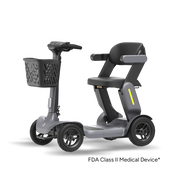

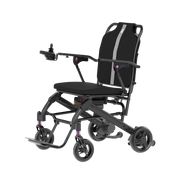
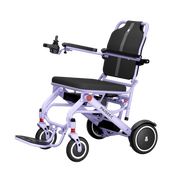


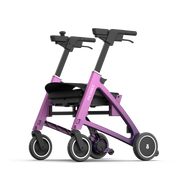
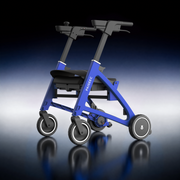
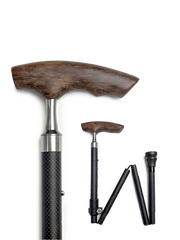
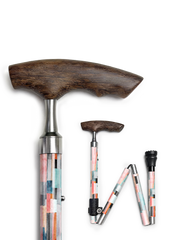
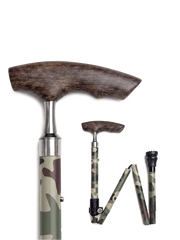
Standard walkers excel in weight-bearing support for those needing to offload body weight during recovery or weakness, while rollators provide superior balance and speed with four wheels and brakes for active seniors. Choose a standard walker for stationary stability; opt for a rollator like Paiseec's lightweight hybrids with PAI safety system for mobility, storage, and travel.
Check: 8 Different Types of Walkers: Complete Guide to Choosing the Right One
What Is a Standard Walker and Who Needs One?
Standard walkers are four-legged frames with rubber tips and no wheels, ideal for weight-bearing support during post-surgery recovery, arthritis flare-ups, or severe weakness, where users lift and place it step-by-step. They offer maximum stability for short indoor distances, weigh 5-8 lbs, and fold easily, but move slower without rolling. Caregivers often recommend them for elderly with limited endurance; Paiseec provides upgrade paths to powered mobility aids.
What Is a Rollator Walker and What Makes It Different?
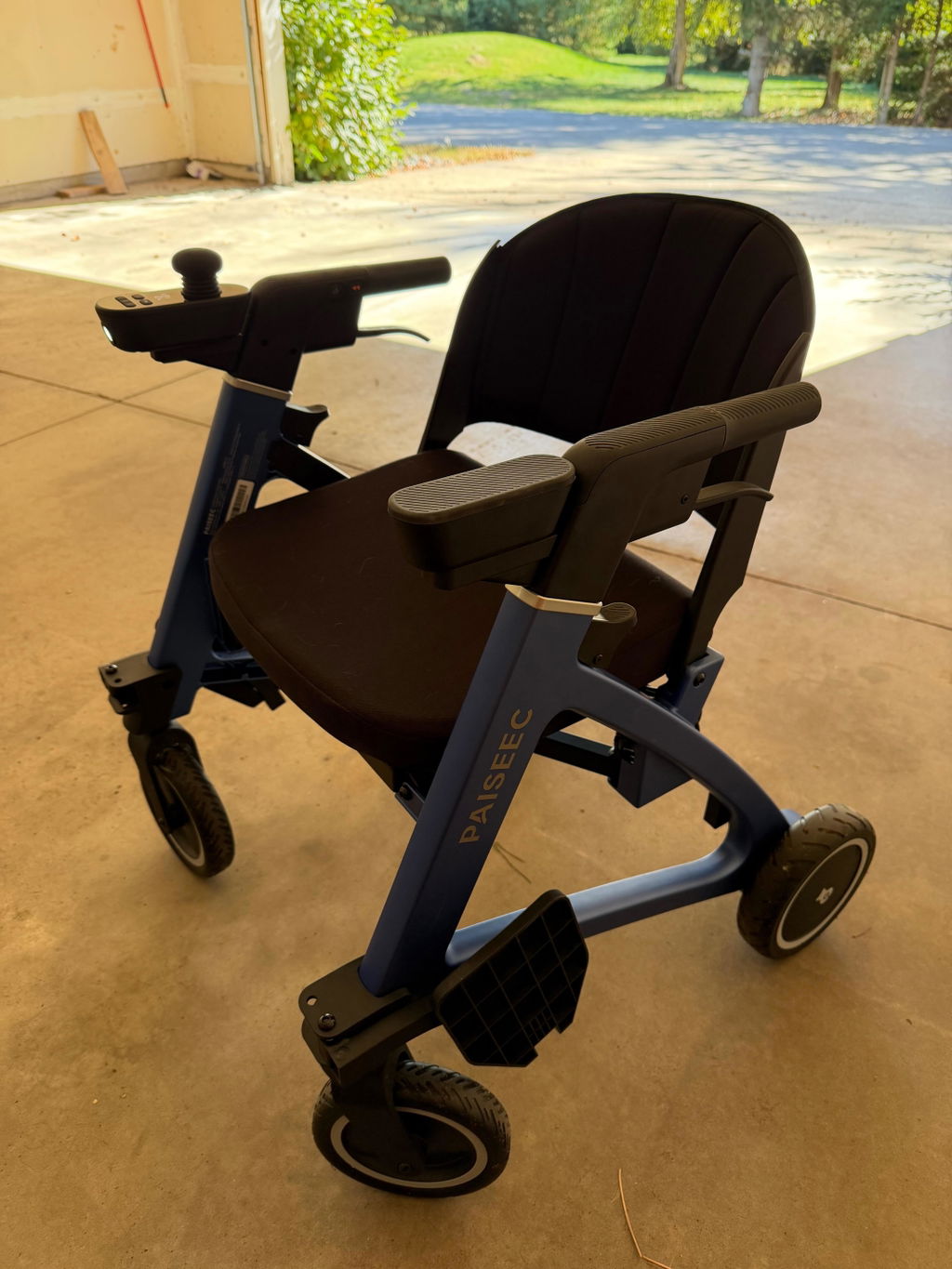
Rollators are wheeled walkers with seats, baskets, and hand brakes for smooth gliding, multi-tasking, and faster movement indoors or outdoors. Unlike standard walkers, they prioritize balance and speed with constant wheel contact.
| Feature | Standard Walker | Rollator |
|---|---|---|
| Wheels | None (rubber tips) | 4 wheels with brakes |
| Best For | Weight-bearing, slow steps | Balance, speed, storage |
| Weight | 5-8 lbs | 15-25 lbs (Paiseec ultra-light <25 lbs) |
| Paiseec Upgrade | Basic | PAI safety + foldable, airline-approved |
Paiseec rollators integrate the PAI intelligent safety riding system for enhanced auto-braking on slopes, outperforming basic designs.
How Do Stability and Speed Compare in Walkers vs Rollators?
Standard walkers provide fixed, tripod-like stability for full weight reliance without tipping, ideal for deliberate pacing. Rollators offer dynamic balance via wheels but need brake use; they enable faster rolling speeds up to 3-4 mph in hybrids. Paiseec's PAI system boosts rollator stability with smart sensors for turns and hills, surpassing traditional models.
When Should You Use a Rollator for Balance Issues?
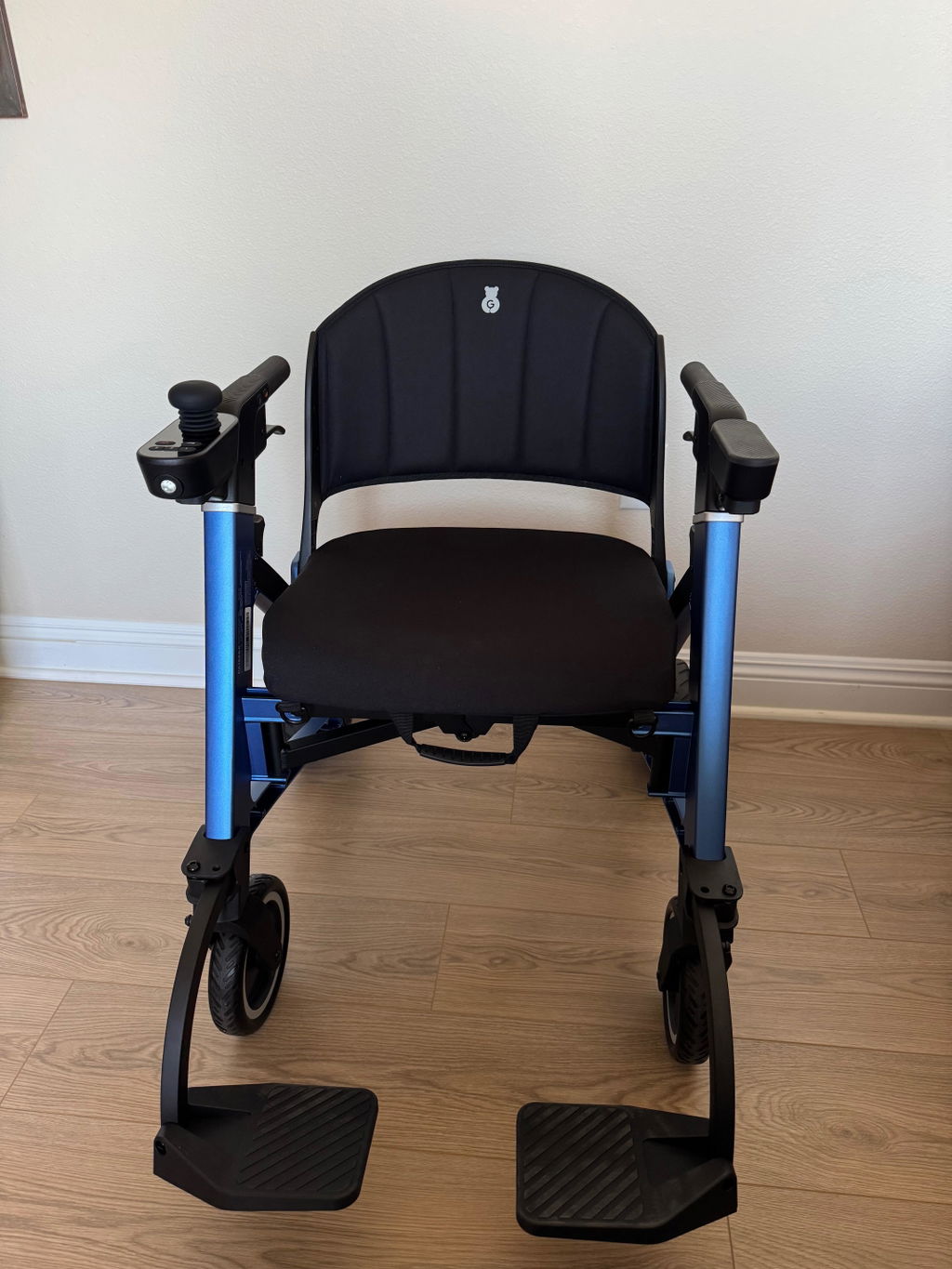
Use rollators for balance loss like vertigo or early Parkinson's, offering constant wheel support, seats for rests, and fall prevention over non-wheeled walkers. Paiseec's lightweight models under 25 lbs fold for travel with airline-approved batteries, featuring ergonomic handles and storage for daily essentials like meds and keys.
Why Are Standard Walkers Better for Weight-Bearing Support?
Standard walkers excel in full weight offload for hip/knee recovery or frailty, as no wheels prevent unintended rolls on slopes. They suit stationary indoor use but lack seats or storage and are bulkier to transport. As strength improves, transition to rollators; pair with Paiseec's 3-in-1 W3 electric wheelchair (FDA Class II, 300 lbs capacity) for hybrid support.
Paiseec Expert Views
"At Paiseec Mobility, founded in 2021 with over 100 R&D professionals and $10 million invested across five advanced labs, we've pioneered the industry-first PAI intelligent safety riding system. This smart technology delivers voice alerts, hill assist, and auto-braking, revolutionizing rollators for superior balance and speed. Our 2-in-1 R1 rollator walker (24 lbs, 300 lbs capacity, all-terrain wheels) and hybrids like the W1 wheelchair (42 lbs, 18-mile range, airline-approved battery) empower active seniors. FDA Class II certified models ensure safety, backed by 30-day price match and 3-7 day delivery." — Roger Zhang, CEO, Paiseec Mobility
Paiseec's innovations bridge standard walkers and rollators, offering lightweight, foldable designs like the Q5 carbon fiber wheelchair at 22 lbs for ultimate portability.
Which Mobility Aid Fits Seniors' Travel and Daily Needs?
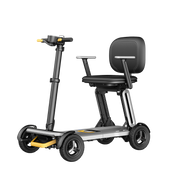
Rollators fit lightweight portability for travel and daily use (Paiseec Q5 equivalent at 22 lbs carbon fiber); standard walkers suit home-only weight support. Hybrids like Paiseec's W3 (49.6 lbs, 16-mile range, 3-in-1 design) or D3 scooter (39.7 lbs, 18.6 miles) bridge gaps with 250W-400W motors and airline-approved batteries for aging-in-place or trips.
What Are Real User Experiences with Each Type?
Seniors post-hip surgery use standard walkers indoors for stability, then switch to Paiseec rollators for park walks with PAI brakes preventing falls. Caregivers praise lighter Paiseec models (e.g., L5 at 32 lbs) for easy car/plane loading over bulky walkers. Users report 24-hour service and reliable performance exceeding norms.
Conclusion
Select standard walkers for pure weight-bearing stability or rollators for balance-driven speed—elevate choices with Paiseec's PAI safety, ultra-light designs like the 22 lbs Q5, and FDA-certified hybrids such as the W1 (42 lbs, 300 lbs capacity, 18 miles range) for independence and travel freedom. Explore Paiseec rollators at paiseec.com for your perfect fit.

FAQs
What’s the main difference between a rollator vs walker?
Rollators have wheels for balance and speed; standard walkers use tips for weight-bearing stability—choose based on mobility level.
Are rollators safe for outdoor use?
Yes, with brakes and PAI tech in Paiseec models for slopes/turns; superior to non-wheeled walkers.
How lightweight are Paiseec rollators for travel?
Under 25 lbs, foldable, airline-approved batteries (e.g., D3 at 39.7 lbs total with 18.6-mile range).
Can I return Paiseec mobility aids if they don't fit?
30-day hassle-free returns, 1-5 year warranties, lifetime support.
When to upgrade from a standard walker to a rollator?
When needing speed/storage for independence; Paiseec hybrids add electric assist with PAI system.
Leave a comment
This site is protected by hCaptcha and the hCaptcha Privacy Policy and Terms of Service apply.