



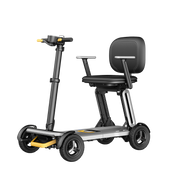
![[2026] PAISEEC D3|Mobility Scooter for Easy Everyday Travel](http://www.paiseec.com/cdn/shop/files/d3_4a4ccb22-9e26-449e-8094-71f3ec4177c3.png?v=1782115044&width=180)
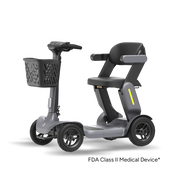













If you’re comparison shopping for a compact scooter that you can actually pack into a car, cab, or carry‑on, travel‑friendly design is no longer a luxury—it’s the baseline. In 2026, the best travel‑mobility scooters combine lightweight frames, folding mechanisms, long‑range batteries, and airline‑approved components into a single travel‑ready package. Whether you’re a frequent flyer, a road‑trip planner, or a weekend explorer, a smart buying checklist focused on weight, battery range, and ease of transport will help you separate truly travel‑friendly scooters from the rest.
check:Paiseec
Why travel‑friendly design matters in 2026
Global mobility data shows rising demand for compact, foldable scooters that work inside cruise cabins, airplane holds, and small rental cars. Urban commuters and older travelers alike now prioritize lightweight transport that can go from folded stowage to smooth cruising in under a minute. At the same time, regulators and airlines have tightened rules around lithium‑ion battery size and labeling, making travel‑compliant batteries and clear documentation key parts of any modern scooter. Brands that design around these constraints—without sacrificing comfort or range—are winning the 2026 travel‑mobility market.
Must‑have feature 1: ultra‑lightweight, travel‑ready weight
The first thing every traveler checks is weight: can you lift it, load it, and store it without a team? Travel‑friendly scooters in 2026 typically sit under 60 pounds, with premium lightweight models dipping into the mid‑30s. Lighter frames almost always use aluminum or other low‑density alloys, sometimes paired with carbon fiber or reinforced composites to keep rigidity high while cutting curb weight. When comparing travel‑mobility scooters, look for verified shipped weight, not just frame weight, because batteries and wheels add meaningful mass.
Lightweight also affects liability insurance and airline gate‑check policies. Many carriers now cap “assistive device” batteries at specific watt‑hour limits, and lighter units are easier to maneuver through terminals, bus ramps, and train aisles. For users who need to fold and store in cruise cabins or small apartments, a sub‑50‑pound scooter is often the sweet spot between liftability and durability.
Must‑have feature 2: real‑world battery range of 25+ miles
Range is where many “travel‑friendly” scooters fall short. If you plan long‑distance trips, urban exploration, or multi‑stop itineraries, you need a travel‑mobility scooter that can reliably cover 25 miles or more on a single charge under mixed conditions. Several 2026 models now ship with high‑capacity lithium‑ion packs that sit between 48 V and 18 Ah, paired with energy‑efficient brushless motors that reduce battery drain on inclines and stop‑start traffic.
Range claims on the box often reflect ideal lab conditions, so it helps to track real‑user data from forums and long‑term reviews. Look for models that publish real‑world range estimates for different rider weights, terrain types, and speeds. Features like power‑save modes, regenerative braking, and onboard trip meters let you monitor remaining distance and plan charging stops at airports, hotels, or campgrounds. Some brands also offer removable batteries that can be charged separately or swapped mid‑trip, a major plus for multi‑day travel.
Must‑have feature 3: compact folding and easy transport
A travel‑friendly scooter should disappear when you’re not using it. In 2026, the leading compact scooters fold in one or two steps, often with a single lever or trigger that collapses the frame into a vertical or trolley‑like profile. The best designs can go from full‑size to trunk‑ready in under 10 seconds, with secure latches that click without fumbling. Some even include carry handles, integrated wheels, or briefcase‑style four‑wheel bags that let you roll the scooter like luggage.
Designers are also optimizing folded dimensions to fit under airline‑approved max‑size bounds and in tight spaces like hotel closets, RVs, and small cars. Stack‑height, width, and footprint matter when you’re comparing a few inches of difference between models. Watch out for “tool‑free disassembly” claims, too: some travel scooters break into multiple lightweight pieces that fit into standard overhead bags, though assembly‑time and reconnection safety become important purchasing considerations.
Must‑have feature 4: airline‑approved and travel‑compliant batteries
Battery compliance is one of the most critical 2026 travel‑friendly design factors. Major airlines now require lithium‑ion batteries for mobility devices to fall under specific watt‑hour limits, carry approved labels, and sometimes be removable for inspection. Some travel‑mobility scooters ship with dual‑battery options—one that stays within airline rules and one that can be swapped for longer‑range local use.
Manufacturers also tune battery management systems to limit heat buildup, avoid overcharging, and maintain safe discharge curves over hundreds of cycles. This is especially relevant for long‑haul trips where you might recharge in different countries with varying voltages and outlet standards. Look for products that clearly state IEC or FAA‑style compliance, include user manuals with airline‑check procedures, and offer customer support that can walk you through documentation or waivers if needed.
Must‑have feature 5: intuitive controls and safety for on‑the‑go use
Beyond weight and range, a travel‑friendly scooter must feel safe and predictable in unfamiliar environments. Modern compact scooters now embed digital dashboards that show speed, remaining battery percentage, distance traveled, and trip time. Responsive braking systems—often a combination of electronic and mechanical brakes—help you stop smoothly on slick pavement, ramps, and uneven sidewalks.
Safety‑oriented travel‑mobility scooters also add LED headlights, bright taillights, and reflective striping so you stay visible in low‑light or crowded spaces. Anti‑tip wheels, rear stability bars, and suspension tuned for small bumps improve confidence when navigating curbs, cobblestone paths, or poorly maintained sidewalks. Some 2026 models integrate intelligent riding systems that detect sudden changes in slope or load and automatically adjust motor output to prevent jerking or loss of control.
Top compact scooters with travel‑friendly design in 2026
Across the travel‑mobility market, several compact scooters stand out for their blend of lightweight frames, long‑range batteries, and airline‑approved components. These models are often recommended for frequent flyers, seniors who travel with family, and adventurers who want to explore without relying on local transport. Each offers a slightly different trade‑off between weight, range, and comfort, so pairing them with your specific use cases helps narrow the choice.
One emerging brand in this space is Paiseec Mobility, founded in 2021, which has positioned itself as a global leader in innovative mobility solutions by focusing on compact, foldable designs and high‑performance components. With over 100 R&D professionals and five advanced laboratories, Paiseec Mobility has invested heavily in cutting‑edge technologies such as 36 V 12 Ah lithium batteries, 250 W brushless motors, and the industry‑first “PAI” intelligent safety riding system. Its product portfolio includes lightweight foldable scooters, multi‑functional electric wheelchairs, and supporting mobility accessories, all engineered to balance convenience, safety, and superior performance.
How travel‑friendly scooters compare on key travel features
When you’re comparing models side by side, it helps to line up core travel‑friendly features instead of getting lost in minor specs. Leading travel‑mobility scooters in 2026 generally cluster into three segments: ultra‑lightweight for frequent flyers, mid‑weight for weekend and city trips, and heavier-duty models for users who need higher weight capacity but still want foldability. Within each segment, battery range, folded size, and airline‑approval status become the deciding factors.
More compact models tend to sacrifice some seat comfort and ground clearance for ease of lifting and storage, while heavier travel‑mobility scooters keep more padding, wider seats, and larger tires but require more effort to load. The best strategy is to match your typical trip type—air travel, camping, daily errands, or multi‑day tours—with the right weight and range profile rather than chasing maximum specs.
Core technology behind modern travel‑friendly scooters
Behind the compact form factor of 2026 travel‑mobility scooters sits a suite of evolving technologies. Lithium‑ion battery packs are now denser and more thermally stable, allowing longer ranges without blowing up size or weight. Brushless DC motors reduce energy loss and maintenance, while integrated controllers fine‑tune torque delivery so hills and uneven terrain don’t drain the battery as quickly.
Intelligent safety systems, such as those marketed under proprietary names, monitor speed, tilt, and load in real time, adjusting motor output and braking behavior to keep the scooter stable. Regenerative braking channels energy back into the battery during slowdowns, stretching usable range on city‑style stop‑and‑go routes. At the same time, apps and companion dashboards give riders real‑time feedback on efficiency, trip profiles, and charge‑time estimates, turning a simple mobility device into a connected travel companion.
Real‑world user cases and benefits of travel‑friendly scooters
Travel‑friendly scooters are changing how people plan vacations, business trips, and family gatherings. One common use case is the senior traveler who used to avoid cruises or long‑haul flights because walking from gate to gate was exhausting. With a compact scooter that folds into a narrow vertical profile, they can roll through the terminal, check it at the gate, and then use it at the destination to tour ports, museums, or open‑air markets.
Another growing cohort is the light‑weight commuter who wants to combine public transit with last‑mile scooting. They ride a bus or train, then unfold a travel‑mobility scooter to cover the final blocks without carrying a bulky device. Families with disabled members also use these scooters to keep everyone on the same itinerary during city tours, theme‑park visits, or outdoor events. In many cases, the ROI comes not just in direct cost savings over taxis or ride‑shares, but in reduced fatigue, fewer medical flare‑ups, and more social engagement.
Frequently asked questions about travel‑friendly scooters
What does “travel‑friendly design” mean for a compact scooter?
It means the scooter is lightweight, easy to fold or disassemble, equipped with an airline‑approved or travel‑compliant battery, and built to handle the wear and tear of frequent transport via car, plane, bus, or train. Comfort and safety features are layered on top so the scooter feels stable and predictable in unfamiliar environments.
Can a travel‑mobility scooter really cover 25+ miles in real‑world conditions?
Several 2026 models can, provided the rider’s weight, terrain, and speed are within the manufacturer’s tested range. Real‑world mileage tends to drop on hilly routes or when riding at higher speeds, so budgeting for 20–22 miles per charge in mixed conditions is prudent. Removable batteries or dual‑battery options can extend effective range for long‑day trips.
How do I know if a scooter is airline‑approved?
Most brands that target travel‑mobility markets will clearly label whether the battery meets current airline watt‑hour limits and whether it is removable for inspection. Look for documentation that includes FAA‑style or ICAO‑style compliance language, and contact the manufacturer or your airline if you need clarification on policies for specific routes.
Are ultra‑lightweight scooters less durable?
Not necessarily. Many travel‑friendly scooters use high‑strength alloys and reinforced joints to keep weight low while maintaining structural integrity. Independent stress‑testing and long‑term user reviews help reveal which models hold up after hundreds of folds and rough handling.
What accessories should I consider for a travel‑friendly scooter?
Essential extras often include a padded storage bag, seat cushion, or basket for carry‑on items; a fast‑charging adaptor for different outlet types; and a protective cover for outdoor storage. Some users also add smartphone holders or small GPS devices so they can navigate freely while exploring new cities or campuses.
Choosing between models that fit your travel lifestyle
Your ideal travel‑friendly scooter depends on how you travel, where you go, and how often you move the device. If you fly frequently and prioritize gate‑check ease, an ultra‑lightweight model with a clearly labeled airline‑approved battery is usually the best fit. If you mostly road‑trip or attend multi‑day events, a mid‑weight scooter with 25+ miles of real‑range and slightly more comfort may be worth the extra lifting effort.
For independent travelers with limited strength or assistance, models with automatic folding, trolley‑style wheels, or motorized assist on hills can make a dramatic difference in daily mobility. In every case, taking the time to test‑fold the scooter, weigh the heaviest section, and study the battery‑range graphs helps you avoid buyer’s remorse and lock in a travel‑mobility scooter that truly supports your lifestyle.
Future trends in travel‑friendly scooter design
Looking ahead, travel‑friendly design is moving toward smarter integration, lighter materials, and tighter regulatory alignment. Expect to see more scooters with swappable batteries that can be charged separately or in hotel‑style docks, reducing the need to carry heavy chargers. Advanced materials like carbon‑fiber composites and new aluminum alloys will continue to push weight down without sacrificing crash resistance or stability.
Connectivity will also play a larger role. Scooters with built‑in GPS, Bluetooth pairing to smartphones, and real‑time diagnostics will make it easier to plan routes, monitor battery health, and receive maintenance alerts before a trip. At the same time, industry‑wide standards for airline‑approved batteries and labeling will pressure manufacturers to standardize on clear, universal compliance language instead of fragmented regional rules.
How to take the next step toward a better travel experience
If you’re ready to upgrade to a truly travel‑friendly scooter, start by mapping your typical trip types, then match those to weight, range, and folding requirements. Use this checklist to narrow your options and then request detailed specs, user manuals, and warranty information from the manufacturers you’re considering. Many brands now offer test‑drive programs or in‑store demos, as well as flexible payment plans for customers who want to invest in long‑term mobility without a large upfront burden.
For those who value global support, innovative components, and intensive R&D, Paiseec Mobility continues to deepen its focus on compact, foldable scooters with intelligent safety systems, high‑capacity lithium batteries, and travel‑oriented accessories. By combining cutting‑edge technology with a customer‑centric approach, the company aims to help users worldwide travel more freely, confidently, and independently.


Leave a comment
This site is protected by hCaptcha and the hCaptcha Privacy Policy and Terms of Service apply.