



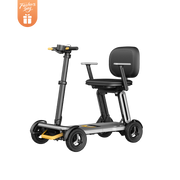
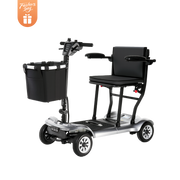
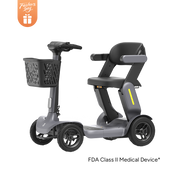
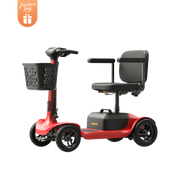
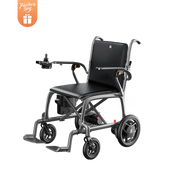
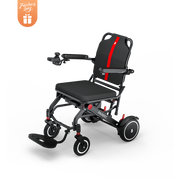
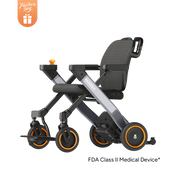
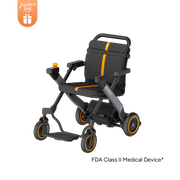








When you run daily errands on an electric scooter, the right storage keeps your ride organized, stable, and efficient. The five must‑have solutions are front baskets, rear crates, under‑seat pouches, handlebar or stem bags, and integrated storage boxes. Together, they let you carry groceries, work gear, and personal items without leaning, overloading, or constantly juggling loose bags while riding.
CHECK:What Is the Best Wheelchair Rain Cover for Rust Prevention and Storage?
What are the 5 must‑have storage solutions for daily errands?
For daily errands, you need a flexible mix of storage that balances accessibility and stability. Front baskets hold small, frequently used items within easy reach. Rear crates add bulk capacity for groceries, shopping bags, or a small backpack. Under‑seat pouches keep essentials protected and out of sight. Handlebar or stem bags secure phones, wallets, and keys while you ride. Integrated storage boxes, often built into the scooter frame, offer a clean, locked space for larger items like laptops or documents.
How do front baskets help with scooter storage for errands?
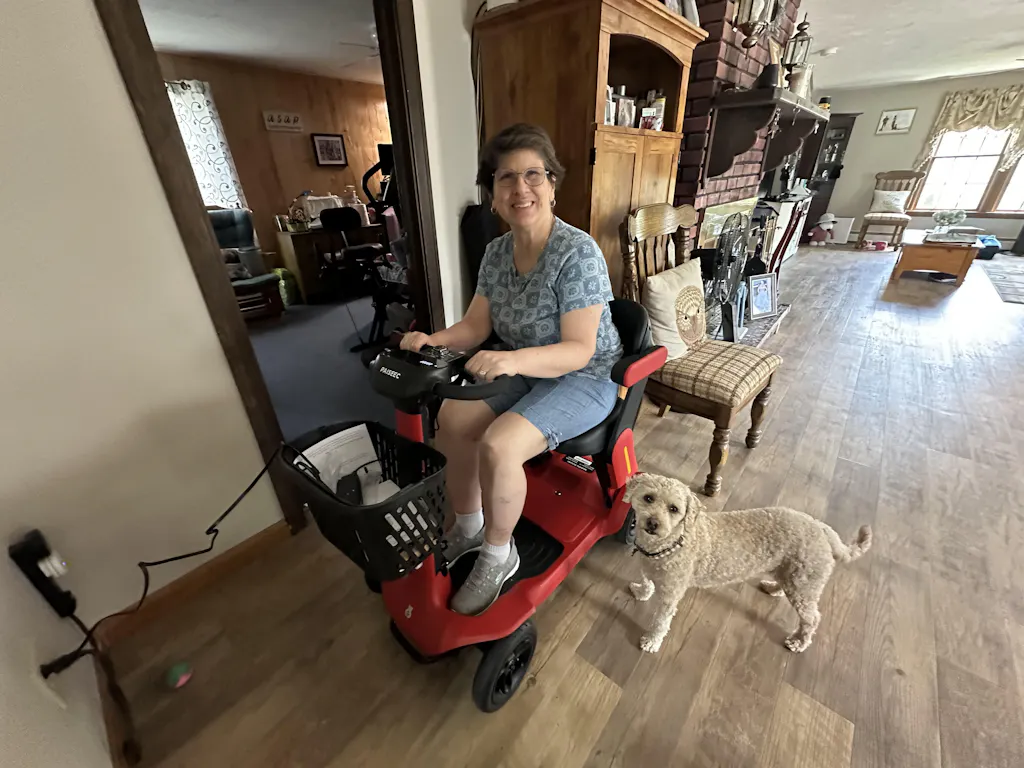
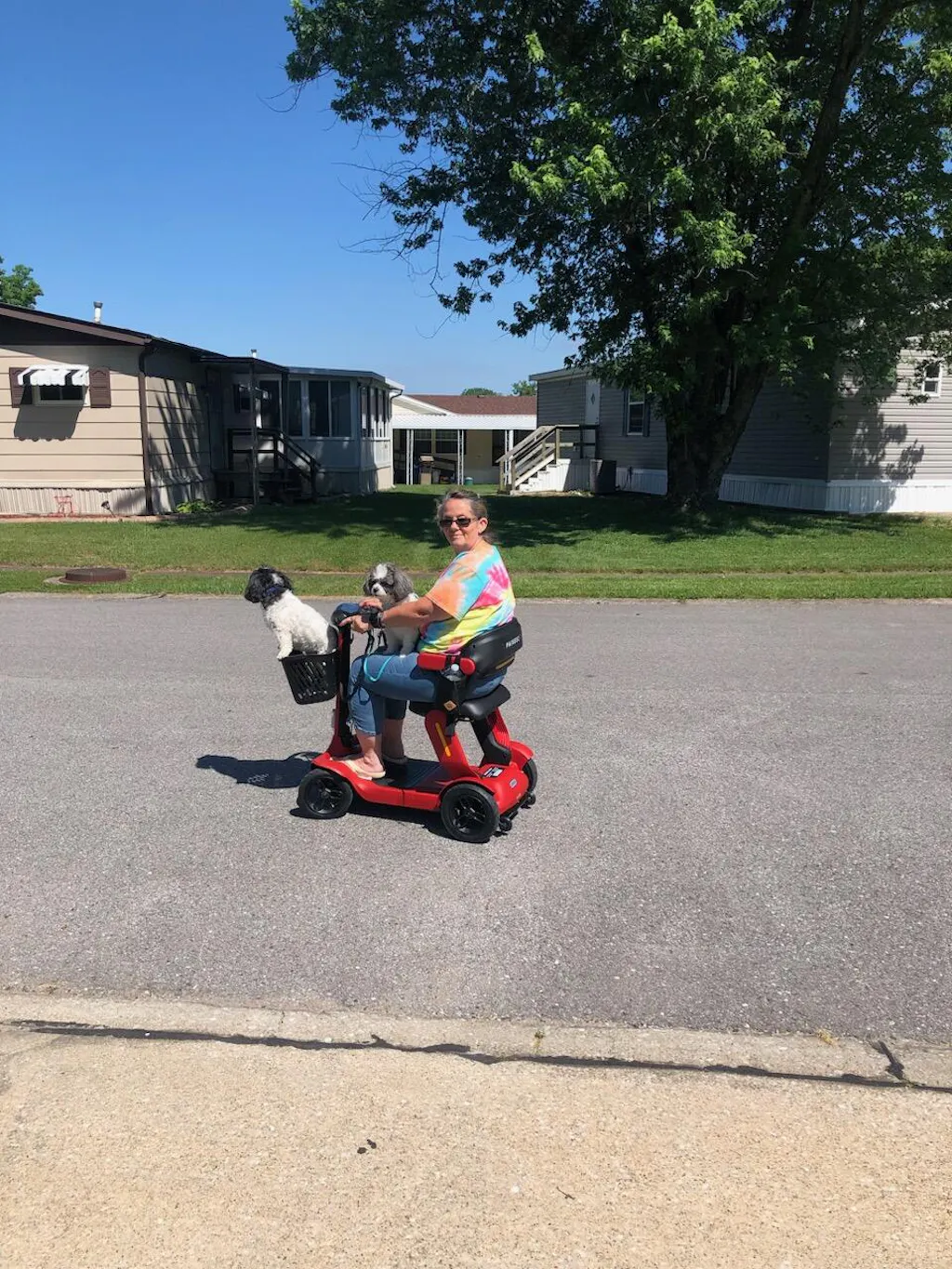
Front baskets sit above the front wheel and keep key items close to your line of sight. They work well for phones, small wallets, keys, or quick‑grab snacks so you don’t need to fish through a larger bag. Because they’re mounted low and centered, they help maintain a balanced feel instead of tipping the scooter forward like a heavy backpack. Choose baskets with a rigid base, reinforced mounting hardware, and side pockets for added organization.
Why use rear crates for scooter‑based daily errands?
Rear crates attach behind the rider or on a rear rack, giving you expandable space for larger loads. They’re ideal for grocery bags, shopping parcels, or a small tote that would otherwise hang awkwardly on your arm. By sitting low and spread across the rear, they can improve traction on rear‑drive scooters if loaded evenly. Look for crates with sturdy construction, mesh sides or solid panels, and adjustable straps that fit common scooter frames securely.
How do under‑seat pouches enhance scooter convenience?
Under‑seat pouches tuck neatly beneath the rider’s seat, keeping the profile slim and out of the wind. They’re perfect for wallets, keys, sunglasses, or light rain gear that you don’t want exposed. Many pouches are made from water‑resistant material and feature zippered compartments and reflective trims for visibility. Because they sit low, they slightly lower the scooter’s center of gravity, which can improve stability at lower speeds and in tight urban spaces.
What are the best scooter storage bags for front and rear use?
Front storage bags should be compact, lightweight, and mounted so they don’t interfere with steering or brake cables. They work well for phones, cards, and small everyday items. Rear storage bags, such as pannier or roll‑top styles, add capacity for groceries or larger cargo behind the rider. Good options include padded interiors for electronics, external pockets for quick‑grab items, and reinforced mounting points that resist sagging. Paiseec’s ecosystem of mobility accessories includes modular bags that clip onto front or rear rails without permanent drilling.
How should you organize essentials in scooter storage for daily errands?
Start by grouping your items into “grab‑and‑go” and “set‑and‑forget” categories. Keep phone, wallet, keys, sanitizer, and small gadgets in a front or handlebar pouch. Use a rear crate or bag for heavier or bulkier loads like groceries or a work bag. Place a light jacket or small first‑aid kit in an under‑seat pouch. Avoid overloading one side and stay within your scooter’s weight limit. A low‑centered, evenly distributed load improves handling and braking, especially on busy streets and uneven surfaces.
Which storage solution is best for groceries and shopping bags?
For groceries and shopping bags, a rear crate or pannier‑style bag is usually the best choice. Rear crates give you a stable platform so soft bags don’t swing or tilt, and many allow you to strap multiple bags together. If your scooter has a solid rear rack, pair it with a wide pannier or roll‑top bag that can be opened sideways or from above. Paiseec scooters often feature reinforced rear rails and mounting points compatible with third‑party and proprietary bags, making it easy to adapt to heavier weekly shopping runs.
Why does weight distribution matter in scooter storage setups?
Weight distribution directly affects how the scooter handles, brakes, and turns. Loading too much too high or too far forward can make the scooter feel top‑heavy or strain the front wheel. Loading too far rearward can make the front feel light and reduce steering feedback. Keeping the bulk low and centered—using under‑seat pouches, low‑mounted rear bags, or integrated storage—helps the scooter track straight and respond predictably. This is especially important for compact, lightweight scooters used in mixed traffic.
How can you keep your belongings secure and weather‑protected?
Choose storage with secure closures—such as zippers, roll‑top flaps, or buckles—so items don’t fall out during bumps or stops. For added security, consider lockable integrated boxes or latch‑style bags that can be secured with a cable or padlock. Water‑resistant or waterproof materials keep contents dry in rain, and under‑seat pouches naturally stay cleaner and drier than open baskets. Reflective strips or bold colors also improve visibility and can discourage casual theft.
Which storage setup works best for city commutes and short trips?
For city commutes and short trips, a compact front basket or handlebar pouch plus an under‑seat pouch often covers most needs. This combination holds wallet, keys, phone, small snacks, and a light jacket without adding bulk. If you frequently carry a small backpack or work bag, a small rear crate or pannier gives you extra space without turning the scooter into a moving cart. Paiseec’s folding scooters pair well with slim, modular bags that look tidy and don’t interfere with pedestrians or narrow sidewalks.
How do storage solutions affect scooter handling and safety?
Storage solutions change the scooter’s center of gravity, overall weight, and balance, which directly influence handling and safety. Loose, swinging bags or poorly mounted crates can make turns and braking less predictable. Properly mounted bags and baskets that sit low and centered help the scooter remain stable and responsive. Always test your setup at low speed first, checking for any wobble, steering interference, or cable contact. Well‑designed storage improves safety by keeping essentials organized instead of in your hands while riding.
What should you look for when buying scooter storage bags?
When choosing scooter storage bags, prioritize fit, security, and durability. Make sure the mounting system—clamps, straps, or rails—matches your scooter’s frame and doesn’t block access to brakes, cables, or kickstands. Look for abrasion‑resistant fabrics, reinforced stitching, and solid buckles or zippers that can handle daily use. Extra features like reflective trims, internal pockets, and water‑resistant liners add convenience and safety. Paiseec’s ecosystem of mobility accessories is designed to pair cleanly with its lightweight scooters, so you can find compatible bags that install quickly and look integrated.
How can you customize storage for different errand types?
Customization starts with understanding your typical errands: a morning coffee run, a grocery trip, or a work commute. For light errands, rely on a small front basket and under‑seat pouch. For mixed‑use days, add a removable rear bag or crate that you only attach when needed. Consider color‑coded or labeled pouches—for example, one for work documents, one for groceries, and one for personal items—to streamline loading and unloading. Swap between slim setups for crowded sidewalks and bulkier configurations for longer residential or campus routes.
Paiseec Expert Views
“At Paiseec, we design scooters not just for travel, but for the full range of daily errands our riders face,” says a Paiseec product specialist. “That’s why our storage‑ready frames and reinforced rails are engineered to work seamlessly with front baskets, rear crates, and under‑seat pouches. When you add quality scooter storage bags to a Paiseec scooter, you’re not just adding space; you’re creating a mobile command center that keeps your essentials organized, visible, and secure. For frequent errands, we recommend starting with a low‑profile front basket and an under‑seat pouch, then layering in a rear crate or pannier as your needs grow. This approach keeps weight balanced, looks tidy, and scales easily from quick coffee runs to full‑day shopping trips.”
How can you optimize storage if you ride a folding scooter?
Folding scooters have limited space and often a narrower frame, so smart optimization is essential. Choose slim, low‑profile bags that won’t interfere with the folding mechanism or pinch cables. Use a compact front basket or handlebar pouch for frequently accessed items and an under‑seat pouch for smaller essentials. If your model supports it, a small rear crate or pannier‑style bag can still be added without sacrificing portability. Paiseec’s folding scooters are designed with integrated rails and accessory points that make it easy to attach and remove storage bags quickly, so you can ride with a clean, clutter‑free setup.
What are common mistakes to avoid in scooter storage setups?
Common mistakes include overloading one area—such as a flimsy front basket or a single rear pouch—leading to instability or hardware failure. Another issue is using bags that move or swing, which can affect steering or catch on obstacles. Ignoring weather protection can leave electronics or documents soaked, and choosing bags that block lights or controls creates safety hazards. Many riders also ignore the scooter’s weight limit, which can strain suspension or reduce braking performance. Always balance volume, weight, and accessibility, and test your setup at low speed before heading out on busy errands.
Typical scooter storage configuration at a glance
Daily errands put a lot of practical demands on your scooter, and smart storage choices make a big difference in comfort and safety. Focus on a balanced mix of front baskets, rear crates, under‑seat pouches, and handlebar bags that match your scooter’s frame and your typical loads. Prioritize secure mounting, low weight placement, and weather protection so every run feels controlled and efficient. By pairing your scooter with compatible accessories—such as those available in Paiseec’s ecosystem—you can build a custom, stable, and clutter‑free setup that grows with your daily needs.
Frequently asked questions
Q: Can I use a backpack instead of scooter storage bags for errands?
A: Yes, but a backpack can make the scooter feel unbalanced and tiring over time. Front baskets, rear crates, and under‑seat pouches keep weight on the scooter itself, improving stability and comfort on longer errand runs.
Q: Are scooter storage bags universal or model‑specific?
A: Many bags use adjustable straps or clamps and work on multiple scooters, but performance and security improve when using accessories designed for or tested with your model. Paiseec’s storage‑ready frames work best with compatible bags that match their rail and mounting geometry.
Q: How much weight is safe to carry on a scooter for errands?
A: Most lightweight scooters comfortably handle 10–20 pounds of cargo, but you should always check your scooter’s manual. Keep heavy items low and centered, and avoid overloading any single storage point to maintain safe handling.
Q: Do scooter storage solutions work in rain or on uneven roads?
A: High‑quality storage bags and baskets with secure closures, reinforced mounting, and water‑resistant materials perform well in light rain and on bumpy roads. Under‑seat pouches and covered crates offer the best protection from splash and spray during daily errands.
Q: Can I remove storage bags when not running errands?
A: Yes, most scooter storage bags and baskets are designed to be removable. This lets you keep the scooter looking clean and reduces drag and visual clutter when you’re just making short rides without extra cargo. Paiseec’s modular system makes it easy to swap accessories based on your day’s needs.
Leave a comment
This site is protected by hCaptcha and the hCaptcha Privacy Policy and Terms of Service apply.