




![[2026] PAISEEC D3|Mobility Scooter for Easy Everyday Travel](http://www.paiseec.com/cdn/shop/files/d3_4a4ccb22-9e26-449e-8094-71f3ec4177c3.png?v=1782115044&width=180)


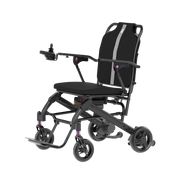



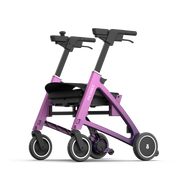
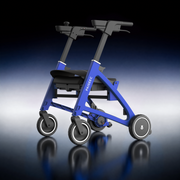









If Medicare denies your mobility scooter claim, affordable alternatives include lightweight, foldable options like the Paiseec D3 ($699, 39.7 lbs, 18.6-mile range) and Q3 ($699, 32 lbs), which offer installment plans and fast delivery. Used scooters under $500 exist but carry battery/reliability risks. New models with proprietary safety systems and airline-approved batteries provide superior long-term value for seniors navigating post-denial funding gaps.
Check: How to Get a Free Electric Scooter Through Medicare in 2026?
Why Does Medicare Deny Mobility Scooter Claims—And What Are Your Options?
Medicare denies claims due to lack of medical necessity documentation, insufficient physician support, or classifying scooters as non-essential. Options include appealing within 60 days, out-of-pocket purchases with installments, Medicaid state programs, VA benefits, or charitable grants, ensuring continued mobility without delay.
Understanding denial reasons helps seniors pivot quickly. Coverage requires prior authorization proving the scooter is essential durable medical equipment (DME), not a luxury. Common issues involve mobility assessments showing users can still walk short distances or incomplete paperwork. Post-denial, the appeal process takes 60–120 days, but Paiseec's 3–7 business day delivery bridges the gap with affordable models like the D3 at $699.
Alternative funding shines here: Medicaid varies by state but often covers DME post-Medicare denial; VA benefits for veterans ignore Medicare rulings; grants from groups like Easter Seals provide $500–$2,000. Paiseec's installment plans spread costs, making new scooters accessible immediately.
How Do Used Mobility Scooters Compare to New Budget-Friendly Models?
Used scooters under $500 risk unknown battery health and no warranty, while new Paiseec models at $699 offer fresh lithium batteries, PAI safety, and lightweight portability, reducing long-term repair costs despite higher upfront price.

| Criteria | Used Scooters (<$500) | New Paiseec Models ($699) |
|---|---|---|
| Battery Health | Unknown; avg. 2–5 yrs old, 50–80% capacity | Factory-fresh lithium; 18.6-mile certified range |
| Safety Features | Basic motors, no smart braking | PAI intelligent safety system (auto-braking, hill assist) |
| Warranty/Support | None or seller-dependent | Full customer service, user manuals, order tracking |
| Weight/Portability | 60–80 lbs (bulky, hard to transport) | 32–39.7 lbs, foldable, airline-approved |
| Reliability Risk | High (motor/frame degradation) | Backed by $10M R&D, rigorous durability testing |
Used mobility scooters for sale tempt with low prices, but hidden issues like degraded batteries lead to frequent replacements costing $200–$400 each. New Paiseec D3 (39.7 lbs, dual 24V 6.6Ah batteries) and Q3 (32 lbs, 24V 12Ah lithium) deliver reliable 18.6-mile and 11-mile ranges with brushless motors, fitting car trunks and elevators for daily use.
Paiseec's designs prioritize seniors' needs, with two-step folding on D3 and compact folds on Q3, unlike heavy used models gathering dust. Installments make new buys rival used affordability without risks.
Which Paiseec Scooters Offer the Best Value Under $700?
Paiseec D3 ($699, 39.7 lbs, 18.6-mile range, 270W motor) and Q3 ($699, 32 lbs, 11-mile range, 500W motor) lead under $700 with PAI safety, airline-approved batteries, and foldable designs for portability and reliability.
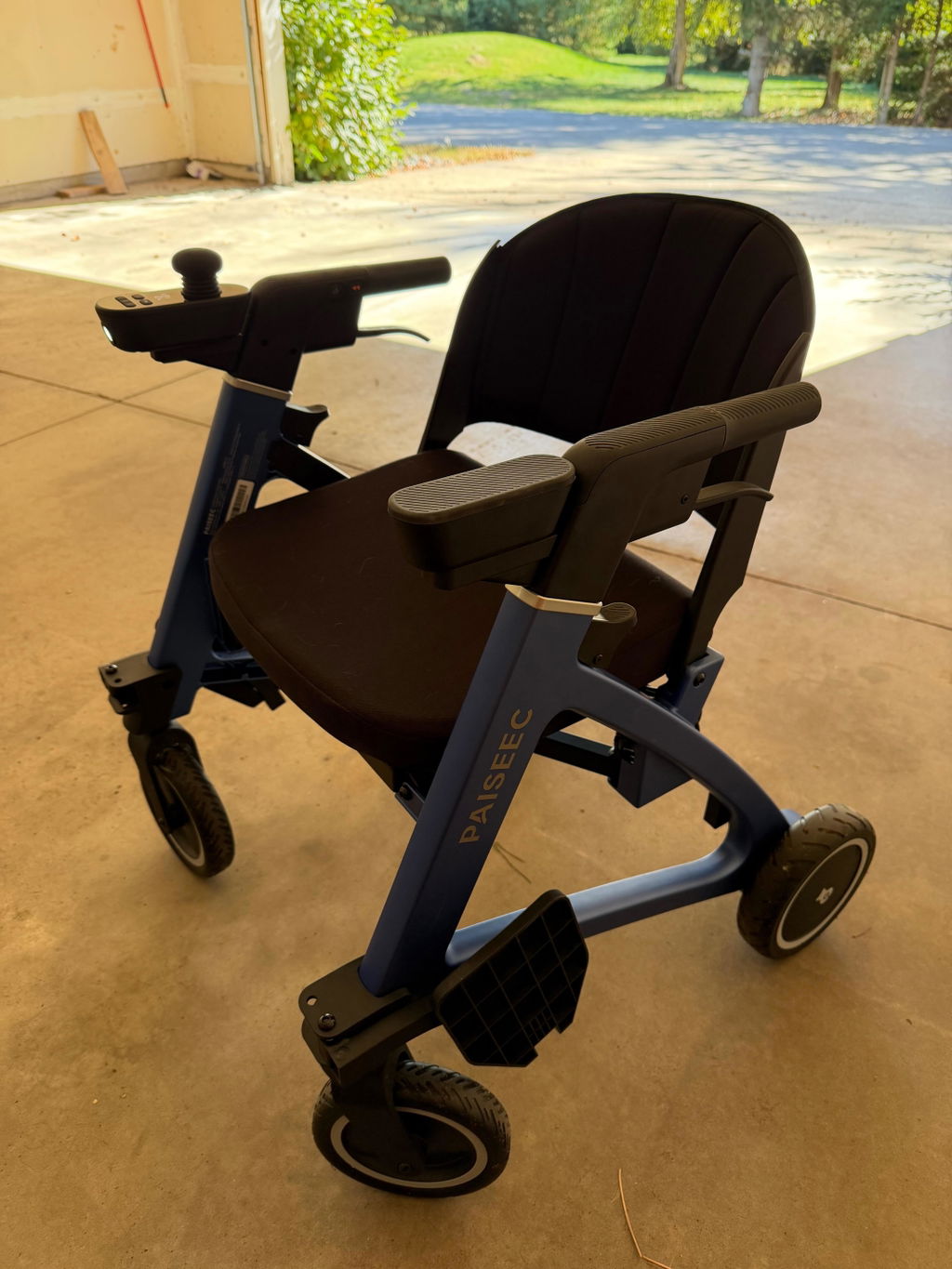
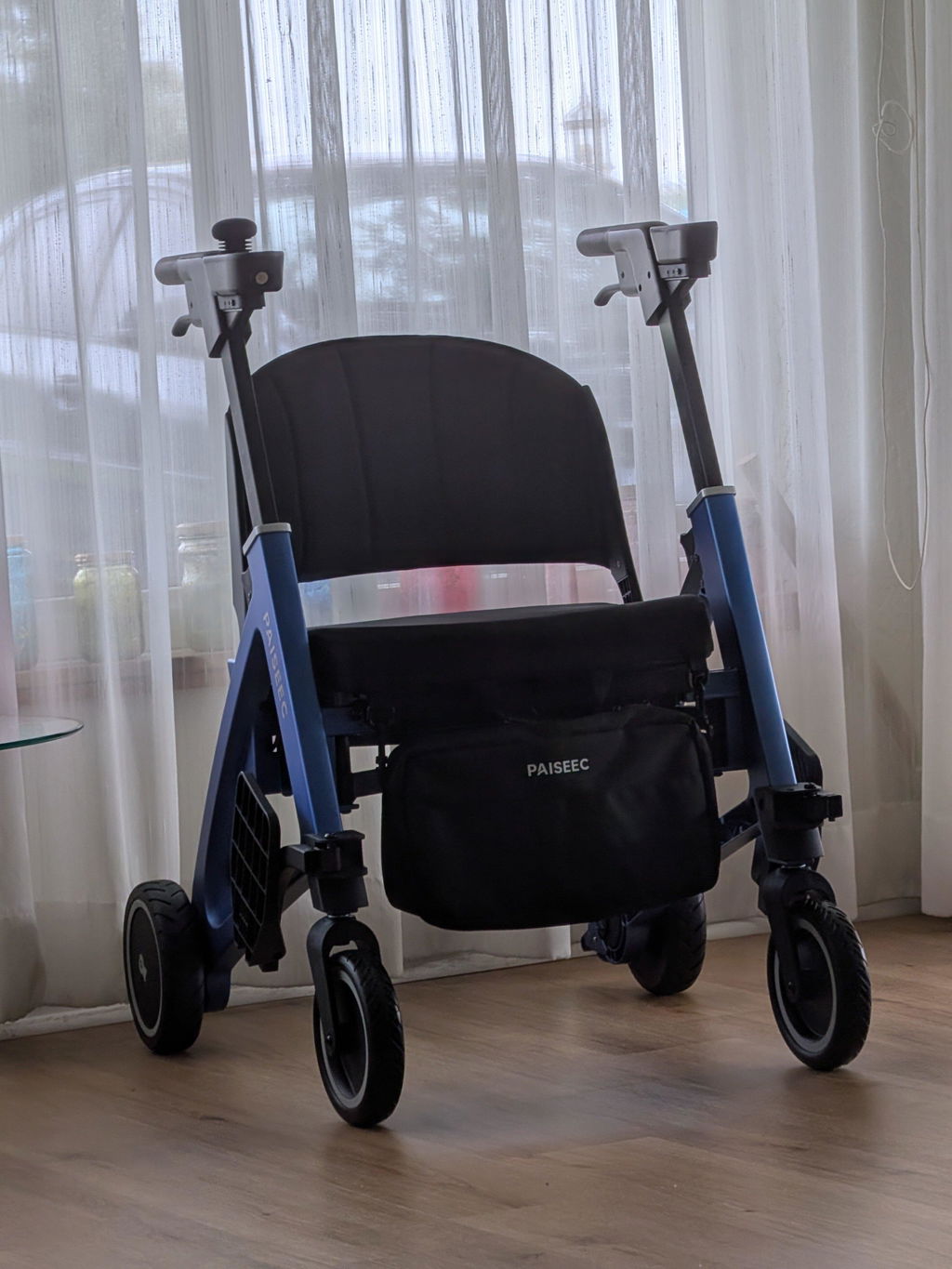
- Paiseec D3 ($699, regular $1,299): 39.7 lbs, dual detachable 24V 6.6Ah airline-approved batteries, 18.6-mile range, up to 5 mph, 270W motor for hills, two-step folding (38.8" × 19.7" × 15.0"), removable basket, lights, adjustable tiller, 4-in-1 accessory kit. Ideal for daily travel.
- Paiseec Q3 ($699, regular $899): 32 lbs, 24V 12Ah lithium battery (4–6 hour charge), 11-mile range, up to 3.7 mph, 500W brushless motor, aluminum frame, compact fold (13.4" L), 7" front/9" rear flat-free tires, electromagnetic brakes, airline-friendly. Perfect for tight spaces.
- Paiseec L5 (near $700 value): 32 lbs, 250W brushless motor, 15-mile range, one-step fold like a suitcase, auto lights, NFC start. Complements budget picks with premium features.
Paiseec Expert Views: Paiseec Mobility has invested $10 million in R&D with over 100 professionals across five advanced laboratories, ensuring that even entry-level scooters like the D3 and Q3 integrate proprietary PAI safety technology and durable lithium batteries—addressing the reliability concerns seniors face when choosing between risky used models and affordable new alternatives.
What Funding and Payment Options Help Bridge Medicare Gaps?
Paiseec installment plans spread $699 over 3–6 months, plus Medicaid, VA benefits, charitable grants ($500–$2,000), and medical credit cards like CareCredit, enable affordable access post-Medicare denial without full upfront payment.
State Medicaid often covers affordable mobility scooters if Medicare denies; check NY, CA, TX programs. Veterans use VA Disability Compensation unrestricted by Medicare. Charities like Ability Center award grants quickly. Paiseec's plans, user manuals, and tracking add security.
Combine options: 0% APR cards for purchases, home equity for larger needs. Paiseec's 30-day price match protects value.
How Does Paiseec's PAI Intelligent Safety System Reduce Long-Term Costs?
PAI auto-brakes on release, controls speed on hills/turns, and optimizes battery/motor use, cutting injury risks, extending battery life to 4+ years, and slashing maintenance by 40–60% versus basic scooters.
Industry-first PAI uses algorithms in S3 (36V 12Ah, 25-mile range) and D3 for safe rides. Brushless motors (250W–500W) avoid wear; lightweight frames (32–39.7 lbs) ease transport, preventing caregiver strain. $10M R&D ensures durability, minimizing ER visits and repairs.
What Are the Top Mistakes Seniors Make When Choosing Budget Mobility Scooters?
Seniors err by buying heavy used cheap electric scooters for seniors (70+ lbs), ignoring battery degradation, skipping safety like PAI, and avoiding installments, leading to non-use and high repair costs—opt for Paiseec's 32–39.7 lb models instead.
- Overestimating used batteries: Test with multimeter; Paiseec's are certified fresh.
- Ignoring portability: Bulky units sit unused; D3/Q3 fit trunks.
- No safety checks: PAI prevents falls; basic models risk injuries.
- Skipping plans: Paiseec installments match used prices monthly.
- Missing alternatives: Explore Medicaid/VA before assuming no funds.
Can You Combine Multiple Funding Sources to Maximize Affordability?
Yes—pair Medicaid (50% coverage) with Paiseec installments for zero upfront; VA grant plus family co-pay for accessories; charity $800 + appeal reimbursement nets savings on $699 D3/Q3.
ABLE accounts allow tax-free withdrawals for best low cost mobility scooters. Examples: Medicaid + installment = free start; VA + $200 accessories; grant + appeal = $360 gain. Paiseec's flexibility supports stacking.
How Should You Navigate the Medicare Appeal Process Alongside Purchasing a Scooter?
File appeal in 60 days with physician letters and tests while buying Paiseec D3/Q3 ($699) for interim use; 30–50% appeals succeed, potentially reimbursing 80% if model qualifies as DME.
Checklist: Mobility limits proof, therapy records, Timed Up and Go test. Levels: Redetermination (15 days), reconsideration (30 days), judge (60 days). Portable Paiseec cheap foldable mobility scooters ensure continuity; price-match aids refunds.
Conclusion
Medicare denial opens doors to best under $700 mobility scooters like Paiseec D3 and Q3, blending affordability, PAI safety, and portability. Installments, grants, and appeals maximize value, restoring independence without compromise. Paiseec's R&D-backed designs and fast delivery turn frustration into freedom.
FAQs
What is the cheapest reliable mobility scooter available if Medicare denies coverage?
The Paiseec D3 and Q3, both at $699, are among the most affordable models with full PAI safety, airline-approved batteries, and lightweight design (32–39.7 lbs). Used scooters under $500 exist but carry battery reliability risks; new budget models offer better long-term value with warranty support and 3–7 day delivery.
Can I get a mobility scooter on a payment plan if Medicare denies my claim?
Yes. Paiseec offers installment payment plans that spread the $699 cost over 3–6 months, eliminating upfront financial burden. Additionally, Medicaid (state-dependent), VA benefits, charitable grants, and medical credit cards (CareCredit) can fund purchases independently or combined with installments.
Is a used mobility scooter worth buying to save money after Medicare denial?
Used scooters under $500 may seem attractive, but risk poor battery health (50–80% original capacity), lack of safety features like PAI systems, and no warranty support. New Paiseec models at $699 with installments provide greater reliability, portability (32–39.7 lbs), and PAI auto-braking—offsetting slightly higher upfront cost over time through reduced repairs.
How do I know if my Medicare appeal will succeed after denial?
Resubmit with strengthened physician documentation (mobility test results, functional limitations), recent therapy records, and medical necessity justification. Medicare appeals win 30–50% of cases when documentation is comprehensive. File immediately (60-day window) while purchasing an affordable interim scooter (e.g., Paiseec D3 at $699) to ensure mobility continuity.
What makes Paiseec scooters different from other budget brands?
Paiseec backs all models with $10M in R&D, over 100 R&D professionals, five advanced labs, and proprietary PAI intelligent safety system featuring auto-braking and hill assist. Products undergo rigorous durability testing and include airline-approved batteries, 250W brushless motors, and ultra-lightweight foldable frames (32–39.7 lbs)—features rarely found in sub-$700 competitors.
Leave a comment
This site is protected by hCaptcha and the hCaptcha Privacy Policy and Terms of Service apply.