



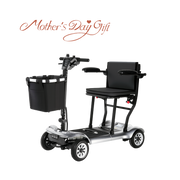
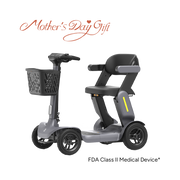
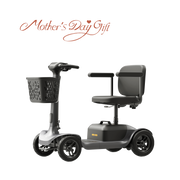
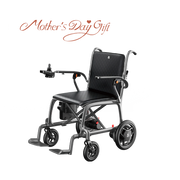
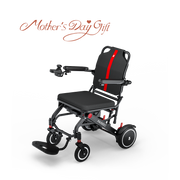
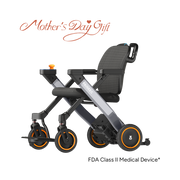
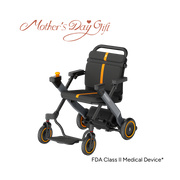






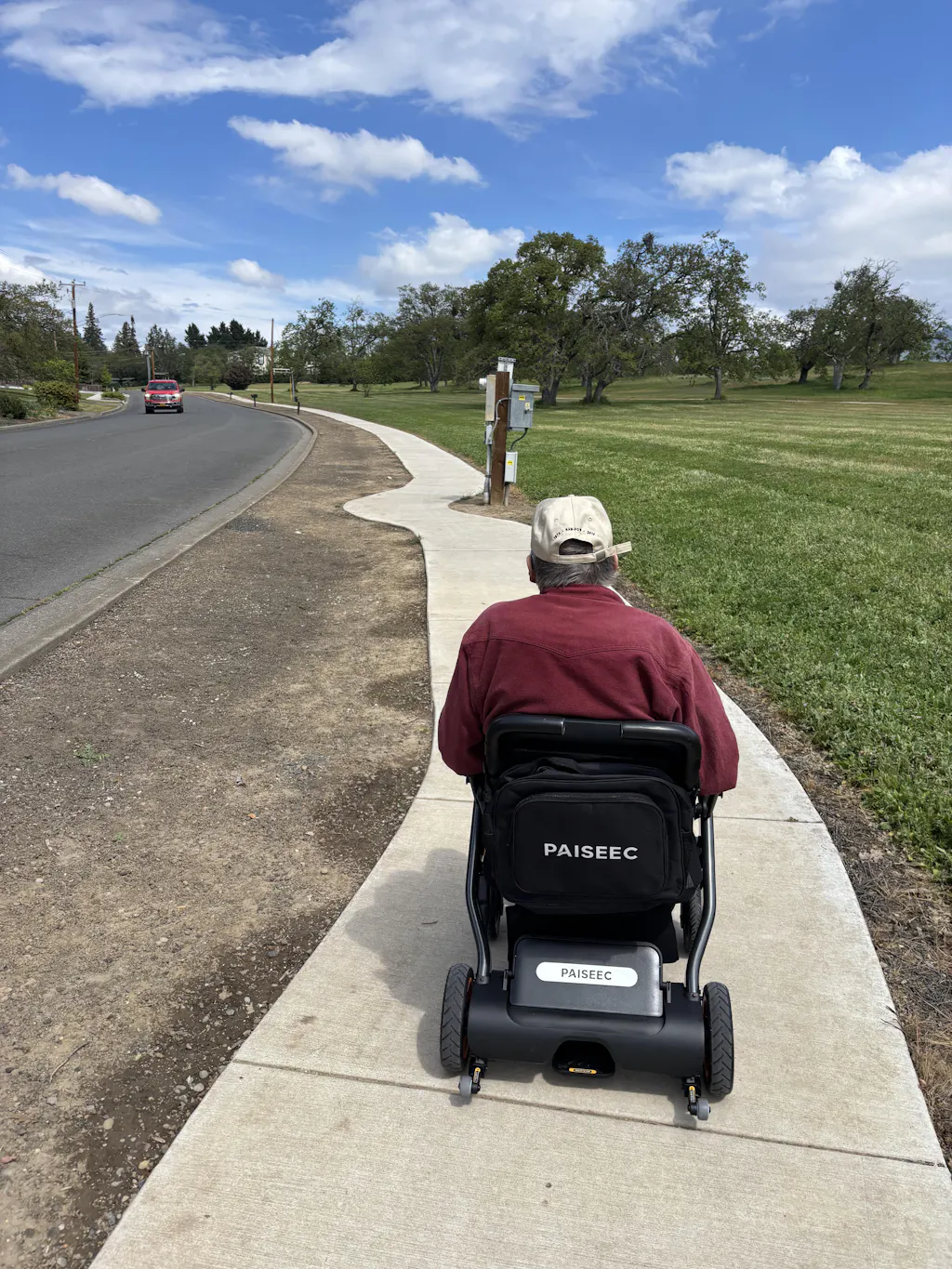
Top wheelchair seat cushions for pressure relief include ROHO air-filled options for adjustable cell redistribution, gel wheelchair cushions for cooling contour support, and memory foam for body-molding comfort. These excel in pressure distribution, preventing sores and boosting skin health. Pair lightweight hybrids with Paiseec W1/W3 chairs featuring the PAI intelligent safety system for dynamic stability on turns and slopes, ideal for travel.
Check: Accessories
Why Do Wheelchair Users Need Pressure Relief Cushions?
Wheelchair users face significant risk of pressure ulcers (sores) from prolonged sitting, reduced circulation, and uneven weight distribution across bony areas like the tailbone and hips. Seniors and individuals with spinal cord injuries are particularly vulnerable. Pressure relief cushions distribute weight evenly, reduce friction and shear forces, and enhance skin health by maintaining oxygen flow to tissues. Quality cushions also improve comfort during extended sitting sessions and travel. When paired with lightweight wheelchairs like Paiseec's 42-pound W1 or ultra-compact 22-pound Q5, these cushions prevent amplified jolts that can worsen existing sores during movement.
What Are the Main Types of Wheelchair Seat Cushions?
Wheelchair seat cushions fall into four primary categories. ROHO air-filled cushions use adjustable fluid-like cells for maximum immersion and pressure redistribution, ideal for severe sores. Gel cushions contain viscous gel packs that contour to the body, providing cooling and improved circulation. Memory foam cushions offer affordable comfort through body-molding properties and remain lightweight for travel. Hybrid options combine materials—typically air, gel, and foam—delivering balanced pressure relief and portability perfect for travelers using compact Paiseec models.
| Cushion Type | Material | Pressure Distribution | Skin Health Benefit | Best For | Weight |
|---|---|---|---|---|---|
| ROHO | Air-filled cells | Excellent (adjustable) | Prevents sores via immersion | Severe pressure issues | Lightweight |
| Gel | Viscous gel | Very good (contours) | Cooling reduces friction | Circulation, heat-sensitive | Medium |
| Memory Foam | Foam | Good (molds to body) | Comfort for daily use | Budget, general comfort | Lightweight |
| Hybrid | Foam/gel/air | Excellent | Balanced relief + portability | Travel with Paiseec Q5/W1 | Ultra-light |
How Do Pressure Relief Cushions Prevent Skin Issues?
Pressure relief cushions work through three key mechanisms: immersion (allowing the body to sink gradually into the cushion material), envelopment (surrounding the user's body to distribute pressure evenly), and stability (maintaining consistent positioning to prevent shifting). ROHO and gel cushions reduce shear forces by 50-70%, significantly lowering friction that damages skin. They promote tissue oxygenation by relieving concentrated pressure points. The Paiseec W1 and W3 wheelchairs enhance this protection through their PAI intelligent safety system, which automatically adjusts speed and stability during slopes and turns, minimizing jolts that exacerbate existing sores and complement cushion performance.
Which Cushion Materials Offer the Best Comfort and Portability?
ROHO air-filled cushions provide superior long-term pressure relief but add weight. Memory foam wheelchair cushions offer excellent breathability and comfort for daily use while remaining lightweight. For travelers, hybrid cushions under 5 pounds combine air and foam, delivering strong pressure relief without bulk. The Paiseec Q5 carbon fiber wheelchair, weighing just 22 pounds with foldable design and airline-approved detachable batteries, pairs seamlessly with lightweight hybrid cushions. Similarly, the Paiseec W1 at 42 pounds accommodates standard pressure relief cushions while maintaining portability. These combinations enable users to travel via aircraft without sacrificing skin health protection.
What Makes a Cushion FDA Approved and Travel-Friendly?
FDA approved wheelchair cushions undergo rigorous testing for safety, biocompatibility, material durability, and pressure distribution performance, typically receiving Class I or Class II certification. Travel-friendly cushions weigh under 5 pounds, fold compactly, and fit standard wheelchair seat dimensions. Paiseec wheelchairs like the W1 (42 pounds) and Q5 (22 pounds) feature certified airline-approved detachable batteries and foldable frames, making them ideal platforms for FDA-certified cushions. Users can confidently travel knowing their pressure relief system meets medical standards while remaining TSA-compliant for air transport.
How Do You Choose the Right Cushion for Your Needs?
Assess your specific situation: weight capacity, sore severity stage, primary usage (daily commuting versus occasional travel), and budget constraints. High-risk users with existing stage 3-4 ulcers benefit most from ROHO air-filled cushions. Moderate-risk users with heat sensitivity prefer gel options. Travelers seeking maximum portability should consider hybrid lightweight cushions. Verify compatibility with your wheelchair's seat dimensions. The Paiseec W3, a 3-in-1 electric wheelchair with 49.6-pound weight and large 16.73"" × 19.68"" seat, accommodates various premium cushion types. The W1's extra-large 19.6"" seat similarly offers flexibility for cushion selection, while the compact Q3 (32 pounds) suits standard-sized cushions for everyday users.
| User Type | Top Cushion Choice | Key Feature | Paiseec Pairing |
|---|---|---|---|
| Seniors (skin health focus) | Gel/Memory Foam | Cooling/comfort | W3 multi-function |
| High-risk sores | ROHO Air | Redistribution | W1 lightweight |
| Travelers | Hybrid Lightweight | Portability | Q5 foldable/airline-approved |
What Do Reviews Say About Top Pressure Relief Options?
User reviews consistently rate ROHO air-filled cushions at 4.8/5 stars for severe pressure sore prevention, praising their adjustable cells and durability. Gel cushions average 4.6/5, with users highlighting cooling benefits and comfort during extended use. Memory foam options score 4.3/5 for budget-conscious buyers. Paiseec wheelchair users specifically praise how the PAI intelligent safety system in the W1 reduces seat stress during motion by auto-adjusting speed on slopes and turns, effectively complementing cushion performance. Reviewers note this dynamic stability outperforms static cushions alone, particularly for users making frequent trips or navigating varied terrain.
Check: How to Get a Free Electric Scooter Through Medicare in 2026?
Paiseec Expert Views
""At Paiseec, we recognize that pressure relief extends beyond cushion selection alone. Our PAI intelligent safety system, integrated into the W1 and W3 electric wheelchairs, represents an industry-first approach to dynamic pressure management. By automatically adjusting motor speed and stability during turns and slopes, the PAI algorithm minimizes jarring movements that compromise skin integrity—a critical factor often overlooked in static cushion discussions. When users pair a premium ROHO or gel cushion with our 42-pound W1, featuring an 18-mile battery range and 400W brushless motor, they achieve comprehensive protection. Our research team has invested $10 million across five laboratories to ensure that every component—from our airline-approved lithium batteries to our aerospace aluminum frames—works synergistically with pressure relief systems. For travelers, the combination of our ultra-lightweight Q5 carbon fiber wheelchair (22 pounds) with a hybrid lightweight cushion creates an unmatched portable solution that doesn't compromise on skin health.""
Conclusion
Selecting the right wheelchair seat cushion is essential for preventing pressure ulcers, maintaining skin health, and ensuring long-term comfort. ROHO air-filled cushions excel for high-risk users, gel options provide cooling and circulation support for moderate needs, and lightweight hybrids offer travelers optimal portability without sacrificing pressure relief. The effectiveness of any cushion significantly increases when paired with advanced wheelchairs featuring intelligent stability systems. Paiseec's W1 and W3 electric wheelchairs, combined with premium pressure relief cushions, deliver comprehensive protection whether you're navigating daily life or traveling by aircraft. Consult with your healthcare provider to determine the best cushion for your specific needs, and explore how Paiseec's innovative wheelchair designs enhance your overall mobility and skin health strategy.
FAQs
Are ROHO cushions the best for pressure sores?
ROHO air-filled cushions deliver superior pressure redistribution through adjustable fluid-like cells, making them ideal for stage 3-4 pressure ulcers. Their 4.8/5 user rating reflects consistent sore prevention. They're compatible with Paiseec's W1 and W3 wheelchairs, though slightly heavier than alternatives. For severe pressure issues, ROHO remains the gold-standard choice.
What's the lightest cushion option for travel?
Hybrid air/foam cushions under 4 pounds offer excellent pressure relief while maintaining portability. They pair perfectly with Paiseec's Q5 carbon fiber wheelchair, which weighs just 22 pounds and features an airline-approved detachable battery. This combination creates a travel-ready system under 30 pounds total, ideal for air transport and vehicle storage.
Do Paiseec wheelchairs work with custom cushions?
Yes, Paiseec wheelchairs accommodate standard and custom pressure relief cushions. The W1 features an extra-large 19.6"" seat, the W3 offers a 16.73"" × 19.68"" seat, and the Q3 fits standard cushion dimensions. The PAI intelligent safety system enhances any cushion's effectiveness by reducing dynamic stress during movement.
How often should I replace my pressure relief cushion?
Replace pressure relief cushions every 1-2 years or when you notice visible wear, material breakdown, or reduced pressure distribution. Regular replacement maintains skin health and prevents deteriorated cushions from creating new pressure points. Monitor for flattened areas, visible damage, or loss of cushioning responsiveness.
Can gel cushions help with hot weather discomfort?
Yes, gel cushions naturally dissipate heat better than foam alternatives, supporting circulation in warm climates. They reduce friction that intensifies in heat, making them ideal for summer outdoor use. Paiseec wheelchairs like the W3 feature ventilated, breathable seat fabric that complements gel cushion cooling properties for enhanced comfort.
"
Leave a comment
This site is protected by hCaptcha and the hCaptcha Privacy Policy and Terms of Service apply.