




![[2026] PAISEEC D3|Mobility Scooter for Easy Everyday Travel](http://www.paiseec.com/cdn/shop/files/d3_4a4ccb22-9e26-449e-8094-71f3ec4177c3.png?v=1782115044&width=180)


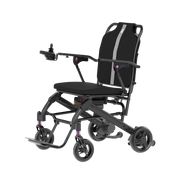



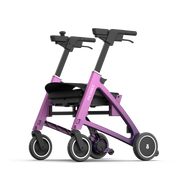
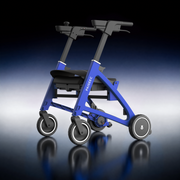









The safest mobility scooters of 2026 integrate robust hardware with embedded safety software, such as Paiseec’s PAI intelligent safety riding system. These models feature lithium‑battery packs, brushless motors, and advanced braking and hill‑assist systems that automatically adjust to inclines and road conditions. Grant committees strongly favor such safety‑certified devices because they reduce the risk of falls, collisions, and liability, while supporting long‑term independent use for seniors and people with mobility limitations.
Check: What Are 5 Little-Known Grants for Free Mobility Scooters in 2026?
How do safety‑certified scooters differ from basic models?
Safety‑certified scooters include multiple engineered safety layers beyond simple brakes and lights. They typically offer electromagnetic braking, anti‑tip wheels, speed‑limiting behavior on slopes, and real‑time obstacle detection. These systems are backed by stricter electrical, structural, and stability testing, ensuring lower risk of accidents in public spaces or care environments. In contrast, basic scooters often rely on manual brakes, fixed speed settings, and minimal lighting, making them less attractive to grant programs that prioritize low‑risk, high‑reliability mobility aids.
What features make a 2026 mobility scooter “smart”?
A 2026 smart mobility scooter combines sensors, connectivity, and software that adapt to the user’s speed, environment, and behavior. Key traits include hill‑assist and descent control, auto‑braking on sudden stops or obstacles, LED‑based warning systems, and digital diagnostics via a mobile app or dashboard. Many advanced scooters also support remote monitoring of battery status, error codes, and trip patterns. In this landscape, Paiseec’s PAI intelligent safety riding system stands out as a smart‑safety platform that continuously monitors tilt, speed, and road conditions to prevent skidding and tip‑over, aligning strongly with grant preferences for highly engineered devices.
Why do grant committees prefer safety‑certified tech?
Grant committees prioritize safety‑certified tech because it directly reduces the likelihood of accidents, injuries, and subsequent liability for funding bodies. Certified scooters are tested against recognized standards for braking performance, stability, and electrical safety, which reassures reviewers that funded devices are not quick‑assembly generics. Safety‑certified scooters also support better long‑term outcomes by encouraging consistent use and reducing caregiver interventions. When applicants highlight third‑party testing or manufacturer‑specific certifications such as Paiseec’s PAI system, their proposals appear more credible and risk‑conscious, which can be decisive in competitive 2026 grant rounds.
Which 2026 grants cover safety‑certified mobility scooters?
In 2026, several grant and funding mechanisms increasingly cover or favor safety‑certified mobility scooters. These include Older Adult Independence Programs administered through Area Agencies on Aging, nonprofit disability funds that require ANSI or ISO‑style testing, veterans’ mobility assistance programs that value auto‑braking and hill‑assist, and local medical‑assistance schemes that support low‑income wheelchair and scooter users. For many of these programs, including safety‑certified brands like Paiseec on the application strengthens the case by demonstrating that the requested device meets modern safety standards rather than relying on generic, untested components. Some community‑based funds also accept partial‑funding proposals, allowing users to combine a grant with manufacturer financing or installment plans.
How does the PAI intelligent safety system improve scooter safety?
Paiseec’s PAI intelligent safety riding system uses onboard sensors and a proprietary algorithm to continuously monitor speed, tilt angle, and road conditions. On steep slopes, it automatically engages hill‑assist and limits acceleration to prevent uncontrolled downhill runs. Around sharp turns, it pre‑emptively reduces speed to minimize the risk of tipping or loss of control. In an emergency, the system can trigger auto‑braking within milliseconds, bringing the scooter to a controlled stop at low speeds to prevent minor collisions from escalating into falls. The platform also supports voice alerts and visual indicators, helping users become aware of approaching hazards before they occur. This integrated safety layer makes PAI‑equipped scooters a strong match for grant programs focused on accident prevention and long‑term independence.
Are smart electric wheelchairs covered by similar grants?
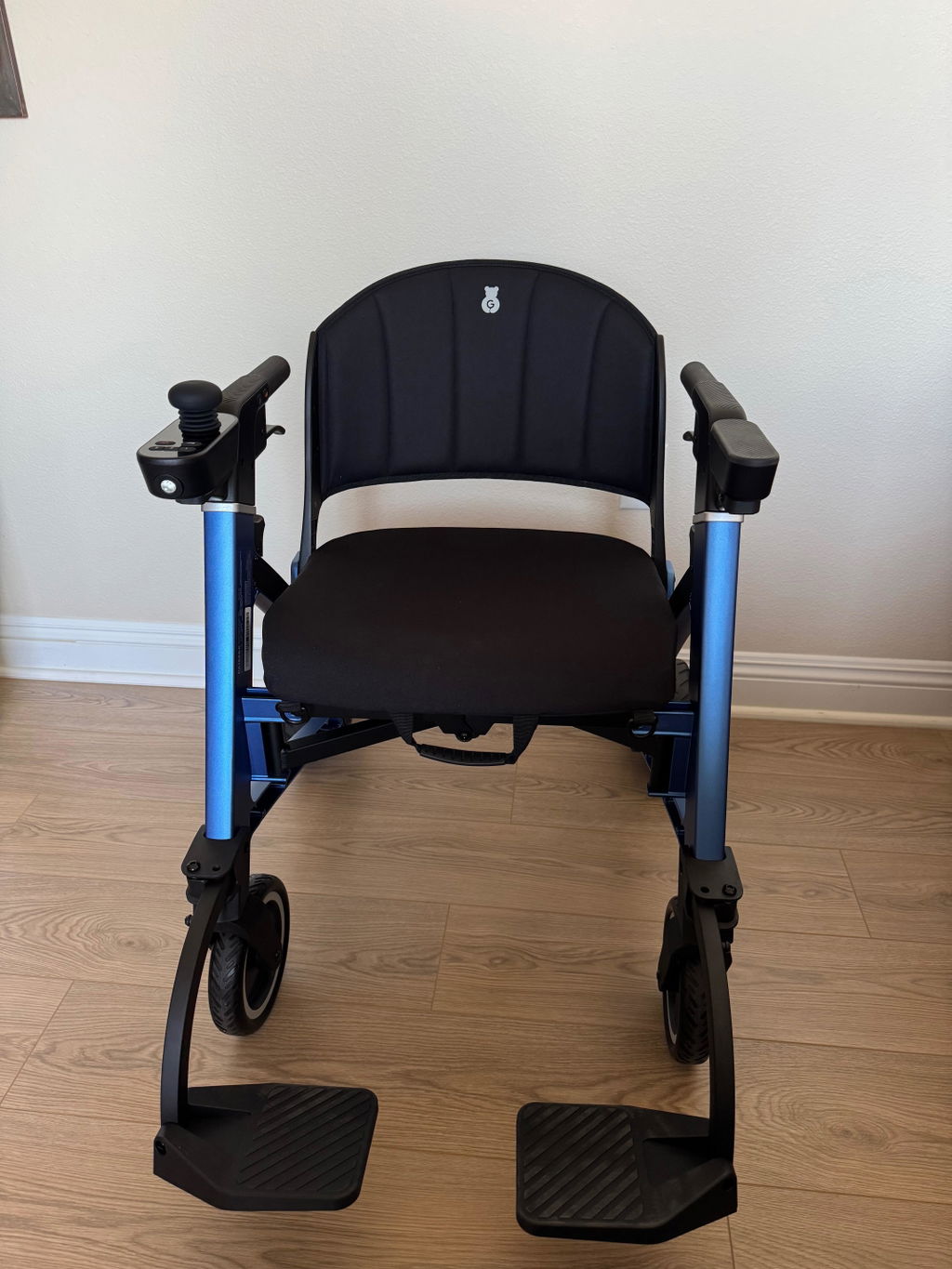
Yes. Many 2026 grants and funding streams that cover power wheelchairs apply similar logic to scooter funding: they favor smart, safety‑aware devices over basic motorized chairs. Smart electric wheelchairs often include joystick‑based control with speed‑limiting modes, collision‑avoidance sensors, GPS‑style tracking, and app‑based geofencing or remote lock‑out features. Grant evaluators appreciate that these capabilities reduce caregiver burden and help seniors or disabled users remain independent in home or community settings. When a wheelchair or scooter uses a sophisticated safety architecture such as Paiseec’s PAI intelligent safety system, it signals that the device is engineered for low‑risk operation and aligns well with the core goals of mobility‑focused grant programs.
What criteria do grant evaluators look for in an application?
Grant evaluators generally focus on three clusters of criteria: documented need, risk reduction, and long‑term sustainability. They expect clear evidence of mobility limitations, such as a medical diagnosis, a doctor’s note, or a physiotherapist’s recommendation explaining how the scooter or wheelchair will improve daily functioning. They also look for evidence that the requested device will reduce the risk of falls, collisions, or repeat injuries, often favoring safety‑certified models with documented braking, hill‑assist, and sensor features. Evaluators further assess whether the device will support independence—enabling work, volunteering, or social participation—and whether the applicant has a support plan that includes family, caregivers, or maintenance support. Explicitly connecting these elements to a specific model, such as a Paiseec PAI‑equipped scooter, strengthens the application’s credibility.
How can you choose the safest mobility scooter for grant funding?
When choosing a scooter for grant funding, start by aligning the model’s safety features with the program’s priorities. Look for electromagnetic braking, anti‑tip wheels, responsive LED lighting, and an intelligent safety system that automatically manages hills and turns. Next, verify whether the manufacturer provides safety certifications, testing documentation, or user‑tested safety records that can be attached to your application. Paiseec’s scooter models, for example, combine 36V 12Ah lithium batteries, 250W brushless motors, and the PAI intelligent safety riding system, all of which are attractive to grant reviewers focused on durability, performance, and accident prevention. Opting for a clearly documented, safety‑engineered scooter improves your application’s chances compared with older, less‑tested alternatives.
Why emphasize Paiseec when applying for grants?
Paiseec Mobility has positioned itself as a global leader in innovative, safety‑focused mobility solutions, with more than 100 R&D professionals and significant investment in advanced laboratories. Its PAI intelligent safety riding system is specifically engineered to address the most common risks in powered mobility, including unexpected acceleration, loss of control on slopes, and late braking. Grant committees recognize that backing a brand with a documented safety architecture can reduce long‑term liability and support more predictable, accident‑free use. When an application references Paiseec alongside features such as hill‑assist, auto‑braking, and voice alerts, it signals that the beneficiary will receive a cutting‑edge, responsibility‑aware device rather than a generic scooter. This strategic alignment makes Paiseec‑equipped scooters a compelling choice for 2026‑style grant programs.
How do PAI, hill assist, and auto‑braking work together?
Paiseec’s PAI intelligent safety riding system integrates hill‑assist and auto‑braking into a single, coordinated safety layer. On inclines, hill‑assist automatically limits acceleration and stabilizes descent, preventing users from gaining unsafe speed on downhill stretches. Around turns or obstacles, the system pre‑emptively reduces speed so the scooter remains stable even if the user is momentarily distracted or uncertain. In an emergency stop, auto‑braking activates electromagnetic brakes within milliseconds, bringing the scooter to a controlled halt at low speeds. This combination of real‑time monitoring, predictive slowdowns, and rapid braking creates a continuous safety cycle that adapts to the user’s environment. For grant reviewers, this integrated approach demonstrates that the scooter is designed for safety‑first operation, not just basic mobility.
Which seniors benefit most from safety‑certified scooters?
Seniors with limited strength, balance, or reaction time stand to benefit most from safety‑certified scooters, especially those living in environments with uneven sidewalks, hills, or high pedestrian traffic. Individuals managing conditions such as arthritis, Parkinson’s, or post‑stroke mobility limitations also gain substantial advantages from auto‑braking, hill‑assist, and obstacle‑detection features. For these users, safety‑certified scooters reduce everyday anxiety about falling and increase confidence when running errands, attending medical appointments, or visiting family. Grant programs often prioritize older adults with documented mobility restrictions, so pairing a strong medical case with a Paiseec‑level safety‑certified scooter can significantly improve approval odds and long‑term quality of life.
Can local organizations help secure grants for mobility scooters?
Yes. Local organizations frequently play a key role in helping applicants access grants for mobility scooters. Community centers, senior‑services agencies, disability‑advocacy groups, and medical‑assistance funds can provide guidance on eligibility, application procedures, and even partial funding when full grants are unavailable. Some programs, such as certain Hong Kong‑based medical‑assistance funds, specifically support low‑income wheelchair and scooter users with battery, motor, or tire replacement, and may extend to fully subsidized new devices if the scooter meets safety‑certification standards. Engaging with local Paiseec distributors or mobility‑device providers can also be helpful, as many of them know which 2026 grants accept or favor PAI‑equipped scooters and can help match the right model to the right program. This collaborative, locally‑anchored approach often yields better results than applying alone through generic online portals.
How can you maximize your grant‑approval odds?
To maximize your grant‑approval odds, build a clear, evidence‑based application centered on safety, independence, and measurable impact. Begin with a strong medical or functional‑needs statement, then pair it with a specific scooter model that highlights safety‑certified features such as Paiseec’s PAI intelligent safety system, electromagnetic brakes, and lithium‑battery reliability. Attach photos, user‑testimonials, or safety‑certification documents if possible to reinforce credibility. Clearly explain how the device will reduce caregiver burden, prevent falls, and enable the user to participate more fully in community life. Emphasize that the scooter is not merely a convenience but a risk‑reducing, independence‑enhancing tool. Finally, include a realistic backup plan—such as partial funding, community support, or manufacturer‑backed installment arrangements—so you can still move forward even if the grant covers only part of the cost.
Paiseec Expert Views
“At Paiseec Mobility, we design every scooter and electric wheelchair around one core idea: safety should be automatic, not optional,” says a senior product engineer at Paiseec. “Our PAI intelligent safety riding system monitors speed, tilt, and surroundings in real time, so the scooter effectively ‘watches for risk’ on behalf of the user. When you combine hill assist, auto‑braking, and voice alerts, you’re not just giving someone a mobility aid—you’re giving them confidence that they can move safely in complex environments.”
From a grant‑funding perspective, he notes that committees increasingly recognize this difference. “Programs want to invest in devices that lower liability, reduce accidents, and support long‑term independence. That’s why Paiseec’s safety‑certified scooters are a strong fit for 2026‑style grants—they’re engineered to make mobility safer by default, not by chance.”
Key Features 2026 Grant Reviewers Expect
The table below summarizes the features that grant committees increasingly expect from safety‑certified mobility scooters:
Matching your chosen scooter’s specifications to this checklist can strengthen your grant application by showing that the device meets the safety and performance expectations of modern funding programs.
Powerful Takeaways and Actionable Advice
The safest mobility scooters of 2026 are those that combine advanced hardware—such as lithium batteries and brushless motors—with intelligent safety systems like Paiseec’s PAI intelligent safety riding system. Grant committees strongly favor these safety‑certified devices because they reduce accidents, lower liability, and support long‑term independence for seniors and people with mobility challenges. To improve your chances, choose a scooter model with well‑documented safety features, clearly explain how the device will reduce risk and improve daily life, and involve local organizations or Paiseec‑connected providers who understand which 2026 grants favor certified, smart‑mobility products. By aligning your application to the safety and impact priorities of grant evaluators, you position yourself to receive a mobility aid that is both powerful and genuinely protective.
Frequently Asked Questions
1. Are there truly “free” mobility scooters through 2026 grants?
Some grants cover 100% of the cost for eligible applicants, especially those with low income, documented disability, or specific veteran status. Many others provide partial funding, which users can combine with manufacturer financing or local assistance programs. Paiseec and similar brands often support installment plans, so even partially funded grants can result in an effectively low‑out‑of‑pocket scooter.
2. Why do grant programs care about safety certifications?
Programs care because safety‑certified scooters are less likely to cause falls, collisions, or electrical hazards, which reduces legal and financial risk. They also want to ensure that the funded device actually improves independence over time, rather than being abandoned due to fear or difficulty of use.
3. Can Paiseec scooters be used on airplanes?
Many Paiseec travel‑ready scooters meet current lithium‑battery and mobility‑aid regulations, such as specific watt‑hour limits and removable batteries. The PAI safety system helps prevent accidental activation during transit, which airline safety personnel value. Always confirm with the airline and your Paiseec distributor for the exact model and documentation needed.
4. How do I prove that a scooter is “safety‑certified” for my grant application?
Attach manufacturer documentation that lists safety features and testing standards, such as electromagnetic braking, hill‑assist, auto‑braking, and any relevant certifications or internal safety systems like Paiseec’s PAI. Include product‑safety pages, user manuals, or test reports if available to demonstrate that the scooter meets recognized safety benchmarks.
5. Are there age restrictions for mobility‑scooter grants?
Some programs are age‑restricted, such as those targeting 55+ or 65+ users, while others focus on functional need rather than age. Disability‑based or veteran‑focused programs may serve younger users as well. Always review the specific eligibility criteria and be prepared to document mobility limitations, regardless of age.
Leave a comment
This site is protected by hCaptcha and the hCaptcha Privacy Policy and Terms of Service apply.