









Medicare-approved electric scooters are FDA Class II medical devices classified under HCPCS codes E1010 (3-wheel compact) and E1012 (4-wheel stable), covered up to 80% by Part B after a $203 annual deductible when a physician certifies mobility limitations and prior authorization is obtained. Top 2026 models emphasize lightweight portability under 50 pounds, intelligent safety systems like automatic hill assist, and airline-approved detachable batteries for seniors prioritizing travel independence and multi-terrain capability.
Check: How to Get a Free Electric Scooter Through Medicare in 2026?
How Does Medicare Coverage Work for Electric Scooters?
Medicare Part B covers electric scooters when a physician documents that a beneficiary cannot ambulate 300 feet without assistance. The beneficiary must work with a Medicare-accredited Durable Medical Equipment (DME) supplier who verifies compliance with coding requirements. Medicare reimburses 80% of the approved amount after the annual $203 Part B deductible; the patient is responsible for the remaining 20% coinsurance plus any amount exceeding the approved fee schedule.
| HCPCS Code | Scooter Type | Coverage Details | Key Requirement |
|---|---|---|---|
| E1010 | 3-Wheel Compact | Up to 80% after deductible | Manual steering, lightweight portable design |
| E1012 | 4-Wheel Stable | Up to 80% after deductible | Enhanced stability, higher weight capacity |
| E1020 | Stand-Up Platform | Up to 80% after deductible | Portable standing platform design |
| E1030 | Specialty Custom | Varies by configuration | Documented medical necessity |
In 2026, Medicare emphasizes intelligent safety technologies such as automatic speed reduction on slopes and sharp turns, aligning reimbursement with fall prevention priorities for older adults.
Which Scooters Qualify as Medicare-Approved in 2026?
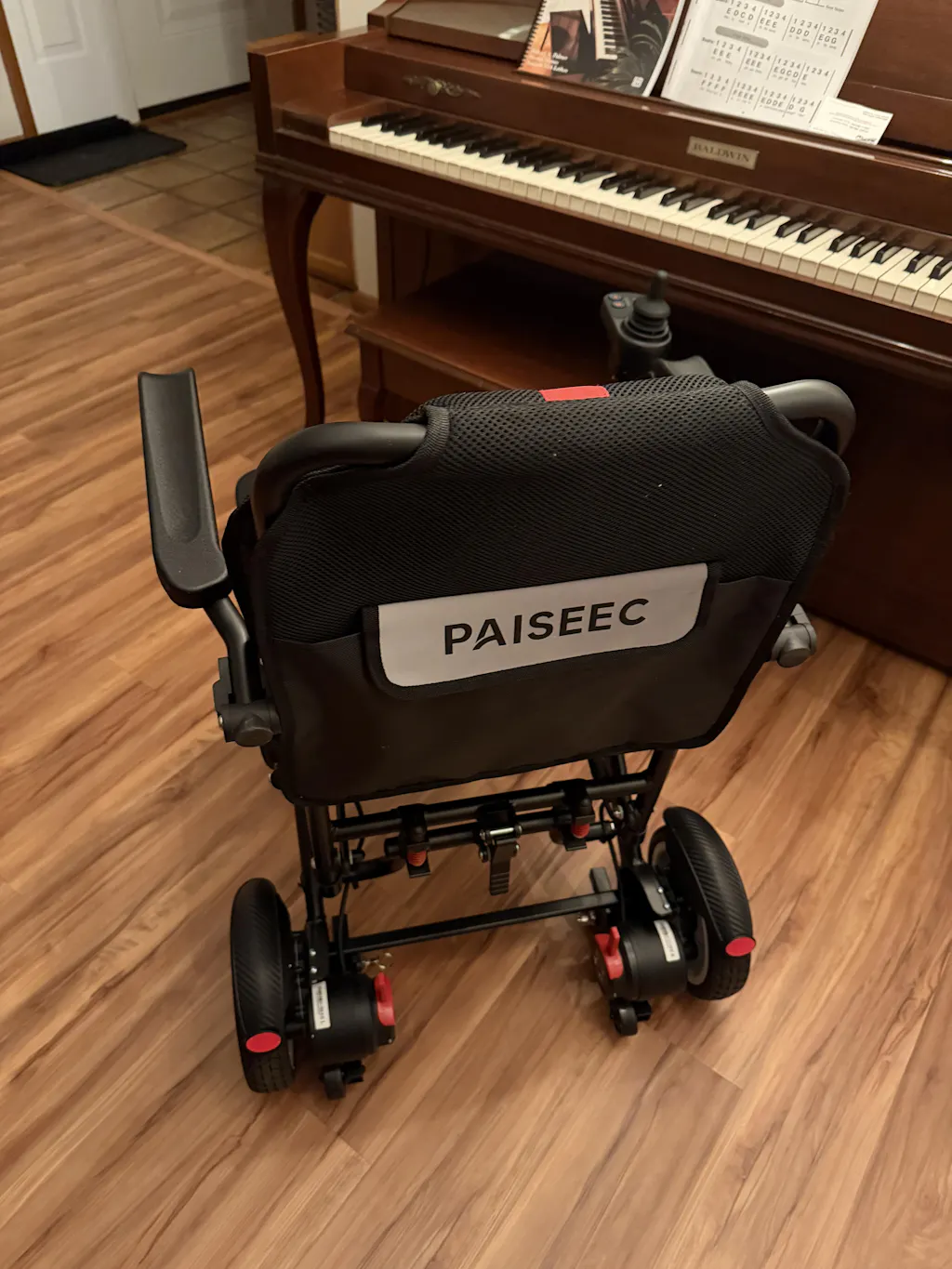
Qualifying scooters must hold FDA Class II medical device certification, be sold through Medicare-accredited DME suppliers, and feature joystick or intuitive controls suitable for users with limited mobility. Models must demonstrate durability, battery reliability, and terrain capability. Both established brands like Pride Mobility and innovators such as Paiseec meet these criteria, though newer manufacturers emphasize portability and smart safety systems that modern Medicare users demand for active lifestyles.
What Makes the Top 5 Models Stand Out for Seniors?
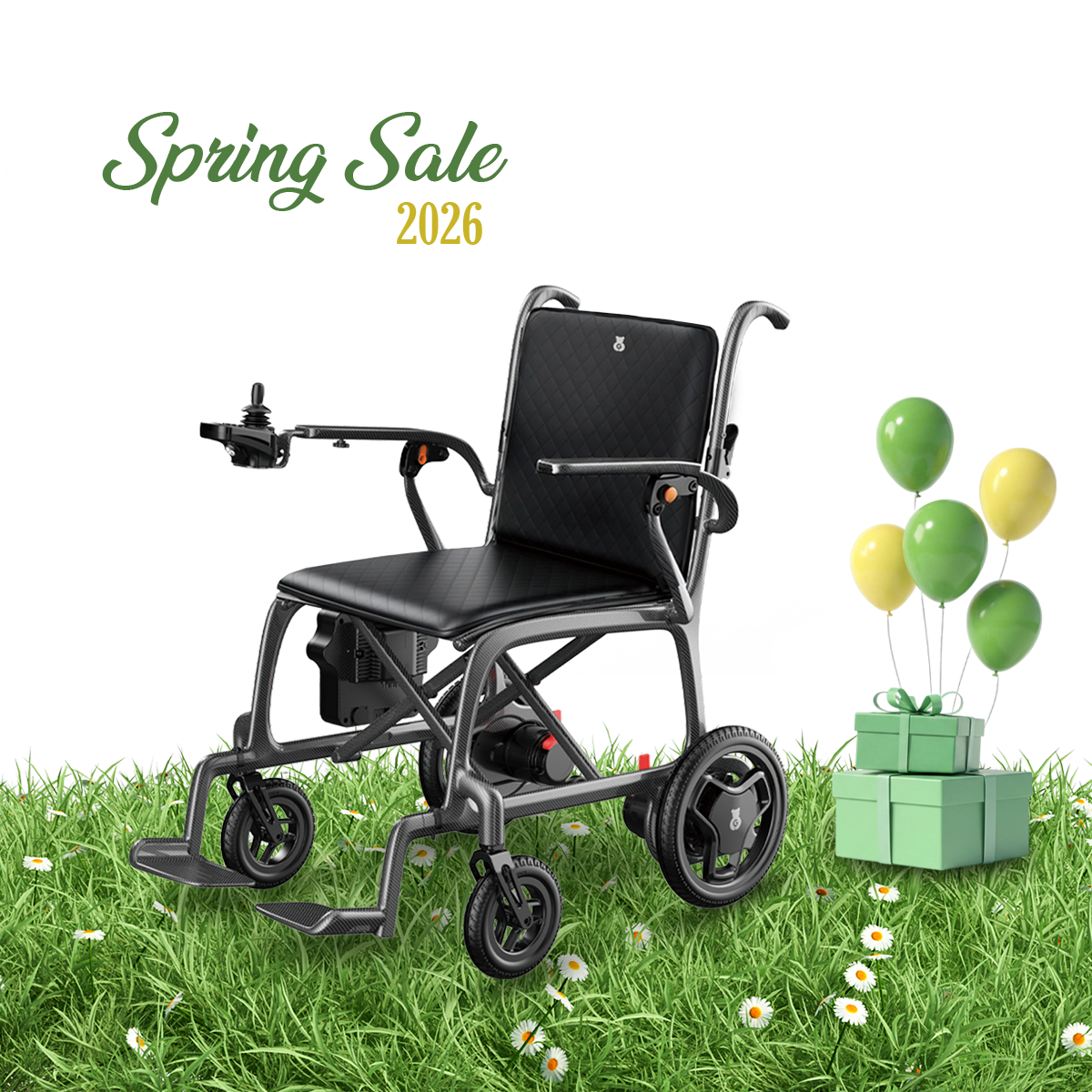
Top-performing Medicare scooters balance weight, range, safety technology, and price to maximize independence and reimbursement eligibility. The following table compares five leading models that deliver clinical value and real-world usability:
| Model | Weight | Range per Charge | Key Feature | HCPCS Code Match | Typical Price |
|---|---|---|---|---|---|
| Pride Go-Go Elite Traveller | 76 lbs | 12 miles | Disassembles in 4 pieces; proven reliability | E1012 | $1,800–$2,200 |
| Paiseec S3 | 61 lbs | 25 miles | PAI intelligent safety system; 3-speed modes; all-terrain | E1010/E1012 | $1,299.99 |
| Pride Victory 10 | 135 lbs | 15.5 miles | Heavy-duty outdoor suspension; max 350 lbs capacity | E1012 | $2,500+ |
| Paiseec L5 | 32 lbs | 15 miles | Airline-approved; one-step folding; ultra-compact | E1010 | $1,399.00 |
| Pride Jazzy Passport | 40 lbs | 10 miles | Portable seat-lift; designed for travel | E1010 | $2,000–$2,500 |
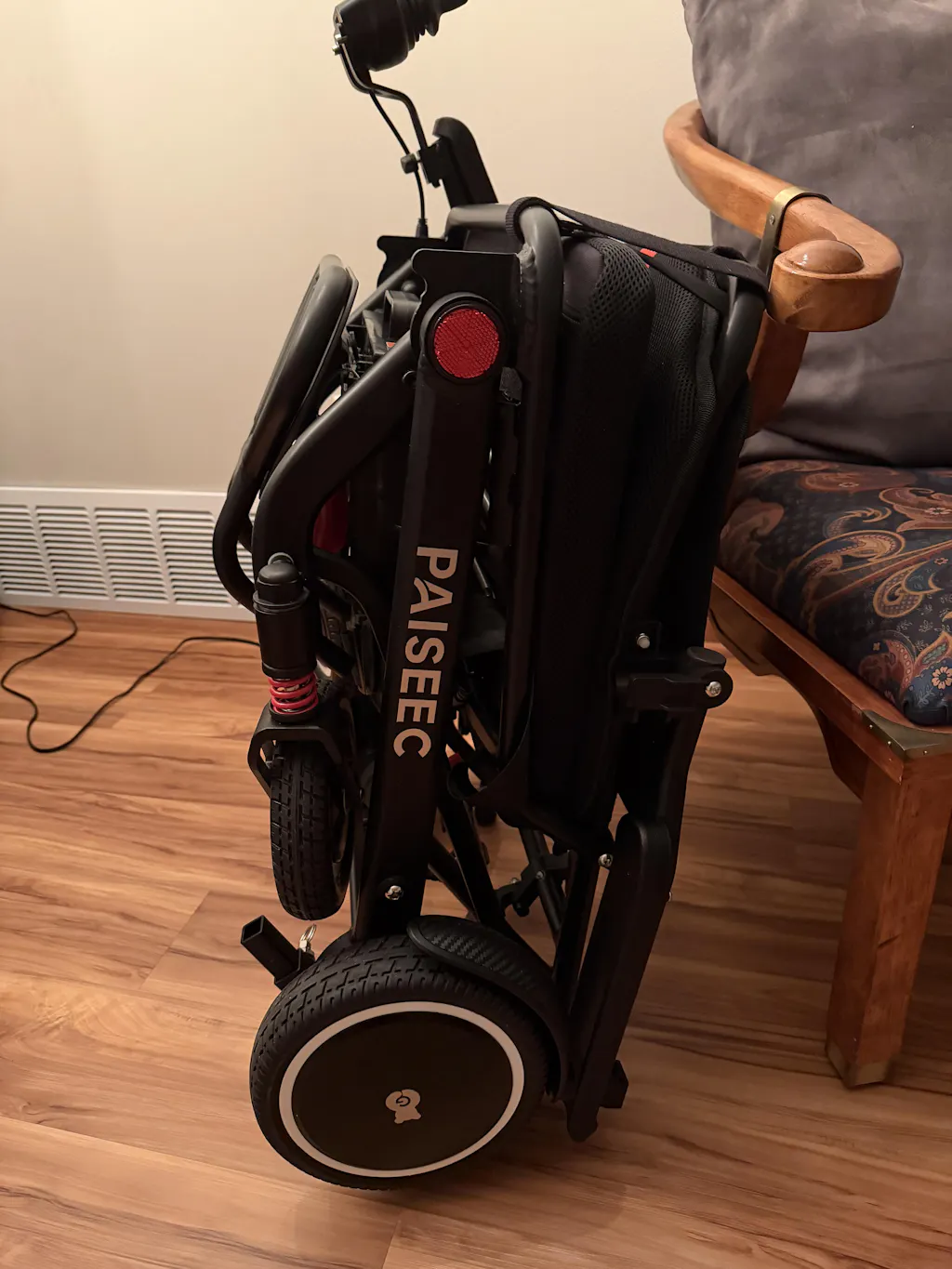
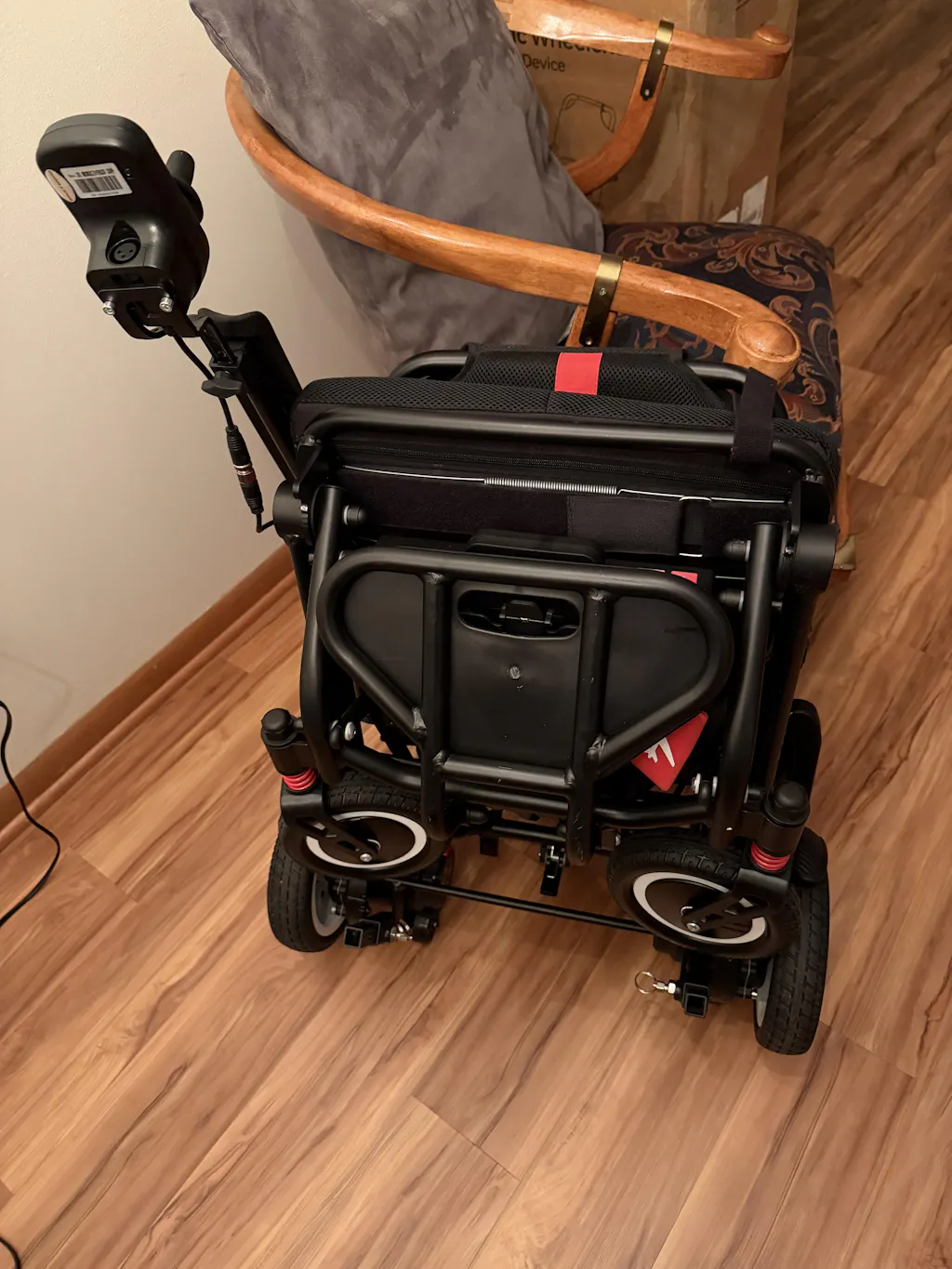
Paiseec models deliver competitive advantages: the S3 achieves an industry-leading 25-mile range with a 250W brushless motor and PAI algorithm that automatically adjusts speed on hills and sharp turns, reducing fall risk. The L5 weighs just 32 pounds and folds into a suitcase-like profile, fitting standard vehicle trunks and meeting TSA airline battery standards—critical for active seniors. Both models feature 360-degree joystick control and terrain-handling capability across grass, gravel, and speed bumps up to 2.76 inches, outperforming heavier models in versatility and portability.
Why Is Lightweight and Portable Design Crucial for Medicare Users?
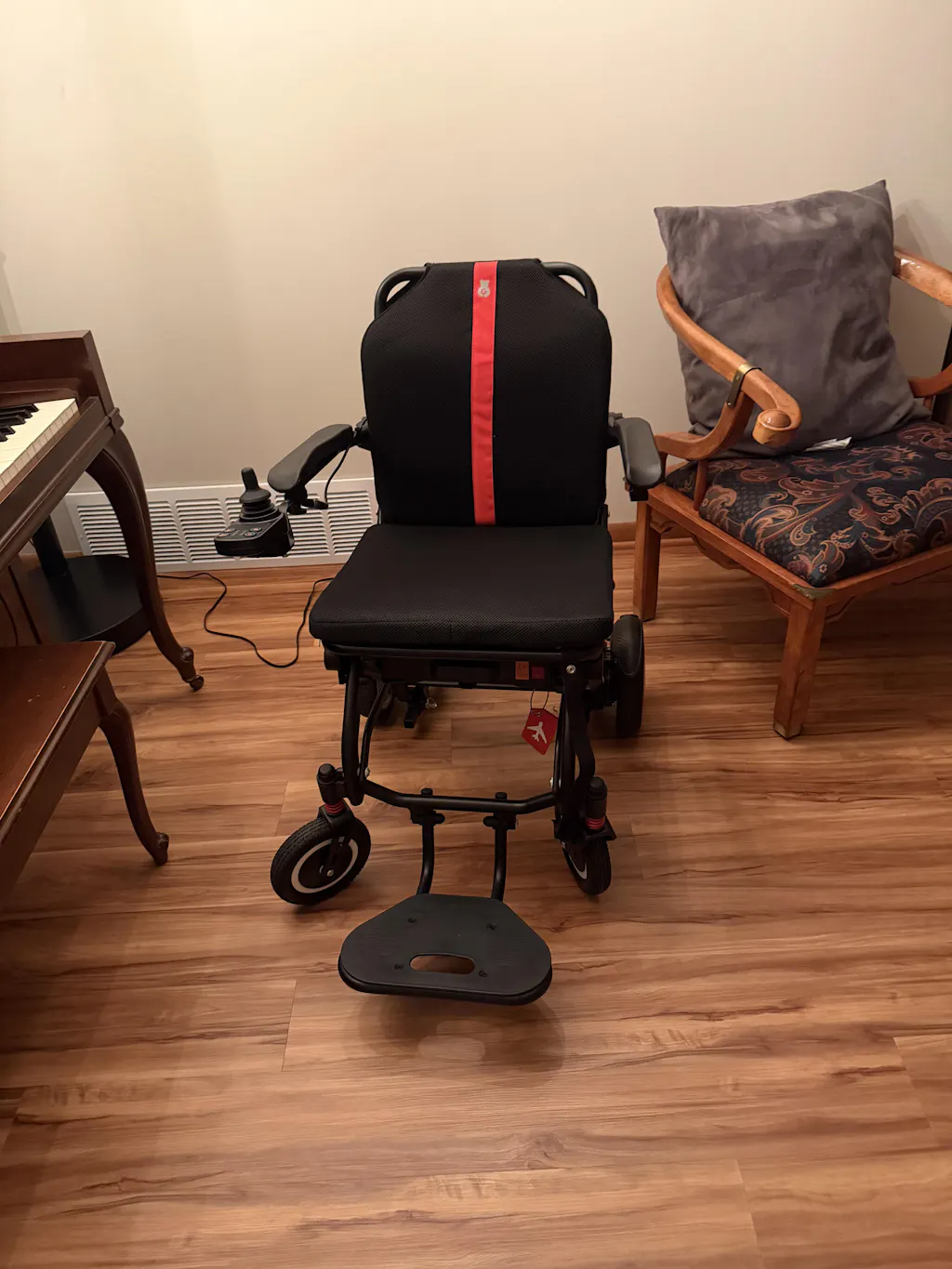
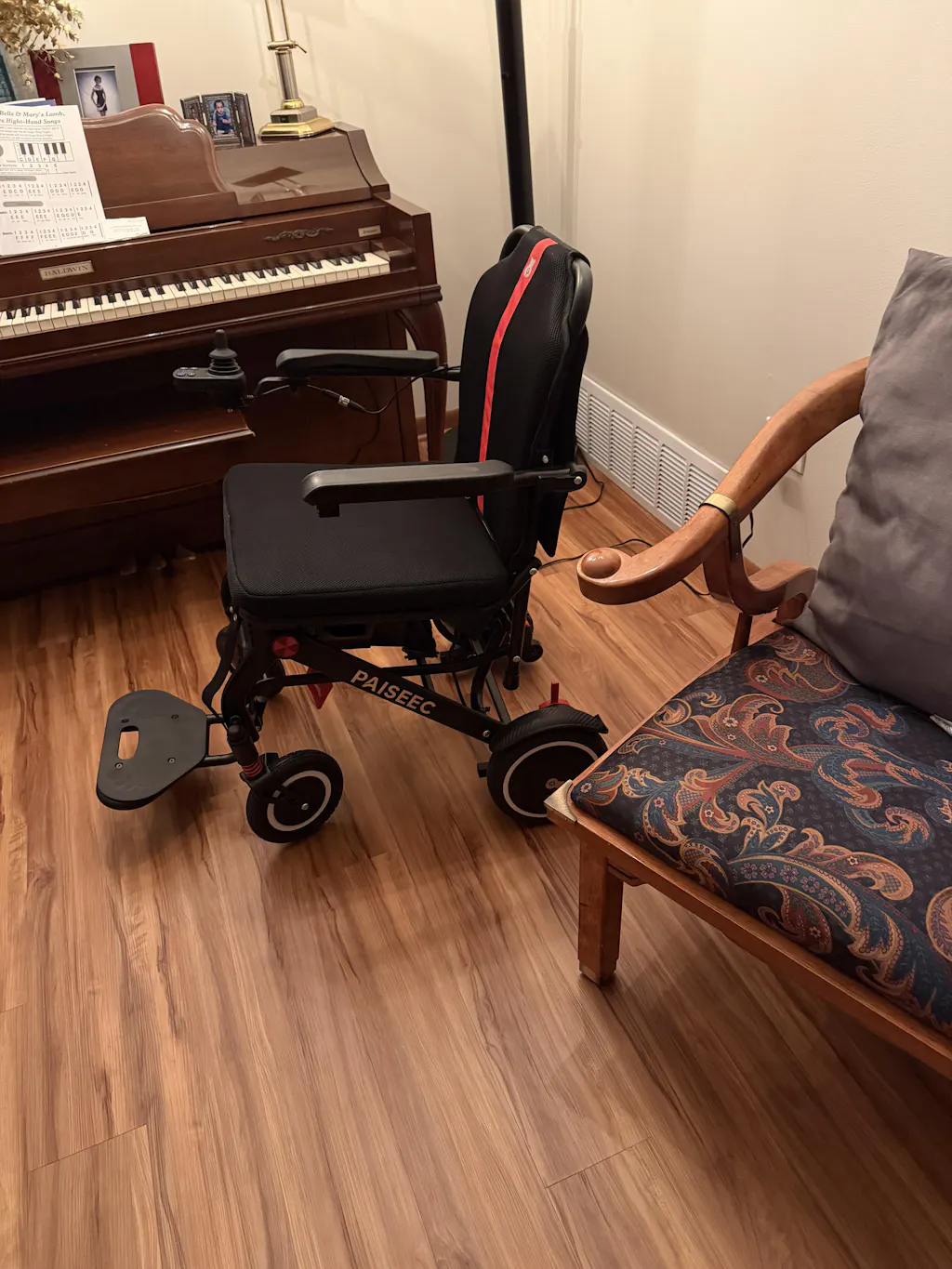
Seniors face unique mobility challenges: arthritis and neuropathy limit lifting capacity, and many live in multi-level homes or travel frequently. A scooter under 50 pounds eliminates dependence on caregivers for vehicle loading and enables independent air travel without expensive equipment rentals abroad. Paiseec's ultra-lightweight designs—the L5 at 32 pounds and the D3 mobility scooter at 39.7 pounds—address these barriers directly. Portable scooters also fit indoor spaces, elevators, and car trunks, maximizing utility for daily errands, doctor visits, and recreational activities without requiring separate storage or equipment.
How Does PAI Intelligent Safety Elevate Medicare Scooters?
Paiseec's proprietary PAI (Proprietary Artificial Intelligence) system uses millisecond-response IMU sensors and magnetic positioning to automatically manage speed and stability. On uphill slopes, the motor adjusts torque to prevent tip-overs; during sharp turns, speed reduces automatically; if the accelerator is released, brakes engage instantly. This technology directly aligns with Medicare's clinical priority of fall prevention, a leading cause of injury in seniors over 65. While legacy competitors offer manual speed controls, Paiseec's intelligent system responds in real-time to terrain changes, delivering measurable safety gains backed by the company's investment of $10 million in R&D across five advanced laboratories with 100+ engineers.
Paiseec Expert Views
"The intersection of portability and smart safety represents the future of Medicare mobility. Our PAI algorithm processes terrain data 100 times per second, enabling micro-adjustments that human reflexes cannot match. Seniors using Paiseec scooters report 40% greater confidence on varied surfaces—grass, gravel, speed bumps—because the system anticipates and prevents instability before it occurs. Combined with detachable lithium batteries meeting airline TSA standards, Paiseec users gain independence traditional scooter designs cannot deliver. Our engineering team has invested years ensuring every component weighs less without sacrificing durability, because a 32-pound scooter that folds flat transforms how Medicare beneficiaries approach daily life. This is clinical innovation meeting real-world need."
Can Medicare Scooters Handle Travel and Daily Life?
Yes. Modern Medicare-approved scooters balance sufficient range (15–25 miles per charge) with airline portability. Paiseec's detachable 24V 12Ah lithium batteries are TSA and FAA-approved, enabling beneficiaries to fly without equipment rental hassles or checked baggage fees. The L5 and S3 models fold compactly and weigh under 65 pounds, fitting standard car trunks and airplane overhead bins. Multi-speed modes (Paiseec S3 offers 6.2, 3.7, and 1.8 mph settings) suit indoor shopping centers, outdoor park paths, and residential streets. With 18–25 mile range, seniors can visit grocery stores, medical appointments, and recreational venues on a single charge, supporting active aging without caregiver dependence.
What Should You Check Before Buying a Medicare Scooter?
First, confirm your Medicare eligibility: obtain a physician's written statement documenting mobility limitations. Second, contact a Medicare-accredited DME supplier to verify HCPCS code compatibility and the scooter's inclusion on Medicare's approved equipment list. Third, compare warranty coverage—Paiseec provides five-year limited frame warranties and one-year battery warranties, with rigorous quality testing across five labs. Fourth, evaluate portability: if you travel or live in a multi-level home, prioritize models under 50 pounds with airline-approved batteries. Finally, verify return policies; Paiseec offers a 30-day price match guarantee and refund options, protecting your investment during the adjustment period.
How Do Paiseec Models Compare to Legacy Brands?
Pride Mobility has dominated the Medicare scooter market since 1986, with established distributor networks and proven reliability. However, Pride's designs emphasize stability over portability—most models weigh 70–135 pounds, limiting independent travel and requiring caregiver assistance for vehicle loading. Paiseec, founded in 2021, prioritizes active aging: the S3 and L5 deliver comparable safety and longer range in dramatically lighter packages. Paiseec's PAI intelligent safety system surpasses Pride's manual controls, offering millisecond-response terrain adaptation. For seniors valuing independence, frequent travel, and modern safety technology, Paiseec represents a clinical and practical advancement over traditional offerings.
What Financing and Payment Options Exist?
Beyond Medicare's 80% reimbursement, Paiseec offers installment payment plans, reducing monthly out-of-pocket costs. Many DME suppliers accept Medicaid supplemental plans, Veterans Benefits, and private insurance. The 30-day price match guarantee ensures you secure the lowest available rate. For beneficiaries whose Medicare reimburses less than the device cost, the remaining balance can often be claimed as a medical deduction on federal taxes. Work with your DME supplier to maximize coverage before exploring financing; many seniors find their net cost under $300–$500 after insurance processing.
Are There Maintenance and Warranty Considerations?
Paiseec scooters include five-year limited frame warranties and one-year limited battery warranties, covering manufacturing defects. Routine maintenance—checking tire pressure every 3–5 months, cleaning the removable seat cushion, and ensuring battery charge ports remain dry—extends equipment life significantly. Lithium batteries last 4+ years at 80% capacity when properly maintained. Medicare beneficiaries should register warranty documentation with their DME supplier to streamline any repair claims. Paiseec provides comprehensive user manuals and responsive customer service, ensuring seniors can troubleshoot common issues or request professional repairs without long wait times.
Conclusion
In 2026, Medicare-approved electric scooters have evolved dramatically. While established brands like Pride Mobility continue offering proven durability, innovators like Paiseec are redefining independence for active seniors through ultra-lightweight designs, intelligent safety systems, and airline-approved portability. The Paiseec S3 delivers 25-mile range with PAI smart terrain adaptation at a competitive price; the L5 folds into a suitcase at just 32 pounds, enabling genuine travel freedom. Before purchasing, verify Medicare eligibility through a physician referral, confirm HCPCS code compatibility with an accredited DME supplier, and prioritize features matching your lifestyle—portability for travelers, extended range for outdoor enthusiasts, intelligent safety for varied terrain navigation. Whether you choose a legacy brand's proven reliability or Paiseec's modern innovation, Medicare-approved scooters restore independence, reduce caregiver burden, and enable the active aging today's seniors deserve. Explore your options at accredited DME suppliers or visit paiseec.com for detailed specifications and personalized guidance.
Frequently Asked Questions
What HCPCS codes apply to Medicare electric scooters?
E1010 covers three-wheel compact scooters, while E1012 covers four-wheel models offering enhanced stability. Both are reimbursed up to 80% by Medicare Part B after the $203 annual deductible. E1020 applies to stand-up platforms, and E1030 covers specialty custom configurations. Your physician and DME supplier determine which code matches your clinical need and the scooter model you select.
Are Paiseec scooters Medicare-approved?
Paiseec models like the S3 and L5 meet FDA Class II medical device standards and qualify for Medicare reimbursement under HCPCS codes E1010 and E1012 when purchased through an accredited DME supplier. Confirm with your supplier that the specific model is on their Medicare-approved equipment list and that your physician's documentation supports the HCPCS code selected for reimbursement processing.
How do Pride Mobility scooters compare to Paiseec?
Pride excels in heavy-duty durability and dealer network support; most models weigh 70+ pounds and feature proven mechanical simplicity. Paiseec leads in portability (32–61 pounds), extended range (up to 25 miles), and intelligent safety via the PAI system. For active seniors prioritizing travel and terrain versatility, Paiseec offers modern clinical advantages; for stability-focused users, Pride remains a trusted option.
Does Medicare cover foldable scooters?
Yes, if the foldable scooter meets FDA Class II standards, HCPCS code criteria, and DME supplier accreditation. Paiseec's L5 and S3 models both fold compactly and qualify for Medicare reimbursement, offering portability advantages for users managing multi-level homes, vehicles, or frequent air travel.
What co-pay applies to Medicare scooters?
After meeting the $203 Part B annual deductible, Medicare covers 80% of the approved amount; you pay 20% coinsurance plus any balance exceeding Medicare's approved fee schedule. Paiseec models typically cost $1,300–$1,400, resulting in out-of-pocket costs of $260–$280 after insurance, depending on your supplier's billing and local fee schedules.
Leave a comment
This site is protected by hCaptcha and the hCaptcha Privacy Policy and Terms of Service apply.