




![[2026] PAISEEC D3|Mobility Scooter for Easy Everyday Travel](http://www.paiseec.com/cdn/shop/files/d3_4a4ccb22-9e26-449e-8094-71f3ec4177c3.png?v=1782115044&width=180)

















The best hybrid wheelchair walker for stroke recovery is the Paiseec W3 3-in-1 electric wheelchair, featuring seamless switches between rollator mode for balance retraining, power wheelchair for mobility, and transport mode for rest. Its PAI intelligent safety system auto-adjusts speed on hills and turns, reducing fall risks with IMU sensors—ideal for post-stroke rehab at 49.6 lbs.
Check: What Makes the Paiseec W3 the Best 3-in-1 Mobility Device?
What Is a Hybrid Wheelchair Walker and Why Is It Ideal for Post-Stroke Rehab?
A hybrid wheelchair walker is a multi-mode device like the Paiseec W3, offering 3-in-1 functionality: rollator for standing balance practice, electric wheelchair for seated mobility, and transport chair for caregiver assistance. It supports stroke recovery phases from hemiparesis to independence by building core strength in walker mode and preventing fatigue in chair mode with PAI system for safe transitions.
How Does Walker Mode Support Balance Retraining After a Stroke?
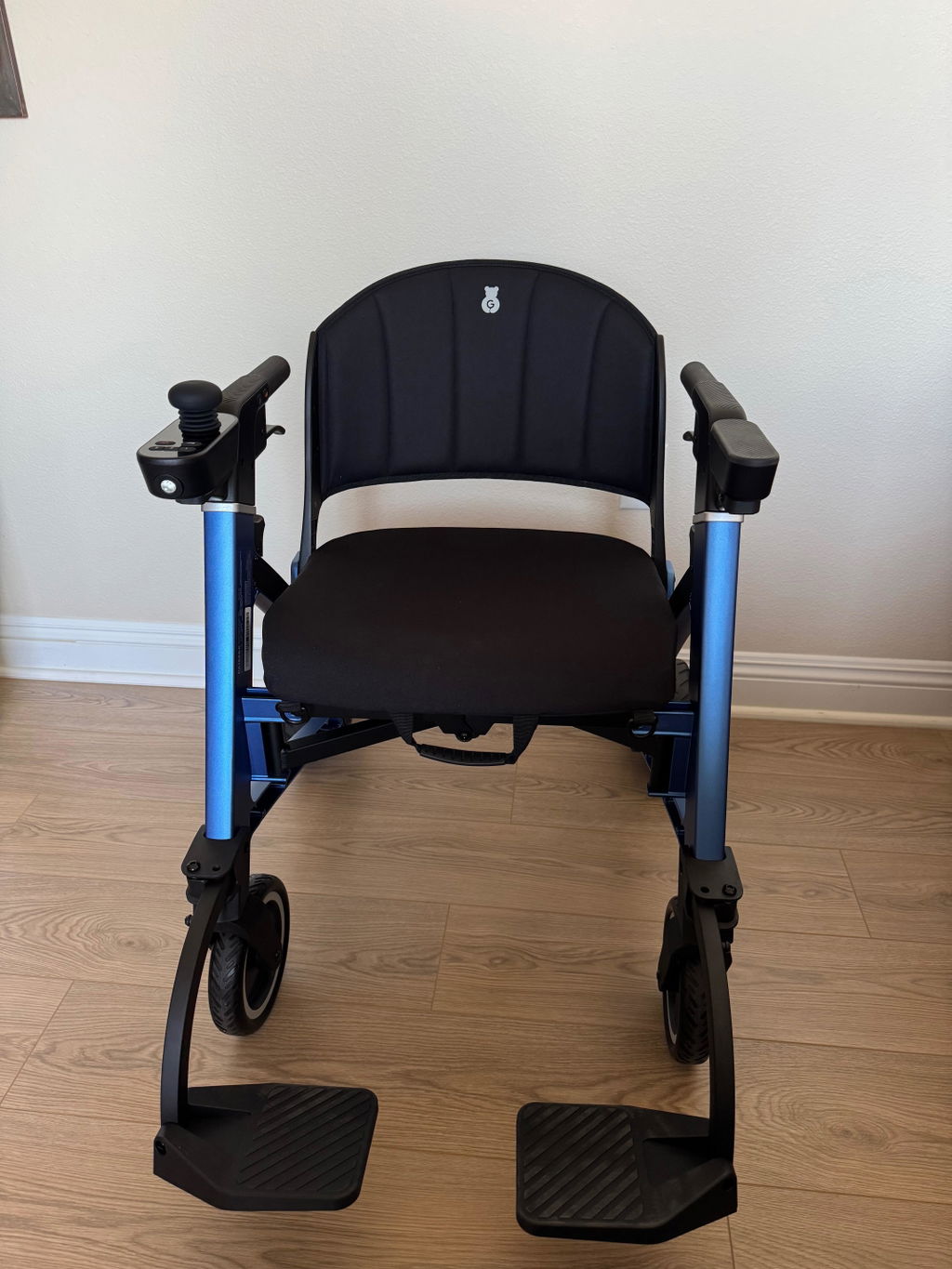
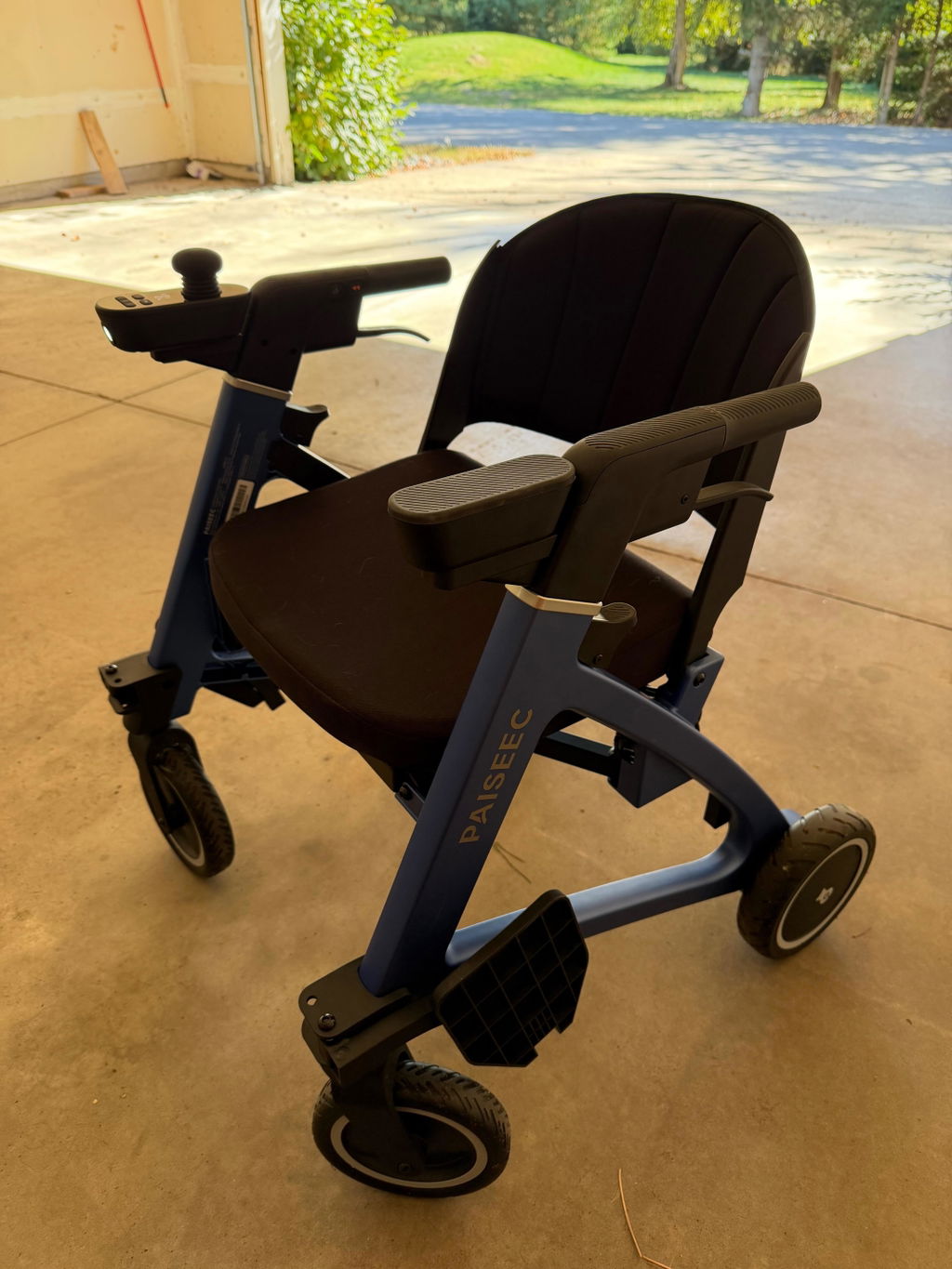
Walker mode on the Paiseec W3 provides partial weight support for standing and leaning, retraining proprioception and gait while reducing fall risks with PAI auto-braking and anti-tip design. Users transition seamlessly to chair mode for rest without dismounting, conserving energy for stroke patients with limited endurance on its lightweight 49.6 lbs aluminum frame.
| Feature | Paiseec W1 (2-in-1) | Paiseec W3 (3-in-1) | Standard Wheelchair |
|---|---|---|---|
| Walker Mode | Yes | Yes (smart rollator) | No |
| Chair Rest | Yes | Yes (powered) | Yes |
| Weight | 42 lbs | 49.6 lbs | 60-80 lbs |
| PAI Safety | No | Yes (IMU sensors) | No |
| Folding/Portability | Folds flat | 3-second fold | Limited |
What Makes the PAI Safety System Essential for Stroke Patients?
The PAI system on Paiseec W3 uses IMU sensors for auto speed control on slopes and turns, on-seat detection to prevent motion without user, and auto-braking if standing in chair mode—cutting rollover risks in rehab. Its 180W brushless motors with PAI algorithm ensure smooth, safe operation across modes for stroke balance training.
Check: Does Medicaid Cover Electric Wheelchairs? State-by-State Eligibility Guide
Paiseec Expert Views
"With over 100 R&D professionals and $10 million invested across five labs, Paiseec's PAI intelligent safety riding system transforms hybrid aids like the W3 into proactive rehab tools. It enables safe walker-to-chair shifts for post-stroke gait recovery, using IMU sensors for precise control on multi-terrain paths—empowering independence since our founding in 2021."
Which Lightweight Hybrid Designs Are Best for Travel and Daily Rehab?
Paiseec W3 at 49.6 lbs with one-step folding and detachable 12Ah lithium airline-approved batteries excels for portable stroke therapy travel. Its multi-terrain capability handles rough pavement, gravel, and grass, while 180W motors provide smooth power without bulk, easing caregiver transport for daily indoor-outdoor rehab sessions.
How Do 2-in-1 and 3-in-1 Electric Wheelchairs Compare for Stroke Recovery?
Paiseec W1 2-in-1 offers walker and chair basics at 42 lbs for early recovery, but W3 3-in-1 adds intelligent transport mode for full progression—walker for balance, chair for rest, powered assist for longer sessions. W3's PAI and 16-mile range make it superior for comprehensive stroke rehab at $2,099.

What Real-World Scenarios Show Hybrid Aids in Stroke Rehab?
In morning drills, switch Paiseec W3 to walker mode for balance practice, then chair for rest without strain. For outdoor therapy, fold for travel, unfold in parks with PAI hill control and 16-mile range on 12Ah battery—accelerating independence for post-stroke users via flexible modes and multi-terrain tires.
How to Choose the Right Hybrid Wheelchair Walker for Post-Stroke Needs?
Prioritize FDA Class II certification, 300 lbs capacity, 16-mile battery life, and PAI safety like Paiseec W3. Test mode transitions, check folding ease, and use 30-day price match, 3-7 day delivery, and installment plans. Ensure airline-approved batteries for travel and user manuals for safe rehab setup.
Conclusion
Paiseec W3 emerges as the top hybrid wheelchair walker for stroke recovery, integrating walker mode for balance training, chair for fatigue-free rest, and PAI safety in a 49.6 lbs portable design. Its 3-in-1 versatility, backed by robust R&D, empowers faster rehab—explore at paiseec.com for guarantees and trials.
FAQs
What is the weight of the Paiseec W3 hybrid wheelchair?
49.6 lbs (battery not included; 8.1 lbs battery), ultra-light for 3-second folding and airline travel with detachable 12Ah lithium batteries.
Does the PAI system work in walker mode for stroke balance training?
Yes, PAI provides auto-braking, speed control on turns, and IMU sensors to prevent falls during standing practice in rollator mode.
Is the Paiseec W3 FDA certified for rehab use?
Paiseec offers FDA Class II Medical Device certification on select models like W1; W3's advanced PAI and modes optimize post-stroke recovery.
How does chair mode help with stroke fatigue?
Seamless switch from walker mode allows powered rest with 180W motors, on-seat sensors, and ergonomic 105° backrest for energy conservation.
Can hybrid wheelchair walkers handle outdoor rehab terrain?
Yes, Paiseec W3 manages slopes up to 8°, gravel, grass with pneumatic wheels and PAI auto-adjustments for safe outdoor therapy.
Leave a comment
This site is protected by hCaptcha and the hCaptcha Privacy Policy and Terms of Service apply.