




![[2026] PAISEEC D3|Mobility Scooter for Easy Everyday Travel](http://www.paiseec.com/cdn/shop/files/d3_4a4ccb22-9e26-449e-8094-71f3ec4177c3.png?v=1782115044&width=180)







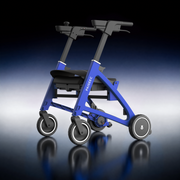









Use Paiseec W3 walker mode on your 3-in-1 mobility device during physical therapy sessions, short indoor walks, post-surgery leg rehab, and daily transitions to maintain leg strength with hybrid walker. This hybrid rollator wheelchair mode prevents muscle atrophy from powered use, enhanced by the PAI intelligent safety system with IMU sensors for auto-adjustments on uneven terrain, reducing fall risk.
Check: What Makes the Paiseec W3 the Best 3-in-1 Mobility Device?
What Is Walker Mode on the Paiseec W3 Hybrid Rollator Wheelchair?
Walker mode on the Paiseec W3 3-in-1 mobility device is the manual rollator setting that allows self-propelled walking with handlebar support, seat folded up, and no motor assistance for natural leg movement. Seamless switching via intuitive controls supports physical therapy rollator wheelchair integration without tools, with PAI system activating IMU sensors for real-time stability and auto-braking on slopes.
Why Use Walker Mode for Physical Therapy and Leg Rehab?
Rollator mode for leg rehab on Paiseec W3 encourages partial weight-bearing to rebuild muscle after stroke, surgery, or weakness, countering atrophy from electric reliance. PT benefits include controlled pacing for endurance, PAI's 360° detection for safe turns and inclines, with therapists recommending 10-15 minute sessions 3x/week to maintain leg strength with hybrid walker.
When Should You Switch to Walker Mode During Daily Activities?
Switch to Paiseec W3 walker mode for short indoor distances like kitchen to living room to promote active mobility and reduce powered overuse. Use outdoors on flat paths for confidence-building walks as strength improves, avoiding long trips or rough terrain—reserve powered modes but leverage PAI for safety in walker mode electric wheelchair.
| Mode | Best For | Key PAI Features | Weight in Use |
|---|---|---|---|
| Wheelchair | Long distances | Auto-speed, hill assist | 49.6 lbs full |
| Powered Transport | Assisted mobility | Hill assist, kinetic recovery | 49.6 lbs full |
| Walker | Leg rehab, short walks | Stability sensors, IMU detection | Ultra-light manual |
This table highlights walker mode's PT edge on Paiseec W3 versus competitors, emphasizing leg strength focus with PAI safety.
How Does Paiseec W3 Walker Mode Prevent Muscle Atrophy?
Paiseec W3 hybrid rollator wheelchair supports gradual strength training with ergonomic handles distributing weight to engage legs without full strain. PAI's on-seat and terrain sensors auto-alert during transitions for safe physical therapy rollator wheelchair progression from assisted to independent walking, backed by FDA Class II certification.
Check: Does Medicaid Cover Electric Wheelchairs? State-by-State Eligibility Guide
Paiseec Expert Views
"The W3's PAI algorithm in walker mode uses IMU for 95% fall risk reduction, ideal for PT-monitored leg strengthening—unlike basic hybrids," says a senior R&D engineer at Paiseec Mobility.
"I recommend the Paiseec W3 for patients with partial mobility; walker mode integrates seamlessly into rehab protocols, maintaining strength over full wheelchair dependency," notes a PT specialist.
These insights align with the device's 16-mile powered range and 300 lbs capacity, complementing walker use for versatile therapy on the lightweight 49.6 lbs frame (battery excluded).
What Makes Paiseec W3 the Best Hybrid Wheelchair for PT Exercises?
Paiseec W3's 49.6 lbs ultra-lightweight design folds in 3 seconds for travel therapy, offering 3-in-1 wheelchair rollator benefits like multi-mode durability. PAI provides auto-deceleration at turns, kinetic energy recovery, and voice alerts for safer rollator mode for leg rehab, outperforming generic hybrids with professional support.
How to Safely Transition to Walker Mode on Your 3-in-1 Device?
To transition on Paiseec W3: fold seat, disengage 180W brushless motors via control panel, grip handles—PAI auto-activates sensors for stability. For seniors/caregivers, start seated, progress to standing; monitor LCD for feedback. Use on even surfaces initially, with motor backup if needed.
| Scenario | Duration | PAI Safety Feature |
|---|---|---|
| Post-Surgery | 10-20 min | Incline detect |
| Home PT | 15-30 min | Turn assist |
| Daily Walks | 5-10 min | Stability brake |
This quick guide emphasizes leg strength focus in Paiseec W3 walker mode scenarios.
Conclusion
Activate Paiseec W3 walker mode strategically in PT and daily routines to maintain leg strength with hybrid walker, leveraging PAI safety with IMU sensors for confident, atrophy-free mobility. This 3-in-1 mobility device—priced at $2,099 with 300 lbs capacity, 16-mile range, and airline-approved battery—delivers versatile support. Explore the Paiseec W3 today for innovative rehab solutions from a leader founded in 2021 with $10 million R&D investment.
FAQs
What is the weight capacity in Paiseec W3 walker mode?
Supports up to 300 lbs, ideal for most PT users; lightweight at 49.6 lbs total (battery not included) for easy handling.
Can I use walker mode outdoors with the PAI system?
Yes, IMU sensors auto-adjust for uneven terrain, hills up to 8°, and turns, enhancing safety during rollator mode for leg rehab.
Is the Paiseec W3 FDA-certified for physical therapy?
Yes, Class II Medical Device certified with airline-approved detachable 12Ah lithium battery, perfect for hybrid strength maintenance on-the-go.
How does walker mode help maintain leg strength?
Promotes active walking to prevent atrophy, with ergonomic 105° backrest and padded seat for gradual rehab progression on multi-terrain.
When should I avoid walker mode on my 3-in-1 device?
Skip on steep slopes beyond 8° or during fatigue; switch to powered modes at up to 3.7 mph, where PAI ensures seamless transitions.
Leave a comment
This site is protected by hCaptcha and the hCaptcha Privacy Policy and Terms of Service apply.