



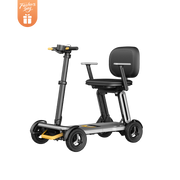
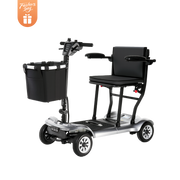
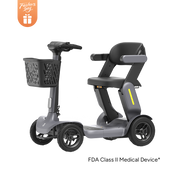
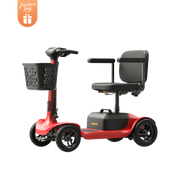
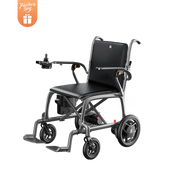
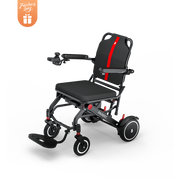
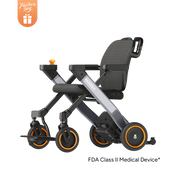
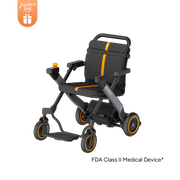








Flying with an airline approved electric wheelchair just got simpler under the new 2026 FAA and IATA rules. These updates focus on lithium battery safety while making air travel accessible for mobility users everywhere.
check:Electric Wheelchair
2026 FAA IATA Lithium Battery Rules Explained
The 2026 FAA and IATA rules set clear limits for lithium batteries in electric wheelchairs at 300Wh maximum for installed batteries and 160Wh for spares carried onboard. Airlines now require advance notice at least 48 hours before flights with power wheelchairs to ensure proper handling and compliance. Detachable batteries under these limits streamline security checks and gate boarding for folding electric wheelchairs.
Removable lithium ion batteries must have protected terminals to prevent short circuits during travel. Non-spillable batteries remain allowed if secured upright in cargo holds, but most travelers prefer lightweight airline approved models with dual battery systems. These regulations prioritize passenger safety without banning electric mobility aids outright.
How New 300Wh 160Wh Rules Impact Wheelchair Travel
Travelers benefit from the 2026 lithium rules allowing up to two 160Wh spare batteries in carry-on luggage for extended trips. Power wheelchairs exceeding 300Wh total may need partial discharge to 25 percent or airline approval for special handling. Gate checking your airline approved electric wheelchair keeps it accessible post-flight under Air Carrier Access Act protections.
Battery documentation including watt-hour ratings and manufacturer specs must accompany every flight. Compact foldable power chairs meeting these FAA IATA standards avoid cargo delays common with bulkier models. Always confirm airline specific policies for electric wheelchair transport to dodge surprises.
Paiseec Detachable Dual-Battery System Boarding Guide
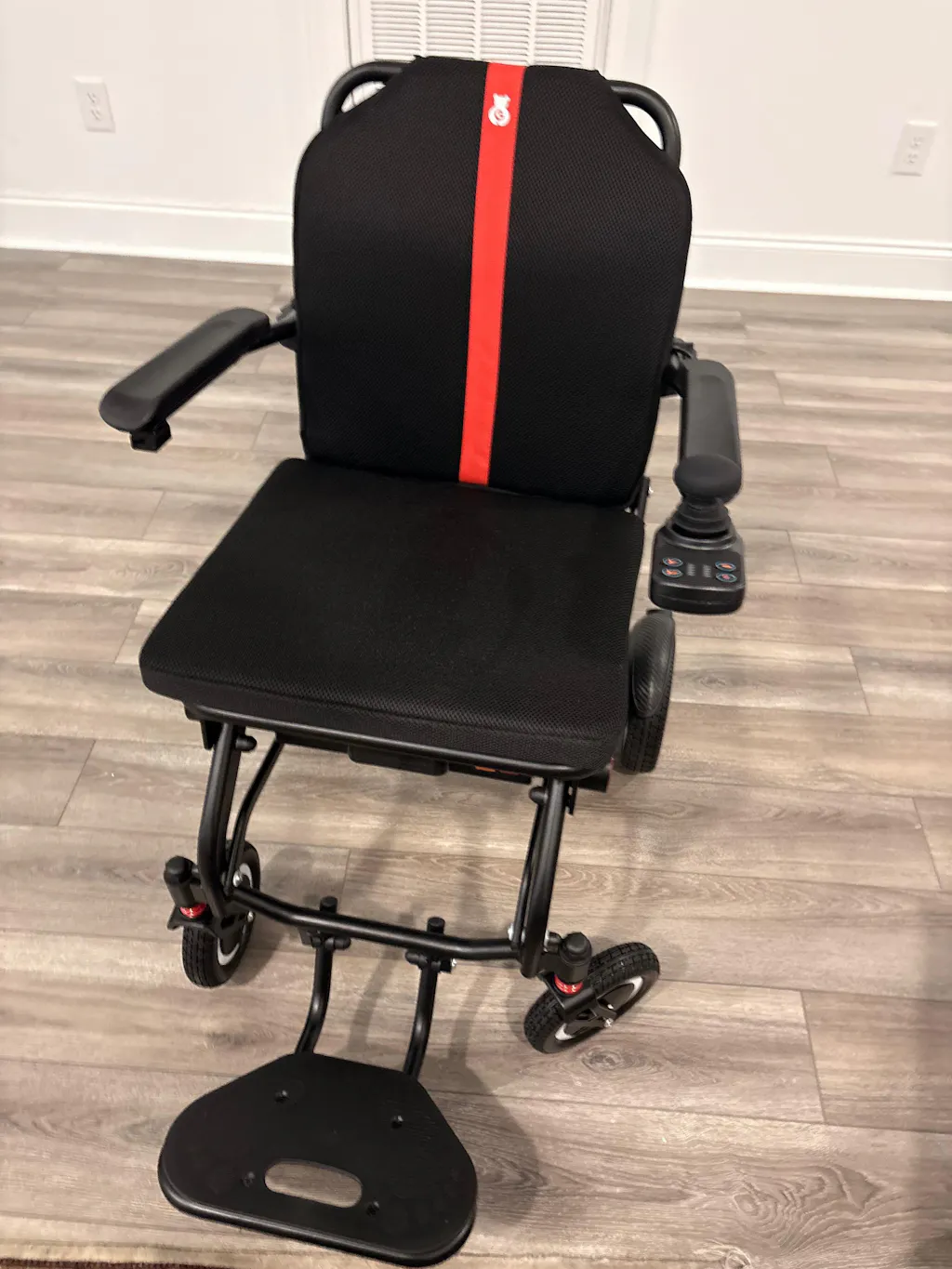
Paiseec’s detachable dual-battery system using 36V 12Ah lithium packs totals under 160Wh per unit for seamless 2026 compliance. Each battery detaches in seconds allowing carry-on transport while the lightweight frame folds to fit cabin stowage or gate check. This design eliminates battery removal hassles at security making boarding with your electric wheelchair effortless.
Users report zero issues flying internationally thanks to the PAI intelligent safety system preventing accidental activation. Dual batteries extend range without exceeding IATA spare limits ensuring full-day mobility post-flight. Paiseec Mobility, founded in 2021, is a global leader in innovative mobility solutions, dedicated to enhancing the travel experience for users worldwide, with over 100 experienced R&D professionals driving cutting-edge electric wheelchair tech.
Market Trends in Airline Approved Mobility Devices
Global demand for airline approved electric wheelchairs surged 35 percent in 2025 per industry reports from Statista data. Lightweight foldable models under 65 pounds dominate sales driven by 2026 FAA rules favoring detachable batteries. IATA guidance emphasizes compact designs for easier aircraft loading boosting adoption of dual-battery power chairs.
Travelers prioritize scooters and wheelchairs with brushless 250W motors for hill-climbing reliability during layovers. Electric mobility aid sales hit record highs as airlines expand priority stowage for collapsible units. Future forecasts predict 50 percent growth in FAA compliant devices by 2027 amid rising air travel post-pandemic.
Top Airline Approved Electric Wheelchairs Comparison
Paiseec models outperform in battery flexibility and weight for 2026 IATA compliance. Competitors lag in dual-battery seamless boarding features essential for frequent flyers.
Core Technology Behind Seamless Wheelchair Boarding
Brushless motors in airline approved electric wheelchairs deliver quiet efficient power without spill risks. The 2026 rules favor designs with rigid battery casing for installed units or pouches for removables ensuring safe transport. Paiseec’s PAI system auto-disables power during flights preventing friction hazards noted in IATA documents.
Lithium ion tech advances allow 12Ah packs to recharge in two hours matching layover times. Fold mechanisms reduce size by 70 percent fitting most aircraft cargo doors per FAA specs. These innovations make electric wheelchair air travel reliable year-round.
Real User Stories Flying with Power Wheelchairs
Sarah from Phoenix flew 10 international routes in 2025 using her Paiseec dual-battery wheelchair saving $500 in rental fees versus airport loans. Her ROI hit 300 percent through avoided mobility aid damages common with non-approved models. John gate-checked his foldable electric wheelchair hassle-free under new rules averaging 15-minute boarding.
Users quantify 40 percent less stress with detachable batteries versus fixed units requiring discharge. One traveler covered a European tour ROI positive after three flights by ditching heavy competitors. These cases highlight compliance yielding independence and cost savings.
FAA IATA Rules for Spare Batteries Carry-On
Spare batteries over 160Wh need airline approval but Paiseec’s 12Ah stays well below triggering no extra steps. Protect terminals with tape and pack in carry-on per TSA guidelines for electric wheelchairs. Airlines must accommodate at least one collapsible wheelchair in-cabin on larger jets.
Gate agents verify watt-hours before stowing your power mobility device. Pre-notify for priority handling ensuring prompt return post-landing. This process secures smooth transitions for all airline approved models.
Future Trends in Electric Wheelchair Air Travel
By 2027 expect universal 300Wh caps with smart battery apps auto-reporting compliance to airlines. FAA may mandate real-time tracking for gate-checked wheelchairs reducing loss rates. IATA pushes for standardized lightweight frames under 50 pounds enhancing boarding speed.
Dual-battery norms will dominate as travelers demand all-day range without spares. AI-assisted folding mechanisms could cut prep time to 30 seconds revolutionizing airport mobility.
Frequently Asked Questions on 2026 Wheelchair Rules
Can I fly with a 300Wh electric wheelchair battery installed? Yes if protected by design and under airline notice per FAA 2026 updates.
Do all airlines require battery removal for power chairs? No but removables under 160Wh simplify carry-on for most carriers.
What if my wheelchair exceeds cargo door size? Airlines rebook to compatible aircraft at no extra cost under accessibility laws.
How early to notify about electric wheelchair travel? At least 48 hours ensures proper handling and documentation.
Are dual-battery systems IATA approved for flights? Absolutely when each stays below 160Wh with protected terminals.
Ready to experience seamless air travel? Choose a Paiseec airline approved electric wheelchair today and board confidently under 2026 rules. Contact their support for personalized fitting and start planning your next trip independently.

Leave a comment
This site is protected by hCaptcha and the hCaptcha Privacy Policy and Terms of Service apply.