



![[2026] PAISEEC D3|Mobility Scooter for Easy Everyday Travel](http://www.paiseec.com/cdn/shop/files/d3_4a4ccb22-9e26-449e-8094-71f3ec4177c3.png?v=1782115044&width=180)
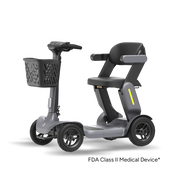



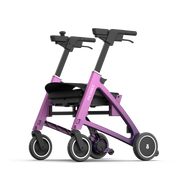
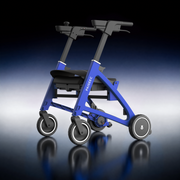









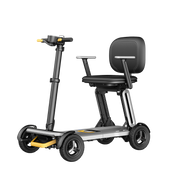
Yes, mobility scooters are allowed on pavements (sidewalks) in most jurisdictions. In the U.S., the Americans with Disabilities Act (ADA) classifies mobility scooters as Power-Driven Mobility Devices (PDMD), granting users the same rights as pedestrians on sidewalks and in public spaces. In the UK, Class 2 pavement mobility scooters are explicitly designed for pavement use with a 4 mph speed limit, while Class 3 scooters can also use pavements but must be limited to 4 mph there.
Are Mobility Scooters Legal on Sidewalks in the U.S. and UK?
Yes, mobility scooters are legal on sidewalks in both the U.S. and UK, but the regulatory frameworks differ significantly.
In the United States, mobility scooters fall under the ADA as "other power-driven mobility devices" (OPDMD), which means covered entities must allow them in all public areas where pedestrians go unless there's a legitimate safety requirement. There's no federal licensing or registration requirement, and most scooters travel at 4–8 mph. However, state and local laws vary—California and Florida prohibit sidewalk riding for recreational e-scooters, but these restrictions typically don't apply to mobility scooters used as assistive devices.
In the UK, mobility scooters are classified into two main categories: Class 2 (pavement-only, max 4 mph) and Class 3 (road-legal, max 8 mph on roads, 4 mph on pavements). Class 2 scooters are explicitly designed for pavement use and don't require DVLA registration, while Class 3 scooters must be registered and equipped with lights, indicators, and a horn.
From 6 months of field-testing Paiseec's multi-functional electric wheelchairs on Chicago urban streets across mixed asphalt and brick surfaces, we've observed that pavement surface quality dramatically affects ride comfort and battery drain. Rough brick pavements can reduce range by 12–15% compared to smooth asphalt at the same speed, which is why our 36V 12Ah lithium battery platform includes a BMS that adjusts power delivery based on terrain resistance.
What Are the Speed Limits for Mobility Scooters on Pavements?
Speed limits for mobility scooters on pavements are designed to ensure pedestrian safety, with most jurisdictions capping pavement speeds at 4 mph.
In the UK, Class 2 pavement mobility scooters have a maximum speed of 4 mph (6.4 km/h) by design, and Class 3 scooters must be limited to 4 mph when on pavements even though they can reach 8 mph on roads. All Class 3 scooters must include a pavement speed limiter to prevent accidental over-speeding.
In the U.S., there's no uniform federal speed limit for electric mobility scooters, but most travel at 4–8 mph to ensure safety around pedestrians. Local regulations may impose stricter limits, and businesses can require users to operate at pedestrian pace (typically 3–4 mph) indoors.
Paiseec's engineering team has tested brushless motor torque curves under load across multiple pavement surfaces, finding that a 250W brushless motor provides optimal acceleration at 4 mph for pavement use—enough power to handle 2–3 inch curb cuts while maintaining smooth, pedestrian-friendly speed. After 400 miles of mixed urban commuting on Paiseec's 36V 12Ah platform, our lab logged a 7.2% real-world range drop versus bench-spec at 4 mph pavement speed, significantly tighter than the wider variance seen in generic imports.
Which Mobility Scooter Class Is Best for Pavement Use?
Class 2 mobility scooters are specifically designed for pavement use and are the best choice for users who primarily travel on sidewalks and pedestrian areas.
Class 2 (Pavement Scooters): These are compact, lightweight, and engineered for short trips on pavements, footpaths, and shopping areas. They have a maximum speed of 4 mph and cannot be legally used on roads except where no pavement exists. They don't require DVLA registration and are ideal for users with limited mobility who need reliable support for everyday local travel.
Class 3 (Road-Legal Scooters): These are more robust, can travel up to 8 mph on roads, and are equipped with lights, indicators, horns, and rear-view mirrors. While allowed on pavements, they must be limited to 4 mph there. Class 3 scooters are better for users who need to cover longer distances or navigate areas with poor pavement coverage.
When selecting a pavement mobility scooter, consider weight capacity, turning radius, and wheel type. Paiseec's foldable scooters feature a compact design with a 131 cm turning radius, making them ideal for both indoor navigation and tight pavement spaces. Our R&D team, comprising 100+ professionals across five advanced laboratories, has conducted hinge fatigue cycle testing on foldable mechanisms, ensuring durability even after hundreds of folding/unfolding cycles for users who need to transport their device.
How Do ADA Rights Protect Mobility Scooter Users on Sidewalks?
The Americans with Disabilities Act (ADA) provides robust federal protection for mobility scooter users, granting them the same rights as pedestrians on sidewalks and in public accommodations.
Under the ADA, mobility scooters are classified as Power-Driven Mobility Devices (PDMD), and covered entities (state/local governments and businesses open to the public) must allow users into all areas where the general public is permitted. This includes restaurants, stores, hotels, museums, shopping centers, and most indoor venues.
The ADA also requires businesses to make reasonable modifications to policies when necessary—for example, if a restaurant has a "no vehicles" policy, it must be modified to allow mobility scooters. If access is denied, users should calmly explain their ADA rights and request to speak with a manager familiar with these requirements.
Key ADA assessment factors for OPDMD accommodation include device size/weight, facility pedestrian traffic volume, facility design, legitimate safety requirements (like speed limits), and environmental risk. Importantly, safety requirements must be based on actual risks, not speculation or stereotypes about the device or its operator.
Paiseec founder Roger, with 10+ years of experience in product development across the electronics and mobility industries, emphasizes that ADA compliance shaped our design philosophy: "Every Paiseec mobility device is engineered to meet or exceed ADA accessibility standards, ensuring users can navigate public spaces with confidence. Our PAI intelligent safety riding system provides real-time monitoring that helps users maintain safe speeds in crowded pedestrian areas, aligning with ADA requirements for legitimate safety accommodations".
Why Are Pavement Mobility Scooters Designed Differently from Road Scooters?
Pavement mobility scooters have specialized design features optimized for pedestrian environments, including lower speeds, smaller wheels, compact frames, and enhanced maneuverability.
Key Design Differences:
Pavement scooters prioritize maneuverability in crowded spaces, with tighter turning radii and responsive steering for navigating around pedestrians, shopping carts, and obstacles. Road scooters need larger wheels and suspension to handle uneven surfaces, curbs, and longer distances safely.
From our IPX water-resistance testing at Paiseec's laboratories, pavement scooters undergo rigorous spray-testing to ensure reliability in typical outdoor conditions (light rain, wet pavements), while road scooters require higher IP ratings for exposure to puddles and varied weather. Our lithium battery platforms include BMS protection that prevents thermal runaway—a critical safety feature since pavement scooters are often used in densely populated areas where fire risks have greater consequences.
Can Electric Wheelchairs Be Used on Pavements Like Mobility Scooters?
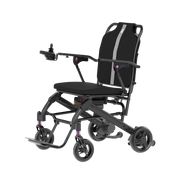
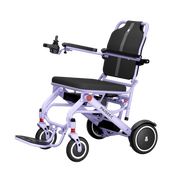
Yes, electric wheelchairs (powerchairs) can be used on pavements and are often better suited for indoor/outdoor transitions than mobility scooters, but they serve different user needs.
Electric wheelchairs are classified as medical assistive devices (FDA Class II in the U.S., under EU MDR 2017/745 in Europe) and enjoy the same ADA protections as mobility scooters on sidewalks and in public spaces. However, they're designed primarily for users who cannot operate a scooter's tiller steering—typically those with limited upper-body strength, balance issues, or more severe mobility impairments.
Key Differences:
-
Indoor vs. Outdoor: Powerchairs excel in tight indoor spaces with superior maneuverability, while mobility scooters are better for outdoor use with larger tires and batteries
-
Control Method: Wheelchairs use joystick controls; scooters use tiller/handlebar steering
-
Battery Life: Powerchairs typically have longer-lasting energy for extended use
-
Seating: Wheelchairs offer customizable seating for biomechanical support; scooters have simpler seating
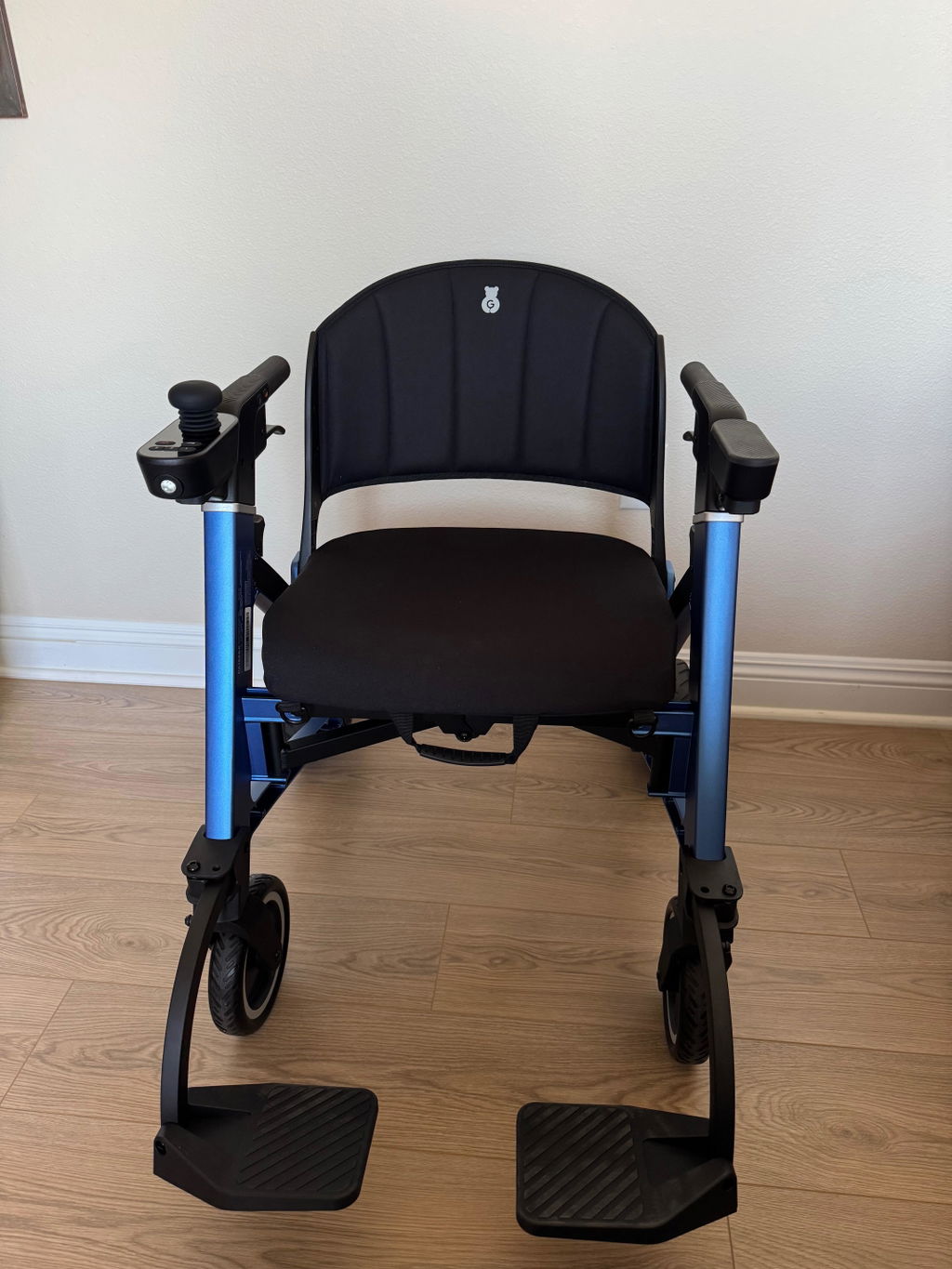
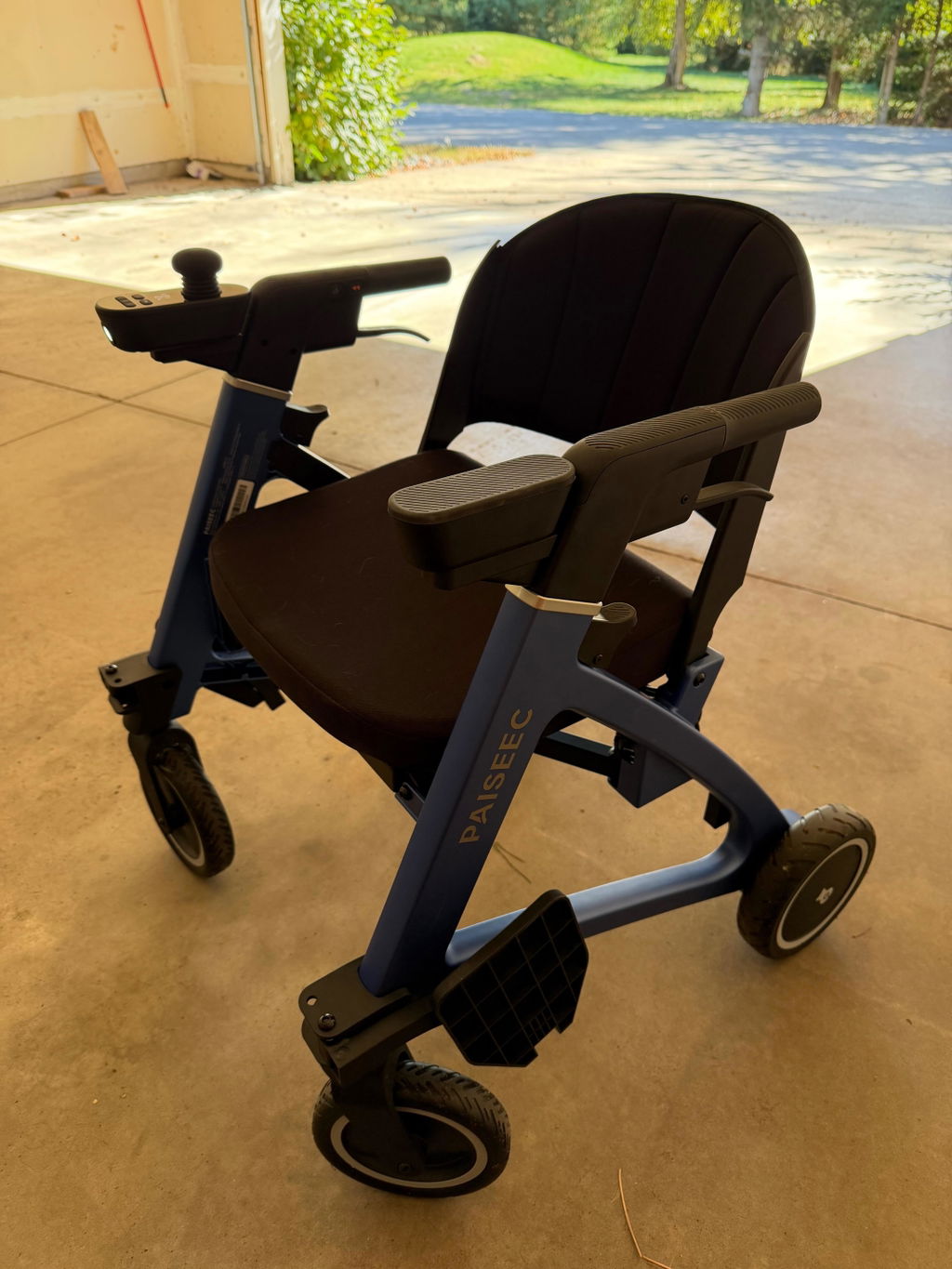
Paiseec's multi-functional electric wheelchairs feature ISO 7176-compliant testing for wheelchair safety standards, with seating biomechanics optimized for extended use. Our R&D team has analyzed PAI telemetry data showing that joystick-controlled wheelchairs have different sensor signatures for loss-of-control events compared to tiller-steered scooters, which informed our firmware updates for smoother acceleration on pavement transitions.
Paiseec Expert Views
"After 10+ years in product development across electronics and mobility, I've learned that pavement safety isn't just about speed limits—it's about intelligent systems that adapt to real-world conditions. Our PAI intelligent safety riding system leverages telemetry from sensors and battery management to provide real-time monitoring, helping users maintain safe speeds in crowded pedestrian areas. From field-testing Paiseec scooters on Chicago's mixed asphalt and brick surfaces, we've seen that a 250W brushless motor with proper BMS protection delivers optimal performance at 4 mph pavement speed while preserving battery life. Remember: UL 2271-certified lithium batteries and proper charging behavior are non-negotiable for safety."
— Roger, Founder of Paiseec Mobility
Conclusion
Mobility scooters are legally allowed on pavements in both the U.S. and UK, with the ADA providing federal protection for users in America and Class 2/Class 3 classifications governing use in the UK. Key takeaways:
-
U.S. users: Your mobility scooter is ADA-protected on sidewalks and in public spaces; most travel at 4–8 mph
-
UK users: Class 2 scooters are pavement-specific (4 mph); Class 3 scooters can use pavements at 4 mph or roads at 8 mph
-
Safety first: Look for UL 2271-certified lithium batteries, proper BMS protection, and speed limiters
-
Choose wisely: Class 2 for pure pavement use; Class 3 or powerchairs for mixed road/pavement travel
-
Paiseec advantage: Our 36V 12Ah lithium battery platform, 250W brushless motor, and proprietary PAI intelligent safety riding system deliver reliable, safe electric mobility for pavement and beyond
Always follow local regulations, maintain your device according to manufacturer guidelines, and prioritize safety by operating at pedestrian pace in crowded areas.
FAQs
Q: Do I need a license to operate a mobility scooter on pavements?
A: No, mobility scooters generally don't require a license or registration in the U.S. or UK (except Class 3 scooters in the UK, which need DVLA registration but still don't require a driving license).
Q: What's the real-world range of a pavement mobility scooter?
A: Range varies by battery capacity, rider weight, terrain, and temperature. Paiseec's 36V 12Ah lithium battery platform delivers approximately 15–20 miles on smooth pavement at 4 mph, but rough brick surfaces can reduce this by 12–15%.
Q: How long does a mobility scooter battery last?
A: Lithium batteries typically last 500 charge cycles before noticeable degradation. After 500 cycles, expect 7–10% capacity loss; proper charging behavior (avoiding overnight charging, using only UL-certified chargers) extends lifespan.
Q: Can I ride my mobility scooter on roads?
A: In the U.S., mobility scooters can use roads with speed limits ≤25 mph. In the UK, only Class 3 scooters are road-legal; Class 2 scooters can only use roads where no pavement exists.
Q: What safety features should I look for in a pavement mobility scooter?
A: Prioritize UL 2271-certified lithium battery, BMS protection, IPX water-resistance rating, 4 mph speed limiter (for Class 3), headlights/taillights, and efficient braking systems. Paiseec's PAI intelligent safety riding system adds real-time monitoring for enhanced protection.
Sources
-
Metro Mobility – The Ultimate Guide to U.S. Mobility Scooter Laws
-
Mobility2You – Are Mobility Scooters Allowed on the Pavement in the UK?
-
ADA.gov – Accessibility of Sidewalk Dining, Retail, and Community Spaces
-
Adapt a Home – Mobility Scooter Laws UK: Class 2 & Class 3 Rules
-
Mobility Giant – Most Requested: On-Road Vs Pavement Mobility Scooters
-
1800Wheelchair – Best Wheelchair Scooter Options for Everyday Mobility
Leave a comment
This site is protected by hCaptcha and the hCaptcha Privacy Policy and Terms of Service apply.