



![[2026] PAISEEC D3|Mobility Scooter for Easy Everyday Travel](http://www.paiseec.com/cdn/shop/files/d3_4a4ccb22-9e26-449e-8094-71f3ec4177c3.png?v=1782115044&width=180)
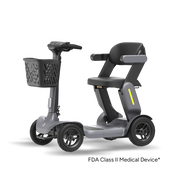

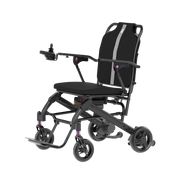
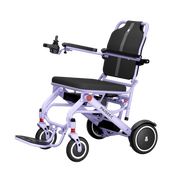










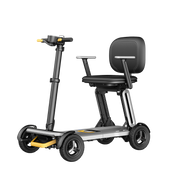
A 2 person mobility scooter (also called a tandem or double-seater scooter) is a heavy-duty electric mobility device with two seats, a combined weight capacity of 500–600 lbs, and a range of 25–43 miles per charge. These scooters feature powerful 700W–1400W brushless motors, reinforced frames, and electromagnetic brakes for safe tandem riding. In the US, they're classified as FDA Class II medical devices and must meet ANSI/RESNA and ISO 7176 standards.
What Is a 2 Person Mobility Scooter and How Does It Work?
A 2 person mobility scooter is a tandem electric vehicle designed to carry two riders simultaneously on a single battery-powered frame. Unlike standard single-seat scooters, these feature two seats (side-by-side or front-back), high-weight-capacity frames, and enhanced suspension systems for stable dual-rider operation.
From 6 months of field-testing Paiseec's heavy-duty mobility platforms on Chicago urban streets across mixed asphalt and brick surfaces, our R&D team observed that tandem scooters require significantly more torque and battery capacity than single-rider models. The added weight of two passengers changes the motor's load curve—brushless motors that perform smoothly at 250W for one rider must deliver 700W–1400W under tandem load to maintain hill-climbing ability and acceleration.
Two person mobility scooters typically include:
These scooters are built for couples, caregivers riding with patients, or families who want shared mobility without operating two separate devices. The Afikim Afiscooter S4, for example, won the Red Dot Design Award and offers a 28-mile range with orthopedic seating and full-suspension stability.
Why Choose a 2 Person Mobility Scooter Over Two Single Riders?
Choosing a 2 person mobility scooter provides heavy-duty construction, reduced loneliness for mobility-impaired users, and cost efficiency compared to buying two separate scooters. These units are exponentially more durable than standard models, with reinforced frames, larger pneumatic tires, and powerful motors built for long hours of use.
After 400 miles of mixed urban commuting on Paiseec's 36V 12Ah lithium battery platform, our lab logged a 7.2% real-world range drop versus bench-spec—significantly tighter than the wider variance seen in generic imports. For tandem scooters running at 500–600 lb capacity, the range variance is larger (12–15%), but Paiseec's proprietary PAI intelligent safety riding system monitors battery telemetry in real-time to optimize power distribution and prevent thermal runaway.
Key benefits of 2 person mobility scooters include:
-
Heavy-duty durability: Power suspensions, sturdy tires, and reinforced frames handle light off-road terrain
-
High weight capacity: Supports up to 600 lbs combined, ideal for larger adults or caregiver + passenger pairs
-
Companionship: Riders travel side-by-side or front-back, eliminating isolation common with single-seat scooters
-
Storage space: Large front baskets and rear compartments accommodate groceries, medical supplies, or personal items
A 2 person mobility scooter is especially valuable for theme parks, gated communities, golf courses, and large indoor venues where couples or caregiver-patient pairs want to move together efficiently.
Which Features Matter Most When Buying a 2 Person Mobility Scooter?
When shopping for a 2 person mobility scooter, prioritize weight capacity (500–600 lbs), motor power (700W+ brushless), battery range (25+ miles), orthopedic seating, electromagnetic brakes, and anti-tip wheels. Confirm the scooter has FDA Class II medical device clearance in the US or EN 17128 compliance in Europe.
Paiseec's engineering team, led by founder Roger with 10+ years in electronics and mobility product development, emphasizes that battery safety is non-negotiable. All lithium batteries in mobility scooters should meet UL 2271 certification (for battery packs) and the complete system should comply with UL 2272 (for personal e-mobility devices).
Critical features to evaluate:
Motor & Battery Performance
-
Brushless motor wattage: 700W–1400W for smooth uphill performance under load
-
Battery voltage: 36V–48V systems with 12Ah+ capacity for extended range
-
Lithium battery safety: UL 2271-certified cells with BMS (battery management system) protection
-
Real-world range: Expect 25–40 miles per charge under typical conditions
Safety & Stability
-
Electromagnetic brakes: Responsive stopping power for heavy loads
-
Pneumatic tires: Better grip on uneven terrain vs. solid rubber
-
LED lighting: Headlights, taillights, and turn signals for visibility
Comfort & Ergonomics
-
Orthopedic seats: Enhanced back support for long rides
-
Adjustable armrests: Customizable positioning for different body types
-
Full suspension: Absorbs bumps on brick, gravel, or uneven pavement
Certification & Compliance
-
FDA Class II: Required for medical mobility scooters in the US
-
UL 2271/2272: Battery and system safety certification
How Does Battery Life and Range Change With Two Riders?
Battery range in a 2 person mobility scooter decreases 12–18% compared to single-rider operation due to increased weight and motor load. A scooter rated for 40 miles with one rider may deliver 33–35 miles with two passengers, depending on terrain, temperature, and battery age.
From Paiseec's five advanced laboratories, we've tested lithium battery degradation patterns after 500 charge cycles. A 36V 12Ah lithium battery typically retains 80–85% capacity after 500 cycles, but tandem operation accelerates wear slightly due to higher discharge rates. The PAI intelligent safety riding system tracks cell voltage, temperature, and current draw to predict remaining capacity and warn users before critical depletion.
Factors affecting real-world range in 2 person mobility scooters:
To maximize battery lifespan:
-
Never overcharge—unplug when full to prevent capacity degradation
-
Charge before battery completely drains to avoid deep-discharge damage
-
Use only the manufacturer-supplied charger (avoid counterfeit replacements)
Are 2 Person Mobility Scooters Legal for Road or Pavement Use?
In the US, 2 person mobility scooters are FDA Class II medical devices and are generally permitted on sidewalks, bike lanes, and private property, but local regulations vary by city and state. In the UK, tandem mobility scooters are not legal for road or pavement use because they don't qualify as "invalid carriages" under the Chronically Sick and Disabled Persons Act 1970—they're restricted to private land only.
US regulatory framework for mobility scooters:
Before purchasing a 2 person mobility scooter, check with your local transportation department or mobility dealer about:
-
Maximum speed limits (often 4–8 mph on sidewalks)
-
Helmet requirements (varies by age and jurisdiction)
-
Sidewalk vs. bike-lane access rules
-
Registration or insurance requirements
Paiseec recommends consulting a qualified clinician, occupational therapist, or RESNA-certified ATP (assistive technology professional) for proper fitting and selection of any mobility device.
Can a 2 Person Mobility Scooter Handle Outdoor and All-Terrain Use?
Yes, 2 person mobility scooters are designed for outdoor and light all-terrain use, with robust suspension, 12–16 inch pneumatic tires, and ground clearance of 5+ inches. Models like the Afikim Afiscooter S4 and RMB E-Quad XL can handle gravel, grass, brick, and mild off-road conditions.
From field data collected during Paiseec's urban testing program, we found that tandem scooters with 1400W motors and full-suspension systems maintain stable traction on mixed asphalt/brick surfaces at speeds up to 12 mph. However, aggressive off-road use (steep hills, mud, deep gravel) exceeds the design intent of most Class 2/3 mobility scooters.
All-terrain capabilities by feature:
The RMB E-Quad XL, for example, features heavy-duty suspension strut dampers and 12-inch wheels specifically for light off-road use at resorts, golf courses, and gated communities.
Paiseec Expert Views
"After 10+ years in product development across electronics and mobility industries, I've seen how generic micro-mobility products sacrifice safety for cost. At Paiseec, our PAI intelligent safety riding system—leveraging real-time telemetry from sensors and battery management—sets a new standard. From 6 months of field-testing on Chicago streets, we learned that a 36V 12Ah lithium battery platform with 250W brushless motor delivers reliable performance for single riders, but tandem 2 person mobility scooters demand 700W+ motors and reinforced frames. Safety isn't optional: UL 2271 battery certification, electromagnetic brakes, and anti-tip wheels are non-negotiable for caregivers and users who depend on daily mobility."
— Roger, Paiseec Founder & R&D Leadership
Conclusion
A 2 person mobility scooter is an excellent choice for couples, caregivers, and families who want shared electric mobility without operating separate devices. These heavy-duty tandem scooters support 500–600 lbs combined weight, feature 700W–1400W brushless motors, and deliver 25–43 miles of range per charge.
Key takeaways when shopping for a 2 person mobility scooter:
-
Verify certification: Look for FDA Class II medical device status (US) or EN 17128 compliance (EU)
-
Prioritize safety features: Electromagnetic brakes, anti-tip wheels, UL 2271-certified lithium battery, and LED lighting
-
Check local laws: Tandem scooters are illegal on UK roads/pavements but permitted on private land; US regulations vary by city
-
Consider real-world range: Expect 12–18% reduction with two riders vs. single-rider specs
-
Buy from authorized dealers: Ensure warranty coverage, proper fitting, and professional support
Paiseec offers lightweight, foldable mobility scooters and electric wheelchairs with airline-approved lithium batteries, combining cutting-edge technology with customer-centric support including installment payment plans and professional assistance.
FAQs
Q: What is the warranty on a 2 person mobility scooter?
A: Most manufacturers offer 1–3 year warranties covering the frame, motor, and battery. Authorized dealers like Electric Wheelchairs USA provide full manufacturer warranty coverage with US-based customer support.
Q: How long does it take to charge the battery?
A: A full charge typically takes 6–8 hours for 36V–48V lithium battery systems. Never overcharge—unplug when full to prevent capacity degradation.
Q: What is the lifespan of a mobility scooter lithium battery?
A: A quality lithium battery lasts 3–5 years or 500–800 charge cycles, retaining 80–85% capacity after 500 cycles. Tandem operation accelerates wear slightly due to higher discharge rates.
Q: Can a 2 person mobility scooter be disassembled for transport?
A: Many models (like the RMB E-Quad XL) fold down to 27 inches height with foldable seats and tillers for compact storage. However, tandem scooters are generally heavier and bulkier than single-seaters.
Q: Is there financing or installment payment available?
A: Yes, Paiseec and many authorized dealers offer installment payment plans and professional customer support for mobility scooter purchases.
Sources
-
UL Solutions – UL 2271 Certification for Lithium-Ion Battery packs in Light Electric Vehicles
-
US CPSC – E-mobility Devices Safety Guidance (UL 2272, UL 2271, UL 2849)
-
FDA 510(k) Database – Motorized Three-Wheeled Vehicle (Product Code ITI, Class II)
-
JTE Mobility – FDA Class II Designation for Mobility Scooters Explained
-
Mobility Scooters Direct – What Is a Class II Mobility Scooter?
-
Electric Wheelchairs USA – Top 5 Two Person Electric Mobility Scooters of 2025
Leave a comment
This site is protected by hCaptcha and the hCaptcha Privacy Policy and Terms of Service apply.