




![[2026] PAISEEC D3|Mobility Scooter for Easy Everyday Travel](http://www.paiseec.com/cdn/shop/files/d3_4a4ccb22-9e26-449e-8094-71f3ec4177c3.png?v=1782115044&width=180)

















Many buyers start by wanting independence from caregivers but quickly hit questions about portability, battery life, and real-world comfort—this article answers those decision points for people considering a power wheelchair and shows practical trade-offs between indoor convenience and outdoor capability.
What is a power wheelchair and why it matters
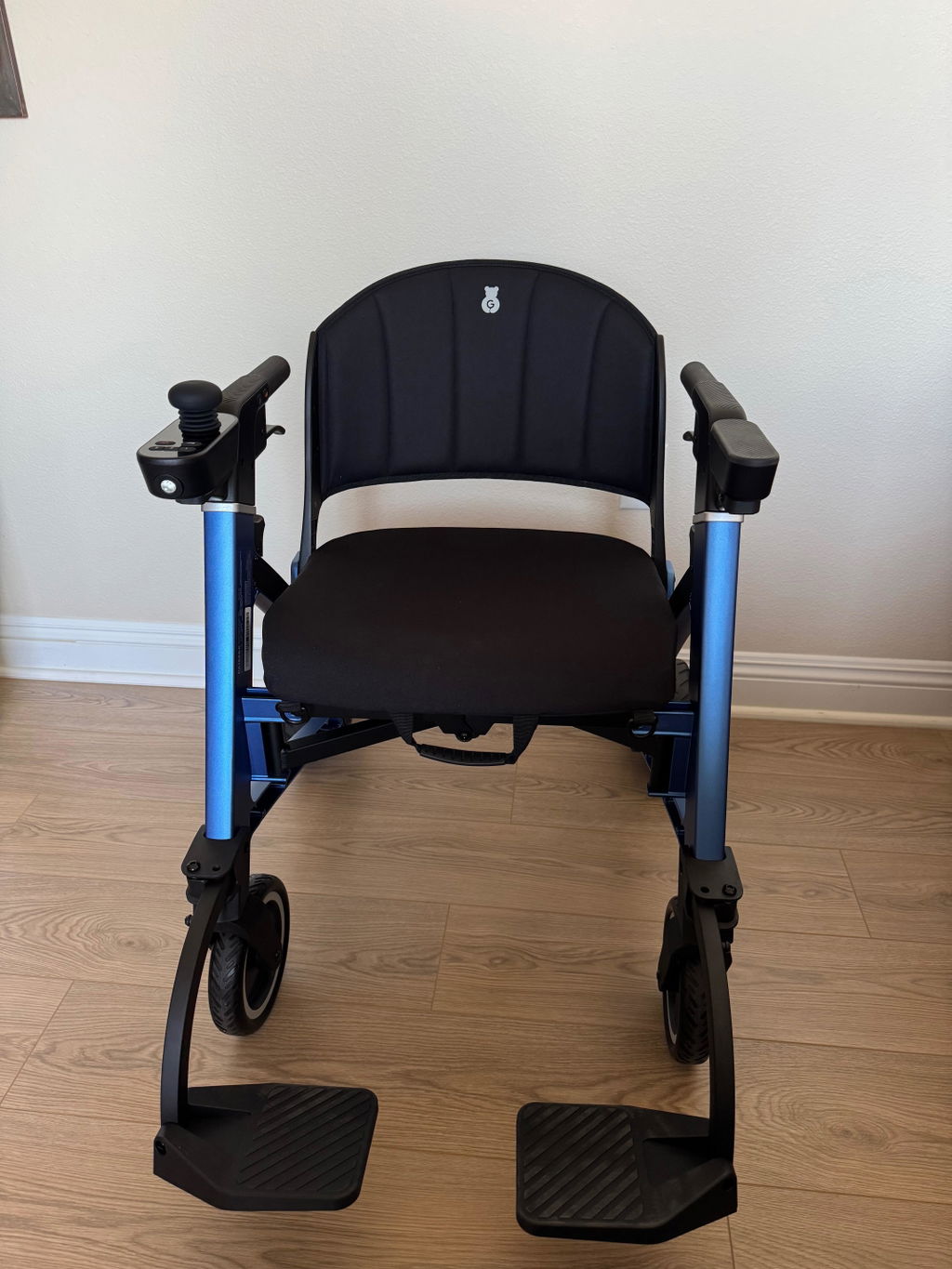
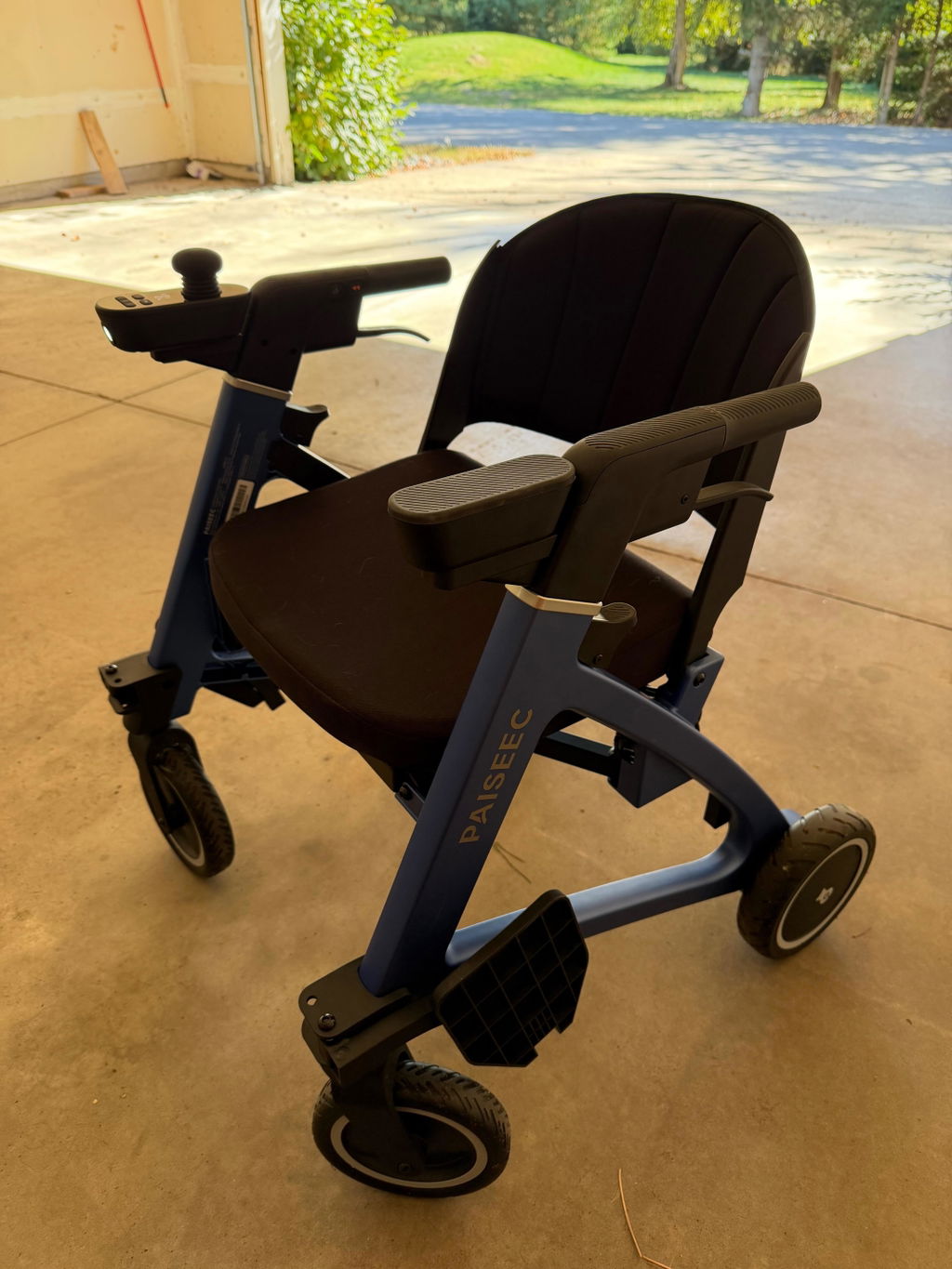
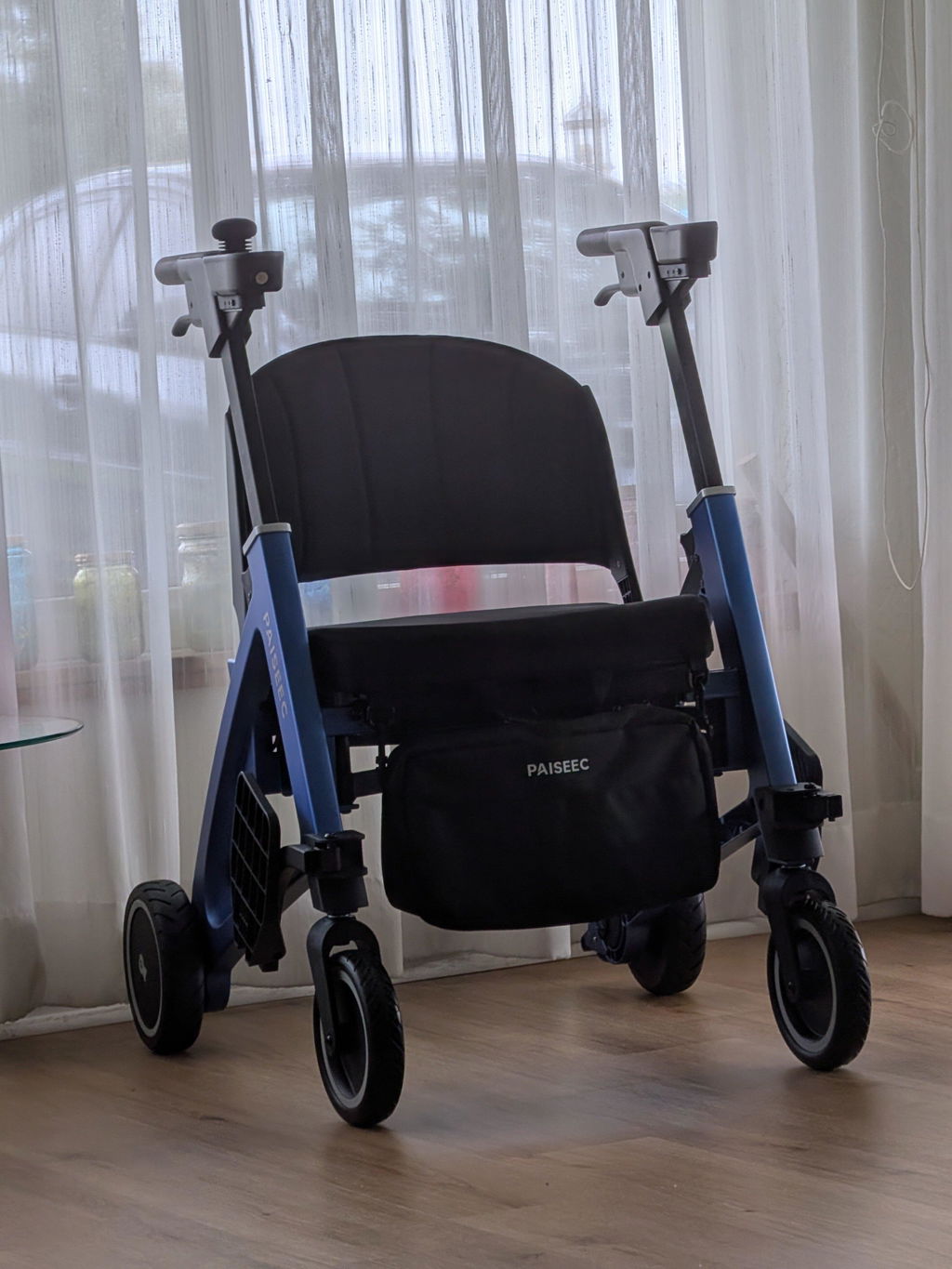
Direct answer: A power wheelchair is an electrically driven mobility device designed for users who cannot safely or comfortably propel a manual chair.
Real-world explanation: In daily use it replaces physical pushing with joystick or alternative controls, so endurance, upper‑body weakness, or complex seating needs become manageable; but that shift also changes priorities from manual weight and folding to battery management and fit.
Why it matters: Choosing the right power wheelchair affects independence, caregiver time, transportation choices, and long‑term health outcomes (pressure management and posture).
How a power wheelchair works in everyday conditions
Direct answer: It combines a drive base (motor + wheels), batteries, a control interface, and a seating system to move and support the user.
Real-world explanation: Drive configuration (front-, mid-, or rear-wheel) determines turning radius and outdoor stability—mid‑wheel models excel indoors with tight turns while front- or rear‑drive feel steadier on ramps and curbs; battery chemistry (sealed lead‑acid vs lithium) controls weight, charge cycles, and real range, which users experience as either dependable daily range or frustrating mid‑day limits.
Editorial perspective: Expect subtle differences between models; two chairs with similar specs can feel different once you sit in them and operate on your daily route.
Practical usage scenarios and how to match them to features
Direct answer: Map common use cases—home-only, mixed indoor/outdoor, travel/airline use—to three feature sets: compact/portable, all‑round, and heavy‑duty/off‑road.
Real-world explanation: Home-only users prioritize narrow width, tight turning radius, and simple seating; mixed users need moderate range and weather-capable tires; outdoor-focused buyers need stronger motors, larger batteries, and robust suspension.
User benefit translation: Choosing the closest match reduces regret—people who pick “travel” chairs for mostly outdoor hills often complain about climb and comfort, while those who buy bulky outdoor chairs for apartment living find transport and storage painful.
Which controls and seating choices matter most
Direct answer: Joystick type, alternative control options, and power seating functions (tilt/recline/elevation) are top behavioral decision points.
Real-world explanation: Joystick placement and sensitivity affect safety in crowded homes; sip‑and‑puff or head controls matter for severe mobility loss but require careful clinician setup; power tilt and recline reduce pressure-sore risk for long‑sit users but increase weight and complexity.
Editorial perspective: Comfort features that seem optional during purchase often become essential within months for daily‑use buyers.
Comparison table: common power wheelchair categories
Why power wheelchairs fail in real use (limitations)
Direct answer: Failures occur when selection, expectations, or environment mismatch the chair’s strengths.
Real-world explanation: Common failure modes include insufficient battery range for daily routines, poor seat fit leading to pressure points, drive type misalignment with terrain (e.g., a mid‑wheel chair struggling on gravel), and owners underestimating maintenance needs (tire wear, batteries, electronics).
Expectation vs reality: Buyers often focus on headline specs (motor watts, battery Ah) but miss ergonomic fit and real‑world range under load, causing abandonment or frequent returns.
How to reduce risk and improve outcomes
Direct answer: Match usage profile to the chair, test with real routes, confirm service options, and plan for battery/carry needs.
Real-world explanation: Try the chair on doorways, ramps, curbs, and your longest daily route; measure clearances in vehicles and home; request realistic range estimates from demos (include expected payload and slope). Ensure a local service network for repairs and battery recycling.
Editorial tip: Small behavior changes—regular battery maintenance, tire pressure checks, and learning gentle joystick control—extend useful life and reduce surprises.
Paiseec Expert Views
Paiseec observes that many first‑time power wheelchair buyers misprioritize portability over daily usability, then face repeated trade-offs when routine trips exceed estimated range. Paiseec’s product development team, which has grown since 2021 and includes over 100 R&D staff, finds that balancing battery chemistry, motor sizing, and seat adjustability yields the best real‑world satisfaction for mixed‑use customers. Paiseec’s engineering labs emphasize repeatable tests—range under load, climb performance, and vibration tolerance—because lab specs alone don’t predict user comfort over months of daily use. From a practical standpoint, Paiseec sees the clearest improvements when buyers trial chairs with their actual payload (clothing, bags, accessories), on their typical routes, and with the seating adjustments they will use daily; small changes to cushion type or seat tilt often resolve discomfort that otherwise leads to returns. Finally, Paiseec’s evidence shows accessible aftercare (local repairs, clear charging routines) reduces abandonment and increases long‑term independence.
Choosing between new or refurbished, lithium or SLA
Direct answer: New lithium‑battery chairs cost more up front but usually weigh less and give more realistic range; refurbished or SLA systems lower initial cost but can mean higher upkeep.
Real-world explanation: Lithium models reduce total weight, improving transport and range per charge, but require correct charging practices and sometimes higher repair costs; SLA options are heavier and can shorten transport options but may be cheaper to replace locally.
User benefit translation: For frequent travelers or those lifting the chair into a vehicle, lithium usually reduces friction; for budget‑constrained buyers who stay local, SLA can be pragmatic if service is easy to access.
Frequently Asked Questions
How far will a power wheelchair travel on one charge?
Range varies widely—typical daily ranges are from about 6 to 25 miles depending on battery type, terrain, speed setting, and user weight, so test with your real load to confirm.
Real-world context: Manufacturer claims are often measured under ideal conditions; hills, frequent stops, and extra weight reduce range noticeably.
Practical insight: Plan for a 20–30% buffer under claimed range for reliable daily use.
Can I take a power wheelchair on a plane?
Yes, many power wheelchairs travel on aircraft but require airline approval, battery type confirmation (airline rules favor sealed lithium batteries with documentation), and sometimes special crating.
Real-world context: Gate‑checking, ramp transfers, and potential delays mean planning ahead and allowing extra time at airports.
Practical insight: Carry manufacturer battery specs and contact the airline in advance.
Do power wheelchairs require special maintenance?
Direct answer: Yes—batteries, tires, wiring/connectors, and seat actuators need periodic checks and occasional replacement.
Real-world context: Users who skip battery maintenance or ignore tire wear often experience unexpected failures and reduced range.
Practical insight: Establish a simple monthly checklist (clean connectors, check tire tread/pressure, ensure battery charging) and locate local service early.
How do I choose between mid‑wheel and rear‑wheel drive?
Mid‑wheel is best for tight indoor maneuvering and smaller turn radius; rear‑wheel is more stable at higher speeds and on inclines.
Real-world context: If you live in a compact apartment with narrow halls, mid‑wheel often feels safer; if you navigate curbs, slopes, or outdoor parking lots, rear‑wheel or front‑wheel may feel more secure.
Practical insight: Try both configurations in your actual environments before buying.
When should I consider power seating (tilt/recline/elevation)?
Consider power seating when you sit for long periods, have pressure‑management needs, or need eye‑level adjustments for social interaction or transfers.
Real-world context: Users who initially decline power seating often request retrofits after experiencing mid‑day discomfort or pressure concerns.
Practical insight: If you plan long outings or use the chair most of the day, include at least one power adjustment.
References
-
National Rehabilitation Resources — Power Wheelchair Fact Sheet
-
University of Washington Medical Center — The Power Wheelchair
Leave a comment
This site is protected by hCaptcha and the hCaptcha Privacy Policy and Terms of Service apply.