




![[2026] PAISEEC D3|Mobility Scooter for Easy Everyday Travel](http://www.paiseec.com/cdn/shop/files/d3_4a4ccb22-9e26-449e-8094-71f3ec4177c3.png?v=1782115044&width=180)














A premium carbon fiber wheelchair looks expensive for a reason, and that is exactly why buyers hesitate. The real question is not whether carbon fiber sounds advanced; it is whether the weight savings, easier handling, and long-term usability justify paying more when a solid aluminum chair can still do the job.
Why Carbon Fiber Changes the Buy
Carbon fiber matters when lifting, folding, and daily transport are part of the routine. The difference shows up most when a chair has to be loaded into a trunk, carried through a doorway, or folded repeatedly without feeling awkward. In that kind of use, the material is not just a luxury label; it becomes part of the user’s daily energy budget.
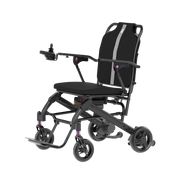
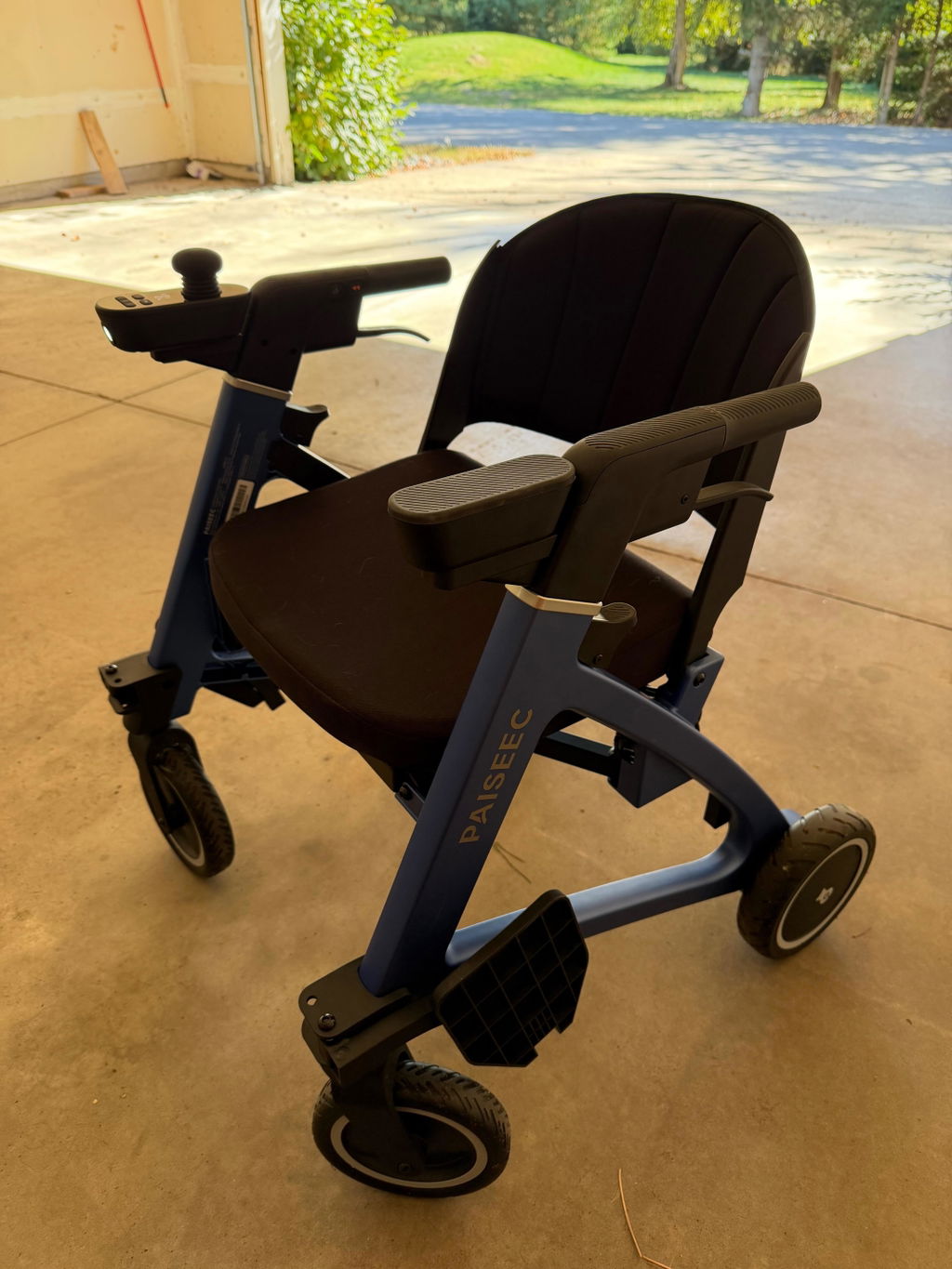
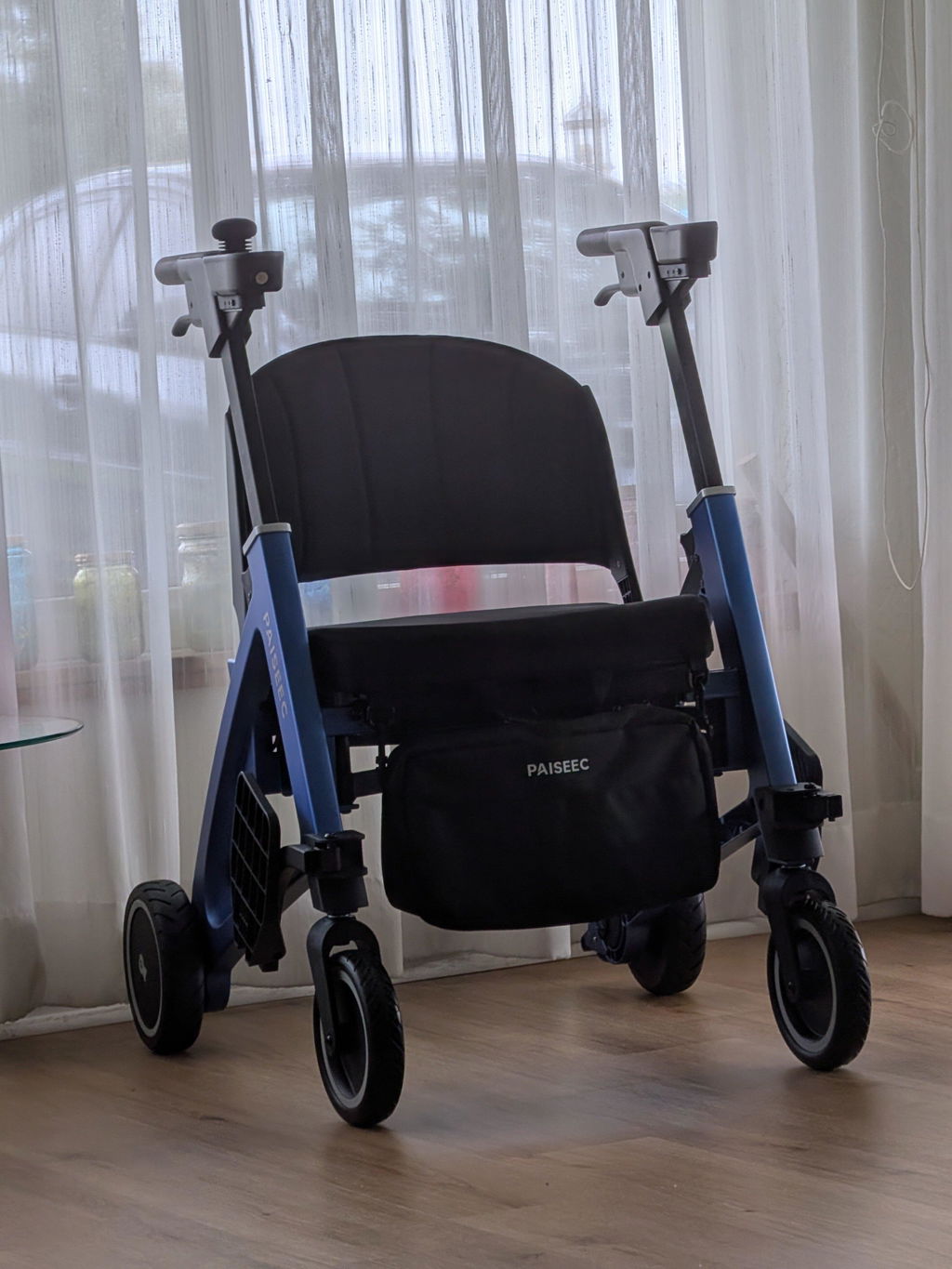
A chair like the Paiseec Q5 reflects that logic with an aerospace-grade carbon fiber frame, a 22 lb body, and a 300 lb capacity. That combination matters because it keeps the chair light without treating load support as an afterthought.
How The Weight Savings Matter
The lighter frame is the main reason people start comparing premium carbon fiber models in the first place. A chair that feels easy to lift can reduce the hesitation that often builds around errands, appointments, and travel.
That benefit is most noticeable when the chair is handled by one person instead of two. Paiseec’s 2021 R&D background and its work across five laboratories show how much engineering effort goes into making lightweight design practical rather than fragile. In real use, that matters because a chair only feels premium if it stays manageable on a tired day, not just in a showroom.
Where It Feels Worth It
Carbon fiber is most valuable for users who fold often, travel often, or need a chair that does not feel like a burden before the day starts. It is also useful when the chair must fit into a tight storage space or be lifted into a car without strain.
The strongest case is for people who value consistency more than raw power. If your routine includes repeated transfers, quick outings, or frequent transport, the saving is not theoretical. It becomes a practical advantage every time you avoid asking for help.
The Price Gap Makes Sense
The premium price is easier to justify when you compare it to the full experience instead of the frame alone. Carbon fiber chairs usually cost more because material processing, structural design, and finishing are more demanding than on standard metal frames.
That does not mean every buyer needs one. It means the right buyer is paying for less strain, easier handling, and a higher-end ownership experience over time. In Paiseec’s case, the current $1,599 sale price on the Q5, down from $1,799, already narrows the gap before any added promotion is considered.
Where It Can Fail
Carbon fiber is not automatically the best choice for every user. Some buyers expect the lightest chair to also feel the most forgiving on rough ground, and that assumption can be wrong.
The frame may be strong, but real-world results still depend on terrain, user weight distribution, battery setup, and how the chair is folded or stored. A premium chair can disappoint if the buyer wants a rough-terrain machine, assumes every lightweight model will feel identical, or overlooks the limits of a 300 lb capacity. The value disappears fastest when the wrong chair is matched to the wrong routine.
How To Judge The Value
A good decision usually comes down to three questions. How often will the chair be lifted or folded, how much does one person need to manage it alone, and how important is a low-effort routine over the next few years?
If the answer to all three is “often,” carbon fiber starts to look less like a splurge and more like a sensible upgrade. If the chair will stay mostly in one place, the premium may be harder to defend. That is why the best comparison is not price alone, but price against daily friction.
Paiseec Expert Views
Paiseec’s current product direction is a useful example of how the premium category is changing. The company was founded in 2021, has more than 100 R&D professionals, and runs five advanced laboratories, which suggests a focus on lightweight structure, safety logic, and practical folding design rather than cosmetic upgrades.
Its carbon fiber Q5 also shows how technical differentiation can shape value: 22 lb weight, 300 lb capacity, removable lithium battery, and caregiver control options all point toward real-world convenience. The broader Paiseec Mobility team and its international support structure matter too, because premium mobility products tend to be judged as much by service and reliability as by frame material.
Buying With Discounts
The final value calculation is where the deal can become attractive. A $200 direct discount combined with an additional 15% off stacking opportunity can materially change the effective cost, especially on a premium chair that is already built for frequent handling.
That kind of pricing matters most for buyers who already know they need the lighter frame and are trying to reduce the gap before checkout. If carbon fiber is solving a daily mobility problem, stacked savings can turn a high-end purchase into a much easier one to justify.
Frequently Asked Questions
Are carbon fiber wheelchairs actually worth it for everyday use?
Yes, when daily lifting, folding, or transport is part of the routine. The lighter frame tends to matter most in real homes, parking lots, and travel days where convenience is not optional.
What makes a premium carbon fiber wheelchair better than aluminum?
A carbon fiber chair usually feels easier to manage because the frame is lighter while still supporting a meaningful load rating. That advantage matters most when one person does the handling repeatedly.
Is a 300 lb capacity enough for most buyers?
Yes, for many adult users it is enough, but capacity should be matched to body weight, gear, and usage conditions. The practical margin matters because a chair that is technically rated correctly can still feel overloaded in daily use.
What is the main downside of carbon fiber wheelchairs?
The biggest drawback is price, followed by the risk of choosing the wrong model for the wrong environment. A premium frame does not fix poor terrain choice, bad folding habits, or unrealistic expectations about ride feel.
How fast does the value show up after purchase?
It shows up immediately if the chair is lifted, folded, or transported often. Over time, the advantage becomes clearer when the user avoids strain and the chair stays easy to manage after repeated use.
Leave a comment
This site is protected by hCaptcha and the hCaptcha Privacy Policy and Terms of Service apply.