




![[2026] PAISEEC D3|Mobility Scooter for Easy Everyday Travel](http://www.paiseec.com/cdn/shop/files/d3_4a4ccb22-9e26-449e-8094-71f3ec4177c3.png?v=1782115044&width=180)

















You've spent years hiking trails, walking through meadows, and exploring gravel paths—until spinal stenosis or arthritis made those same surfaces feel impossible. Now you're searching for a mobility scooter for grass and gravel that won't leave you stranded halfway through your favorite trail. The problem isn't just finding wheels that roll; it's finding an all terrain mobility scooter with enough power, range, and comfort to match the outdoor lifestyle you refuse to give up. Many seniors buy standard scooters meant for smooth sidewalks, then discover they can't handle even a lightly uneven driveway.
The right choice means a large tire portable scooter with a motor that actually conquers inclines and a high range electric scooter for seniors that gets you 25–50 miles without constant charging. Let's break down what truly matters when choosing outdoor mobility equipment.
What Makes a Mobility Scooter Actually Work on Grass and Gravel
An outdoor mobility scooter needs three core features to handle rough terrain: a powerful motor, large all-terrain tires, and sufficient ground clearance. Standard scooters with small 8-inch wheels and weak motors will stall on grass, bounce uncontrollably on gravel, and get stuck in soft dirt.
All-terrain models use 10-inch or larger pneumatic tires that absorb bumps and grip uneven surfaces. The motor must deliver consistent torque—typically 250W or higher—to maintain speed on inclines and through resistance. Ground clearance of at least 3 inches prevents the chassis from dragging on rocks or roots. Without these features, even a "light outdoor" claim becomes misleading in real conditions.
How the 250W Brushless Motor Changes Performance on Rough Trails
The 250W brushless motor is the difference between a scooter that struggles and one that conquers. Brushless motors provide smoother power delivery, better efficiency, and longer lifespan compared to brushed alternatives. On grass, this motor maintains steady speed without overheating. On gravel and mild inclines, it delivers the torque needed to keep moving forward.
Paiseec Mobility invested $10 million in R&D with over 100 experienced professionals specifically to optimize 250W brushless motor performance in electric mobility. Their testing shows these motors handle 15-degree inclines consistently while maintaining energy efficiency. For seniors with arthritis, the smooth acceleration reduces joint stress during starts and stops. Many users underestimate motor power until they hit their first grassy slope—then realize watts matter more than they expected.
Why Range Matters More Than You Think for Outdoor Adventures
A high range electric scooter for seniors isn't just about distance—it's about confidence. If your scooter only lasts 10 miles, you'll avoid trails farther than 3 miles away. With 25–50 mile extended range capabilities, you can explore entire parks, visit multiple destinations, or take day trips without hunting for chargers.
The Paiseec S3 features a 36V 12Ah lithium battery delivering up to 25 miles on a single charge under typical conditions. In optimal conditions with moderate terrain, users report reaching closer to 50 miles. Range depends on terrain type, rider weight, and speed. Rough trails drain batteries faster than pavement. The 36V system also provides better power delivery than 24V alternatives, especially important for all-terrain use.
The Comfort Factor: Ergonomic Seating for Long Outdoor Rides
Comfort isn't optional when you're riding 20+ miles. Ergonomic seating with padded contours, adjustable armrests, and proper back support prevents fatigue and pain—critical for seniors managing spinal stenosis or arthritis. Hard plastic seats become unbearable after 30 minutes on uneven ground.
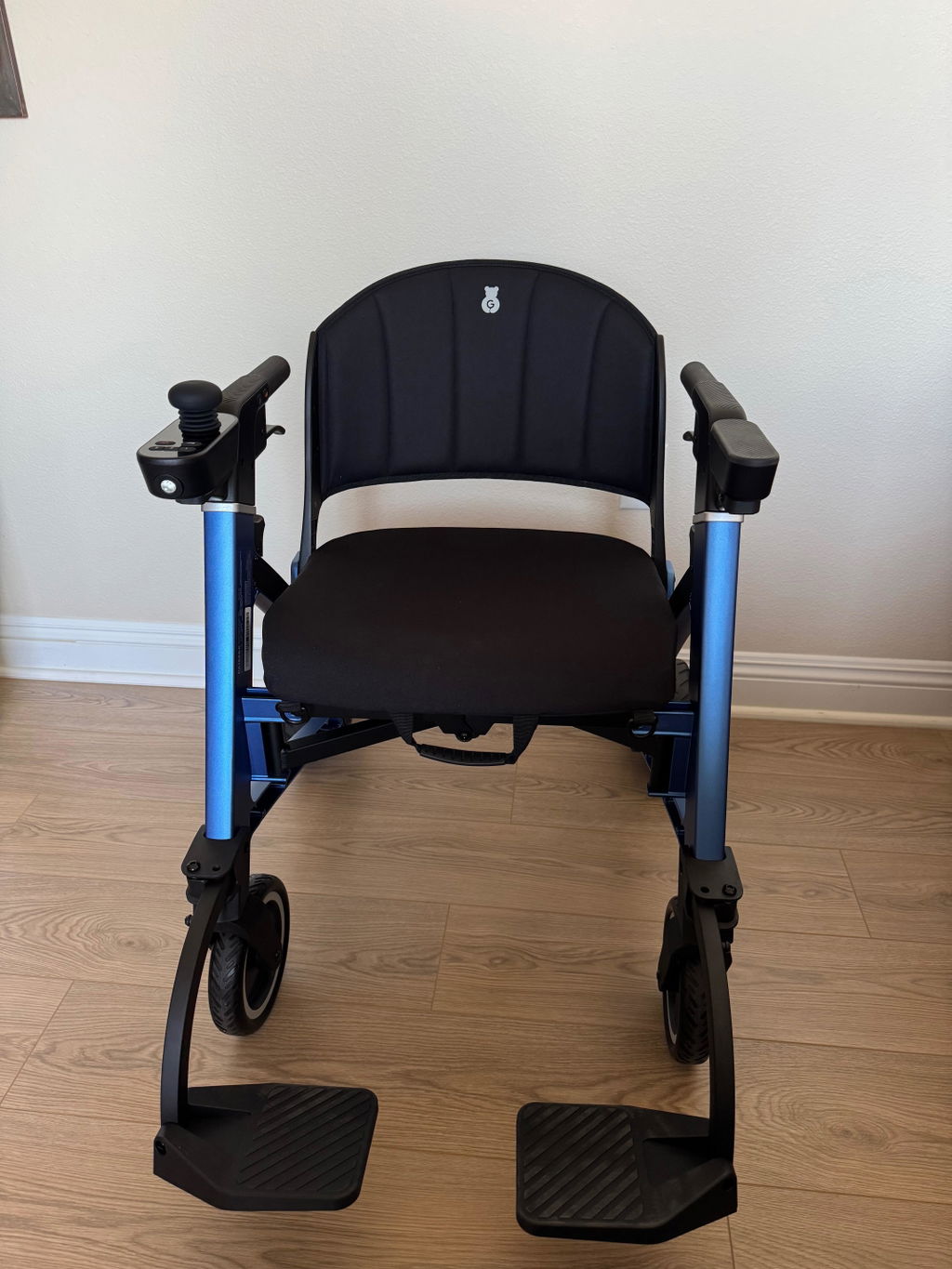
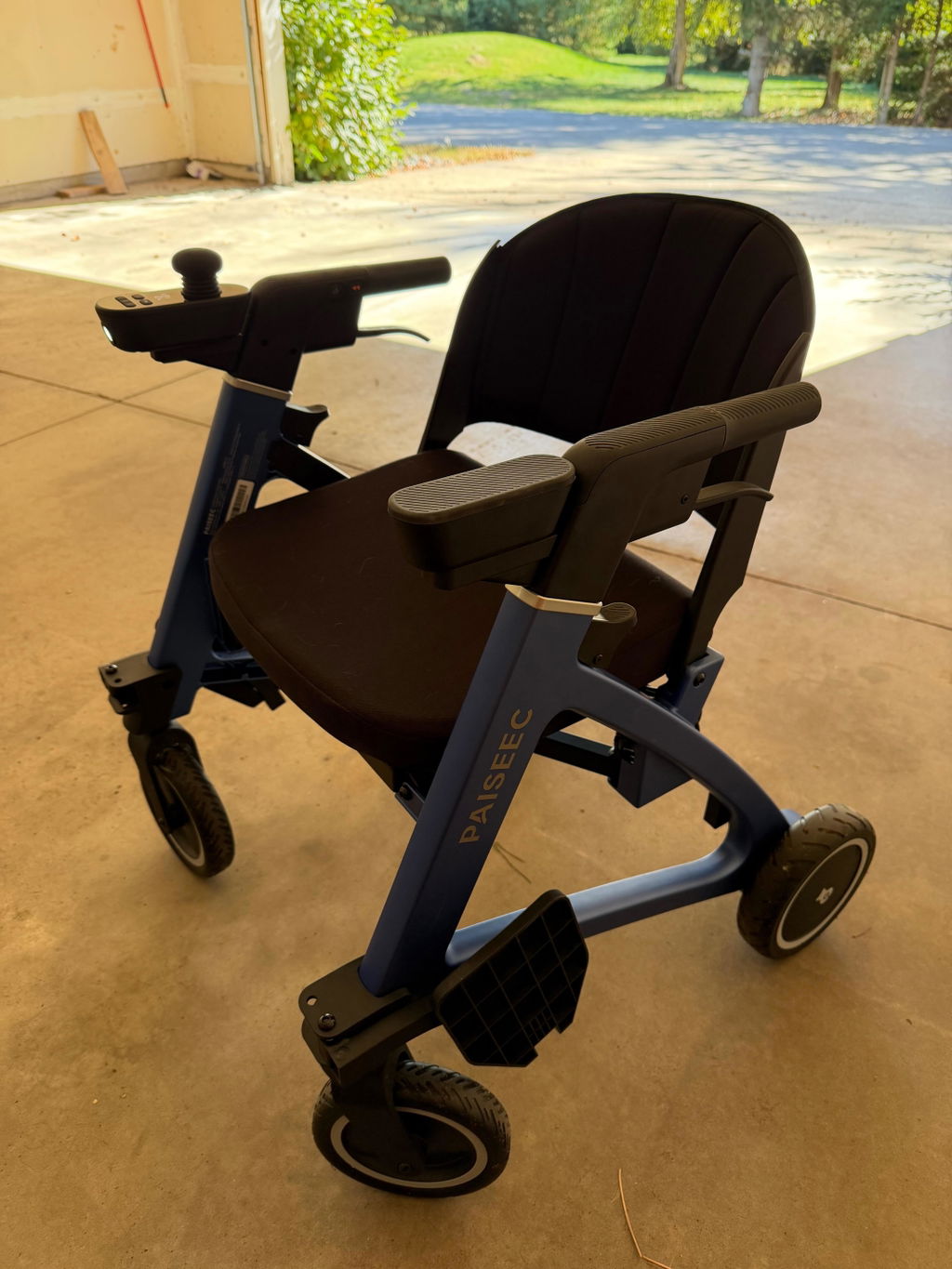
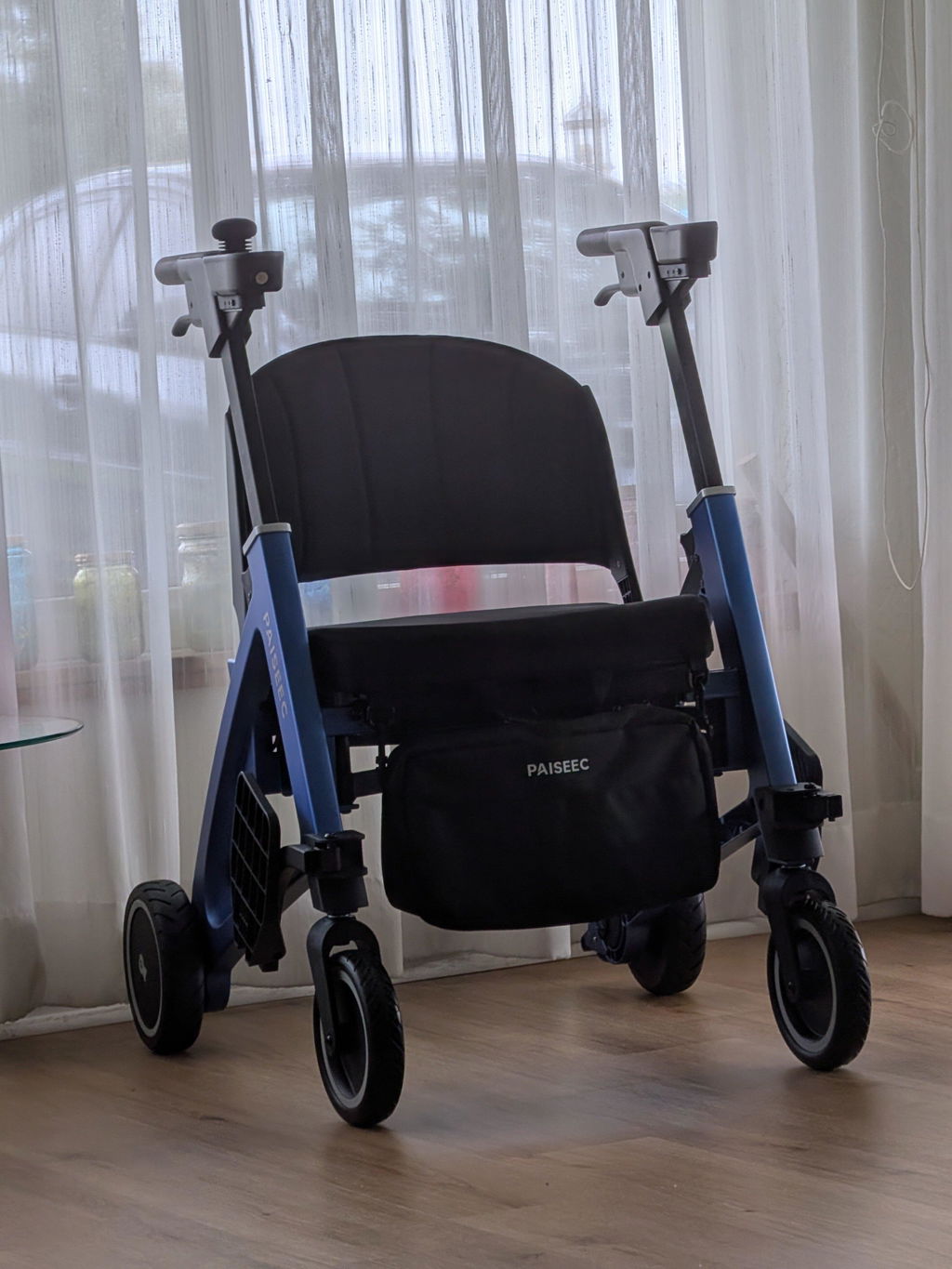
The Paiseec S3 includes adjustable armrests, a padded ergonomic seat, and a full suspension system that absorbs shocks from gravel and trail bumps. Users report significantly less discomfort compared to standard scooters. Good seating also improves stability, reducing the risk of slipping during turns. Many buyers focus on specs like motor power but regret skipping comfort features until they're dealing with back pain mid-ride.
Key Features to Compare: S3 All-Terrain vs Standard Outdoor Scooters
The S3 All-Terrain outperforms standard models in every category critical for rough terrain. Its larger tires, stronger motor, and extended range make it the only choice for serious outdoor enthusiasts. Standard scooters work for paved paths but fail on grass, gravel, or trails. Don't let a lower price convince you to buy a scooter that can't handle your lifestyle.
When All-Terrain Scooters Still Won't Work: Real Limitations
Even the best all-terrain mobility scooter has limits. Extremely steep inclines over 20 degrees, deep mud, loose sand, or rocky terrain with large obstacles will still challenge any consumer-grade scooter. The Paiseec S3 handles moderate trails well but isn't designed for professional off-road use.
Battery range drops 30–40% on very rough terrain. Weight capacity matters too: riders over 240 lbs will experience reduced range and slower acceleration. Cold temperatures below 40°F also decrease battery performance. Some users expect a scooter to handle any terrain like an ATV, then face disappointment. Understanding these limitations prevents frustration. If you need to cross steep mountain passes or deep mud regularly, consider alternatives like all-terrain wheelchairs or ASSIST vehicles instead.
How to Test Before Buying: What to Check on Demo Rides
Before purchasing, test the scooter on the exact surfaces you'll use it most. Drive on grass, gravel, and a mild incline. Check acceleration, braking smoothness, and seat comfort after 15 minutes. Verify the battery indicator matches actual remaining range.
Ask about warranty terms—Paiseec Mobility offers a 5-year warranty for the frame and 1-year for the battery, reflecting their commitment to rigorous testing. Check if the scooter folds for transport. Confirm customer service responsiveness; the company provides user manuals, order tracking, and professional support across the continental U.S. with 3–10 business day shipping. Many buyers skip demos and regret poor performance later.
Paiseec Expert Views
From an engineering perspective, the critical factor in all-terrain performance is the balance between motor torque, tire traction, and suspension design. The 250W brushless motor delivers consistent power without the heat buildup common in brushed motors during extended rough-terrain use. The PAi intelligent safety riding system—developed through Paiseec's five advanced laboratories—provides auto speed control and seat sensors that prevent accidents when the rider isn't properly positioned.
Battery chemistry matters more than most buyers realize. The 36V 12Ah lithium battery in the S3 offers superior energy density compared to 24V systems, translating directly to extended range without adding weight. For seniors with mobility challenges, the foldable design and 70.5-pound weight make transport feasible in standard vehicles. The combination of these technical elements creates a scooter that genuinely handles grass, gravel, and trails—not just claims to.
Frequently Asked Questions
Can a mobility scooter handle grass without getting stuck?
Yes, if it has a 250W+ motor and large pneumatic tires. Standard scooters with small wheels and weak motors will stall in grass. The Paiseec S3's 250W brushless motor and 9–10 inch tires provide enough traction and power for most grassy surfaces.
What's the real difference between outdoor and all-terrain scooters?
Outdoor scooters handle paved paths and smooth gravel. All-terrain scooters like the S3 conquer grass, mud, steep inclines, and rough trails thanks to stronger motors, larger tires, and full suspension. Don't confuse "outdoor" with "all-terrain."
How long does the battery last on rough trails?
On smooth pavement, the S3 reaches 25–50 miles. On rough trails, range drops to 15–20 miles due to increased resistance. Terrain type, rider weight, and speed all affect actual performance.
Is the Paiseec S3 safe for seniors with arthritis?
Yes. The brushless motor provides smooth acceleration without jerky starts, reducing joint stress. The ergonomic seat, adjustable armrests, and full suspension minimize discomfort during long rides. The PAi safety system adds auto speed control for extra protection.
What's the warranty on Paiseec mobility scooters?
Paiseec offers a 5-year warranty on the frame and 1-year on the battery. They also provide a 30-day money-back guarantee and free shipping within the continental U.S., reflecting their customer-centric approach founded in 2021.
Leave a comment
This site is protected by hCaptcha and the hCaptcha Privacy Policy and Terms of Service apply.