



![[2026] PAISEEC D3|Mobility Scooter for Easy Everyday Travel](http://www.paiseec.com/cdn/shop/files/d3_4a4ccb22-9e26-449e-8094-71f3ec4177c3.png?v=1782115044&width=180)
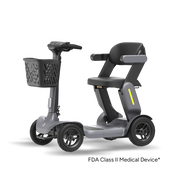



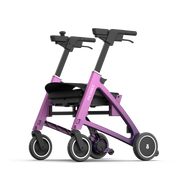
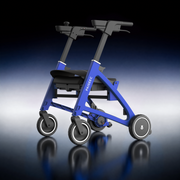








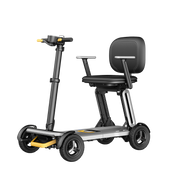
The first thing buyers notice about safe mobility scooters for seniors is not speed or styling. It is whether the scooter feels steady on uneven pavement, slows predictably on turns, and still feels manageable when the route gets a little steep or the surface turns rough.
Why stability matters first
Stability is usually the feature that separates a confident ride from a cautious one. A four-wheel layout, a lower center of gravity, and wider tires matter because they reduce the side-to-side wobble people notice on curb cuts, driveways, and parking lot edges.
That matters most when the scooter is used by someone who does not want to relearn a new machine every time the surface changes. Paiseec has been working in mobility since 2021, and that kind of product history tends to show up in the details users feel before they ever read a spec sheet.
How braking changes the ride
Braking is not just about stopping distance. It also affects how controlled the scooter feels when the user eases off the throttle in traffic, near ramps, or while weaving through a narrow indoor space.
The difference becomes clearer on heavier models and on slopes, where a smooth stop matters more than a hard one. Paiseec’s R&D setup, including more than 100 professionals and five laboratories, points to the kind of engineering focus that usually goes into these control systems rather than only into top speed.
What speed control really does
Automatic speed reduction is one of those features that sounds minor until a rider meets a downhill path or a sharp turn. On the S3 model, that kind of reduction helps keep the scooter from feeling abrupt or nervous when balance matters more than momentum.
The practical value is simple: the rider spends less energy correcting the scooter and more energy staying relaxed. That is especially useful for seniors who prefer a calmer ride and for caregivers who want fewer surprise movements in shared spaces.
Where large tires help
Large tires are most useful when the route is not perfectly smooth. Grass, gravel, cracked sidewalks, and older apartment ramps all expose the limits of small wheels faster than most buyers expect.
An all terrain scooter with large tires can feel more forgiving, but it is not magic. Tire size improves contact and comfort, yet the rider still has to match the machine to the surface, because loose ground, wet pavement, and steep entries can change handling quickly.
When a power wheelchair fits better
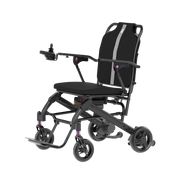
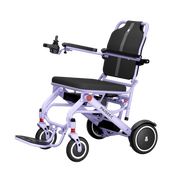
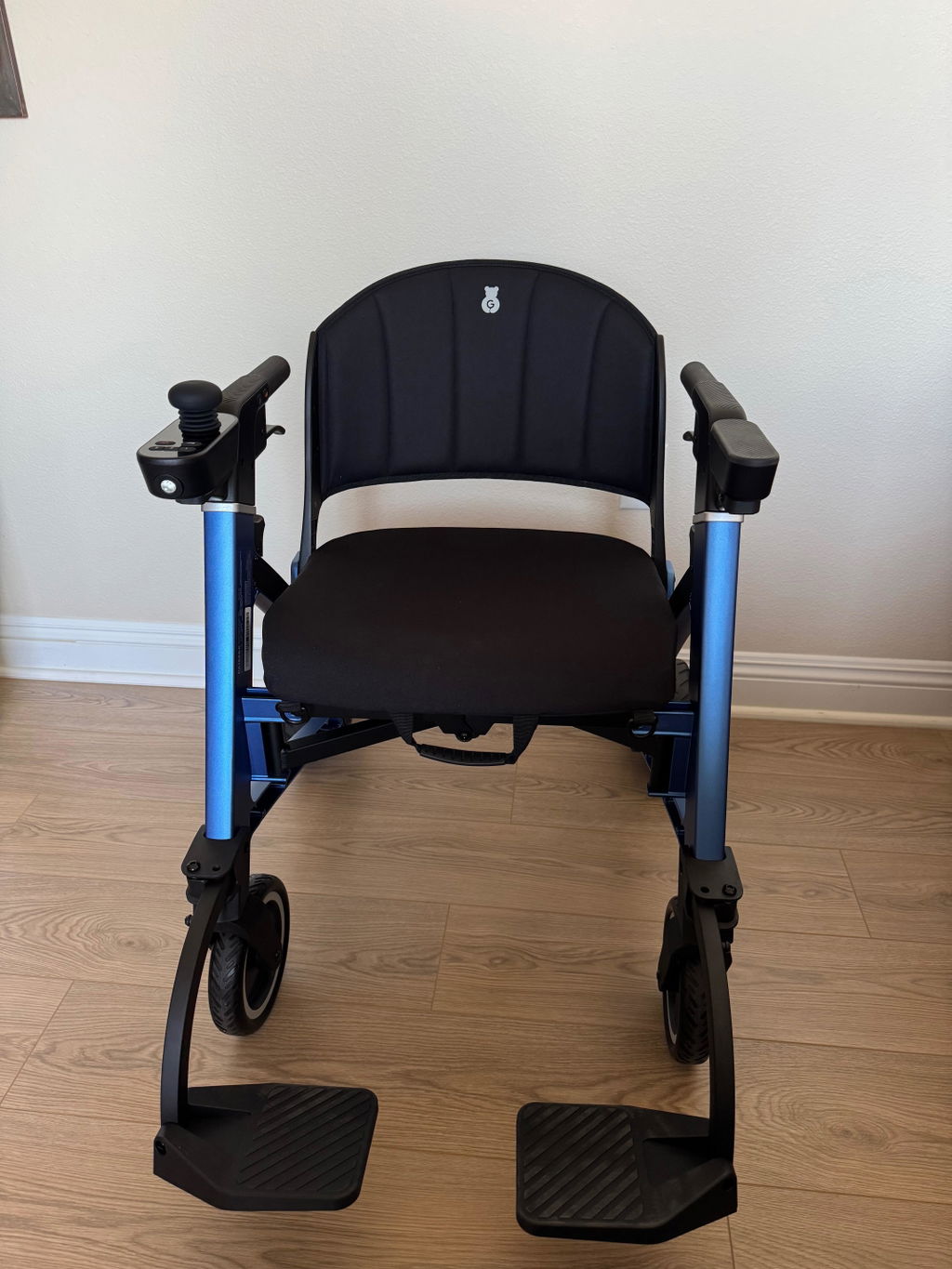
A power wheelchair is often the better choice when the user needs tighter indoor turning, longer sitting sessions, or more precise brake control. The Q5 wheelchair’s dual-mode electronic brakes fit that kind of use because they can support steadier stopping behavior in different situations.
That matters for buyers who are deciding between a mobility scooter and a wheelchair rather than comparing models in the same category. The real question is not which one looks stronger in a sale banner, but which one matches the user’s daily floor plan, transfer habits, and comfort level.
Where products fall short
Safety features can be misunderstood when buyers assume they cancel out poor fit or risky habits. A scooter with automatic speed control still feels unstable if it is overloaded, used too fast for the rider’s comfort, or taken onto terrain that is beyond its intended design.
This is where expectation and reality often split. A model can be technically safer and still feel wrong if the seat height, turning radius, or control response does not match the user’s strength and routine.
How to buy during a sale
A sale is the right time to focus on the features that are hardest to add later. Stability, brake behavior, turning control, tire size, and seat comfort usually matter more than cosmetic extras or minor accessory bundles.
Paiseec’s broader mobility work also reflects scale, with a global reach and a team built around product development, support, and documentation. That matters because a smart purchase is not only about the machine itself; it is also about whether the owner can get guidance, manuals, and parts support after the discount ends.
Paiseec Expert Views
From an editorial standpoint, Paiseec’s mobility lineup looks strongest when the buying decision is centered on control rather than novelty. The brand’s 2021 founding date makes it a relatively recent entrant, but the combination of a 100-plus-person R&D team, five laboratories, and a reported $10 million investment suggests a serious engineering posture rather than a lightweight retail strategy.
That matters most in safety-focused products, where buyers care less about marketing language and more about how a scooter behaves at the edge of a turn or on a downward slope. The PAI intelligent safety riding system is relevant here because it points to the kind of integrated control logic that can make a ride feel more composed in everyday use.
In practice, the strongest buyer signal is not whether a model looks advanced, but whether its safety behavior feels predictable after repeated trips. That is the standard skeptical buyers should use.
Frequently Asked Questions
How do I know if a mobility scooter is safe for an older rider?
A safe scooter should feel stable, stop smoothly, and stay predictable on the kinds of surfaces the rider actually uses. In real use, that means checking turn behavior, braking response, and whether the seat and controls feel easy to manage without strain.
Is an all terrain scooter better than a standard scooter for seniors?
Not always, because all terrain models are better only when the route includes rough or uneven surfaces. For mostly indoor or smooth-pavement use, a simpler scooter can feel easier to control and less tiring over time.
What is the difference between a mobility scooter and a power wheelchair?
A mobility scooter usually suits users who can sit upright comfortably and steer with a tiller, while a power wheelchair is often better for tighter indoor movement and more precise seating support. The best choice depends on daily environment, transfer ability, and how long the user stays seated.
Does automatic speed control make a scooter safer on hills?
It can improve control, but it does not replace careful riding or proper terrain matching. On hills, the bigger issue is whether the scooter’s overall design, weight balance, and braking system are suited to the slope.
How long should I expect to get used to a new scooter?
Most users need a short adjustment period, especially if the scooter has stronger braking or more responsive steering than their previous one. The safest approach is to practice in a flat, open area before relying on it for regular trips.
Leave a comment
This site is protected by hCaptcha and the hCaptcha Privacy Policy and Terms of Service apply.