




![[2026] PAISEEC D3|Mobility Scooter for Easy Everyday Travel](http://www.paiseec.com/cdn/shop/files/d3_4a4ccb22-9e26-449e-8094-71f3ec4177c3.png?v=1782115044&width=180)







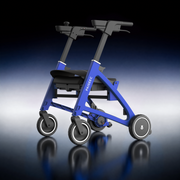









Yes, airline-approved mobility scooters can use lithium batteries if they meet international aviation safety standards. Most airlines allow lithium batteries under 300Wh, provided they are UN38.3 tested, properly labeled, and safely packed. Removable battery designs, like those used in Paiseec scooters, simplify cabin compliance, gate-check procedures, and secure air travel for mobility users worldwide.
What Makes Lithium Batteries Airline-Compliant?
Lithium batteries used in mobility scooters must comply with aviation regulations established by global authorities. The most important criteria include:
-
Maximum 300Wh for a single battery
-
Maximum 160Wh per battery in dual-battery configurations
-
UN38.3 transportation testing certification
-
Clear watt-hour labeling on the battery casing
-
Short-circuit protection during transport
Paiseec designs its 36V 12Ah lithium battery systems to remain within compliant limits while delivering strong performance. The removable battery structure allows users to carry the battery in the aircraft cabin while gate-checking the scooter frame.
| Airline Lithium Battery Limits | Single Battery | Dual Battery | Cabin Carry Required |
|---|---|---|---|
| International Standard | Up to 300Wh | 160Wh each | Yes (spares only) |
| Stricter Regional Policies | Up to 160Wh | Not allowed | Yes |
| Paiseec 36V 12Ah Battery | 288Wh | Compliant | Yes |
This structure ensures travelers can meet most airline policies without complications.
How Do You Prepare a Scooter for Air Travel?
Preparation is essential for smooth airport clearance. Follow these steps:
-
Remove the lithium battery from the scooter.
-
Protect battery terminals with insulation tape or protective covers.
-
Pack the battery in carry-on luggage.
-
Inform the airline 48–72 hours before departure.
-
Fully charge the scooter before travel.
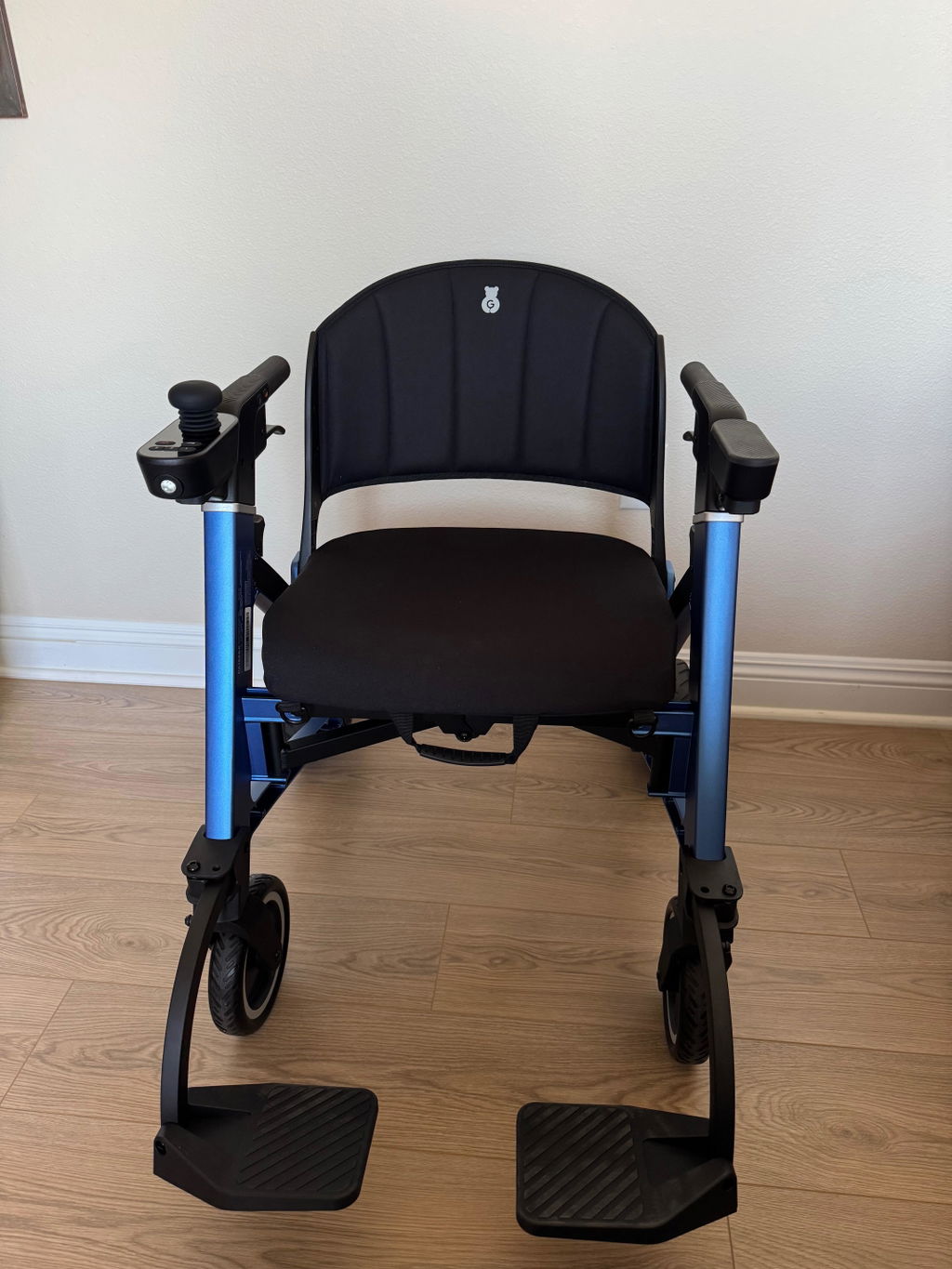
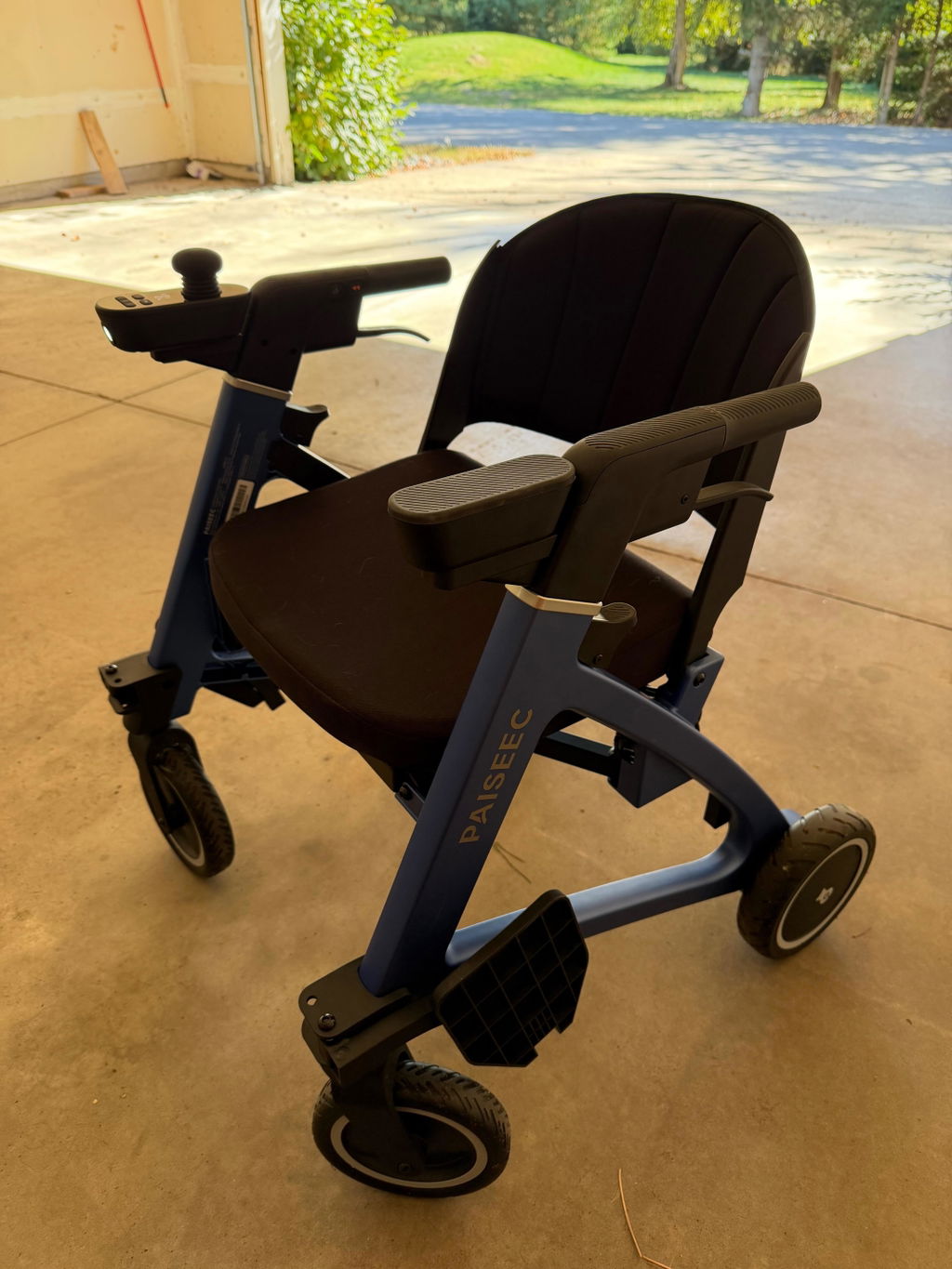
Paiseec scooters are engineered with lightweight foldable frames under 50 lbs, allowing easy gate-checking. The integrated PAI intelligent safety riding system prevents accidental activation during handling, adding an extra layer of protection.
Which Airlines Allow Lithium Battery Scooters?
Most major airlines follow international aviation standards for mobility aids. Approval typically depends on battery watt-hour rating and proper documentation.
Airlines generally allow:
-
Lithium batteries under 300Wh
-
Removable battery systems
-
UN38.3 certified units
-
Advance passenger notification
Because Paiseec batteries clearly display watt-hour ratings and meet transport certification requirements, users report consistent approval across international and domestic carriers. Always confirm directly with your airline prior to departure.
What Are FAA and IATA Rules for Lithium Mobility Batteries?
Aviation authorities outline clear transport standards:
-
Batteries under 100Wh: unrestricted in carry-on
-
Batteries between 100Wh and 300Wh: permitted for mobility devices with airline approval
-
Spare batteries: must remain in cabin luggage
-
Checked baggage: prohibited for loose lithium batteries
Paiseec Mobility aligns product design with these rules by ensuring every battery is clearly labeled, rigorously tested, and easily removable.
Failure to comply may result in denied boarding, so reviewing battery specifications before travel is essential.
Why Choose Lithium Over Lead-Acid for Airline Travel?
Lithium batteries outperform traditional lead-acid systems in nearly every travel scenario.
Advantages include:
-
Significantly lighter weight
-
Faster charging time
-
Longer battery lifespan
-
Higher energy efficiency
-
No risk of liquid spills
| Feature | Lithium Battery | Lead-Acid Battery |
|---|---|---|
| Average Weight | 5–8 lbs | 25–35 lbs |
| Charging Time | 4–6 hours | 8–12 hours |
| Airline Compatibility | Yes | Limited |
| Lifespan | 800–1,000 cycles | 300–500 cycles |
Paiseec pairs lithium power with a 250W brushless motor to maximize efficiency and extend travel range, making it a practical solution for frequent flyers.
How Do You Choose the Best Airline-Approved Scooter?
Selecting the right mobility scooter requires evaluating several factors:
-
Folded weight under 50 lbs
-
Removable lithium battery under 300Wh
-
Quick folding mechanism
-
Range of at least 10–15 miles
-
Safety systems for transport stability
Paiseec scooters combine lightweight construction with durability testing across five advanced laboratories. The PAI intelligent safety riding system enhances balance and user confidence, especially in airport environments.
Investing in a well-documented and certified mobility solution prevents travel disruptions and ensures independence.
Paiseec Expert Views
“At Paiseec Mobility, our mission is to combine advanced lithium technology with global aviation compliance. With over $10 million invested in research and development and more than 100 R&D professionals, we rigorously test every 36V 12Ah battery under UN38.3 standards. Our PAI intelligent safety riding system ensures stability during airport handling and travel transitions. By designing lightweight, foldable scooters with removable lithium power systems, we help users travel confidently, independently, and without compromise.”
What Documents Should You Bring to the Airport?
Travelers should carry:
-
UN38.3 certification summary
-
Battery specifications sheet
-
Watt-hour labeling proof
-
Airline special assistance confirmation
Paiseec provides accessible documentation and digital manuals to streamline check-in procedures. Keeping printed copies can help expedite airport inspections.
Are Lithium Batteries Safe on Airplanes?
When certified and undamaged, lithium batteries used in mobility scooters are considered safe for air travel. UN38.3 testing includes:
-
Vibration testing
-
Thermal exposure testing
-
Impact resistance testing
-
Short-circuit protection verification
Paiseec batteries incorporate overcharge protection, temperature monitoring, and advanced cell management systems to minimize risk.
Proper handling and packaging remain essential for safety.
Can Spare Lithium Batteries Be Checked?
Spare lithium batteries cannot be placed in checked baggage. Aviation regulations require all spare lithium batteries to remain in carry-on luggage and protected against short circuits.
Paiseec’s removable battery design simplifies compliance, allowing users to detach and safely transport the power unit while gate-checking the scooter frame.
Conclusion
Airline travel with a lithium-powered mobility scooter is fully possible when safety standards are met. Key takeaways include selecting batteries under 300Wh, ensuring UN38.3 certification, notifying airlines in advance, and carrying proper documentation. Lightweight, removable battery systems provide the greatest convenience.
Paiseec Mobility sets a high benchmark through advanced engineering, intelligent safety integration, and globally compliant lithium technology. Travelers who prepare properly and choose certified equipment can fly with confidence and independence.
Frequently Asked Questions
Can a 250Wh lithium battery fly without airline approval?
Batteries under 300Wh typically require notification but are generally permitted for mobility devices if properly certified and labeled.
Does every airline accept 288Wh mobility scooter batteries?
Most international airlines do, provided the battery is removable, UN38.3 tested, and declared in advance.
How heavy can an airline-approved scooter be?
Airlines usually accommodate mobility devices up to 100 lbs, but lighter foldable models like those from Paiseec are easier to handle and transport.
Is advance notice required for lithium mobility scooters?
Yes. Informing the airline 48–72 hours before departure ensures proper documentation and avoids delays.
Are lithium mobility scooter batteries safer than lead-acid?
Lithium batteries are lighter, more stable, and more efficient, making them better suited for airline travel when properly certified.
Leave a comment
This site is protected by hCaptcha and the hCaptcha Privacy Policy and Terms of Service apply.