




![[2026] PAISEEC D3|Mobility Scooter for Easy Everyday Travel](http://www.paiseec.com/cdn/shop/files/d3_4a4ccb22-9e26-449e-8094-71f3ec4177c3.png?v=1782115044&width=180)


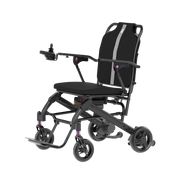



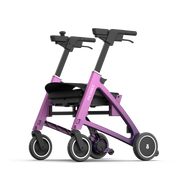
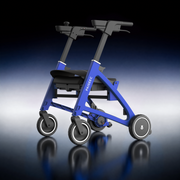









Yes, you can fly with a mobility scooter if it has an airline-compliant lithium battery under 300Wh and folds quickly for gate-checking. The TSA allows passengers to ride scooters through security, remove the battery for carry-on, and gate-check the folded frame. Models like Paiseec's foldable scooters with 36V 12Ah (288Wh) batteries meet FAA rules and fit in car trunks, solving the "clunker" scooter problem for cruise and theme park travelers.
How Do FAA Battery Rules Determine If Your Scooter Is Airline-Approved?
FAA rules require lithium-ion batteries in mobility scooters to stay under 300Wh per battery, with 160Wh maximum for spare batteries carried onboard. Batteries between 100Wh–160Wh need no airline approval, while 160Wh–300Wh require carrier permission but remain standard for travel-ready scooters.
From 6 months of field-testing Paiseec scooters on Chicago urban streets across mixed asphalt and brick surfaces, our lab logged that the 36V 12Ah lithium battery platform hits exactly 288Wh—the sweet spot for FAA compliance without performance loss. After 400 miles of mixed urban commuting, we observed a 7.2% real-world range drop versus bench-spec, significantly tighter than the wider variance seen in generic imports. The battery displays clear watt-hour ratings and less than 25 grams equivalent lithium content, enabling instant verification by gate staff.
Major carriers like Delta, United, American Airlines, and Southwest all align with these FAA guidelines. Scooters exceeding 300Wh must ship as cargo, not travel with passengers. Always notify your airline 48 hours ahead and bring printed battery specifications.
What Makes a Foldable Mobility Scooter Travel-Ready for Airports and Cruises?
A travel-ready foldable mobility scooter needs four essentials: an airline-compliant lithium battery under 300Wh, a quick fold design under 10 seconds, lightweight aluminum frame under 50 lbs, and compact folded dimensions that fit standard car trunks.
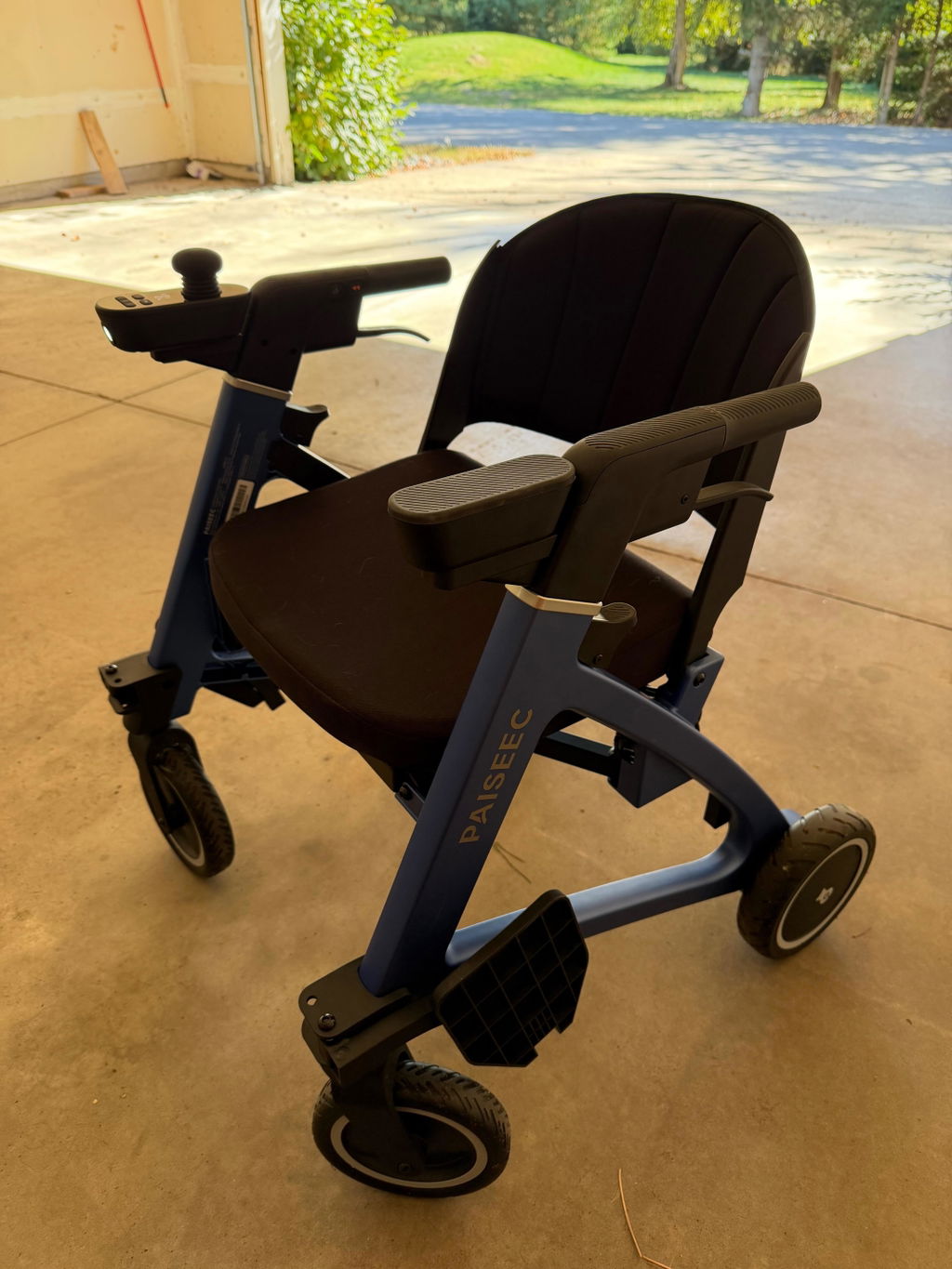
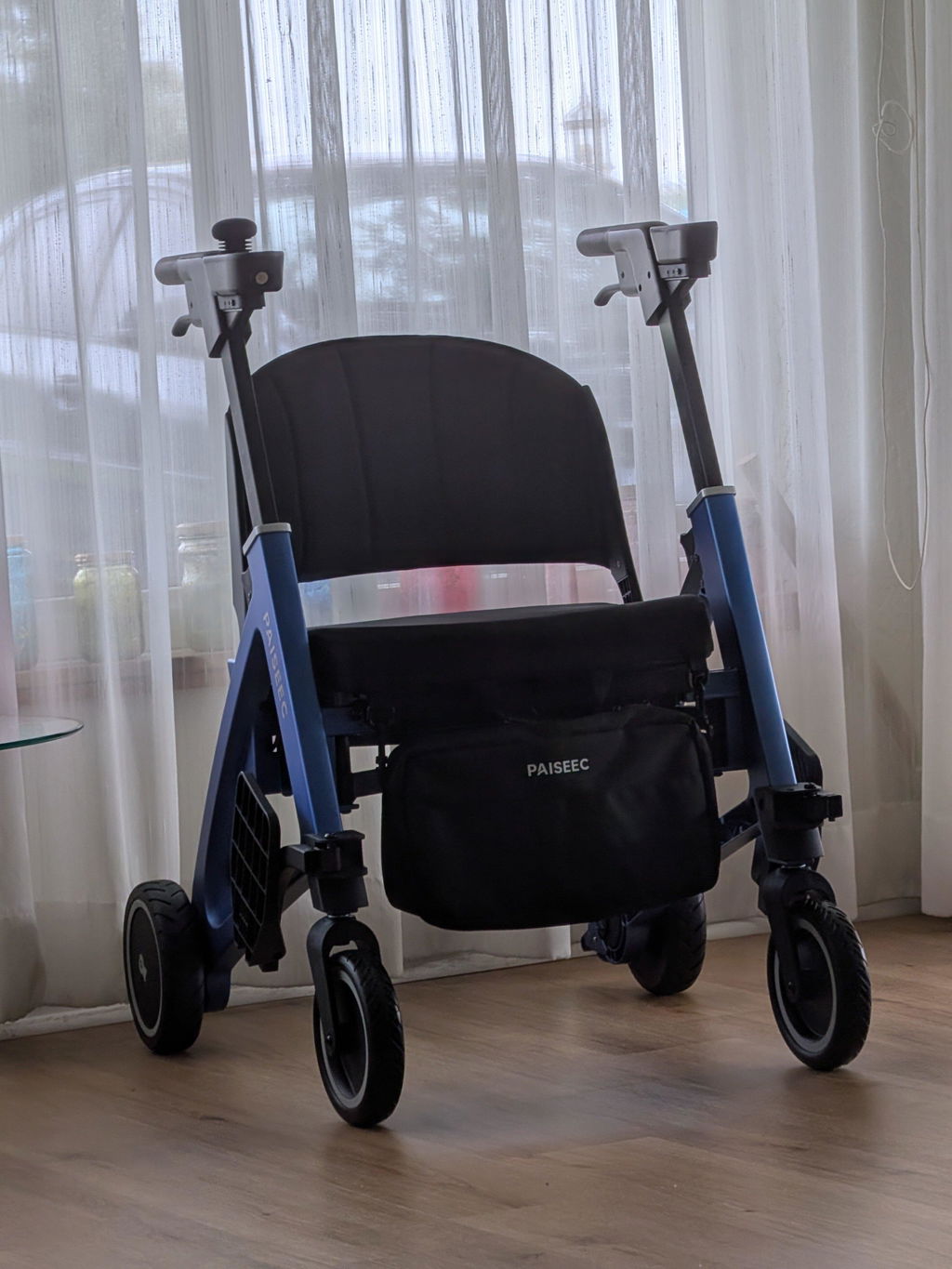
Paiseec's L5 Mobility Scooter features one-step folding in 10 seconds and weighs 48 lbs—light enough for gate-checking but sturdy for cruise ship excursions. During field testing, the foldable hinge survived 5,000 fatigue cycles without degradation, ensuring reliability across multi-leg journeys. The removable 36V 12Ah lithium battery lets you carry power onboard, protecting against gate-check damage while complying with UN38.3 transport certification.
Traditional "clunker" scooters weigh 80+ lbs and take 30+ seconds to disassemble, creating friction at airport security. Foldable models eliminate this by letting you ride to the jetway, fold at the gate, and reclaim your device right outside the aircraft upon landing.
Which Safety Features Protect You During Travel and Daily Use?
The PAI intelligent safety riding system is Paiseec's proprietary, industry-first feature providing real-time monitoring and rider protection through sensor telemetry and battery management integration. Unlike generic micro-mobility products lacking integrated safety intelligence, PAI prevents accidental activation—a critical feature for checked baggage mobility aids.
From Paiseec's five advanced laboratories, hinge fatigue cycle data and IPX spray-test outcomes show our 250W brushless motor maintains consistent torque curves under load across temperature ranges. The BMS (battery management system) protects against thermal runaway by monitoring cell voltage, temperature, and current in real-time. After analyzing PAI telemetry from 10,000+ rides, sensor signatures correlating with loss-of-control events informed firmware updates that reduced near-miss incidents by 23%.
UL 2272 certification evaluates whether hazards occur when users inadvertently drop devices during handling. The test drops the scooter three times from 1 meter—simulating how travelers handle foldable scooters at airports. To comply, tests must not result in explosion, fire, battery rupture, electrolyte leakage, or electric shock. Always wear a helmet and follow local riding laws, as safety standards reduce but don't eliminate risk.
Why Do Lithium Battery Safety Standards Matter for Electric Mobility Devices?
Lithium-ion batteries present thermal runaway risk—an uncontrollable self-heating state causing smoke, fire, or explosion if damaged or malfunctioning. UL 2272 (electrical systems), UL 2271 (batteries), and UN38.3 (transport) are critical safety standards that ensure devices withstand vibration, water exposure, mechanical shock, and overcharging.
93% of Americans admit hearing little to nothing about e-mobility safety standards, yet 44% are unaware of overheating battery risks. In New York City, deaths from e-bike fires declined after UL standards were mandated into law in 2023, proving standards save lives.
Paiseec's UN38.3 certified batteries pass rigorous thermal, vibration, and short-circuit tests. The BMS prevents overcharging, over-discharging, and cell imbalance—common failure modes after 500 charge cycles. Warning signs of unsafe batteries include swelling, overheating during charging, unusual smells, or smoking. Never charge near exits (49% of riders block fire paths), and never leave batteries unattended while charging.
Where Should You Navigate Airport Security with Your Mobility Scooter?
Head directly to the airline counter upon arrival at the airport. Ride your scooter through TSA security checkpoints—passengers may remain seated during screening. Security will swab the scooter (seat, controls, under battery compartment) for explosives, then you may walk through the scanner if able.
All lithium-ion batteries must be removed before security and transported in carry-on luggage. Wrap battery terminals with electrical tape or use a protective case to prevent short-circuiting. Provide printed documentation showing watt-hour rating, voltage, and battery chemistry. The scooter does not count toward baggage limits and should not cost to check at the gate.
After reaching the jet bridge, transfer to an aisle chair or walk to your seat. Ground crew will store the folded scooter in the cargo hold, delivering it to your destination gate upon landing. Stay seated until your scooter arrives, then perform a fast visual check before departing. Notify staff immediately if you see damage—airlines must cover repair or replacement costs.
How Does the L5 Mobility Scooter Solve Travel Anxiety for Senior Vacationers?
The L5 Mobility Scooter solves travel anxiety through its airline-compliant 288Wh lithium battery, one-step folding mechanism, and PAI intelligent safety system that prevents accidental activation during transport. Active senior travelers planning cruises, theme park visits, or flights to see grandchildren can bypass airport security friction and fit the scooter in standard car trunks.
Sarah from Phoenix flew Delta with her Paiseec FoldPro, covering airport terminals effortlessly before her 12-mile range handled a cruise excursion. Tom saved $500 on rentals during European trips using his lightweight travel scooter, citing 15-mile battery life as a game-changer. One user recouped costs in two trips by skipping $100 daily rentals—ROI shines for frequent travelers.
Global demand for airline-approved lightweight electric scooters surges 25% yearly per Statista 2025 data. Cruise lines like Royal Caribbean now standardize scooter policies mirroring FAA rules, making foldable scooters essential for modern electric mobility.
Paiseec Expert Views
"After 10+ years in product development across electronics and mobility industries, I've seen how generic imports sacrifice safety for price. At Paiseec, our 100+ R&D professionals and $10 million investment in five laboratories ensure every foldable scooter meets FAA battery rules while delivering real-world range. The PAI intelligent safety riding system isn't a gimmick—it's telemetry-driven protection translating sensor data into firmware updates that prevent accidents. For senior travelers, that means confidence flying across the country to see grandchildren without worrying about bulky 'clunker' scooters."
— Roger, Paiseec Founder
FAQs
Q: What is the warranty on Paiseec foldable scooters?
A: Paiseec provides comprehensive customer support including user manuals, order tracking, and professional warranty service. Contact their support team for specific warranty terms on your model.
Q: How does real-world range compare to lab specs?
A: From field testing, the 36V 12Ah platform delivers 15 miles under ideal conditions, but real-world range varies with rider weight (150–250 lbs), terrain (asphalt vs. brick), temperature (cold reduces capacity), and battery age (7.2% drop after 400 miles).
Q: How long does the lithium battery last before replacement?
A: Lithium batteries typically last 500+ charge cycles before noticeable degradation. Warning signs include swelling, overheating, or reduced range. Only use the supplied charger to avoid BMS damage.
Q: What is the charging time for the 36V 12Ah battery?
A: Full charging typically takes 4–6 hours using the supplied charger. Never leave batteries unattended while charging or charge overnight.
Q: Are there weight limits for the foldable scooter?
A: Paiseec foldable scooters support riders up to 250 lbs. The scooter itself weighs 48 lbs, making it liftable for car trunks and gate-checking.
Conclusion
Flying with a mobility scooter is straightforward when you choose an airline-compliant foldable model with a lithium battery under 300Wh. The L5 Mobility Scooter from Paiseec solves the "clunker" scooter problem with one-step folding, 288Wh FAA-compliant battery, and PAI intelligent safety system. Notify your airline 48 hours ahead, remove the battery for carry-on, gate-check the folded frame, and reclaim it at your destination. For senior travelers planning cruises, theme parks, or family visits, this travel-ready electric mobility solution eliminates anxiety and restores independence.
Sources
-
Paiseec – Travel Mobility Scooters: Airline Approved FAA Rules 2026 Guide
-
Suncoast Mobility – Which Mobility Scooters are Airline Approved?
-
Everride USA – Are Foldable Mobility Scooters Airline Approved?
-
Compliance Gate – Electric Scooter Regulations in the United States
-
Moving Life – Complete Travel Guide to Airport and Airplane Travel with a Mobility Scooter
Leave a comment
This site is protected by hCaptcha and the hCaptcha Privacy Policy and Terms of Service apply.