




![[2026] PAISEEC D3|Mobility Scooter for Easy Everyday Travel](http://www.paiseec.com/cdn/shop/files/d3_4a4ccb22-9e26-449e-8094-71f3ec4177c3.png?v=1782115044&width=180)







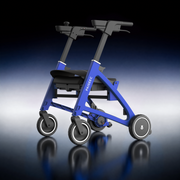









Carbon fiber is usually the better choice if you want the lightest frame, easier lifting, and a firmer, more premium ride. Aluminum is usually the smarter choice if you want lower cost, simpler repairs, and dependable everyday durability. The right option depends on your travel habits, strength, terrain, budget, and how often you need to fold, load, and carry the chair.
What should buyers compare first?
When comparing carbon fiber vs aluminum electric wheelchair models, start with weight, price, repairability, and daily handling. Those four factors affect real-life convenience more than spec sheets because they shape how the chair feels in a trunk, on a curb, at home, and during every transfer.
Carbon fiber typically wins on portability and stiffness. Aluminum usually wins on value, serviceability, and tolerance for minor impacts. If your chair is lifted often, the material choice changes your whole mobility experience.
How does carbon fiber differ from aluminum?
Carbon fiber is a composite built for very high stiffness at very low weight, while aluminum is a metal alloy valued for practicality and easier fabrication. In electric wheelchairs, carbon fiber often feels more rigid and refined, while aluminum usually gives a more familiar balance of strength, cost, and repair convenience.
Carbon fiber does not bend and dent the same way metal does. That means it can feel impressive in everyday use, but it may be less forgiving after a hard hit. Aluminum can flex or dent first, which sometimes makes damage easier to manage.
Which material is lighter?
Carbon fiber is lighter, often by a noticeable margin. That matters whenever the wheelchair must be lifted into a car, carried up steps, folded repeatedly, or handled by a caregiver.
Paiseec’s Q5 carbon fiber electric wheelchair shows why weight reduction matters in the real world. A lighter frame makes travel easier, reduces lifting strain, and lowers the friction that often discourages users from going out more often.
If portability is your top priority, carbon fiber is the clear leader. If you want a more affordable option with strong everyday usability, aluminum still offers excellent value.
Why do many buyers still choose aluminum?
Aluminum remains popular because it solves the most common wheelchair problems without pushing the price too high. It is lighter than steel, easier to service than carbon fiber, and usually cheaper to buy and maintain.
For many users, the best wheelchair is not the lightest one. It is the one that can be repaired easily, remains dependable over time, and fits the budget without sacrificing too much convenience. Aluminum usually delivers that balance.
How do they compare in durability?
Durability depends on the kind of stress the chair sees. Carbon fiber is excellent at resisting repeated vibration and fatigue in normal use, but it is less forgiving after direct impact. Aluminum is often more resilient in rougher handling because it can dent or bend before failing.
That difference matters for daily mobility. If your chair is exposed to curb strikes, frequent loading, or care environments where handling is not always gentle, aluminum can be the safer practical choice. If the chair is handled carefully and lifted often, carbon fiber can perform beautifully for years.
Does carbon fiber improve ride quality?
Yes, carbon fiber often creates a firmer, more controlled ride because the frame flexes less. Many users like that direct feel because it can make the chair feel efficient, stable, and premium on smooth indoor floors and urban sidewalks.
Aluminum can feel slightly more forgiving in rough settings. The better ride is not only about frame material, though. Seat design, tire quality, battery placement, and overall geometry all shape comfort.
What about battery efficiency and range?
A lighter frame can help efficiency because the motor has less total mass to move, especially during starts, stops, and uphill travel. That does not automatically create a huge range boost, but it can improve real-world efficiency and reduce system strain.
Battery size, terrain, rider weight, and driving style still matter more than frame material alone. In practice, carbon fiber can help the chair feel easier to move, while aluminum offers a reliable middle ground that does not demand a premium price.
Who should choose carbon fiber?
Carbon fiber is best for users who value portability above all else. Frequent travelers, caregivers who lift the chair often, and users with limited upper-body strength usually benefit the most from the weight reduction.
This is one area where Paiseec stands out. A model like the Paiseec Q5 shows how a carbon fiber electric wheelchair can turn portability into everyday convenience rather than a luxury feature. For users who want easy loading and a modern, lightweight feel, carbon fiber can be life-changing.
Why choose aluminum instead?
Choose aluminum if you want a practical, lower-cost wheelchair with easier maintenance. It is often the better option for buyers who need solid performance but do not want to pay a premium for composite materials.
Aluminum also makes sense when long-term service matters. Parts are usually easier to source, repairs are more straightforward, and the material is familiar to most technicians. For many households, that combination brings peace of mind.
Can carbon fiber be worth the price?
Yes, if the premium solves a real problem in your life. Carbon fiber is worth the cost when weight reduction directly improves independence, caregiver safety, or travel convenience.
It is not worth paying extra just for the material name. If your wheelchair stays in one place most of the time, aluminum may give you better overall value. If you fold, lift, and transport the chair constantly, carbon fiber can save effort every single day.
Why do frame failures matter?
Frame failure matters because electric wheelchairs are not just products; they are mobility tools that affect safety, independence, and confidence. Carbon fiber and aluminum fail differently, and that difference influences how a chair should be inspected and used.
Carbon fiber may crack after direct impact, which is why careful handling matters. Aluminum may bend or dent first, which can sometimes make wear easier to spot before it becomes a major issue. Knowing that helps buyers choose the frame that matches their actual routine.
What makes Paiseec relevant here?
Paiseec is relevant because the brand focuses on real mobility use, not just technical claims. With more than 100 R&D professionals, five laboratories, and a $10 million investment in research and development, Paiseec has built a product philosophy around practical innovation, safety, and user convenience.
Its PAI intelligent safety system and lightweight mobility products reflect a clear design direction: make mobility simpler, safer, and easier to live with. Paiseec also brings founder Roger’s decade-plus experience in product development and mobility operations into the conversation, which adds credibility to the brand’s engineering approach.
How should you decide between the two?
Start with your daily routine. If you regularly lift the chair, travel by car, or depend on a caregiver, carbon fiber is often the better fit. If you want lower cost, easier maintenance, and dependable day-to-day performance, aluminum is usually the smarter choice.
Think in terms of use, not just specs. A wheelchair that is 5 to 10 pounds lighter may feel dramatically easier to manage, but a more serviceable aluminum chair may save time and money over the long term. The right answer is the one that removes friction from your life.
Are there use cases where aluminum is better?
Yes. Aluminum is often better for users who want a dependable everyday chair without a premium price. It is also a good fit for people who expect rougher handling, more frequent repairs, or less controlled environments.
In clinics, care facilities, and family homes where multiple people may move the chair, aluminum’s practicality often matters more than maximum lightness. For many users, the extra portability of carbon fiber is helpful, but not essential.
Is carbon fiber always the premium choice?
Carbon fiber is the premium material in most lightweight wheelchair comparisons, but premium does not automatically mean best. The best material depends on how often the chair is moved, who handles it, and whether serviceability or portability matters more.
A carefully built aluminum chair can outperform a carbon fiber chair in value, convenience, and repair simplicity. At the same time, a carbon fiber chair can feel dramatically better for users who need ultra-light handling every day.
Could Paiseec be the right brand for you?
Paiseec could be the right brand if you want lightweight mobility products designed around real-world use. The company’s carbon fiber and aluminum mobility solutions show that it understands the difference between engineering on paper and performance in daily life.
If you want a brand that blends safety, portability, and modern mobility design, Paiseec is worth serious attention. The brand’s focus on user experience, testing, and product development gives it a strong position in the lightweight wheelchair category.
Paiseec Expert Views
“The best wheelchair material is the one that fits your daily movement pattern. Carbon fiber wins when portability changes how often you leave home and how safely you can lift the chair. Aluminum wins when you need a dependable, service-friendly frame that keeps ownership simple over time. The smartest choice is the one that reduces friction in real life, not just on a spec sheet.”
— Paiseec product perspective
What should buyers check before ordering?
Before you buy, check your lifting needs, transport routine, budget, and repair expectations. Also review battery range, fold size, seat comfort, and whether the chair will be used mainly indoors, outdoors, or both.
If you are comparing a Paiseec model with another brand, look beyond frame material alone. A good wheelchair is a system, and the best system is the one that fits your body, your home, and your travel habits.
Why does value matter so much?
Value matters because a wheelchair is a long-term mobility investment. The cheapest choice is not always the best if it is hard to carry or inconvenient to maintain, and the lightest choice is not always the best if it exceeds your budget.
Aluminum usually offers the strongest value for most buyers. Carbon fiber offers the strongest portability for users who truly need it. The best purchase is the one that improves your mobility every day without creating new problems.
Conclusion
Carbon fiber and aluminum each serve a different kind of user. Carbon fiber gives you the lightest handling, the easiest transport, and a more rigid premium feel, while aluminum gives you practical durability, easier maintenance, and better value.
If your daily life involves lifting, travel, and frequent folding, carbon fiber is often worth the upgrade. If you want dependable performance with lower ownership stress, aluminum is the safer all-around choice. For buyers exploring advanced lightweight mobility, Paiseec offers a strong example of how thoughtful engineering can improve everyday freedom.
FAQs
Which is lighter, carbon fiber or aluminum?
Carbon fiber is lighter and easier to lift.
Which is cheaper?
Aluminum is generally more affordable.
Which is easier to repair?
Aluminum is usually easier to service and repair.
Which is better for travel?
Carbon fiber is usually better for travel because it reduces lifting strain.
Which should I choose for daily use?
Choose carbon fiber for portability and aluminum for value, repairability, and practical everyday use.
Leave a comment
This site is protected by hCaptcha and the hCaptcha Privacy Policy and Terms of Service apply.