



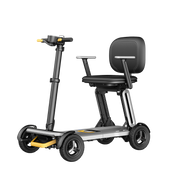
![[2026] PAISEEC D3|Mobility Scooter for Easy Everyday Travel](http://www.paiseec.com/cdn/shop/files/d3_4a4ccb22-9e26-449e-8094-71f3ec4177c3.png?v=1782115044&width=180)
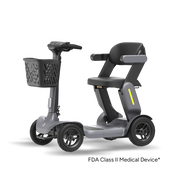

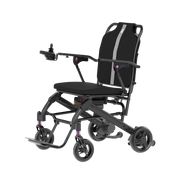
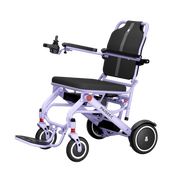


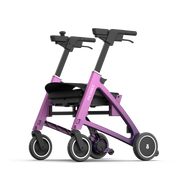
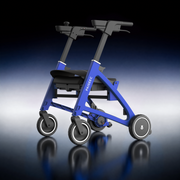









In a world driven by mobility, technology, and minimalism, compact design has become more than an aesthetic concept—it’s a revolution reshaping how people live, work, and move. From wearable devices to modular furniture and electric vehicles, every industry is rethinking how to maximize performance within minimal space. Consumers today expect products that fit seamlessly into smaller apartments, shared offices, and urban transit systems without sacrificing power or purpose.
Understanding the Core of Compact Design
At its essence, compact design focuses on creating products and systems that minimize size while optimizing usability, comfort, and environmental efficiency. This philosophy has influenced everything from electric scooters and micro-apartments to foldable home appliances and portable energy solutions. As cities continue to expand vertically and lifestyles become more mobile, compact innovations are redefining modern convenience, energy use, and environmental sustainability.
Energy efficiency plays a crucial role in this transformation. According to data from the International Energy Agency, optimized size and structure can reduce energy consumption by up to 30% in portable devices and by nearly 15% in electric transport vehicles. Smart engineering, modular layouts, and high-density materials allow manufacturers to deliver performance previously limited to larger formats.
Market Trends and Data
The global market for compact products—spanning home technology, electric micro-mobility, and consumer electronics—was valued at over $950 billion in 2025 and is projected to surpass $1.2 trillion by 2030. Growth is largely driven by urbanization and the rising trend of minimalistic living. Asia-Pacific leads this movement, with Japan and South Korea pioneering ultra-compact solutions for homes and transport. North America follows closely, especially in the electric transport and mobile technology sectors, where space efficiency directly translates to economic and ecological benefits.
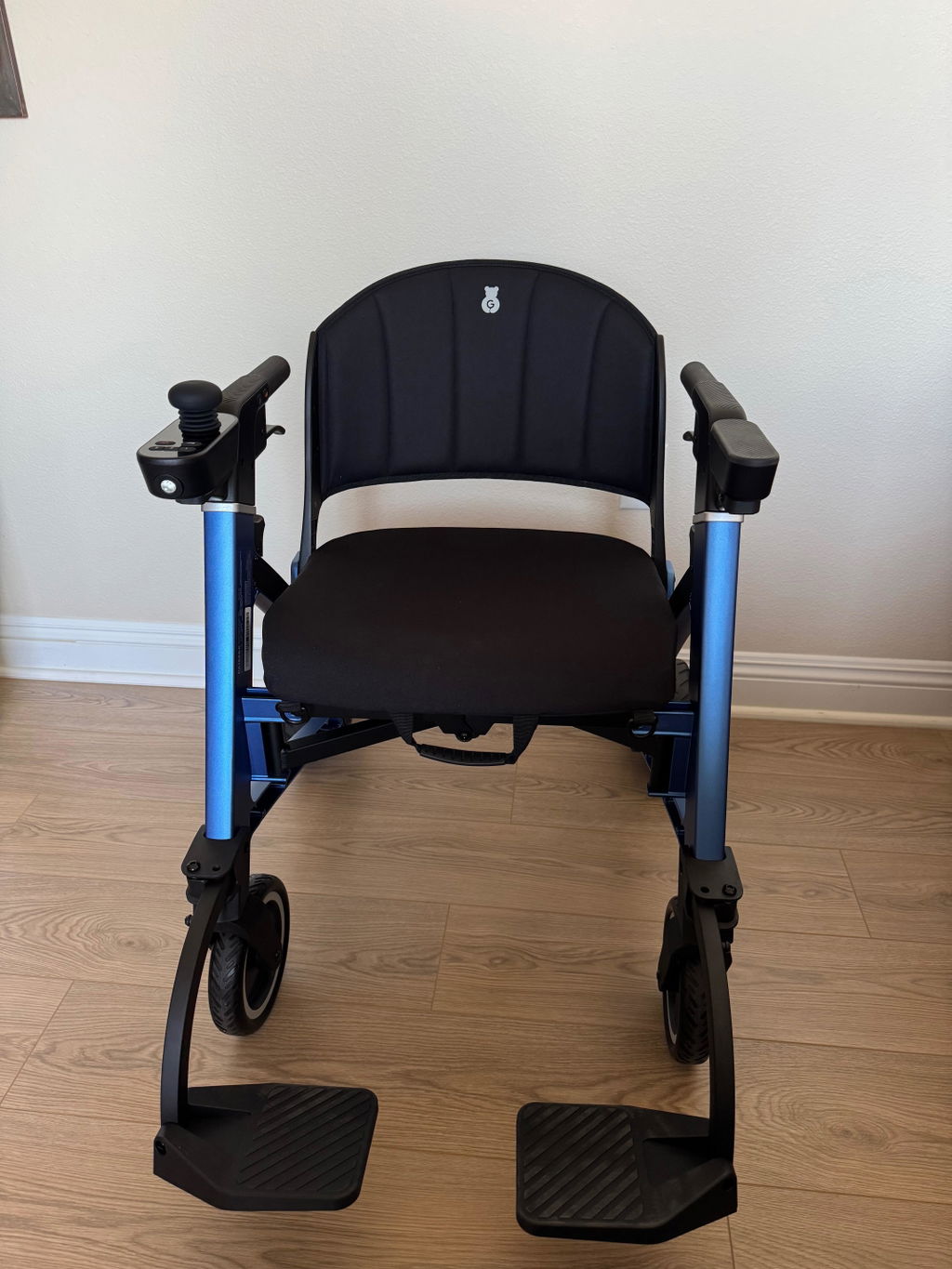
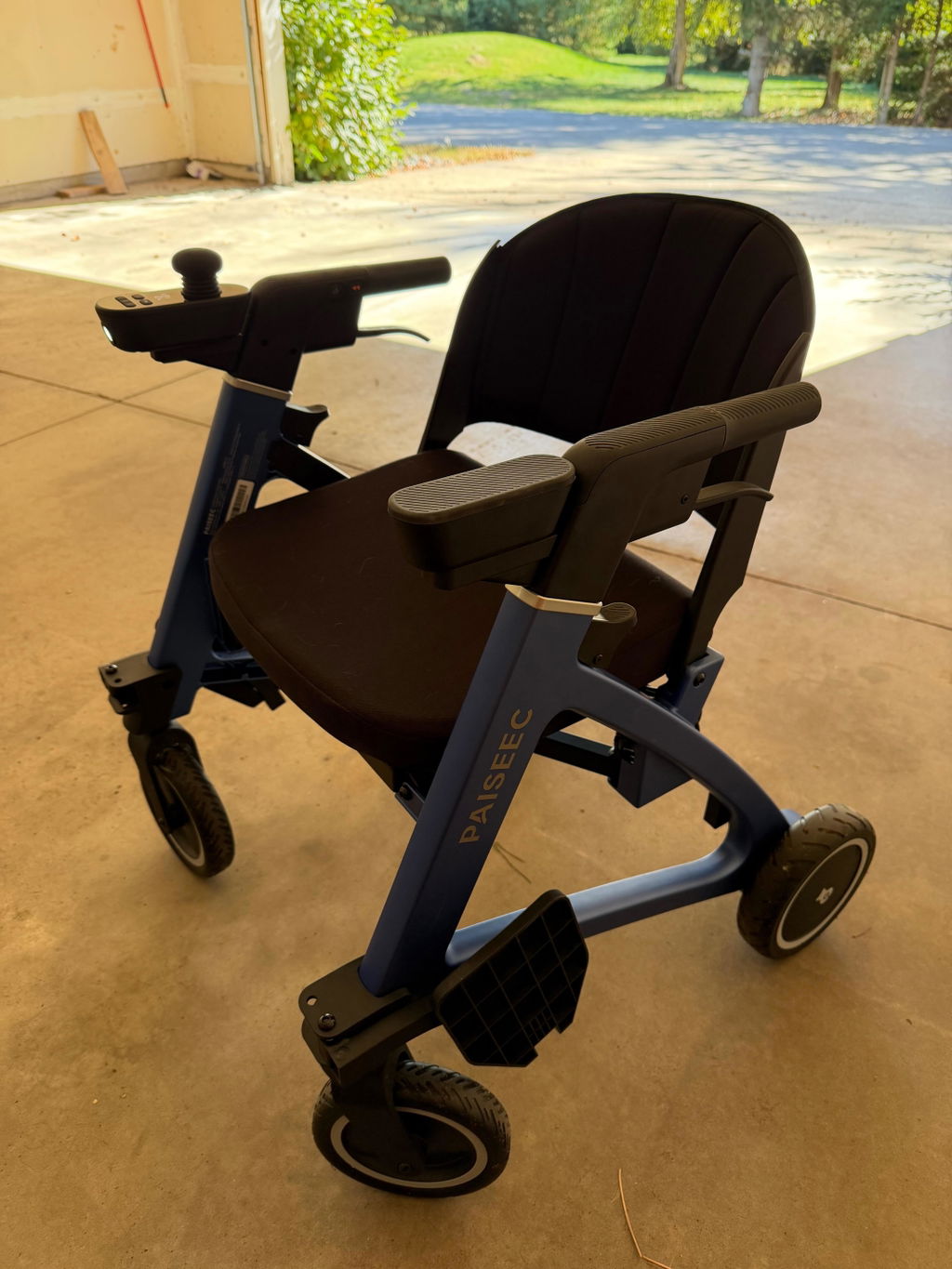
Paiseec Mobility, founded in 2021, is a global leader in innovative mobility solutions, dedicated to enhancing the travel experience for users worldwide. With investments exceeding $10 million in R&D, the company has introduced high-performance innovations like 36V lithium batteries, foldable scooters, and intelligent safety riding systems that redefine what compact design can accomplish in real-world mobility.
Top Compact Products and Use Cases
| Product Type | Key Advantages | Ratings | Use Cases |
|---|---|---|---|
| Foldable Electric Scooter | Lightweight frame, long battery life, high portability | 4.8/5 | Daily urban commute, campus travel |
| Modular Mini Refrigerator | Energy efficient, fits under desks or counters | 4.6/5 | Studio apartments, dorm rooms |
| Compact Wireless Charger | Multi-device support, auto-power control | 4.7/5 | Home office, travel use |
| Convertible Desk | Adjustable height, hidden storage, ergonomic build | 4.5/5 | Work-from-home setups |
Consumer surveys by Deloitte show that more than 70% of buyers now prioritize space-saving features when purchasing household or mobility solutions, and 64% associate compact design with eco-friendliness and future-readiness.
Competitor Comparison Matrix
| Company | Focus | Innovation | Design Strength | Market Reach |
|---|---|---|---|---|
| Paiseec Mobility | Electric mobility | Intelligent safety systems | Sleek foldable design | Global |
| NanoTech Labs | Smart home devices | Compact IoT hubs | Aesthetic minimalism | Regional |
| EcoRide | Micro electric scooters | Battery efficiency | Lightweight build | North America |
| Volto Dynamics | Robotics | Modular automation | Precision engineering | Europe |
Core Technology Behind Compact Design
Modern compact technology depends on precision engineering and material science. Manufacturers rely on lightweight aluminum alloys, graphene-based composites, and high-density lithium cells to reduce size without sacrificing safety or durability. In the consumer electronics space, solid-state components and stacked PCBs enable smaller, faster devices that dissipate less heat. In mobility, brushless motors paired with regenerative braking systems allow compact electric vehicles to outperform older, bulkier models.
Software integration also plays a crucial role. Intelligent control systems, AI-powered power management, and adaptive sensory features ensure that compact devices remain not only smaller but also smarter and more resilient than ever.
Real User Cases and Quantifiable ROI
Urban commuters using compact scooters report average time savings of 35% per day and reduced transport costs by up to 40%. Households that switch to compact home appliances cut energy expenses by 22% annually. Businesses adopting modular compact office systems gain as much as 18% more workspace per employee, directly improving operational efficiency.
These measurable outcomes highlight that compact design is not a trend but a strategic investment in sustainability, performance, and convenience. Its ROI extends beyond money—into time saved, energy conserved, and better quality of life in increasingly crowded environments.
Future Trends in Compact Design
As digitalization accelerates, compact design will merge with smart automation and AI-driven user adaptability. Future innovations will focus on self-folding materials, integrated renewable energy sources, and real-time space reconfiguration. Designers and engineers aim to make devices that are not just smaller, but multifunctional, autonomous, and sustainably manufactured.
Global demand for compact vehicles, furniture, and electronics will continue to rise as consumers seek efficient, smart, and sustainable lifestyles. The convergence of minimal design, advanced materials, and digital intelligence will define the next chapter of innovation—where less truly becomes more.
Call to Action
Compact design is shaping both personal and professional environments into smarter, leaner, and greener spaces. Whether you’re rethinking office layouts, launching a new product line, or optimizing daily commuting, embracing this design philosophy sets you ahead of the curve. The future belongs to systems that balance bold performance with elegant simplicity—proof that the smartest solutions often take up the least space.
Leave a comment
This site is protected by hCaptcha and the hCaptcha Privacy Policy and Terms of Service apply.