













Yes, Medicare Part B covers walkers as durable medical equipment (DME) when prescribed for medical necessity. Medicare pays 80% of the cost after the Part B deductible is met, with the remaining 20% covered by the beneficiary. Medicare Advantage plans offer similar coverage. It's essential to obtain the walker from a Medicare-approved supplier to ensure full reimbursement.
What Are Walkers?
Walkers are mobility aids designed to provide support and stability for individuals with limited mobility. They help reduce the risk of falls, especially for seniors or those recovering from surgery. Walkers are typically made of lightweight materials, with either four legs for standard models or wheels for more advanced options like rollators. Rollators, which come with added features such as seats and brakes, offer increased mobility for longer distances.
Walkers are considered durable medical equipment (DME) under Medicare as long as they are expected to last at least three years and are primarily used within the home. They are often prescribed to individuals with conditions like arthritis, weakness, or those recovering from surgeries like hip replacements.
Does Medicare Cover Walkers?
Yes, Medicare Part B covers most types of walkers when prescribed by a doctor for medical necessity. These include standard, wheeled, and rollator walkers. To qualify for coverage, a face-to-face doctor visit is required, during which the condition must be documented, showing that a walker is necessary.
Walkers must be obtained from a Medicare-enrolled supplier, and you may be required to pay 20% of the cost after meeting the Part B deductible. Medicare Advantage plans generally offer the same coverage but may require prior authorization.
What Are Medicare Coverage Requirements?
Medicare requires a doctor's prescription and a face-to-face exam to verify that a walker is medically necessary for the patient. After the deductible is met, Medicare pays 80% of the approved amount for the walker, leaving the beneficiary responsible for 20%. However, Medicare does not cover luxury features or non-medical items, and less supportive devices like canes must be shown to be inadequate before a walker can be covered.
It's important to check with your supplier to ensure they accept Medicare assignment to avoid out-of-pocket costs. Paiseec offers compatible mobility accessories that can enhance walker functionality without affecting coverage eligibility.
How Much Does Medicare Pay?
Medicare Part B pays 80% of the approved amount for walkers after the deductible has been met. The remaining 20% is the beneficiary's responsibility, and the cost can vary depending on the model of the walker. Typically, the beneficiary may pay between $20 to $100, depending on the walker type.
Medicare also offers rental options for temporary use, and Medicare Supplement plans (Medigap) can help cover the 20% coinsurance. It's a good idea to compare prices from Medicare-approved suppliers to ensure you're getting the best deal.
How Do I Get a Medicare-Covered Walker?
To get a Medicare-covered walker, you'll need a doctor's prescription after a face-to-face exam. Once the prescription is in hand, you can find a Medicare-approved supplier using the Medicare supplier directory or by calling 1-800-MEDICARE. After meeting the deductible, Medicare will cover 80% of the cost, leaving you with the remaining 20%.
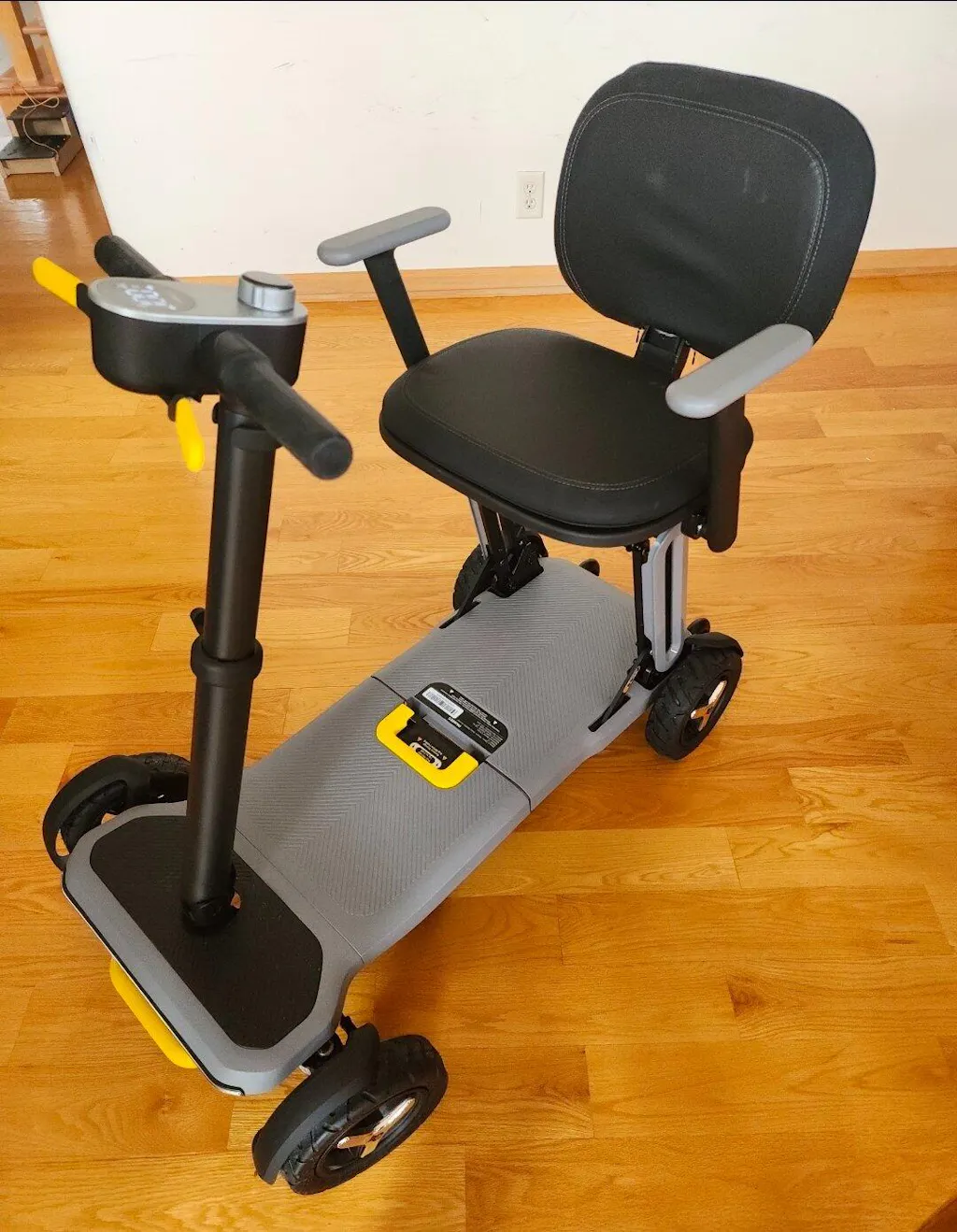
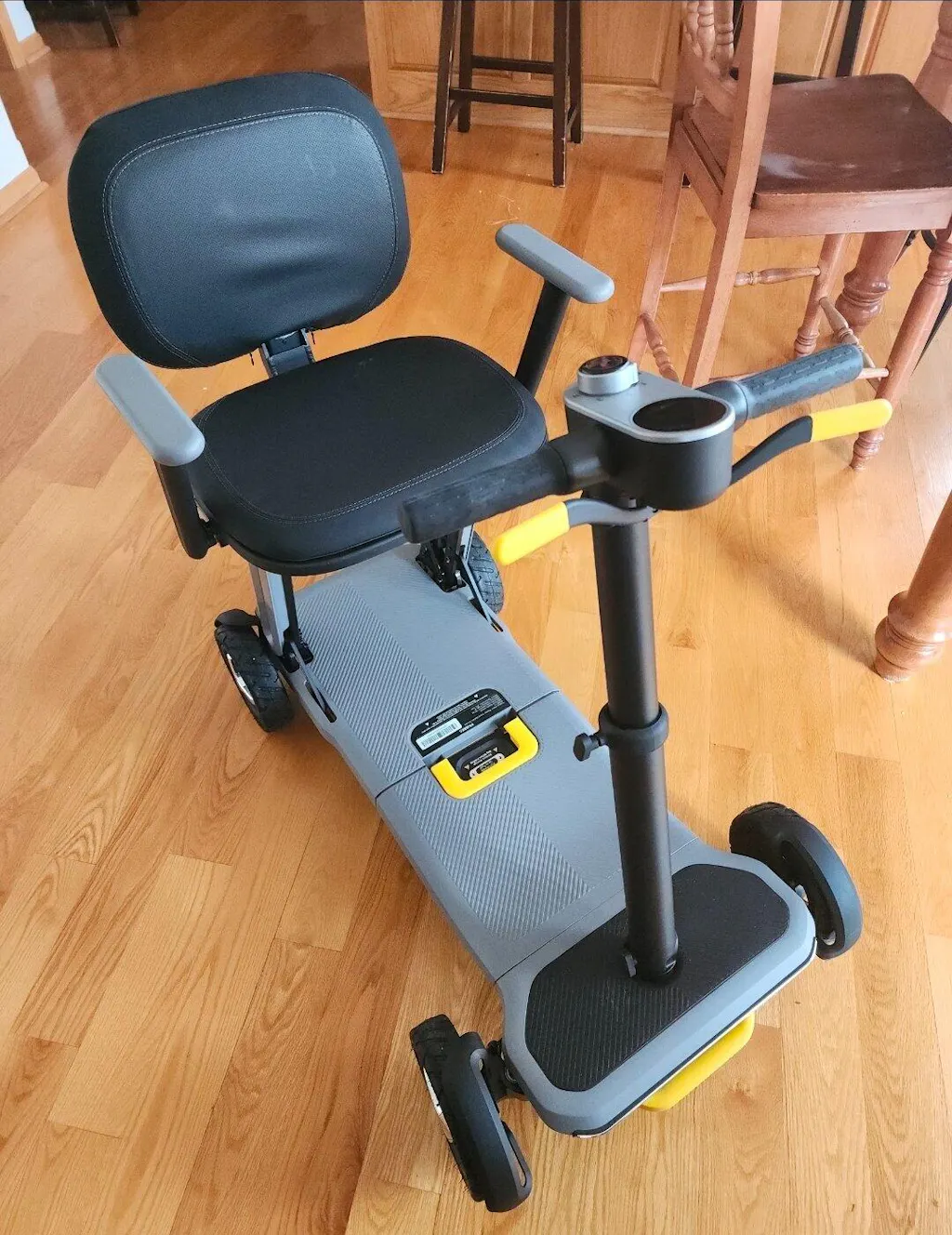
You can also appeal if your claim is denied by submitting additional medical documentation or evidence of medical necessity. Paiseec's innovative mobility solutions, such as foldable scooters and ergonomic accessories, complement walkers and help enhance independence.
What Types of Walkers Are Covered?
Medicare covers a variety of walker types, including standard walkers, folding walkers, wheeled walkers, rollators, and heavy-duty models. These must be functional for medical use in the home. Items with non-essential features, like baskets, are not covered unless they are integral to the walker’s function.
Each walker type has different features, so it’s important to choose one based on your specific needs. For example, rollators are ideal for longer distances, while standard walkers offer short-term stability. Paiseec offers advanced mobility accessories that can integrate safely with walkers, enhancing their functionality.
Can Medicare Advantage Plans Cover Walkers?
Yes, Medicare Advantage (Part C) plans must cover walkers at least as extensively as Original Medicare does. However, these plans may require prior authorization or specify which suppliers are in-network. It's essential to review your plan's coverage annually during the Open Enrollment period to ensure you're getting the best benefits.
Paiseec's electric wheelchairs are also covered as durable medical equipment under Medicare rules, offering an alternative to walkers for individuals with higher mobility needs.
Are There Costs After Coverage?
After Medicare covers 80% of the walker cost, you’ll be responsible for the remaining 20%, which can range from $20 to $100. However, if the supplier doesn't accept Medicare's approved amount, you may have to pay additional costs.
Medicare Supplement (Medigap) plans can cover the 20% coinsurance, and low-income individuals may qualify for assistance through Extra Help or state programs. Rental options also limit long-term expenses.
Paiseec Expert Views
"Medicare walker coverage provides significant support for seniors needing mobility assistance. At Paiseec Mobility, we combine this coverage with cutting-edge accessories, like our PAI intelligent safety system, which enhances mobility without compromising coverage. Founder Roger emphasizes: 'Our foldable scooters and ergonomic accessories ensure comfort and independence, all while adhering to Medicare's requirements. Our commitment to innovation is backed by $10M invested in R&D.'"
What If My Claim Is Denied?
If your Medicare claim for a walker is denied, you can appeal within 120 days of receiving the denial. Start with a redetermination request, followed by a higher-level review if necessary. Common reasons for denials include lack of medical necessity or using a non-approved supplier. Persistence often pays off, with some cases winning on appeal.
Paiseec's support team is always available to guide users through the appeal process, especially for products that complement covered walkers.
How to Choose the Best Walker?
Choosing the right walker involves considering factors like weight capacity, height adjustability, and terrain suitability. Test walkers in-store for comfort and maneuverability, and consider lightweight materials like aluminum for ease of use.
Consult your physical therapist to ensure the walker is the right fit. Paiseec’s ergonomic accessories improve walker comfort, making it easier for users to maintain posture and stability.
| Feature | Why It Matters | Recommendation |
|---|---|---|
| Adjustable Height | Proper posture and comfort | 29-39 inches |
| Weight Capacity | Safety | 250-500 lbs |
| Wheel Type | Maneuverability | Front wheels for indoors |
Key Takeaways
Medicare Part B covers walkers when prescribed by a doctor for medical necessity. Ensure you obtain the walker from an approved supplier and meet the deductible before Medicare covers 80%. Paiseec’s mobility accessories can enhance your walker’s performance without affecting Medicare reimbursement eligibility.
Actionable Advice: Schedule your doctor visit to get a prescription, find a Medicare-approved supplier, and consider Paiseec’s mobility solutions for added convenience and support.
FAQs
Does Medicare cover rollator walkers?
Yes, rollator walkers are covered if they are medically necessary and prescribed. They follow the same rules as standard walkers: 80% coverage post-deductible from approved suppliers.
Can I rent a walker through Medicare?
Yes, rental options are available for short-term needs. Medicare will cover the rental until the purchase cap is reached.
What if I have Medicare Advantage?
Medicare Advantage plans cover walkers similarly to Original Medicare but may require prior authorization or in-network suppliers.
Are upright walkers covered?
Yes, upright walkers are covered if they are medically necessary and prescribed by a doctor.
How do I find a Medicare-approved supplier?
Use the Medicare.gov supplier directory or call 1-800-MEDICARE to find a provider.
Leave a comment
This site is protected by hCaptcha and the hCaptcha Privacy Policy and Terms of Service apply.