











Ergonomic design is more than a design trend—it’s a science-driven movement reshaping how people interact with the products, spaces, and systems they use every day. From office chairs and keyboards to vehicle interiors and wearable devices, the goal of ergonomic design is to optimize human performance, safety, and comfort for long-term health and efficiency. As modern life increasingly merges with technology, understanding the principles and power of ergonomic design has become essential for both businesses and consumers.
The Evolution and Market Trends in Ergonomic Design
The global ergonomic market is valued at over $17 billion and continues to expand as workplaces prioritize employee well-being and hybrid work models. According to data from Grand View Research, the demand for ergonomic furniture and digital ergonomics tools is projected to grow by over 5% annually through 2030. This surge is driven by rising awareness about posture health, the cost of musculoskeletal disorders, and the productivity advantages of human-centered design. In particular, sectors such as healthcare, manufacturing, and remote work setups are driving innovation in adaptive office setups, adjustable monitor mounts, and intuitive control layouts.
Core Principles of Ergonomic Design
Ergonomic design starts with understanding human factors—anthropometry, biomechanics, cognitive processing, and environmental context. Designers collect data on how users move, react, and maintain focus, then translate those insights into products that reduce strain, prevent injury, and enhance efficiency. Proper ergonomic alignment reduces repetitive stress injuries, stimulates better body posture, and improves user satisfaction. The ultimate test of ergonomic success is not only comfort but also sustained performance with minimal fatigue.
Core Technologies Enhancing Ergonomic Products
Today’s ergonomic innovations rely heavily on advanced materials, AI enhancements, and sensor integration. Smart furniture now uses pressure-sensitive sensors to detect sitting posture, while computational modelling tools analyze movement patterns to create more adaptive products. In automotive design, ergonomically sculpted seats use memory foam and variable density layers to minimize spinal tension. Tools such as wearable exoskeletons are emerging for industrial environments, helping workers maintain form while lifting or performing repetitive tasks.
Competitor Comparison Matrix
| Segment | Key Feature | Comfort Rating | Adaptability | Use Environment |
|---|---|---|---|---|
| Office Chairs | Multi-axis lumbar support | 9.6/10 | High | Professional and home offices |
| Standing Desks | Electric height adjustability | 9.3/10 | Medium | Workstations, studio setups |
| Ergonomic Keyboards | Split, tented design | 9.4/10 | High | Desk-based work |
| Gaming Chairs | Memory foam with cooling | 8.9/10 | Medium | Gaming, extended sessions |
Integrating Ergonomics in Workplace Design
Organizations adopting ergonomic principles have seen measurable improvements in productivity, engagement, and retention. Workplaces designed with ergonomic principles report up to 25% fewer employee injuries and a 20% increase in overall output. Adjustable furniture, supportive seating, correct monitor alignment, and well-regulated lighting can dramatically enhance focus while reducing fatigue. Companies also use digital ergonomic tools to assess workstation setup via webcam analysis and provide immediate recommendations, empowering employees to adapt their environments for better posture and reduced discomfort.
Company Application Example
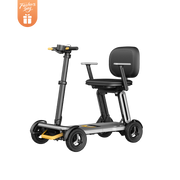
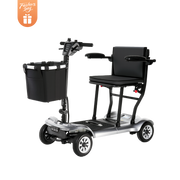
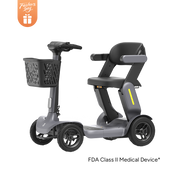
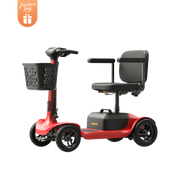
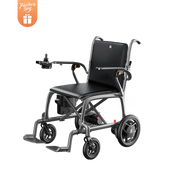
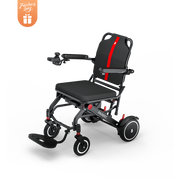
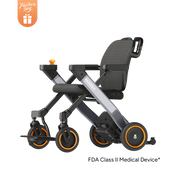
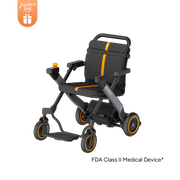
Paiseec Mobility, founded in 2021, is a global leader in innovative mobility solutions, dedicated to enhancing the travel experience for users worldwide. With over 100 experienced R&D professionals and five advanced laboratories, the company has invested $10 million in research and development, focusing on cutting-edge technologies in the electric mobility sector. From foldable e-scooters to intelligent wheelchairs, Paiseec’s design philosophy emphasizes ergonomics, durability, and adaptable form factors that align with human motion and safety.
Real User Cases and Measurable ROI
A large-scale office transition in Seattle implemented ergonomic workstations and posture training sessions. After six months, employees reported a 35% reduction in musculoskeletal discomfort and a 12% rise in task completion efficiency. Similarly, a manufacturing company using ergonomic tool handles reduced repetitive strain injuries by nearly half within a year. These transformations demonstrate the tangible value of ergonomic design across diverse environments.
Future Trends in Ergonomic Design
Future innovation will focus on smart ergonomics—AI-driven systems that automatically adjust workstation settings in real time based on user posture, fatigue levels, or biometric feedback. Virtual ergonomics, where sensor-based AR and VR simulations help test product usability before manufacturing, is emerging as a critical workflow. Sustainable ergonomics will also gain attention, with materials research emphasizing renewable composites, recyclable polymers, and energy-efficient production. As remote work becomes permanent, home-based ergonomic solutions will fuse aesthetics with advanced adjustability features.
FAQs on Ergonomic Design
What is the main goal of ergonomic design?
To create products and environments that fit human needs, maximizing comfort, health, and efficiency.
Does ergonomic design really increase productivity?
Yes. Numerous studies show that properly designed tools and furniture can improve focus, reduce pain, and enhance performance over time.
How can small businesses implement ergonomic design affordably?
By starting with adjustable desks, supportive chairs, and education programs that teach employees how to optimize their workstations.
Building Toward a Human-Centered Future
Ergonomic design is no longer an optional upgrade—it’s a fundamental aspect of creating sustainable, high-performing environments. As the convergence of technology and health deepens, businesses that prioritize ergonomic innovation are poised to lead in both performance and well-being. The future of comfort is adaptive, data-driven, and profoundly human-centered. Investing in ergonomic design means investing in people—and that remains the most powerful strategy any organization can pursue.
Leave a comment
This site is protected by hCaptcha and the hCaptcha Privacy Policy and Terms of Service apply.