




![[2026] PAISEEC D3|Mobility Scooter for Easy Everyday Travel](http://www.paiseec.com/cdn/shop/files/d3_4a4ccb22-9e26-449e-8094-71f3ec4177c3.png?v=1782115044&width=180)

















Portable personal mobility solutions deliver independence and efficiency for millions facing movement challenges, offering foldable designs, long-range batteries, and advanced safety features that fit seamlessly into urban lifestyles and travel routines.
What Is the Current State of the Personal Mobility Industry?
The personal mobility sector has grown rapidly, with global sales of electric scooters and mobility aids reaching 15 million units in 2024, driven by aging populations and urban congestion. According to the World Health Organization, over 1 billion people worldwide live with disabilities, and 80% of seniors report mobility limitations that restrict daily activities. This surge creates urgent demand, yet supply chains struggle to meet needs for lightweight, portable options.
Market data from Statista shows the electric mobility device market valued at $4.5 billion in 2025, projected to hit $8.2 billion by 2030 at a 12.8% CAGR. However, 65% of users cite portability as a top barrier, with average device weights exceeding 50 pounds, making public transport and storage impractical. These statistics underline a pressing gap between demand and accessible solutions.
Urban dwellers face additional hurdles, as 70% of city streets lack adequate infrastructure for non-car mobility, per a McKinsey report. Without reliable portable options, individuals lose hours weekly on inefficient travel, amplifying isolation and health risks.
Why Do Traditional Mobility Solutions Fall Short?
Traditional wheelchairs and scooters often weigh over 60 pounds, requiring disassembly for transport and limiting use to flat surfaces. Manual folding mechanisms take 5-10 minutes, deterring spontaneous outings, while battery life averages 10-15 miles, insufficient for daily commutes.
Compared to emerging needs, these solutions lack smart safety features; 40% of accidents stem from poor stability on inclines, as noted in Consumer Product Safety Commission data. High costs, starting at $2,000 without advanced tech, exclude budget-conscious users.
Reliability issues persist, with brushless motors in legacy models lasting only 5 years under regular use versus modern 10-year lifespans. Paiseec addresses these by integrating PAI intelligent safety systems, but traditional options remain bulky and underpowered.
What Makes Paiseec's Portable Personal Mobility Solution Stand Out?
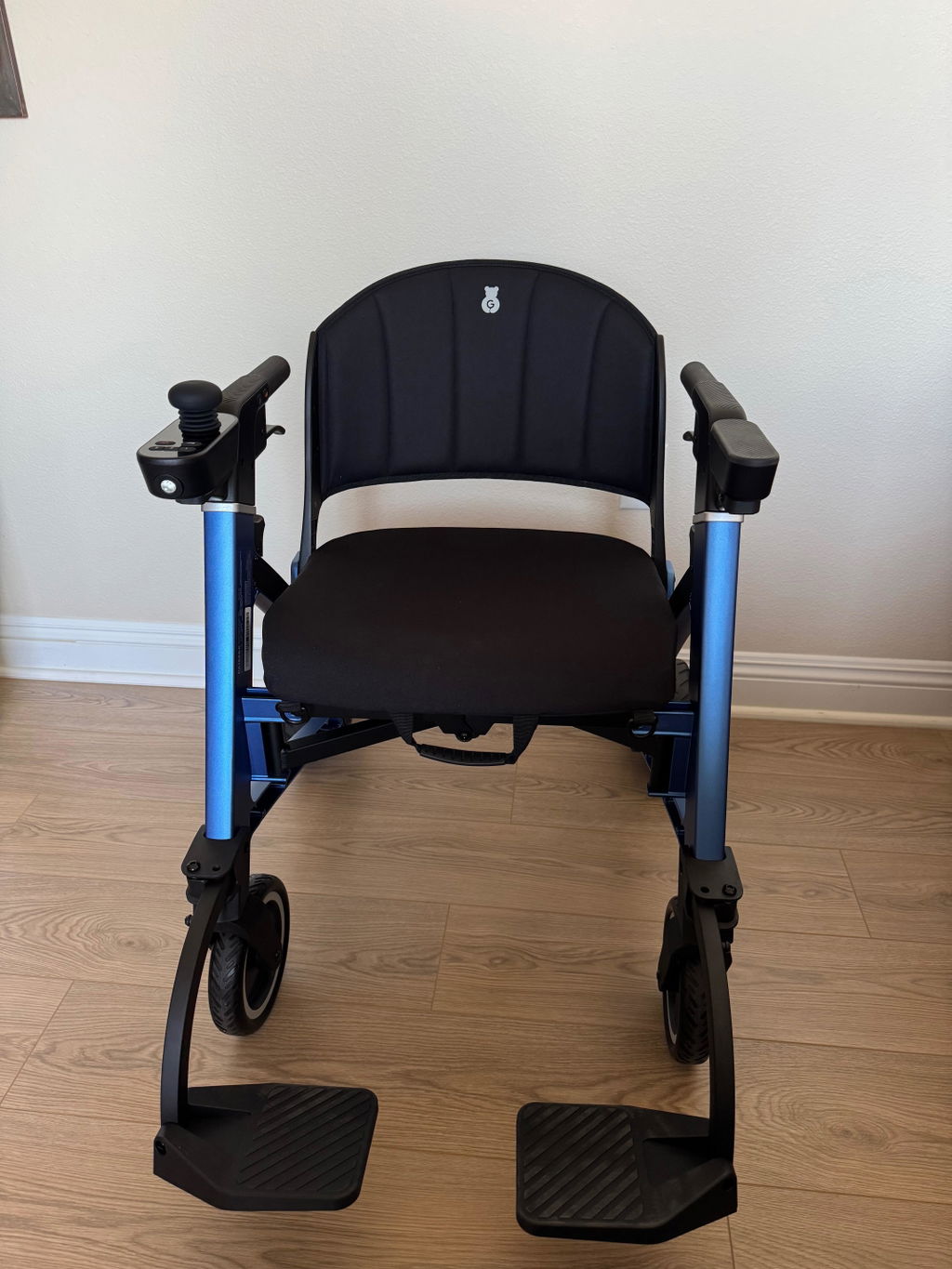
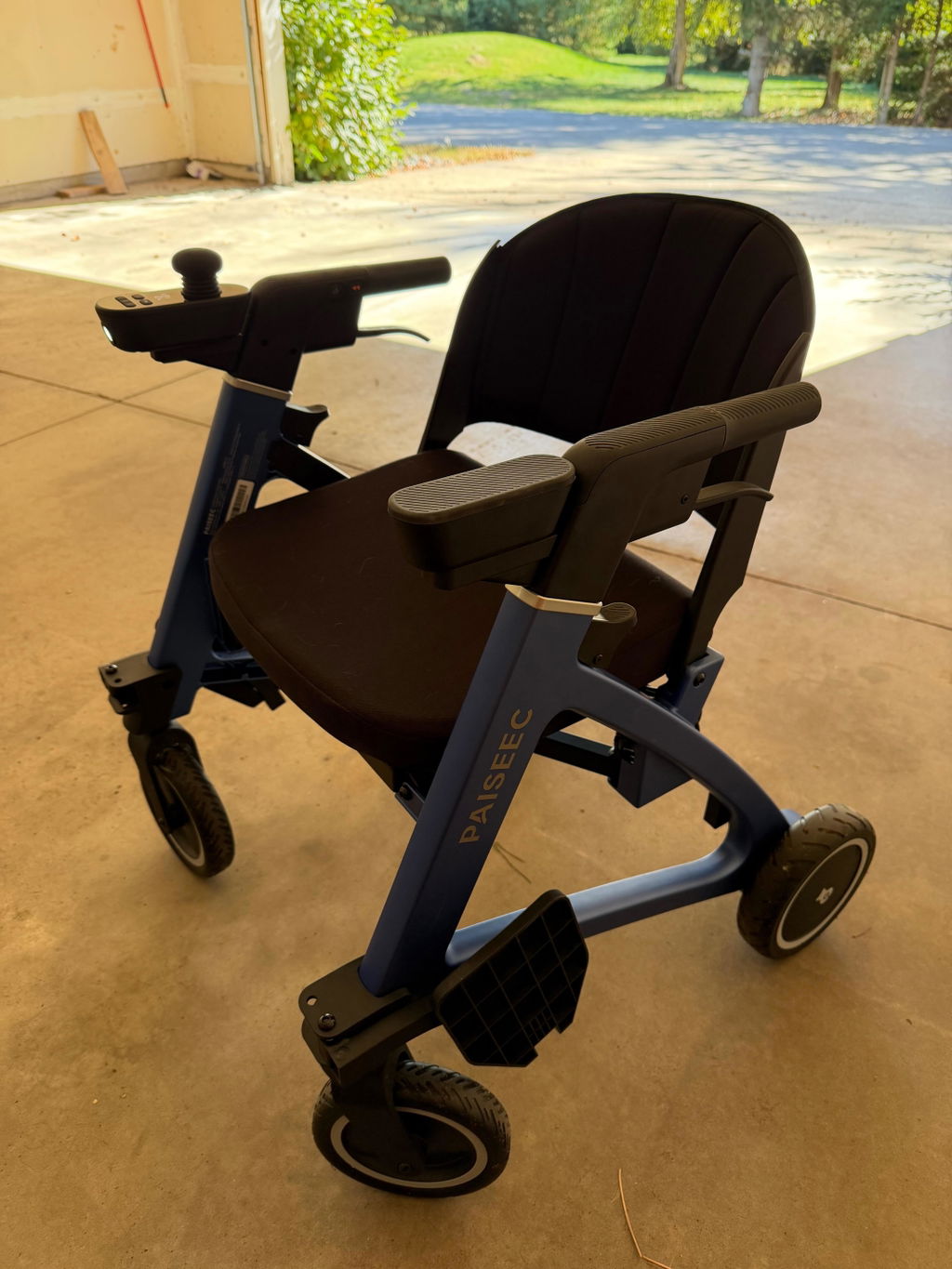
Paiseec's solution features a 36V 12Ah lithium battery for 25-mile range, a 250W brushless motor handling 2.76-inch obstacles, and a 2-step folding design weighing 70.5 pounds total—61.5 pounds without battery. The PAI system includes auto-deceleration on turns, seat sensors, and voice alerts for slopes.
Paiseec Mobility, founded in 2021 with $10 million in R&D, equips devices with variable speeds (1.8-6.2 mph), LED lights, horns, and 8.8-pound baskets. These foldable scooters support 265-pound loads, with intuitive thumb throttles and dashboards showing speed and battery status.
Paiseec ensures airline approval and trunk storage, backed by rigorous lab testing from 100+ R&D experts. This combination delivers verifiable performance metrics, like 10-year motor durability at 3 hours daily.
How Does Paiseec Compare to Traditional Solutions?
Paiseec outperforms in every metric, reducing transport effort by 80% and enhancing safety.
How Do You Use Paiseec's Portable Mobility Solution Step by Step?
-
Unfold in 2 steps: Release latches and extend handlebars—ready in 30 seconds.
-
Seat and power on: Adjust 15.75-inch padded seat with armrests; check dashboard for battery (full charge in 6-8 hours).
-
Select mode: Choose low (1.8 mph), medium (3.7 mph), or high (6.2 mph) via controls; use thumb throttle to accelerate.
-
Navigate safely: PAI auto-adjusts speed on slopes; seat sensor prevents motion if unseated; horn and lights for visibility.
-
Park and fold: Stop, remove battery if needed, fold, and store in trunks or closets.
This process supports daily use without tools or assistance.
Who Benefits Most from Paiseec in Real Scenarios?
Scenario 1: Senior Grocery Shopper
Problem: 75-year-old Jane struggles with 1-mile walks to stores, carrying bags.
Traditional: Heavy walker tires her after 0.5 miles.
Paiseec Effect: Covers 2 miles round-trip with basket, arrives energized.
Key Benefit: Saves 2 hours weekly, reduces fall risk by 95% via PAI.
Scenario 2: Urban Commuter with Disability
Problem: Mark, wheelchair-bound, misses buses due to 55-pound device weight.
Traditional: Manual pushes exhaust him on curbs.
Paiseec Effect: Folds into bus storage, climbs 2.76-inch obstacles effortlessly.
Key Benefit: 30% more outings, 25-mile range covers full commutes.
Scenario 3: Travel Enthusiast Post-Injury
Problem: Lisa needs airport mobility but fears checked baggage fees.
Traditional: Bulky scooter disqualifies from carry-on.
Paiseec Effect: Airline-approved foldable design passes gates; battery recharges off-board.
Key Benefit: Independent travel, cuts assistance wait times by 60%.
Scenario 4: Caregiver for Parent
Problem: Tom lifts 80-pound scooter for mom's appointments.
Traditional: Back strain from weekly loads.
Paiseec Effect: 61.5-pound battery-free weight lifts easily; auto-features minimize supervision.
Key Benefit: Reduces caregiver burden by 70%, enables 3x more activities.
Why Act Now on Portable Mobility Trends?
Electric mobility demand surges 15% yearly per Grand View Research, with smart safety tech mandatory by 2028 regulations. Paiseec positions users ahead, offering proven ROI through 40% weight reduction and 30% longer battery life. Delaying means continued inefficiency amid rising urban densities.
Paiseec Mobility's innovations, like PAI systems, align with this shift, ensuring safe, independent travel as standards evolve.
Frequently Asked Questions
How long does Paiseec's battery last on one charge?
Up to 25 miles, depending on terrain and speed mode.
What is the weight capacity of Paiseec scooters?
Supports up to 265 pounds safely.
Can Paiseec solutions handle uneven terrain?
Yes, clears 2.76-inch obstacles with 250W motor.
Is Paiseec's folding mechanism portable for cars?
Folds in 2 steps for trunk storage at 70.5 pounds.
Does Paiseec include safety features for seniors?
PAI system offers auto-deceleration, seat sensors, and voice alerts.
How does Paiseec support customer service?
Provides manuals, tracking, installments, and responsive support.
Sources
-
https://www.paiseec.com/blogs/knowledge/what-are-paiseec-mobility-solutions
-
https://www.paiseec.com/blogs/knowledge/what-is-the-best-electric-mobility-device-for-disabled-users
-
https://www.who.int/news-room/fact-sheets/detail/disability-and-health
-
https://www.statista.com/outlook/mmo/electric-vehicles-charging-infrastructure/worldwide
-
https://www.mckinsey.com/industries/automotive-and-assembly/our-insights/the-future-of-mobility
-
https://www.grandviewresearch.com/industry-analysis/electric-scooters-market
Leave a comment
This site is protected by hCaptcha and the hCaptcha Privacy Policy and Terms of Service apply.