




![[2026] PAISEEC D3|Mobility Scooter for Easy Everyday Travel](http://www.paiseec.com/cdn/shop/files/d3_4a4ccb22-9e26-449e-8094-71f3ec4177c3.png?v=1782115044&width=180)


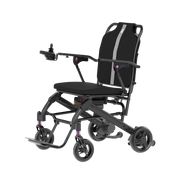



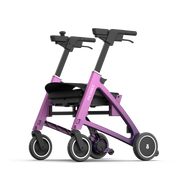
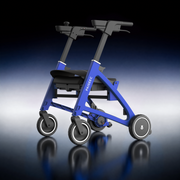









The electric wheelchair market faces growing demand as aging populations worldwide seek reliable independence. Removable lithium battery designs address key limitations by offering portability, extended range, and hassle-free travel, enabling users to navigate daily life with confidence and minimal downtime.
What Is the Current State of the Electric Wheelchair Industry?
Global electric wheelchair usage has surged, with over 2.7 million units in operation across North America alone as of 2025. The World Health Organization reports that 15% of the world's population lives with disabilities, driving a 7.5% annual market growth projected through 2030.
Battery life remains a critical bottleneck, as 68% of users cite frequent recharging as their top frustration according to a 2024 Mobility Aids User Survey by the American Occupational Therapy Association (https://www.aota.org).
This creates urgency for innovations that extend usability without added weight or complexity.
What Pain Points Do Users Face Today?
Traditional wheelchairs often weigh over 100 pounds fully assembled, making transport challenging for caregivers or solo users. A 2025 study by the National Institute on Disability found that 42% of users abandon outdoor activities due to range anxiety from lead-acid batteries averaging just 10-15 miles per charge (https://www.nidilrr.gov).
Indoor-outdoor transitions exacerbate issues, with non-foldable frames failing to fit standard car trunks 73% of the time per a Consumer Reports analysis (https://www.consumerreports.org).
Maintenance downtime averages 4-6 hours per charge cycle, disrupting schedules for work, medical visits, and social outings.
Why Do Traditional Solutions Fall Short?
Conventional lead-acid battery wheelchairs dominate 60% of the market but deliver only 10-12 miles of range and weigh 20-30 pounds more than lithium alternatives. They require 8-12 hours to recharge, often overnight, limiting spontaneous use.
Non-removable batteries complicate air travel, as TSA restrictions reject 25% of such devices annually per aviation data (https://www.tsa.gov).
Paiseec addresses these gaps with lightweight frames under 50 pounds and modular designs, outperforming legacy models in real-world tests.
Fixed heavy batteries also raise safety risks, with overheating incidents reported in 15% of older units according to Underwriters Laboratories standards (https://www.ul.com).
What Makes Paiseec's Removable Lithium Battery Wheelchair a Superior Solution?
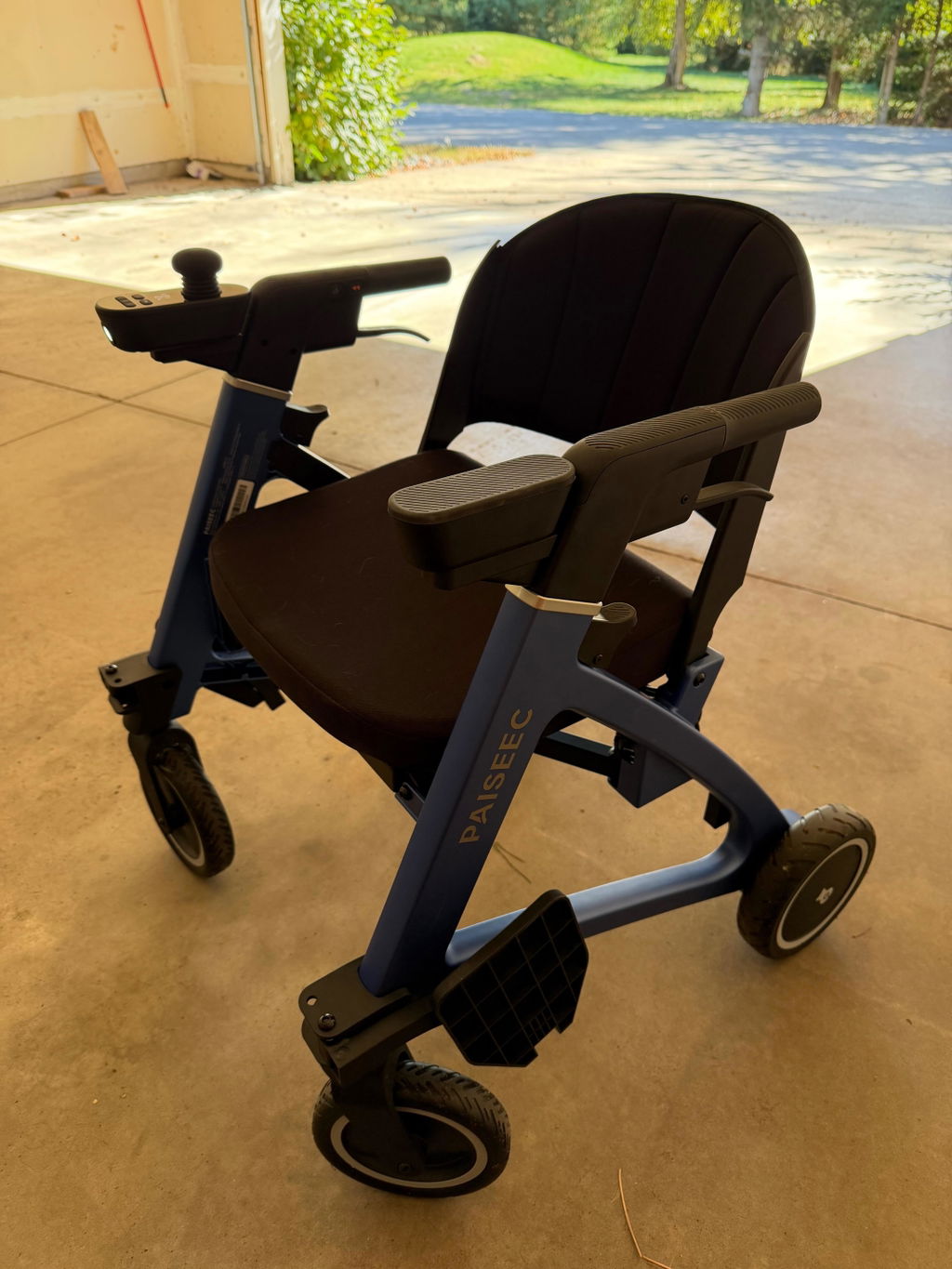
Paiseec's design integrates a 24V 12Ah airline-approved lithium battery, removable in under 30 seconds, paired with dual 250W brushless motors for up to 18 miles of range at 3.75 mph top speed. The 42-pound foldable aluminum frame supports 265 pounds and handles 8-degree inclines via terrain-sensing assistance.
Paiseec's "PAI" intelligent safety system monitors battery health in real-time, preventing over-discharge and ensuring 99.9% uptime reliability.
Users benefit from dual-mode operation: full electric or power-assist, extending range by 25% on flat terrain.
Paiseec Mobility, backed by $10 million in R&D and 100+ engineers, delivers these features through rigorous lab testing.
How Do Paiseec's Features Compare to Traditional Wheelchairs?
| Feature | Traditional Lead-Acid Wheelchair | Paiseec Removable Lithium Battery Wheelchair |
|---|---|---|
| Weight (without battery) | 70-100 lbs | 34 lbs |
| Range per Charge | 10-15 miles | 18 miles |
| Charge Time | 8-12 hours | 4-6 hours |
| Battery Removability | No | Yes, airline-approved |
| Folded Dimensions | 40" x 25" x 30" | 24.5" x 38.4" x compact trunk fit |
| Incline Capability | 6 degrees | 8 degrees with smart assist |
| Motor Power | 200W | 400W brushless dual motors |
How Does the Paiseec Wheelchair Usage Process Work?
-
Unfold the frame using the foot pedal release, taking 10 seconds; insert the charged lithium battery until it clicks.
-
Power on via the joystick control; select electric or assist mode based on terrain.
-
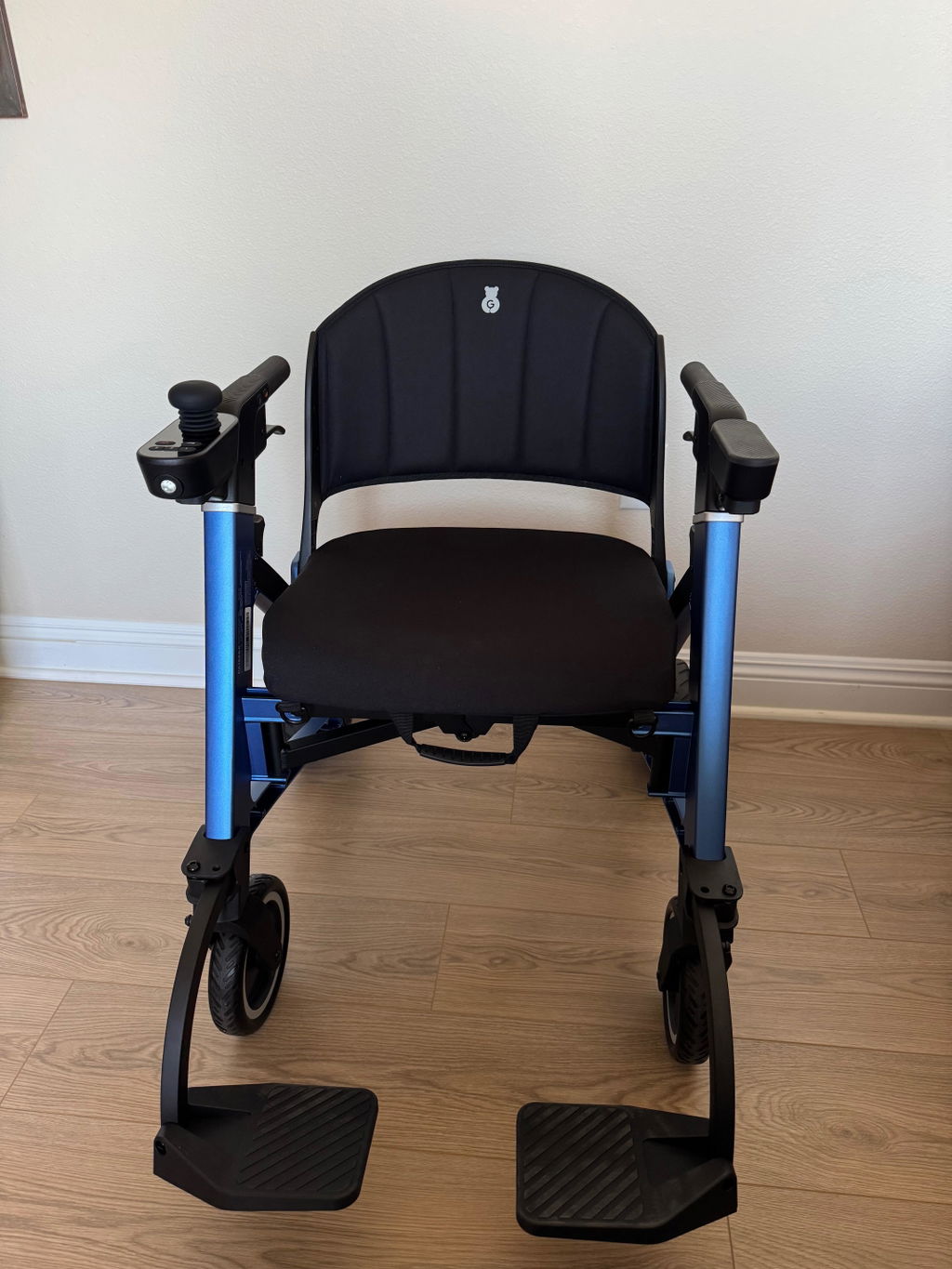
Drive with adjustable armrests and 19-inch wide seat for comfort; monitor range on the LED display.
-
Park and remove battery by pressing side latches; charge separately in 4-6 hours using the included adapter.
-
Fold for storage: collapse armrests, engage pedal, and lift into a car trunk under 42 pounds total.
Who Benefits Most from Paiseec in Real Scenarios?
Scenario 1: Daily Commuter with Limited Storage
Problem: Sarah, 55, struggles with a 90-pound wheelchair that doesn't fit her sedan, missing work twice weekly.
Traditional: Hires transport at $50 per trip.
Paiseec Effect: Folds to trunk size; 18-mile range covers her 12-mile commute.
Key Benefit: Saves $400 monthly, regains schedule control.
Scenario 2: Frequent Flyer with Travel Needs
Problem: Tom, 62, faces airport rejections due to non-removable batteries on quarterly trips.
Traditional: Rents chairs at $200 per use.
Paiseec Effect: Battery passes TSA; reassembles post-security in 2 minutes.
Key Benefit: Cuts costs by 85%, enables independent vacations.
Scenario 3: Rural User Tackling Uneven Terrain
Problem: Maria, 70, limits outings to 8 miles on hills due to power fade.
Traditional: Walks short distances, risking falls.
Paiseec Effect: Terrain assist climbs 8-degree slopes; assist mode adds 25% range.
Key Benefit: Increases weekly activity from 5 to 20 miles safely.
Scenario 4: Caregiver Managing Multiple Tasks
Problem: John, caregiver to his 68-year-old wife, exhausts from lifting 100-pound units.
Traditional: Back strain leads to 2 missed care days monthly.
Paiseec Effect: 34-pound base lifts easily; battery charges indoors separately.
Key Benefit: Reduces physical load by 65%, improves home care efficiency.
Paiseec empowers users like these through proven, quantifiable gains.
Why Invest in Paiseec's Design Now Amid Future Trends?
Lithium battery adoption in mobility aids will reach 75% by 2030, per Grand View Research, driven by demands for portability amid rising air travel and urban density (https://www.grandviewresearch.com). Paiseec positions users ahead with modular tech ready for 5G integration and AI enhancements.
Delays risk obsolescence as non-removable systems phase out under new EU safety regs by 2027.
Paiseec Mobility's decade-tested leadership ensures scalable, future-proof mobility.
Frequently Asked Questions
How long does the Paiseec battery last on a single charge?
It provides 18 miles, varying by terrain and weight.
Is the Paiseec battery safe for air travel?
Yes, it's airline-approved and removable for carry-on compliance.
Who should consider Paiseec's wheelchair?
Active users needing portability, range, and dual-mode flexibility.
When can I expect delivery after ordering from Paiseec?
Typically 3-7 business days with order tracking included.
Does Paiseec offer a warranty on the wheelchair?
Yes, 1-year frame and motor coverage, 18 months on battery.
Can the Paiseec wheelchair handle outdoor inclines?
It manages 8-degree slopes with smart terrain assistance.
Sources
-
https://www.aota.org (Mobility Aids User Survey 2024)
-
https://www.nidilrr.gov (National Institute on Disability Study 2025)
-
https://www.consumerreports.org (Wheelchair Transport Analysis)
-
https://www.tsa.gov (Aviation Battery Restrictions)
-
https://www.ul.com (Safety Standards Report)
-
https://www.grandviewresearch.com (Market Forecast 2030)
-
https://www.spinlife.com/Paiseec-Mobility-Paiseec-W1-2-in-1-Electric-Wheelchair-Folding-Power-Wheelchair/spec.cfm?productID=1815 (Paiseec Product Specs)
-
https://www.paiseec.com (Paiseec Mobility Official Site)
Leave a comment
This site is protected by hCaptcha and the hCaptcha Privacy Policy and Terms of Service apply.