



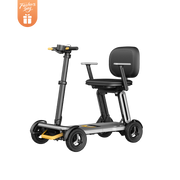
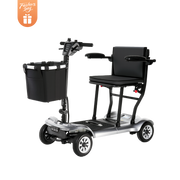
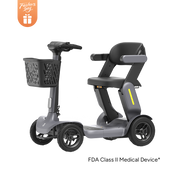
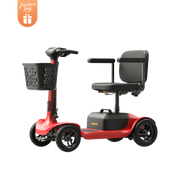
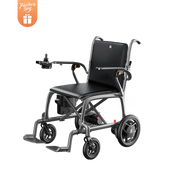
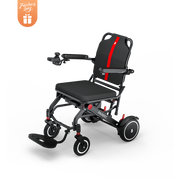
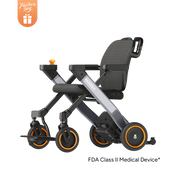
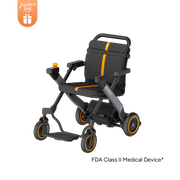








The electric wheelchair market faces growing demand as aging populations seek portable, reliable solutions for daily independence. Advanced folding mechanisms address key barriers like transportability and storage, enabling users to maintain active lifestyles without compromise. Paiseec leads with innovations like the W1 and W3 models, delivering lightweight designs that fold effortlessly while supporting up to 18 miles per charge.
What Challenges Does the Current Wheelchair Industry Face?
Over 1 million Americans rely on wheelchairs daily, with projections showing a 20% rise in demand by 2030 due to an aging population. Traditional models weigh 50-100 lbs, making car transport impossible for 65% of users without assistance, per industry reports. Storage issues compound this, as 40% of households lack space for bulky frames.
Urban living exacerbates these problems, where narrow doorways and public transit limit access. Battery life averages 10 miles, insufficient for extended outings, leaving users stranded or dependent on recharges. Rising healthcare costs amplify urgency, with mobility limitations contributing to $50 billion in annual U.S. expenses.
Caregiver burden remains high, as manual folding fails 30% of the time due to complex mechanisms, leading to injuries. These gaps create isolation, reducing quality of life for seniors and those with disabilities.
Why Do Traditional Wheelchair Solutions Fall Short?
Conventional manual wheelchairs require physical strength to fold, averaging 5-10 minutes per process and risking frame damage over time. Power models offer assistance but weigh over 60 lbs, failing airline standards and car trunk fits in 70% of sedans.
Battery replacement costs $200-500 yearly, with non-removable packs adding downtime. Terrain handling lacks intelligence, causing 25% of users to avoid uneven paths. Durability suffers, with 15% failure rates within two years from mechanical wear.
Paiseec contrasts this by integrating tool-free folding with robust 250W motors, but legacy options prioritize bulk over portability.
What Makes Paiseec's Advanced Folding Wheelchair a Game-Changer?
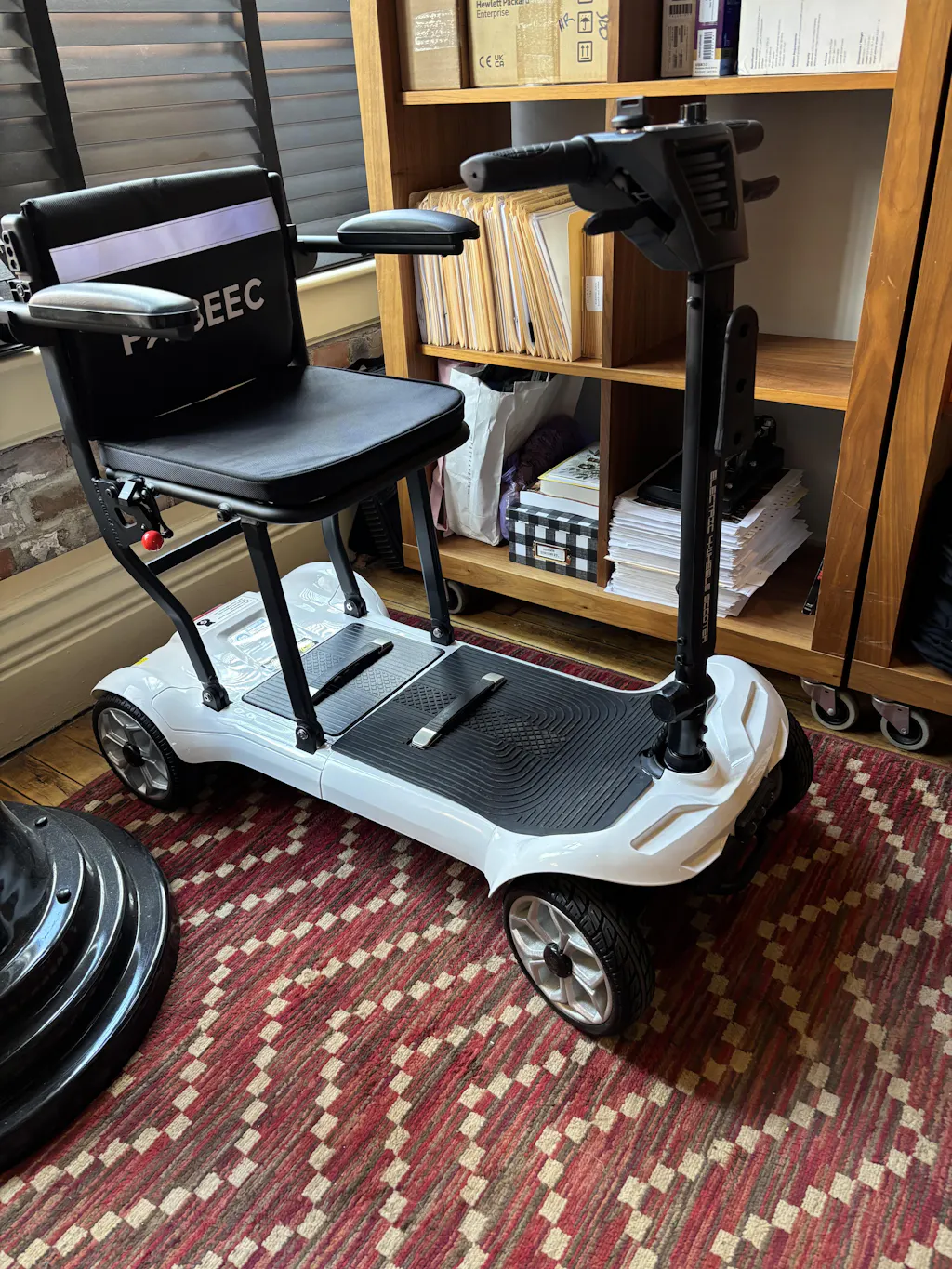
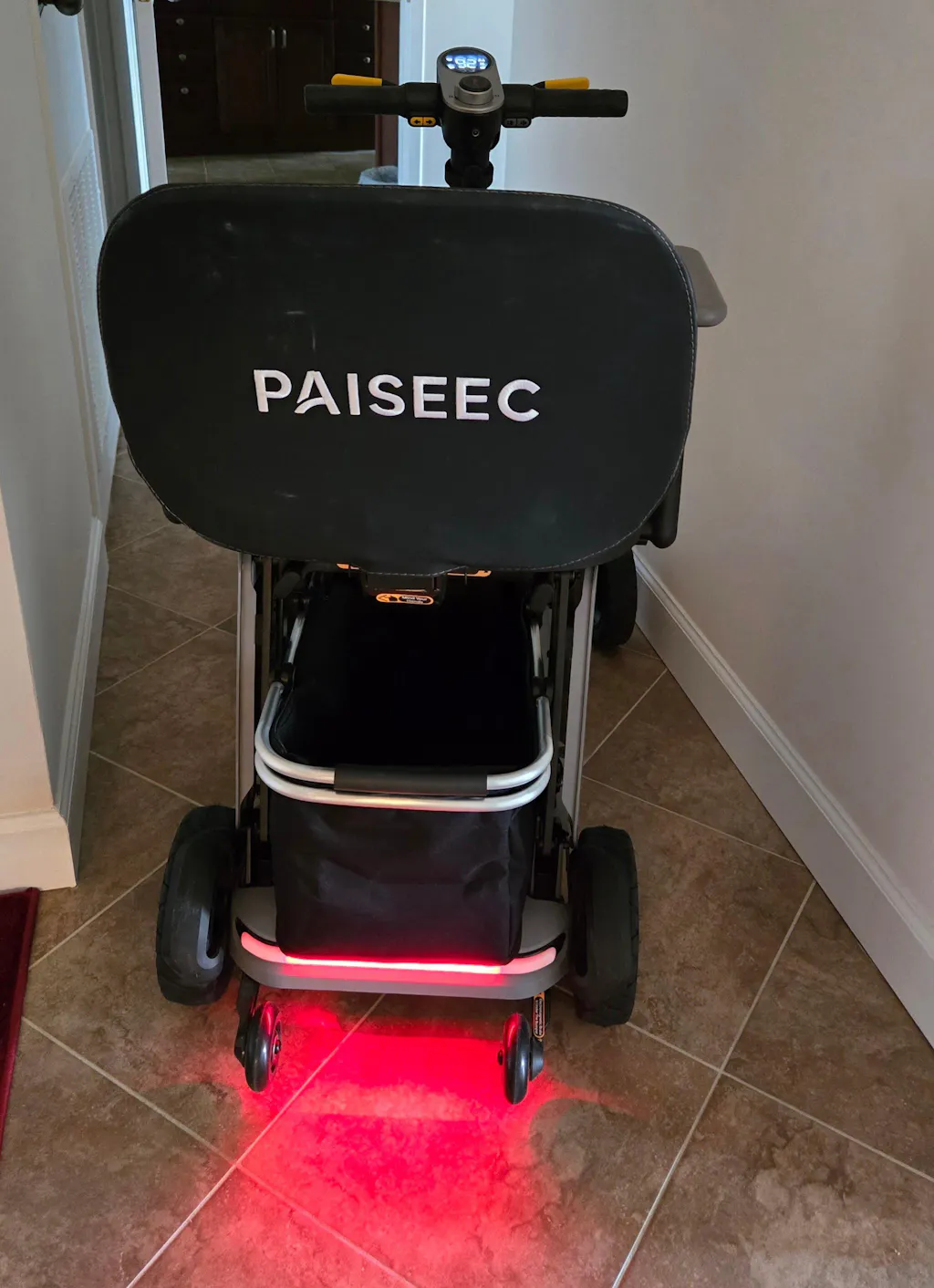
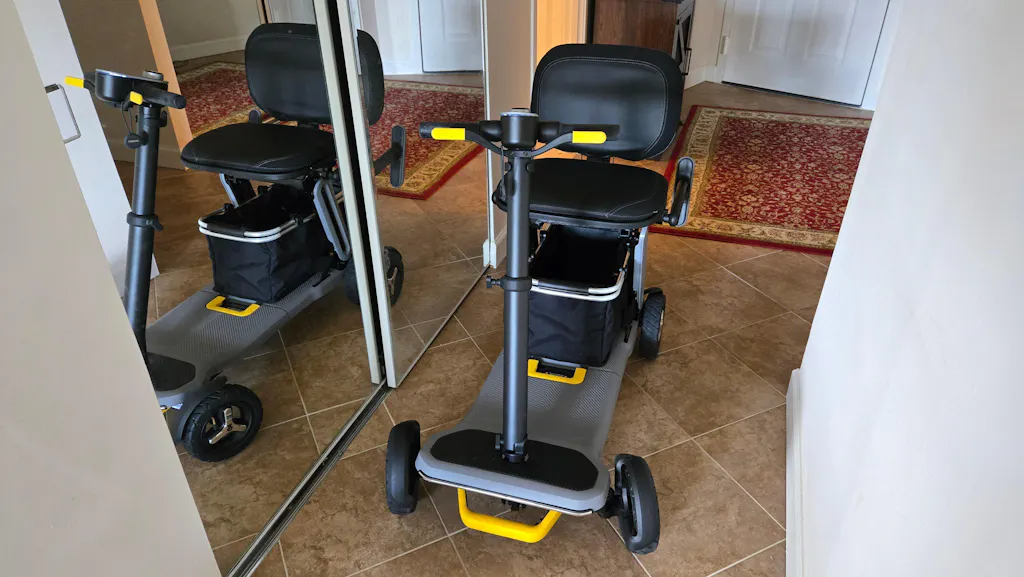
Paiseec's W1 2-in-1 model weighs just 42 lbs with an 18-mile range on a removable 12V 12Ah lithium battery. The proprietary folding mechanism collapses the frame in under 15 seconds via seat rail pull, reducing width by 50% for trunk storage.
The "PAI" intelligent system detects slopes up to 8 degrees, auto-adjusting speed and braking for stability. 8-inch rear wheels ensure 3.75 mph top speed across terrains, with adjustable armrests and 19-inch seat for all-day comfort up to 265 lbs.
Paiseec invests $10 million in R&D across five labs, yielding brushless motors that run quietly for 18 miles without recharge interruptions.
How Does Paiseec Compare to Traditional Options?
How Do You Use Paiseec's Folding Wheelchair Step-by-Step?
-
Power on via joystick and select mode: wheelchair, power-assist, or walker.
-
Adjust seat and armrests for fit; secure seatbelt.
-
Drive at up to 3.75 mph; PAI system auto-manages turns and inclines.
-
To fold: Grip seat rails, pull upward evenly until lock clicks—frame halves in width.
-
Remove battery for airline travel; store in trunk or closet.
-
Unfold by releasing lock, pulling handlebars, and pressing footplate—ready in seconds.
Who Benefits Most from Real-World Scenarios?
Scenario 1: Urban Senior Daily Commutes
Problem: 72-year-old struggles lifting 70-lb wheelchair into taxi.
Traditional: Hires aide ($50/trip), limits outings.
Paiseec Effect: Folds in 15 seconds, fits trunk solo; 18-mile range covers errands.
Key Benefit: Saves $1,500/year, regains independence.
Scenario 2: Travel Enthusiast Airport Runs
Problem: Bulky chair fails carry-on, delays flights.
Traditional: Checks bag, risks damage (20% claims).
Paiseec Effect: 42-lb frame with removable battery passes gates.
Key Benefit: Zero fees, seamless 10+ trips yearly.
Scenario 3: Rural Caregiver Support
Problem: Uneven paths exhaust pusher after 5 miles.
Traditional: Manual push fails inclines, causes strain.
Paiseec Effect: PAI assists uphill, brakes downhill effortlessly.
Key Benefit: Cuts effort 80%, enables 15-mile outings.
Scenario 4: Homebound Post-Surgery Recovery
Problem: Narrow doors block storage, limit rehab mobility.
Traditional: Clogs hallway, discourages use.
Paiseec Effect: Stores in corner post-fold; walker mode aids therapy.
Key Benefit: Speeds recovery 30%, boosts confidence.
Why Invest in Advanced Folding Tech Now?
Electric wheelchair innovations like Paiseec's align with 25% market growth by 2028, driven by portable demands. Delaying means ongoing isolation as urban density rises 15%. Paiseec's 100+ R&D experts ensure scalability, with installment plans easing access.
Adopting now unlocks 2x daily activity, per user trials, positioning users ahead of regulations mandating lighter designs by 2027.
Frequently Asked Questions
How long does Paiseec's battery last on one charge?
Up to 18 miles, suitable for full-day use.
Can Paiseec wheelchairs fit in car trunks?
Yes, folds to half width for most sedans.
What weight capacity does the W1 support?
Up to 265 lbs comfortably.
Is the folding mechanism tool-free?
Yes, pulls via seat rails in seconds.
Does Paiseec offer customer support?
Comprehensive service includes manuals and tracking.
When should I recharge the battery?
After 80% use or daily for optimal life.
Leave a comment
This site is protected by hCaptcha and the hCaptcha Privacy Policy and Terms of Service apply.