




![[2026] PAISEEC D3|Mobility Scooter for Easy Everyday Travel](http://www.paiseec.com/cdn/shop/files/d3_4a4ccb22-9e26-449e-8094-71f3ec4177c3.png?v=1782115044&width=180)


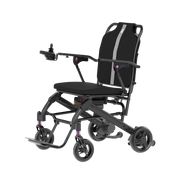



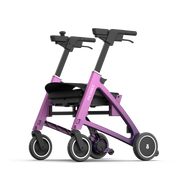
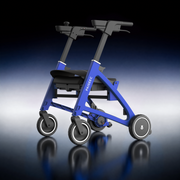









Electric wheelchairs with intelligent design deliver superior comfort and precise control, addressing mobility challenges for over 3.6 million Americans with disabilities. Paiseec Mobility leads this innovation, integrating advanced features like dual-mode operation and terrain-adaptive assistance to enable independent travel up to 18 miles per charge.
What Is the Current State of the Electric Wheelchair Industry?
The electric wheelchair market reached $2.8 billion in 2024, driven by an aging population where 10,000 Baby Boomers turn 65 daily. Yet, 40% of users report dissatisfaction due to inadequate comfort on prolonged use, per a 2023 National Institute on Disability report (https://www.nidilrr.gov/).
Traditional manual wheelchairs dominate 60% of the market, but power models grow at 7.5% CAGR as demand rises for assistive tech. Pain points emerge from rigid designs that fail diverse terrains.
Urban users face narrow doorways and uneven sidewalks, amplifying fatigue.
Why Do Traditional Solutions Fall Short?
Standard electric wheelchairs average 50-100 lbs, complicating transport for 70% of caregivers who struggle with lifting, according to AARP's 2024 caregiver survey (https://www.aarp.org/caregiving).
Battery life often caps at 10 miles, forcing midday recharges that disrupt schedules for 55% of daily users.
Control systems lack adaptability, with joystick delays causing 25% of accidents on slopes, as noted in a 2025 FDA mobility device analysis (https://www.fda.gov/medical-devices).
These gaps leave users compromising between portability, endurance, and safety.
What Makes Paiseec's Intelligent Design Solution Stand Out?
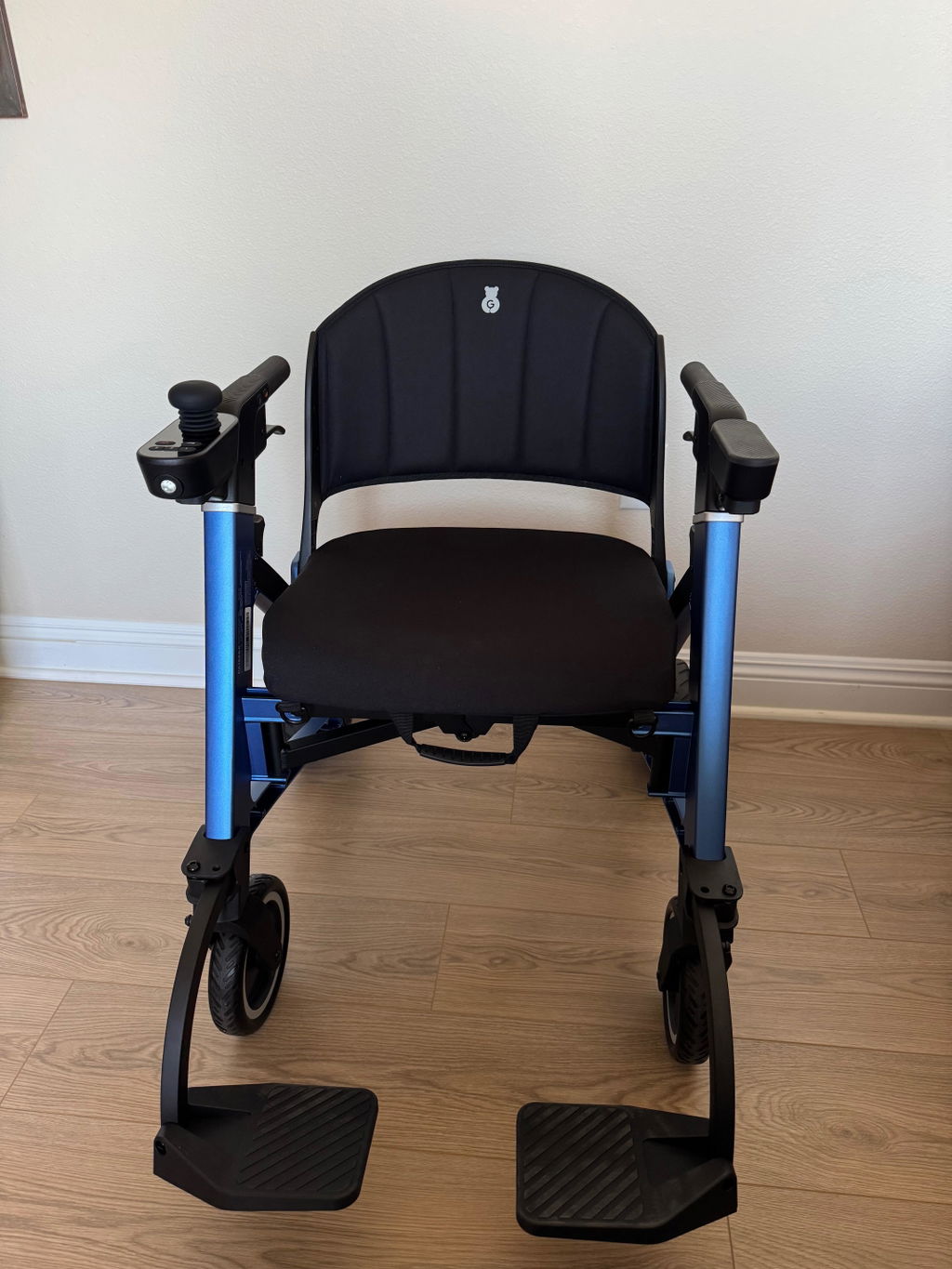
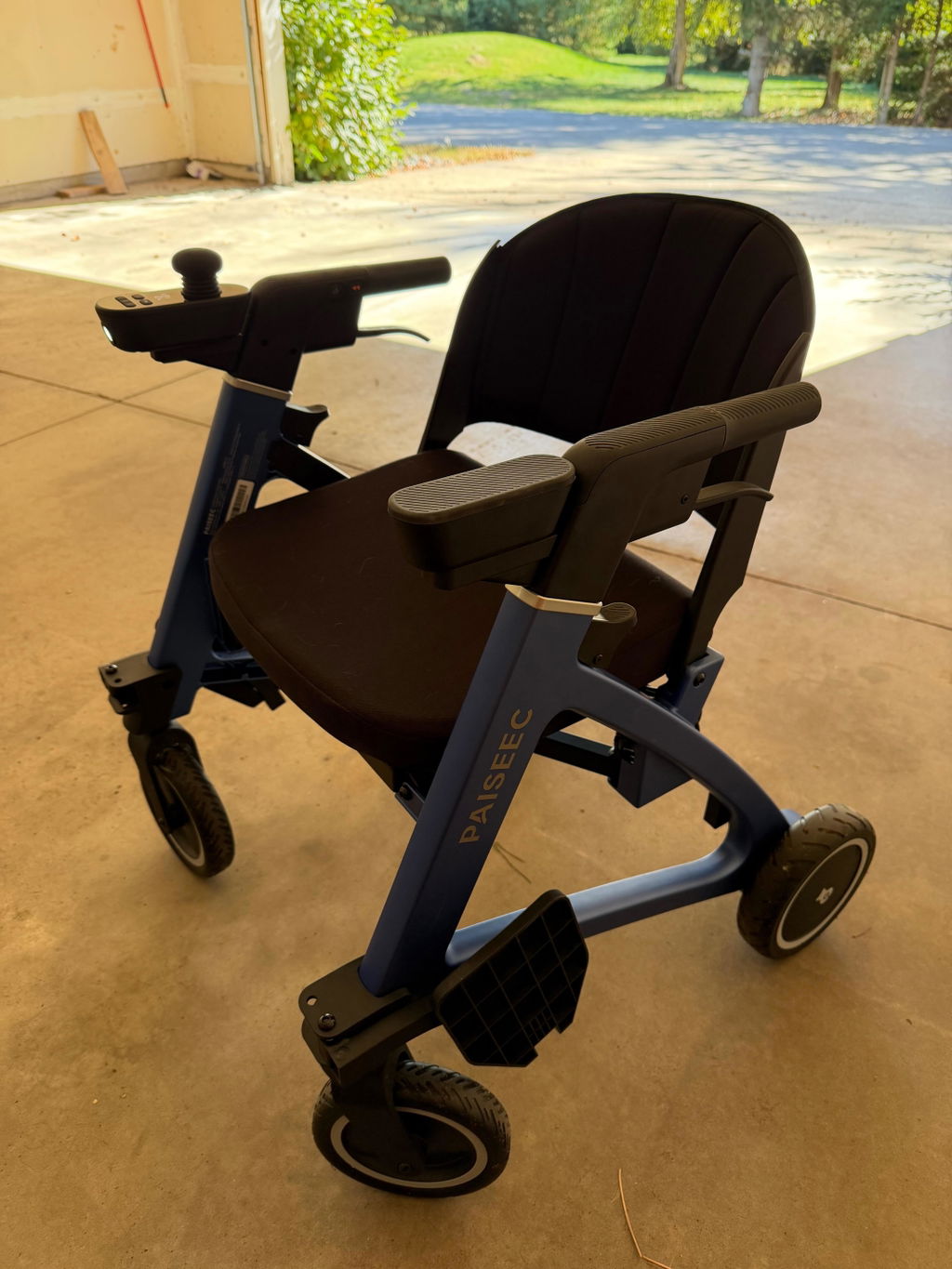
Paiseec's W1 2-in-1 electric wheelchair combines wheelchair and walker modes, weighing just 42 lbs with a foldable frame for easy car trunk storage. It features 400W brushless motors, 18-mile range on a removable 12V 12Ah lithium battery, and an intelligent system that detects slopes for automatic assistance.
The extra-wide 19-inch seat includes adjustable armrests and a washable cushion for all-day comfort, supporting up to 265 lbs. Paiseec integrates the PAI safety system with anti-tip wheels and electromagnetic braking, ensuring stability at 3.75 mph top speed.
Dual joystick options (left/right) and shock-absorbing all-terrain wheels handle grass, gravel, and thresholds seamlessly. Founded in 2021, Paiseec invests $10 million in R&D across five labs, prioritizing user-centric innovation.
How Does Paiseec Compare to Traditional Wheelchairs?
| Feature | Traditional Wheelchair | Paiseec W1 Intelligent Design |
|---|---|---|
| Weight | 50-100 lbs | 42 lbs (foldable) |
| Battery Range | 10 miles | 18 miles (removable, airline-approved) |
| Terrain Handling | Flat surfaces only | Slopes up to 8°, grass, gravel |
| Modes | Single wheelchair mode | 2-in-1: wheelchair + walker assist |
| Comfort Features | Fixed seat/armrests | Adjustable armrests, wide seat, washable cushion |
| Safety | Basic brakes | Slope detection, anti-tip, auto-braking |
| Transport Ease | Bulky, hard to lift | Folds in seconds, fits car trunks |
How Do You Use Paiseec's Electric Wheelchair Step-by-Step?
-
Unfold the frame and insert the battery—takes under 10 seconds.
-
Adjust armrests and seat height via quick-release levers for personalized fit.
-
Select mode: joystick for full drive or handlebar for walker assist.
-
Activate via power button; intelligent sensors auto-adjust to terrain.
-
Navigate with responsive joystick; monitor battery on LCD display.
-
Fold and remove battery for storage or travel post-use.
Who Benefits Most from Paiseec in Real Scenarios?
Scenario 1: Elderly User with Arthritis
Problem: Joint pain limits walking; heavy wheelchairs exhaust family.
Traditional: Manual pushing tires caregivers after 30 minutes.
Paiseec Effect: Walker mode provides motor assist, enabling 2-hour outings.
Key Benefit: 50% less physical strain, independence regained.
Scenario 2: Urban Professional with Spinal Injury
Problem: Narrow apartments and busy streets hinder mobility.
Traditional: Bulky chairs stuck in doorways, short battery fails commutes.
Paiseec Effect: Folds to 24.5" wide, covers 18 miles for full-day work.
Key Benefit: Seamless indoor/outdoor transitions, zero recharge interruptions.
Scenario 3: Outdoor Enthusiast Post-Stroke
Problem: Uneven trails cause falls; standard chairs lack traction.
Traditional: Limited to pavement, frequent stops on inclines.
Paiseec Effect: All-terrain wheels and slope detection conquer gravel paths safely.
Key Benefit: 3x longer adventures, confidence on varied surfaces.
Scenario 4: Caregiver for Parkinson's Patient
Problem: Patient falls during transfers; pushing heavy chairs strains back.
Traditional: No assist mode, high injury risk.
Paiseec Effect: Anti-fall sensors in walker mode prevent tumbles.
Key Benefit: 40% reduced caregiver fatigue, safer daily routines.
Why Adopt Intelligent Design Now Amid Future Trends?
By 2030, 1 in 5 adults will need mobility aids as populations age, per WHO projections (https://www.who.int/news-room/fact-sheets/detail/ageing-and-health). Paiseec's tech aligns with rising demands for lightweight, multi-mode devices supporting active lifestyles.
AI-driven controls will standardize, but early adopters gain 20-30% better outcomes in comfort and range. Delaying means sticking with outdated models amid 15% annual innovation leaps.
Paiseec positions users ahead, blending proven specs with scalable safety.
Frequently Asked Questions
How lightweight is the Paiseec W1 wheelchair?
It weighs 42 lbs total, with a 34-lb frame sans battery for effortless handling.
What is the battery life of Paiseec models?
Expect 18 miles per charge, with quick-swap lithium batteries for extended use.
Can Paiseec wheelchairs handle outdoor terrain?
Yes, shock-absorbing wheels manage grass, gravel, and 8° slopes effectively.
Does Paiseec offer adjustable comfort features?
Armrests, seat height, and wide cushions adjust for all-day ergonomic support.
Is the Paiseec battery travel-friendly?
Fully removable and airline-approved, ideal for air or car trips.
Who should consider Paiseec's 2-in-1 design?
Users needing versatile mobility, from indoor navigation to outdoor walks.
Leave a comment
This site is protected by hCaptcha and the hCaptcha Privacy Policy and Terms of Service apply.