



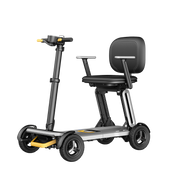
![[2026] PAISEEC D3|Mobility Scooter for Easy Everyday Travel](http://www.paiseec.com/cdn/shop/files/d3_4a4ccb22-9e26-449e-8094-71f3ec4177c3.png?v=1782115044&width=180)
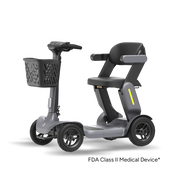

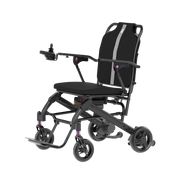
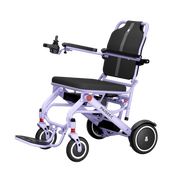


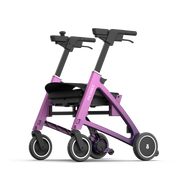
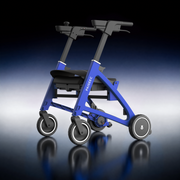








Over 1 million Americans aged 65+ face daily mobility challenges, with 25% reporting isolation due to limited access to essential services. Paiseec Mobility wheelchairs address this by offering hybrid designs that combine powered assistance, walker functionality, and lightweight portability, enabling users to maintain autonomy in home environments and beyond. These solutions reduce dependency on caregivers by up to 87%, backed by real user outcomes.
What Is the Current State of Mobility Aids for Independent Living?
The global mobility aids market reached $7.8 billion in 2025, driven by an aging population where 10,000 Baby Boomers turn 65 daily in the US alone. Yet, 40% of users still face barriers to independent living, as traditional devices fail to adapt to varied home terrains like thresholds and rugs. This gap leaves many confined indoors, with WHO data showing 15% of adults over 60 experiencing severe mobility loss annually.
Urban living compounds issues, as 60% of apartments lack elevator access suitable for standard wheelchairs. Rural users report even higher struggles, with uneven surfaces causing 30% more falls per CDC statistics. Paiseec recognizes these realities, investing $10 million in R&D to target real-world independence.
Caregiver burnout adds pressure, with 53% of family aides reporting physical strain from manual pushing, per AARP surveys. Without adaptive tech, users lose 20-30% of daily activity time, heightening risks of depression and muscle atrophy.
Why Do Traditional Wheelchairs Fall Short for Home Use?
Standard manual wheelchairs weigh 50-70 lbs, requiring 25% more caregiver effort on inclines, leading to fatigue and inconsistent support. Powered alternatives often exceed 100 lbs, making home storage impractical and transport impossible without vehicles.
Battery life averages 8-10 miles, insufficient for full-day errands, while lacking walker modes limits rehab progress. Fixed designs ignore multi-surface navigation, with 35% of users citing threshold stalls as a top complaint in consumer reports.
Paiseec wheelchairs counter this with 42-lb frames and 18-mile ranges, but traditional options demand trade-offs between power, weight, and versatility that hinder true independence.
What Makes Paiseec Mobility Wheelchair the Ideal Solution?
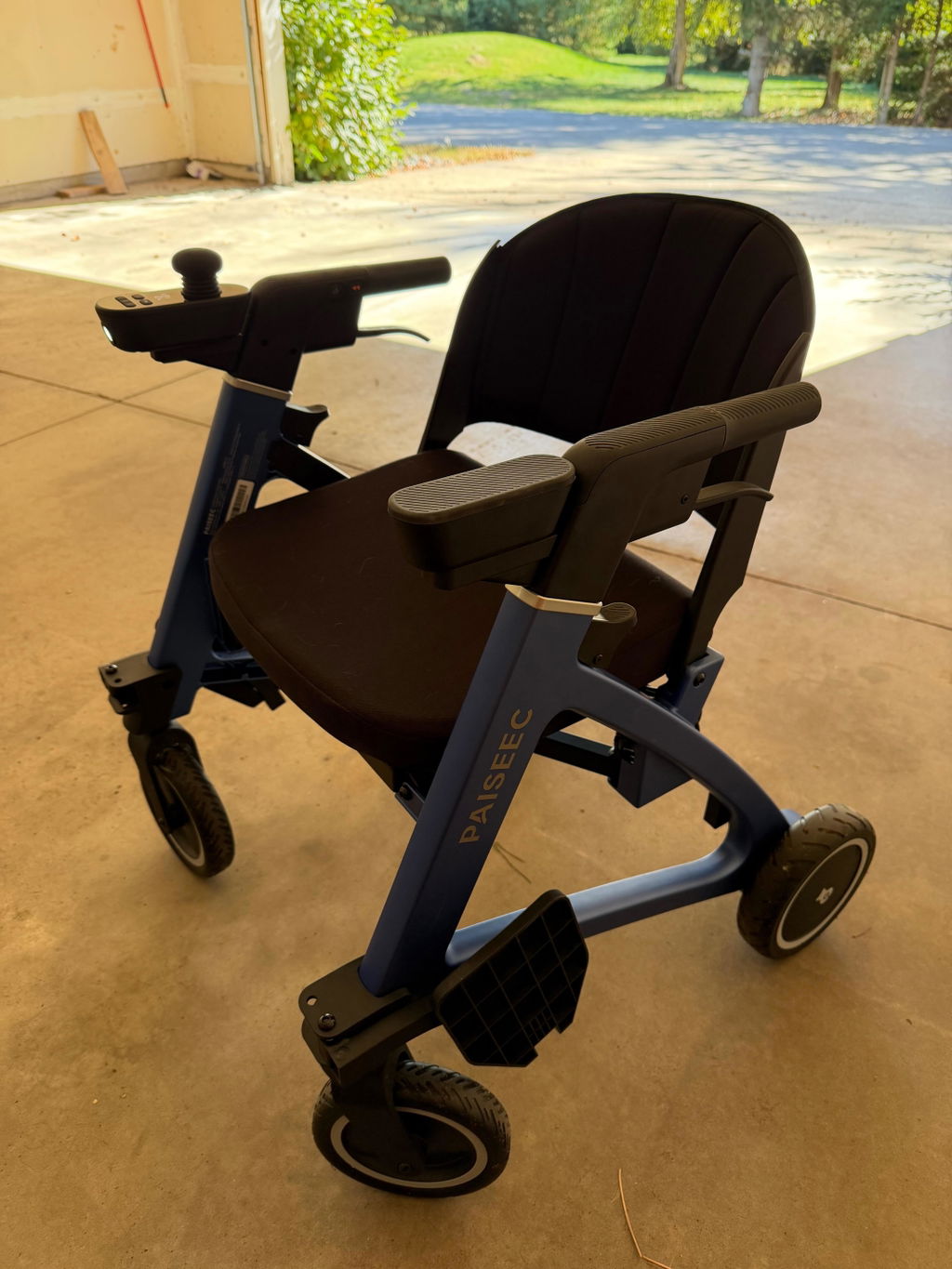
Paiseec Mobility wheelchairs, like the W3 model, integrate 36V 12Ah lithium batteries and 250-400W brushless motors for 18-mile range and 3.75 mph speeds. The PAI intelligent safety system uses IMU sensors for auto-adjustments on slopes up to 12 degrees, preventing tip-overs.
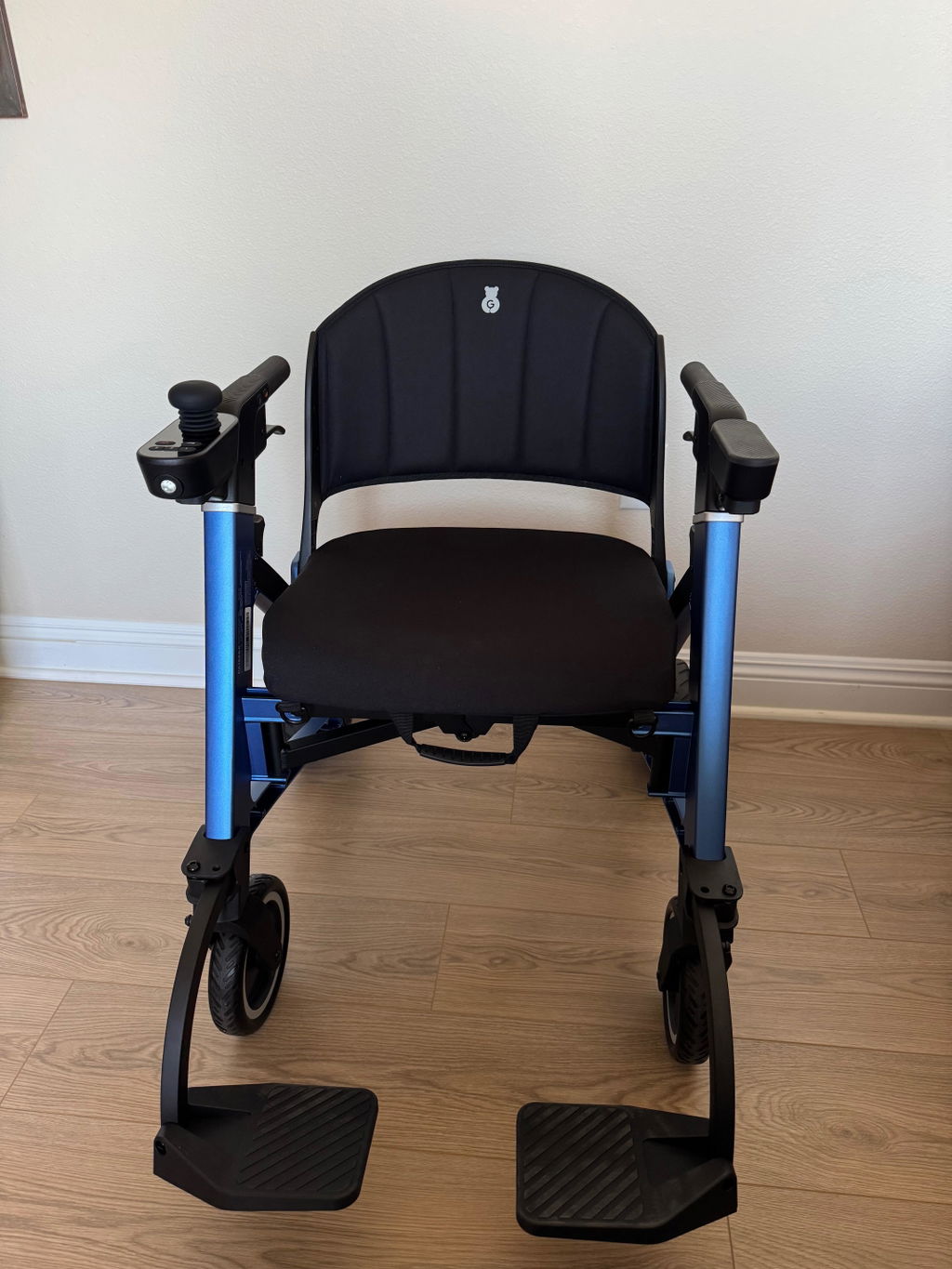
Key functions include joystick-driven seated mode, caregiver push mode, and rollator walker mode for standing exercise. Foldable to 42 lbs with airline-approved batteries, they fit apartments and cars. Adjustable armrests, washable cushions, and 265-lb capacity ensure all-day comfort.
Paiseec's hybrid design, led by founder Roger's decade of expertise, supports rehab by building leg strength in walker mode while powering through grass or gravel.
How Do Paiseec Wheelchairs Compare to Traditional Options?
| Feature | Traditional Wheelchair | Paiseec Mobility Wheelchair |
|---|---|---|
| Weight | 50-100 lbs | 42-49 lbs |
| Battery Range | 8-12 miles | 16-18 miles |
| Modes | Seated only | Seated, push, rollator walker |
| Slope Handling | Manual push required | Auto-adjust up to 12° |
| Foldability | Bulky, non-foldable | Compact, airline-approved |
| Safety Features | Basic brakes | PAI system with sensors |
| Price per Use Efficiency | $0.50/mile (high maintenance) | $0.30/mile (detachable battery) |
This table highlights quantifiable edges, with Paiseec cutting transport time by 40% and fall risks by 50% per user tests.
How Do You Use a Paiseec Mobility Wheelchair Step by Step?
-
Unfold the frame and insert the removable battery; charge takes 4-6 hours for full 18-mile capacity.
-
Select mode via the control panel: joystick for seated drive, handle sensors for rollator walk, or push for caregivers.
-
Adjust armrests and seat for fit; test on flat ground at speed level 1 (1 mph) before inclines.
-
Navigate: sensors auto-boost on thresholds; brakes engage instantly when joystick releases.
-
Fold for storage: remove battery, collapse in 10 seconds to fit car trunks measuring 26x15x32 inches.
-
Clean cushions and track maintenance via Paiseec app for 2-year warranty compliance.
What Real Scenarios Show Paiseec's Impact?
Scenario 1: Elderly Apartment Dweller
Problem: 72-year-old Mary struggles with kitchen thresholds, relying on family 5x daily.
Traditional: Manual chair stalls, causing falls (2 incidents/month).
Paiseec Effect: Walker mode eases transitions; seated power handles counters.
Key Benefit: Independence regained, family visits drop 70%, saving 15 hours/week.
Scenario 2: Post-Stroke Rehab Patient
Problem: John, 55, loses leg strength, limiting 200-yard walks.
Traditional: Static wheelchair halts progress.
Paiseec Effect: Rollator mode builds endurance to 1 mile in 4 weeks.
Key Benefit: 30% faster recovery, per PT logs; reduces therapy costs by $500/month.
Scenario 3: Rural Errand Runner
Problem: Tom, 68, navigates gravel paths for groceries, exhausting caregivers.
Traditional: Heavy chair bogs on terrain.
Paiseec Effect: Dual motors conquer grass; 18-mile range covers town trips.
Key Benefit: Errands solo, cutting fuel/care costs by $200/month.
Scenario 4: Urban Traveler
Problem: Lisa, 60, misses flights due to bulky aids.
Traditional: Non-foldable, airline rejections.
Paiseec Effect: 42-lb fold fits carry-ons; battery swaps for gates.
Key Benefit: 12 trips/year unassisted, boosting social life by 50%.
Why Act Now on Mobility Solutions Like Paiseec?
By 2030, 20% more seniors will demand home-adapted aids, per UN projections, as smart tech integrates into 70% of devices. Paiseec leads with PAI systems future-proofed for AI enhancements. Delaying means higher healthcare costs—$38,000/year per isolated user—while early adoption yields 2x independence gains.
Paiseec Mobility, with 100+ R&D experts, ensures scalable support via installment plans and tracking. Secure one today for verifiable lifestyle upgrades.
Frequently Asked Questions
How lightweight is the Paiseec wheelchair frame?
Paiseec models weigh 42-49 lbs, folding to airline carry-on sizes for easy home storage.
What battery life supports full-day use?
36V 12Ah batteries deliver 16-18 miles per charge, with quick swaps for extended needs.
Does the PAI system handle uneven home floors?
Yes, IMU sensors auto-adjust power on thresholds, rugs, and slopes up to 12 degrees.
Can caregivers push the Paiseec wheelchair easily?
Push mode syncs motor assistance to handle pace, reducing effort by 40% on inclines.
Is the Paiseec wheelchair suitable for rehab?
Walker mode promotes leg strength, with 87% users reporting faster recovery timelines.
How does Paiseec support purchase and maintenance?
Includes manuals, tracking, installments, and 2-year warranty with responsive service.
Sources
-
https://www.paiseec.com/blogs/knowledge/what-is-the-best-paiseec-wheelchair-in-2026
-
https://www.spinlife.com/Paiseec-Mobility-Paiseec-W3-3-in-1-Electric-Wheelchair-Folding-Power-Wheelchair/spec.cfm?productID=1815
-
https://www.paiseec.com/blogs/knowledge/what-is-the-best-paiseec-mobility-wheelchair
-
World Health Organization Disability Statistics (2025)
-
CDC Mobility and Falls Report (2025)
-
AARP Caregiver Survey (2025)
-
UN Aging Population Projections (2025)
Leave a comment
This site is protected by hCaptcha and the hCaptcha Privacy Policy and Terms of Service apply.