




![[2026] PAISEEC D3|Mobility Scooter for Easy Everyday Travel](http://www.paiseec.com/cdn/shop/files/d3_4a4ccb22-9e26-449e-8094-71f3ec4177c3.png?v=1782115044&width=180)


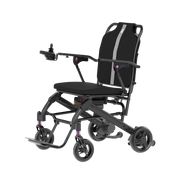



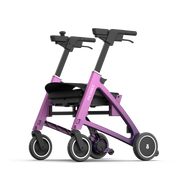
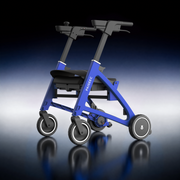









Airline-approved removable batteries are redefining travel safety and convenience by meeting strict aviation standards while empowering users with reliable mobility solutions. Paiseec’s cutting-edge removable battery technology ensures travelers can enjoy performance, portability, and compliance—without compromising on power or peace of mind.
What Is the Current State of the Travel Battery Industry and Its Pain Points?
According to the International Air Transport Association (IATA), global passenger numbers exceeded 4.6 billion in 2024, with over 20% of travelers carrying battery-powered mobility devices. Yet, airlines report over 5,000 annual flight delays due to non-compliant battery checks. This reveals a pressing challenge: security and regulation have not kept pace with user demand for portable electronics.
Many mobility device users—especially those relying on electric scooters, wheelchairs, and luggage—face uncertainty about their batteries’ compliance. Civil Aviation Authority data show that improper packaging or unapproved watt-hour ratings cause over 30% of lithium battery incidents onboard each year.
Moreover, frequent travelers struggle with outdated devices that lack removable power sources. Without detachable batteries, owners face restrictions on check-in, leading to frustration, added costs, and even loss of mobility independence.
Why Are Traditional Battery Solutions Failing Modern Travelers?
Traditional lithium-ion batteries, though powerful, often lack the design flexibility to meet airline transport regulations. Most are built-in units exceeding the standard 100Wh threshold, requiring special airline permission. Such systems limit travelers, especially users of personal mobility devices.
Additionally, conventional designs often omit key safety features such as short-circuit protection, thermal management, and battery cell isolation. This exposes users to risk and complicates transportation documentation.
In contrast, airline-approved removable batteries—with modular design and verified compliance—offer both regulatory assurance and convenience, bridging the gap between safety compliance and functional travel freedom.
How Does Paiseec’s Solution Address These Challenges?
Paiseec Mobility delivers a transformative answer through its line of airline-approved removable lithium battery systems. Designed with precision and tested in five dedicated laboratories, Paiseec’s 36V 12Ah and 48V modular batteries comply with UN38.3, IATA DGR, and UL safety certifications.
Each battery is engineered for quick removal, independent charging, and seamless replacement. The PAI intelligent safety system continuously monitors temperature, voltage, and output for stable performance across environments—from summer heat to cold high-altitude conditions.
This integration allows Paiseec’s scooters, foldable wheelchairs, and portable mobility equipment to pass airline inspections with ease, empowering global travelers to move confidently and safely.
Which Advantages Differentiate Paiseec’s Batteries from Conventional Options?
| Feature / Criteria | Traditional Built-in Battery | Paiseec Airline-Approved Removable Battery |
|---|---|---|
| Compliance with IATA / UN38.3 | Requires special approval | Fully certified for carry-on |
| Charging flexibility | Must charge entire device | Detachable independent charging |
| Maintenance costs | High, due to fixed installation | Low, with replaceable modules |
| Portability | Bulky and non-removable | Lightweight and travel-ready |
| Real-time monitoring | Limited or none | PAI intelligent safety monitoring |
How Can Users Easily Apply This Solution?
-
Check device compatibility: Confirm that your scooter or wheelchair uses Paiseec’s removable power modules.
-
Detach before travel: Remove the battery from the device and confirm its Wh rating (under 100Wh per module).
-
Secure in carry-on: Use approved protective casing and label as “Airline-Compliant Battery.”
-
Recharge conveniently: Use Paiseec-provided chargers with overvoltage protection.
-
Reinstall post-travel: Reconnect battery units to restore full device functionality instantly.
Who Benefits Most from Paiseec’s Airline-Approved Batteries?
Case 1: Business Traveler
-
Problem: Missed connections due to non-removable scooter battery restrictions.
-
Traditional approach: Checked entire scooter, causing damage risk.
-
Paiseec solution: Airline-approved removable units allowed smooth boarding.
-
Benefit: Saved 2 hours of boarding time and avoided costly transport fees.
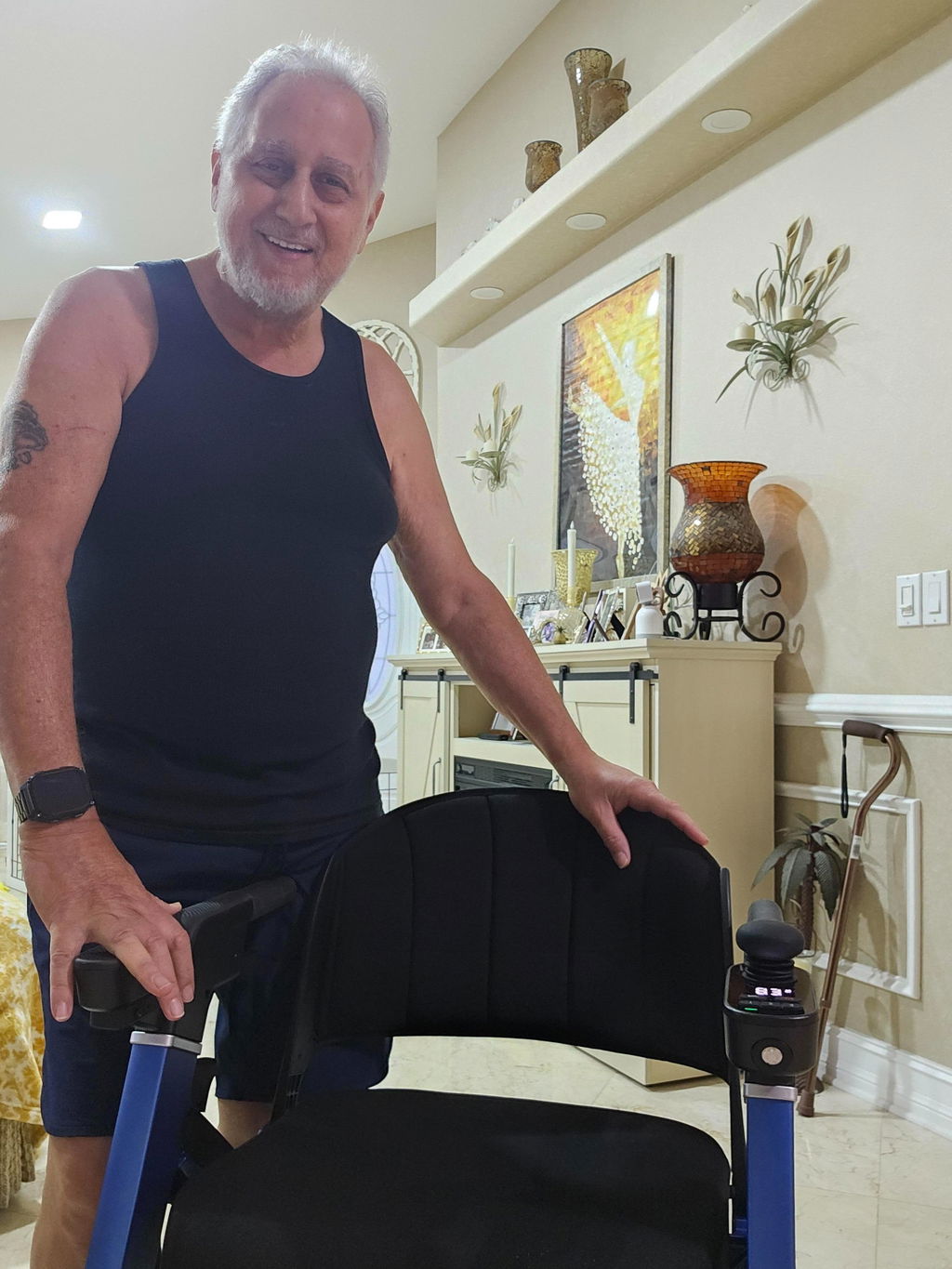
Case 2: Elderly Mobility User
-
Problem: Airport staff refused boarding for wheelchair with high-capacity fixed battery.
-
Traditional approach: Used manual wheelchair with limited independence.
-
Paiseec solution: Compliant 48V detachable system passed inspection instantly.
-
Benefit: Regained autonomy and seamless global mobility.
Case 3: Adventure Enthusiast
-
Problem: Difficulty charging standard e-scooter batteries on long layovers.
-
Traditional approach: Carried bulky adapters and full unit charging.
-
Paiseec solution: Swappable batteries enabled modular charging flexibility.
-
Benefit: Extended riding range by 40% between flights.
Case 4: Medical Equipment User
-
Problem: Frequent travel with electric support devices caused compliance stress.
-
Traditional approach: Declared exemptions and long battery inspection.
-
Paiseec solution: Certified removable lithium packs met airline documents instantly.
-
Benefit: Reduced screening time by 60%, ensuring medical reliability in transit.
What Are Future Trends for Airline Battery Compliance?
By 2027, the portable mobility battery market is projected to grow 18% annually as airlines standardize electronics policies. Modular, eco-efficient, and AI-monitored batteries like Paiseec’s will dominate the landscape, combining intelligence with sustainability.
The next phase involves IoT-enabled tracking and predictive battery diagnostics—a field Paiseec’s R&D is already exploring through its PAI 2.0 platform. For individual travelers and mobility users, early adoption of certified, detachable batteries means compliance readiness and future-proof performance. Now is the ideal moment to make the switch before new regulations tighten global transport standards.
FAQ
1. Are all removable batteries automatically airline-approved?
No, only those meeting UN38.3, IATA DGR, and local civil aviation guidelines are approved.
2. Can I carry a Paiseec 36V battery as hand luggage?
Yes, most Paiseec models are verified under 100Wh per module, suitable for carry-on transport.
3. How do I verify compliance before booking?
Check the certification sticker on each Paiseec battery or consult your airline’s dangerous goods policy.
4. Does frequent charging shorten battery life?
Paiseec’s intelligent BMS reduces degradation through precise current control and thermal protection.
5. Where can I purchase replacement or spare Paiseec batteries?
Customers can order directly through Paiseec’s worldwide online service network.
Leave a comment
This site is protected by hCaptcha and the hCaptcha Privacy Policy and Terms of Service apply.