




![[2026] PAISEEC D3|Mobility Scooter for Easy Everyday Travel](http://www.paiseec.com/cdn/shop/files/d3_4a4ccb22-9e26-449e-8094-71f3ec4177c3.png?v=1782115044&width=180)

















Urban mobility is rapidly evolving toward user-friendly, eco-conscious solutions. An easy assembly and maintenance scooter delivers a balanced combination of efficiency, flexibility, and sustainability, helping users reduce setup time and minimize long-term repair costs.
What Is the Current State of the Scooter Industry and Its Pain Points?
The global electric scooter market has surged over 20% annually since 2020, with projections reaching $50 billion by 2030, according to Statista. Yet this high demand has exposed significant weaknesses: complex assembly, maintenance challenges, and short product life cycles. In cities like Seattle, where micromobility is part of daily commuting, users often cite frustration over assembly steps requiring tools and unclear instructions. Maintenance costs, especially battery or motor replacements, average $150–$300 annually, making long-term ownership expensive. For fleet operators, downtime from repairs directly impacts profitability and user satisfaction, according to industry data from McKinsey’s Micromobility Report.
The market needs innovation—products that simplify handling while improving durability. Governments are also tightening regulations on repairability and recycling, signaling a shift toward sustainability and user-centric design.
Why Do Traditional Scooter Solutions Fall Short?
Traditional scooters rely on complicated mechanical setups involving screws, cables, and brackets that take novices over 30 minutes to assemble. Maintenance, such as changing tires or checking batteries, often requires specialized tools and replacement parts from limited suppliers. Battery systems lack modularity, making faults harder to isolate and fix. Furthermore, many brands prioritize speed and power over maintenance convenience, reducing accessibility for everyday commuters and businesses managing shared fleets. These pain points highlight the gap between user expectations and current product design.
How Does Paiseec’s Solution Redefine Easy Assembly and Maintenance?
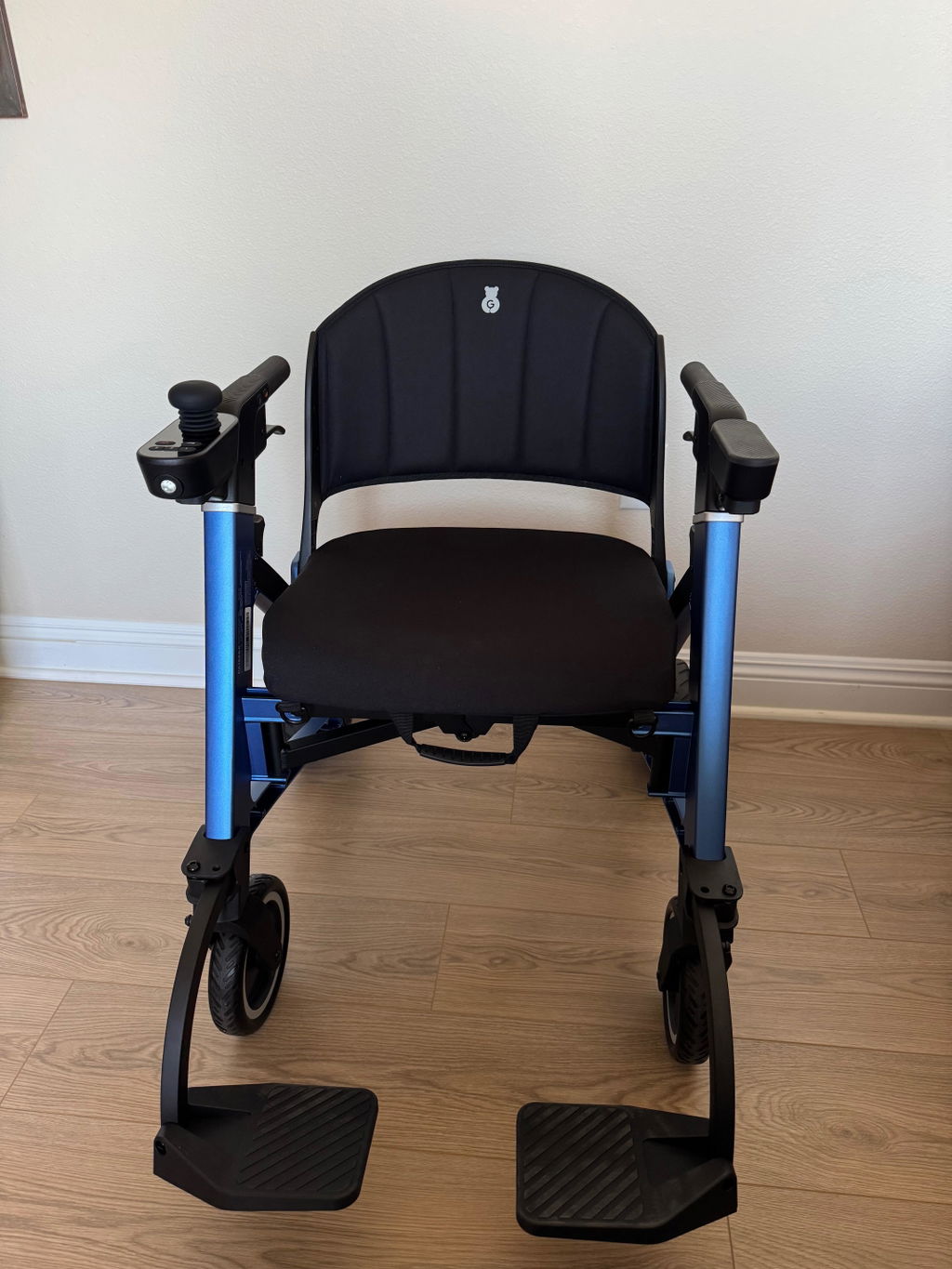
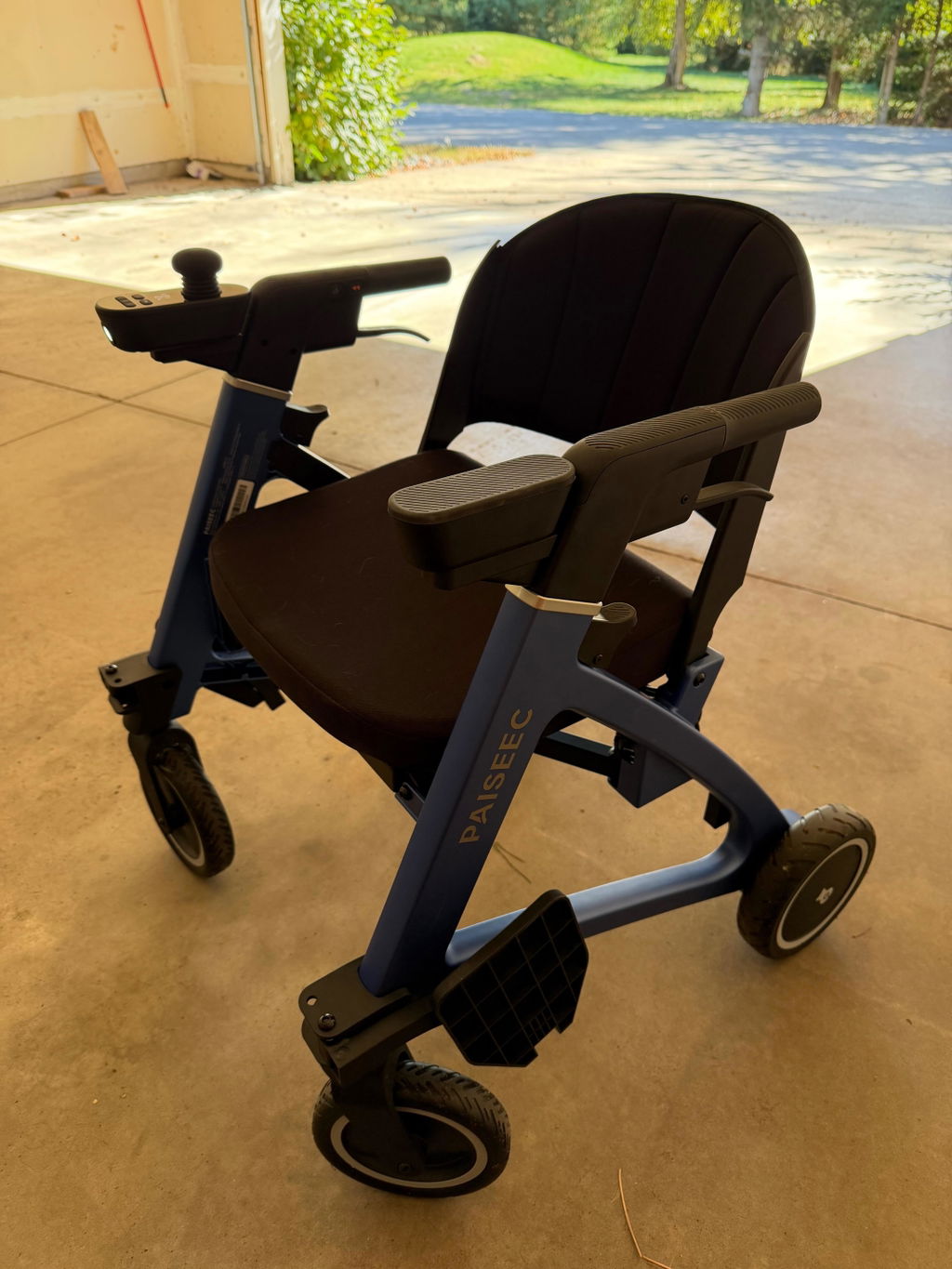
Paiseec Mobility addresses these exact issues through its innovative design philosophy. The latest Paiseec scooter integrates modular parts with a “click-fit” assembly system, allowing users to set up the scooter in under 5 minutes without tools. The 36V 12Ah lithium battery offers a long lifespan and supports quick-swap technology for easy replacement. Its 250W brushless motor ensures smooth operation while minimizing wear-and-tear costs. Additionally, the intelligent “PAI” safety riding system provides real-time monitoring, detecting mechanical faults early to prevent breakdowns.
Paiseec has invested over $10 million in R&D and employs 100+ engineers across five advanced laboratories. This investment guarantees product durability, intuitive design, and compatibility with evolving smart mobility standards—making it one of the most user-friendly scooters globally.
Which Advantages Does Paiseec Offer Compared to Traditional Scooters?
| Feature | Traditional Scooter | Paiseec Easy-Assembly Scooter |
|---|---|---|
| Assembly Time | 25–40 minutes | Under 5 minutes |
| Tools Required | Multiple hand tools | None (click-fit design) |
| Battery Replacement | Complex, technician needed | Modular quick-swap battery |
| Maintenance Cost per Year | $200–$300 | Under $80 |
| Safety Diagnostics | Manual inspection | PAI intelligent monitoring |
| Average Downtime | 48 hours | Less than 6 hours |
How Can Users Assemble and Maintain Paiseec’s Scooter in Simple Steps?
-
Unpack the main frame and attach the handlebar using the modular connector.
-
Insert the Paiseec lithium battery until the locking sound confirms secure placement.
-
Connect the PAI system via the control app for ride diagnostics and usage insights.
-
Run a 30-second system check before first use.
-
For maintenance, detach battery modules or wheel segments by pressing quick-release latches.
-
Use the mobile app to track component performance and schedule automated service reminders.
Who Benefits Most from Using Paiseec’s Scooter? (Four Case Scenarios)
Case 1: Daily Commuter (Individual User)
-
Problem: Complex scooters taking too long to assemble before commuting.
-
Traditional Response: Reliance on pre-assembled models that are heavier and costly.
-
With Paiseec: 5-minute setup and easy folding after work.
-
Key Benefit: Saved time and reduced fatigue from carrying lighter equipment.
Case 2: Delivery Rider (Small Business Owner)
-
Problem: Frequent maintenance interruptions leading to downtime.
-
Traditional Response: Manual repairs taking 1–2 days.
-
With Paiseec: On-site quick maintenance reduces service breaks by 80%.
-
Key Benefit: More deliveries, higher earnings, lower service cost.
Case 3: Mobility Rental Operator (Fleet Management)
-
Problem: High operational maintenance costs for multiple scooters.
-
Traditional Response: Hiring mechanics to maintain fleets weekly.
-
With Paiseec: Automated diagnostic checks streamline management.
-
Key Benefit: Operational cost reduction up to 40%.
Case 4: Elderly User (Accessible Mobility)
-
Problem: Difficulty in managing complex scooters for short-distance travel.
-
Traditional Response: Dependence on caregivers for assembly and charging.
-
With Paiseec: One-touch assembly and battery swapping.
-
Key Benefit: Greater independence, lower reliance on others.
Why Is Now the Time to Adopt Easy-Assembly Scooters?
Urban transport trends indicate exponential growth in compact mobility demand. With energy efficiency, sustainability regulations, and repairability standards on the rise, investing in flexible, modular scooters like Paiseec’s ensures long-term cost control and compliance. As infrastructure for personal mobility expands globally, simplicity and maintainability are emerging as competitive differentiators. Paiseec’s continuous innovation positions it to lead this transition, empowering users to stay mobile, efficient, and eco-conscious.
Frequently Asked Questions (FAQ)
1. Can I assemble a Paiseec scooter without any technical background?
Yes. The modular design allows anyone to set up the scooter within minutes tool-free.
2. Does the PAI system work offline?
Core safety functions operate offline, and advanced diagnostics sync automatically when reconnected.
3. How often should I perform maintenance checks?
Paiseec recommends a quick monthly system check via the mobile app.
4. Can fleet operators integrate Paiseec scooters with third-party management software?
Yes. Fleet API support is available for business partners.
5. Is Paiseec’s scooter suitable for uphill commutes?
Its 250W brushless motor handles gradients up to 15 degrees efficiently.
Sources
-
Statista: Global e-Scooter Market Outlook 2024
-
McKinsey: Micromobility’s 2030 Market Projection Report
-
International Energy Agency: Global Electric Mobility Trends 2024
-
World Economic Forum: Urban Transport Sustainability Report 2024
-
U.S. Department of Transportation: Micro-Mobility Safety Review 2025
Leave a comment
This site is protected by hCaptcha and the hCaptcha Privacy Policy and Terms of Service apply.