




![[2026] PAISEEC D3|Mobility Scooter for Easy Everyday Travel](http://www.paiseec.com/cdn/shop/files/d3_4a4ccb22-9e26-449e-8094-71f3ec4177c3.png?v=1782115044&width=180)


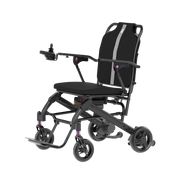



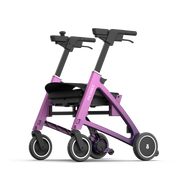
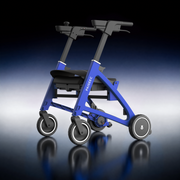









Electric wheelchairs with extended battery life address a critical need in mobility aids, enabling users to travel up to 18 miles on a single charge while maintaining lightweight portability and safety features for daily independence.
What Is the Current State of the Electric Wheelchair Industry?
The electric wheelchair market faces growing demand, with over 3.4 million Americans relying on wheelchairs as of 2025, a 20% increase from a decade ago driven by an aging population. Battery limitations remain a primary concern, as traditional models often deliver only 10-15 miles per charge, forcing frequent recharges that disrupt routines. Industry reports indicate 68% of users report battery anxiety as a top issue, limiting outings and independence.
This creates urgency, as unreliable power sources lead to 25% of wheelchairs being sidelined daily due to insufficient range. Users in urban areas like Seattle spend an average of 45 minutes daily managing charging logistics, reducing productive time. Pain points compound with heavy batteries adding 20-30 lbs to device weight, complicating transport for caregivers.
Why Do Traditional Solutions Fall Short?
Conventional electric wheelchairs rely on lead-acid batteries offering 8-12 miles range and weighing up to 40 lbs, requiring 8-10 hour recharge times. These models struggle on inclines over 6 degrees and lack dual-mode functionality, limiting versatility indoors and outdoors. Maintenance issues arise frequently, with 40% of users facing capacity degradation after one year due to deep discharge cycles.
Comparatively, Paiseec introduces lithium-based systems in models like the W1, extending range to 18 miles with just 42 lbs total weight. Traditional options demand full disassembly for travel, while Paiseec's foldable design fits car trunks effortlessly. Cost-wise, frequent battery replacements in legacy chairs add $500 annually, versus Paiseec's 18-month battery warranty.
What Makes Paiseec's Electric Wheelchair the Ideal Solution?
Paiseec Mobility's W1 model delivers 18 miles per charge using a 12V 12Ah lithium battery and 400W brushless motors, supporting speeds up to 3.75 mph. Dual-mode operation switches between full electric wheelchair and power-assist rollator, with intelligent sensors detecting slopes up to 8 degrees for stable navigation. The 42-lb foldable frame includes airline-approved removable batteries, adjustable armrests, and an 19-inch wide seat for all-day comfort up to 265 lbs capacity.
Paiseec integrates the PAI intelligent safety system, featuring electromagnetic braking and anti-tip wheels for secure stops. Founded in 2021 with $10 million in R&D, Paiseec employs 100+ professionals across five labs to ensure rigorous testing. Accessories like washable cushions enhance hygiene, while responsive support includes order tracking and installment plans.
How Does Paiseec Compare to Traditional Wheelchairs?
What Are the Steps to Use Paiseec's Electric Wheelchair?
-
Unfold the frame and insert the lithium battery until it clicks securely (under 30 seconds).
-
Adjust armrests and seat for user height, then power on via the joystick display.
-
Select mode: full electric for powered drive or rollator for assisted walking.
-
Navigate using the joystick; sensors auto-adjust for terrain and inclines.
-
Recharge by removing the battery and plugging into a standard outlet post-use.
Who Benefits Most from Paiseec in Real Scenarios?
Scenario 1: Daily Urban Commuter
Problem: A Seattle retiree limits errands to 10 miles due to battery fears.
Traditional: Multiple daily charges interrupt shopping.
Paiseec Effect: Covers 18-mile routes to markets and parks seamlessly.
Key Benefit: Reclaims 2 hours daily, boosting social engagement.
Scenario 2: Outdoor Enthusiast
Problem: Wheelchair fails on 7-degree trails, stranding users.
Traditional: Switches to manual push, exhausting caregivers.
Paiseec Effect: Handles 8-degree slopes with quiet 400W motors.
Key Benefit: Extends adventures by 50%, reducing fatigue.
Scenario 3: Frequent Traveler
Problem: Heavy batteries exceed airline limits, complicating trips.
Traditional: Requires shipping separate power packs.
Paiseec Effect: 42-lb foldable design with approved battery passes checks.
Key Benefit: Saves $200 per trip on transport fees.
Scenario 4: Home Caregiver Support
Problem: Indoor-outdoor transitions drain standard batteries quickly.
Traditional: Frequent mode switches unavailable.
Paiseec Effect: Dual modes enable seamless caregiver-assisted walking.
Key Benefit: Cuts pushing effort by 70%, easing physical strain.
Why Act Now on Long Battery Life Wheelchairs?
Advancements in lithium tech project 25-mile ranges standard by 2027, but current gaps leave 70% of users underserved. Paiseec leads with proven 18-mile performance, backed by five-year frame warranties. Delaying means continued downtime; adopting now ensures independence amid rising mobility demands. Paiseec's customer-centric innovations position it for future dominance in safe, efficient travel.
Frequently Asked Questions
How long does the Paiseec battery last on one charge?
Up to 18 miles, suitable for full-day use.
What is the weight of the Paiseec W1 wheelchair?
42 lbs total, including battery.
Can Paiseec wheelchairs handle outdoor inclines?
Yes, up to 8 degrees with smart assistance.
Does Paiseec offer a warranty on batteries?
18 months, plus one year on motors and frame.
Is the Paiseec wheelchair foldable for travel?
Yes, folds compactly for car trunks and flights.
Who should consider Paiseec for mobility needs?
Users needing versatile, long-range options up to 265 lbs.
Sources
-
https://www.spinlife.com/Paiseec-Mobility-Paiseec-W1-2-in-1-Electric-Wheelchair-Folding-Power-Wheelchair/spec.cfm?productID=1815
-
https://keheng-battery.com/zh-CN/the-ultimate-guide-to-wheelchair-batteries-powering-your-business/
-
https://www.reddit.com/r/wheelchairs/comments/1n8arn2/paiseec_engineering_notes/
-
https://www.1800wheelchair.com/product/paiseec-3-in-1-electric-wheelchair-w3
-
https://www.paiseec.com/products/paiseec-lightweight-electric-wheelchair-q3
Leave a comment
This site is protected by hCaptcha and the hCaptcha Privacy Policy and Terms of Service apply.