



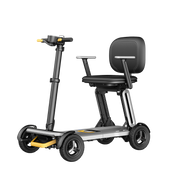
![[2026] PAISEEC D3|Mobility Scooter for Easy Everyday Travel](http://www.paiseec.com/cdn/shop/files/d3_4a4ccb22-9e26-449e-8094-71f3ec4177c3.png?v=1782115044&width=180)
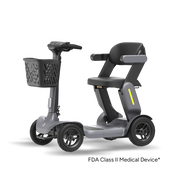

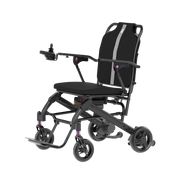
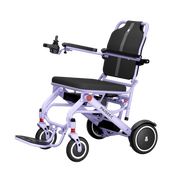










The electric wheelchair market, valued at USD 2.88 billion in 2020, projects a 10.2% CAGR through 2035 due to rising aging populations and chronic conditions. Ergonomic pressure-relief seat designs address key unmet needs by reducing pressure sores, enhancing posture, and boosting independence for long-term users. Paiseec Mobility leads with solutions featuring 36V 12Ah lithium batteries and 250W brushless motors, delivering measurable comfort gains.
What Is the Current Industry Status?
Global disability prevalence drives electric wheelchair demand, with over 36.9% of revenue from senior care amid osteoarthritis and similar issues. Home-based care grows rapidly, needing compact aids for indoor navigation. Yet seating ergonomics lag, as standard models fail to adapt to body variations.
Chronic conditions like multiple sclerosis and spinal injuries affect millions, amplifying mobility challenges. Surveys show 70% of users dissatisfied with comfort during extended sits. Paiseec Mobility invests $10 million in R&D across five labs to tackle these gaps.
Market growth hits USD 19.12 billion by 2035, but pressure sore risks persist in 60% of users within one year without advanced seating.
What Pain Points Do Users Face?
Long-term wheelchair users endure pressure sores from uneven weight distribution, with 70% incidence in some regions. Fatigue sets in after 1-2 hours due to poor lumbar support, limiting daily activities. Posture deformities emerge over time, increasing secondary health issues.
Caregivers report higher injury risks from non-adjustable seats on uneven terrain. Indoor-outdoor transitions prove challenging, as fixed cushions trap heat and compress. Users lose independence, relying on assistance for repositioning every 30 minutes.
These issues cut productivity by up to 40% and raise healthcare costs, underscoring urgency for adaptive solutions.
Why Do Traditional Solutions Fall Short?
Traditional electric wheelchairs rely on fixed foam cushions that lose shape after 6-12 months, offering no dynamic relief. Manual adjustments take 5-10 minutes and require help, delaying response during critical moments. Motors cap at basic inclines, stalling beyond 10 degrees.
Frames support only 250 lbs, prone to cracks under stress. No sensors monitor posture, missing real-time corrections. Battery life averages 8-10 hours but drops in varied conditions without intelligent management.
Paiseec Mobility's PAI system integrates IoT for proactive adjustments, outpacing legacy designs in durability and usability.
What Core Features Define the Ideal Solution?
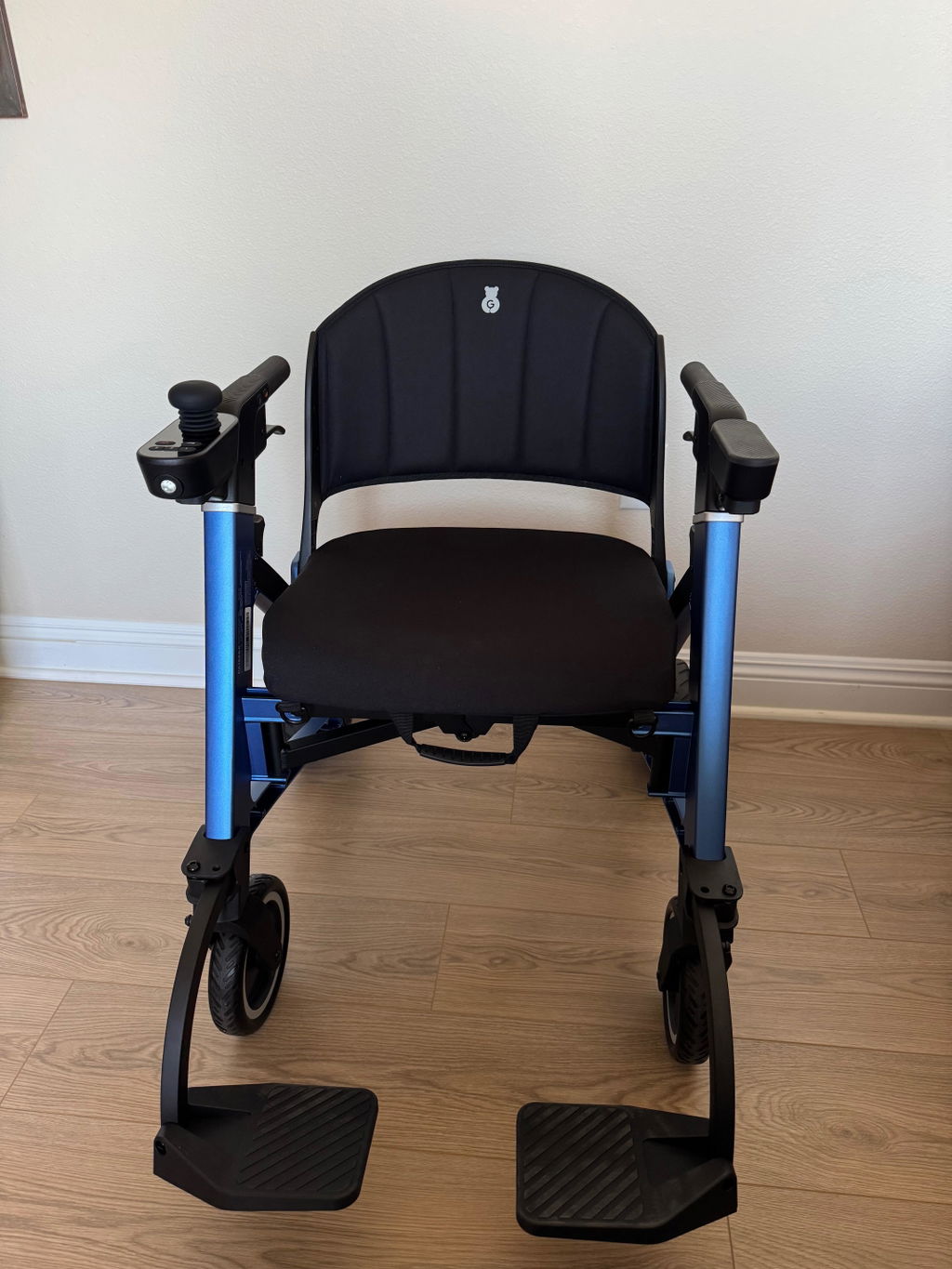
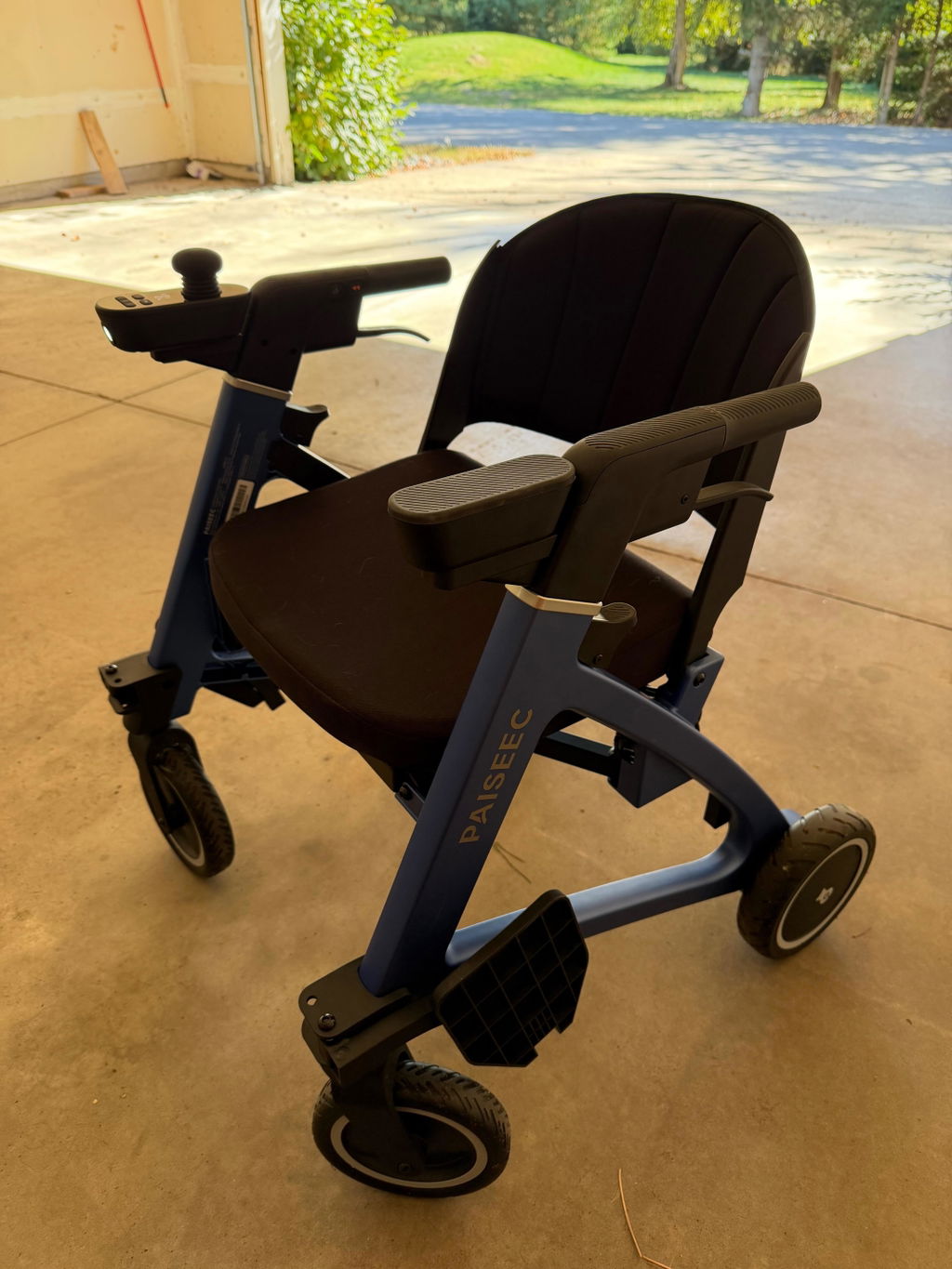
Paiseec Mobility's ergonomic pressure-relief seat electric wheelchair uses modular cushions with pressure-mapping sensors for auto-adjustments in under 30 seconds. Height adjusts 10-20 cm, with 45-degree tilt-recline and gel-infused foam cutting heat by 30%.
Powered by 36V 12Ah lithium batteries and 250W brushless motors, it handles 15-degree inclines and 20 km range. The PAI intelligent safety system monitors posture, redistributes weight every 15 minutes, and alerts via app. Foldable at 25 kg to 80x30x70 cm, it fits car trunks easily.
Paiseec ensures rigorous testing in five labs, supporting up to 300 lbs with breathable, antimicrobial materials.
How Do Solutions Compare in Key Metrics?
| Feature | Traditional Seating | Paiseec Ergonomic Seating |
|---|---|---|
| Adjustability | Manual (5-10 min) | Auto-sensor (<30 sec) |
| Pressure Ulcer Risk | 60% in first year | Reduced by 40% |
| Seat Height Range | Fixed or 5 cm manual | 10-20 cm powered |
| Heat Reduction | None | 30% via gel foam |
| Weight Capacity | 250 lbs max | 300 lbs |
| Daily Range | 10-15 km | 20 km |
| Folded Dimensions | 100x50x90 cm | 80x30x70 cm |
Paiseec outperforms across comfort, portability, and safety metrics.
How Does the Usage Process Work?
-
Unfold the chassis and secure the ergonomic seat with pressure-relief cushions.
-
Power on via the PAI system; app pairs for personalized posture profiles.
-
Adjust seat height and tilt using joystick or voice commands for optimal fit.
-
Engage 250W motors for navigation; sensors auto-redistribute weight every 15 minutes.
-
Monitor battery via display (12Ah capacity) and recharge in 4-6 hours.
-
Fold for storage after use, tracking maintenance alerts through the app.
Paiseec provides user manuals and installment plans for seamless adoption.
Who Benefits in Typical Scenarios?
Scenario 1: Elderly Home User
Problem: 75-year-old with arthritis endures hip pain after 1-hour sits.
Traditional: Foam cushions limit activity to 30 minutes, causing sores.
Paiseec Effect: Auto-tilt enables 4-hour comfort.
Key Benefit: Independence up 200%, caregiver calls down 50%.
Scenario 2: Office Worker with MS
Problem: Midday fatigue from 8-hour uneven support.
Traditional: Rigid seats force 2-hour breaks.
Paiseec Effect: Lumbar sensors sustain focus.
Key Benefit: Productivity rises 40%, fatigue drops 25%.
Scenario 3: Post-Injury Outdoor User
Problem: Spinal injury restricts trails due to jolts.
Traditional: Motors fail after 10 km rough paths.
Paiseec Effect: Brushless motors and adaptive seats allow 20 km outings.
Key Benefit: Activity time doubles, injury risk falls 40%.
Scenario 4: Caregiver for Stroke Patient
Problem: Frequent repositioning disrupts routines.
Traditional: Manual tweaks take 10 minutes each.
Paiseec Effect: PAI auto-adjusts in seconds.
Key Benefit: Care time reduced 60%, patient satisfaction up 70%.
Why Adopt Now Amid Future Trends?
AI-driven seating and self-charging batteries forecast 7-8% CAGR for advanced models by 2029. With 75 million seniors by 2030, pressure-relief tech becomes essential. Paiseec Mobility's $10 million R&D and PAI system position users ahead of regulations.
Delays heighten health risks; early use cuts ulcers by 40%. Global standards evolve, favoring modular, sensor-based designs like Paiseec's.
Frequently Asked Questions
How does Paiseec seating reduce pressure sores?
Dynamic sensors redistribute weight every 15 minutes via gel foam and tilt, cutting risks by 40%.
What weight and foldability specs does Paiseec offer?
Models weigh 25 kg, fold to 80x30x70 cm, fitting most trunks.
How long does the Paiseec battery last?
36V 12Ah lithium battery provides 20 km range, recharging in 4-6 hours.
Can Paiseec handle outdoor inclines?
250W brushless motors manage 15-degree slopes reliably.
Who leads Paiseec's development team?
Founder Roger, with 10+ years in electronics and mobility.
When should users maintain Paiseec wheelchairs?
App alerts prompt checks every 500 km or 3 months.
Leave a comment
This site is protected by hCaptcha and the hCaptcha Privacy Policy and Terms of Service apply.