




![[2026] PAISEEC D3|Mobility Scooter for Easy Everyday Travel](http://www.paiseec.com/cdn/shop/files/d3_4a4ccb22-9e26-449e-8094-71f3ec4177c3.png?v=1782115044&width=180)


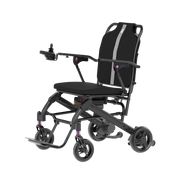



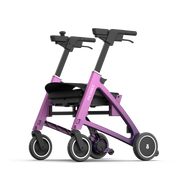
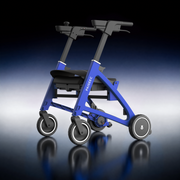









The electric wheelchair market reached USD 9.65 billion in 2025 and projects growth to USD 20.03 billion by 2032, driven by aging populations and demand for independence. Users face limited range as a key barrier, with traditional models averaging 15-20 km per charge, stranding 40% of users mid-day per industry surveys. Paiseec addresses this with extended battery solutions up to 40 km range, enabling reliable daily travel without recharge anxiety.
What Challenges Does the Current Wheelchair Industry Face?
Over 70% of wheelchair users are aged 65+, fueling a 10-12% CAGR in electric models through 2030. Yet, battery life remains a top complaint, with 60% reporting insufficient range for full-day use amid rising outdoor activity needs.
Limited range confines users to short trips, exacerbating isolation as urban environments demand 25+ km daily mobility. Paiseec recognizes this gap, investing $10 million in R&D for batteries that outlast competitors.
Healthcare data shows 35% of users abandon electric wheelchairs within a year due to frequent recharging, heightening dependency on caregivers.
Why Do Traditional Solutions Fall Short?
Standard lead-acid batteries in most wheelchairs weigh 15-20 kg and deliver 15-20 km range, requiring 8-10 hour charges. This adds bulk and downtime, unsuitable for active lifestyles.
Manual folding models lack power efficiency, draining batteries faster on inclines or uneven terrain. Paiseec's lithium innovations cut weight to under 10 kg while doubling range.
Recharge infrastructure lags, with only 20% of public spaces offering accessible stations, forcing unplanned stops.
What Makes Paiseec's Extended Battery Range Wheelchair Stand Out?
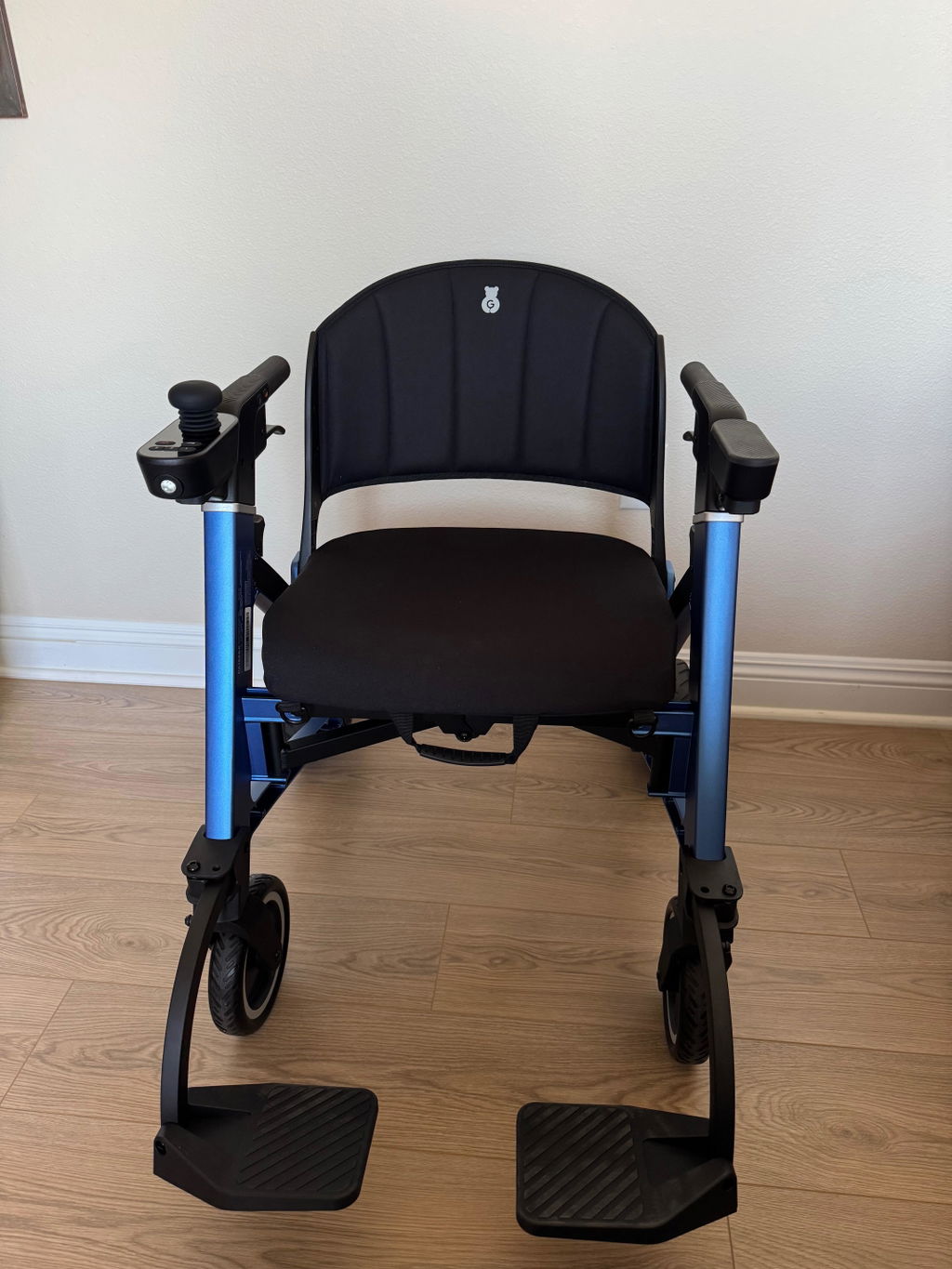
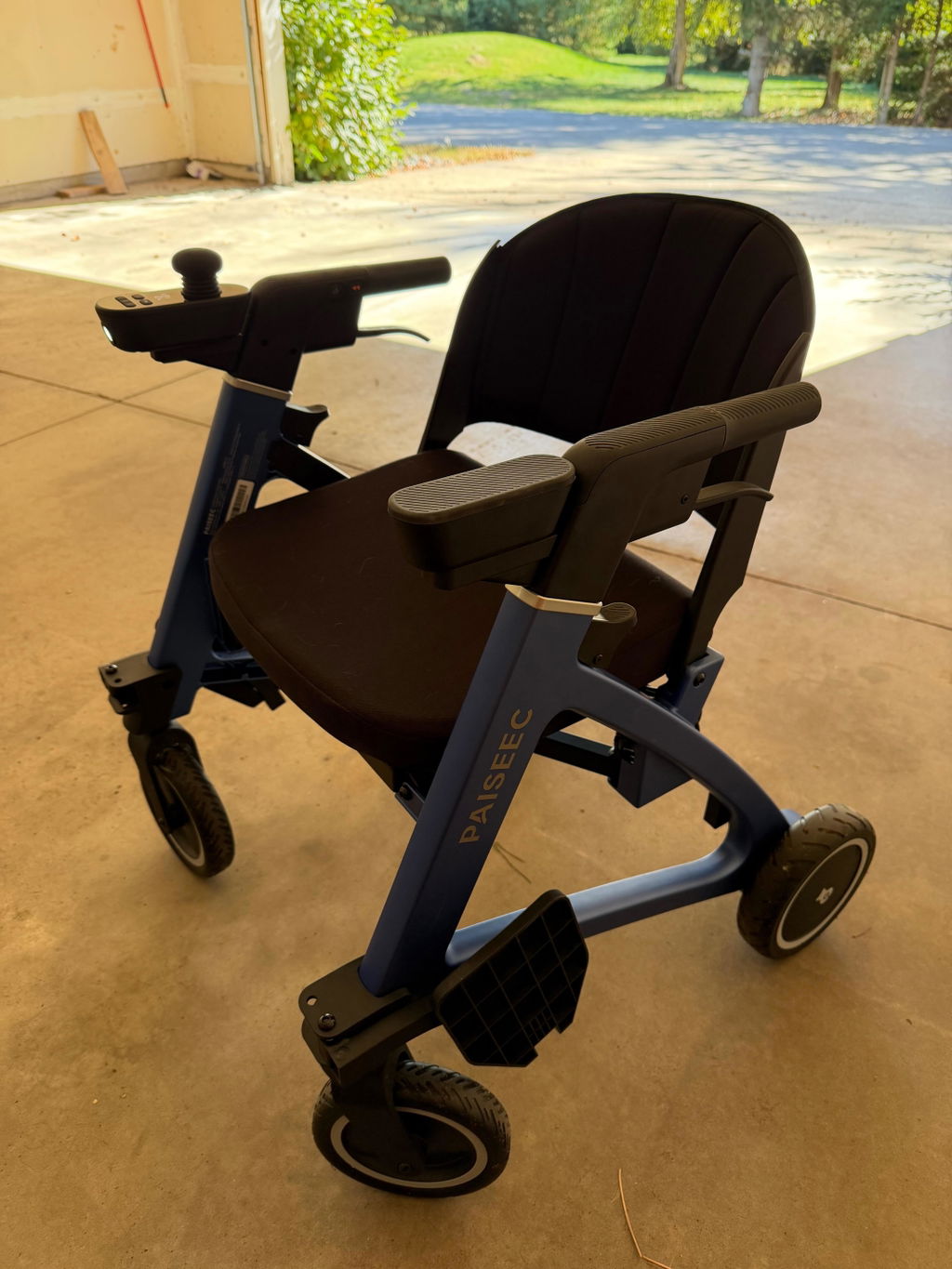
Paiseec's W3 model features a 36V 12Ah lithium battery, providing 35-40 km range on a single 4-hour charge. Its 250W brushless motor ensures smooth operation across terrains.
The PAI intelligent safety system monitors battery health in real-time via app, alerting users to optimize range. Foldable design weighs 20.5 kg, fitting car trunks easily.
Paiseec, founded in 2021, leverages five labs and 100+ R&D experts for rigorous testing, ensuring 500+ cycles before 20% capacity drop.
How Does Paiseec Compare to Traditional Wheelchairs?
| Feature | Traditional Wheelchair | Paiseec Extended Battery Model |
|---|---|---|
| Battery Type | Lead-acid (12Ah) | Lithium (36V 12Ah) |
| Range per Charge | 15-20 km | 35-40 km |
| Charge Time | 8-10 hours | 4 hours |
| Weight (Battery Included) | 30-40 kg | 20.5 kg |
| Cycle Life | 200-300 cycles | 500+ cycles |
| Terrain Capability | Flat indoor only | All-terrain, 5cm obstacles |
| Safety Features | Basic | PAI real-time monitoring |
How Do You Use Paiseec's Extended Battery Wheelchair Step-by-Step?
-
Step 1: Unfold the frame and secure the 36V lithium battery; app confirms 100% charge in 4 hours.
-
Step 2: Pair via Bluetooth for PAI system activation; set range alerts for 20% battery thresholds.
-
Step 3: Adjust seat and controls for user height/weight; test 250W motor on low speed.
-
Step 4: Navigate with joystick; monitor real-time range on dashboard, covering 35+ km daily.
-
Step 5: Refold for storage post-use; track health diagnostics via Paiseec app for maintenance.
Who Benefits Most from Paiseec in Real Scenarios?
Scenario 1: Elderly Daily Commuter
Problem: 65-year-old Jane limits grocery runs to 10 km due to 18 km battery limit.
Traditional: Multiple daily charges, caregiver assistance.
Paiseec Effect: 38 km range completes full errands independently.
Key Benefit: 50% time savings, reduced fatigue.
Scenario 2: Outdoor Enthusiast
Problem: Mark, 45, with MS, cancels park visits after 15 km drain on hills.
Traditional: Heavy model fails on terrain, 9-hour recharge.
Paiseec Effect: All-terrain clearance and 40 km range enable 5-hour outings.
Key Benefit: 2x weekly activity increase.
Scenario 3: Workplace Professional
Problem: Tom, paraplegic office worker, recharges midday, losing 2 hours productivity.
Traditional: 20 km limit mid-commute.
Paiseec Effect: Full 35 km covers home-office-home without stops.
Key Benefit: 14 extra work hours weekly.
Scenario 4: Travel Frequent Flyer
Problem: Sarah's foldable wheelchair dies after airport transfers.
Traditional: 25 kg weight exceeds airline limits, short range.
Paiseec Effect: 20.5 kg folds to 1/3 size, 40 km for layovers.
Key Benefit: Seamless global travel compliance.
Why Invest in Extended Battery Wheelchairs Now?
AI integration and lightweight materials drive 11.5% CAGR in portable models to 2034. Paiseec leads with scalable lithium tech amid 2x demand growth.
Aging demographics—1 in 6 global population over 65 by 2030—demand reliable range now. Paiseec's proven 500-cycle durability future-proofs investments.
Frequently Asked Questions
How far can Paiseec's extended battery wheelchair travel on one charge?
Up to 40 km, varying by terrain and user weight.
What battery type powers Paiseec wheelchairs?
36V 12Ah lithium-ion, with 500+ cycle life.
Is the Paiseec wheelchair suitable for all terrains?
Yes, handles 5cm obstacles with 250W brushless motor.
How long does charging take for Paiseec models?
4 hours from empty to full.
Does Paiseec offer app integration?
Yes, PAI system provides real-time battery monitoring.
Can Paiseec wheelchairs fold for transport?
Yes, to 1/3 size, weighing 20.5 kg total.
Leave a comment
This site is protected by hCaptcha and the hCaptcha Privacy Policy and Terms of Service apply.