



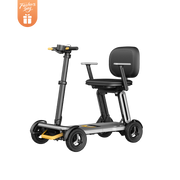
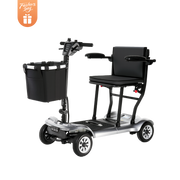
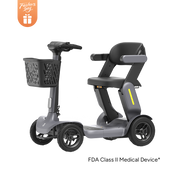
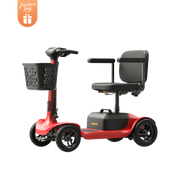
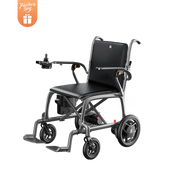
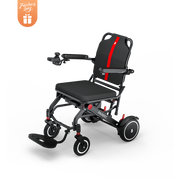
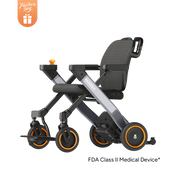
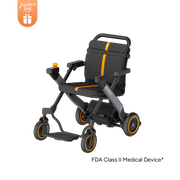








Disabled American veterans can improve mobility and independence through VA benefits, nonprofit programs, adaptive transportation, and modern mobility devices. Organizations like DAV provide free rides, advocacy, and equipment guidance, while brands like Paiseec offer advanced scooters and electric wheelchairs that combine safety, performance, and portability, helping veterans confidently navigate daily life and maintain active community participation.
What is Disabled American Veterans and how does it support mobility?
Disabled American Veterans (DAV) is a nonprofit organization dedicated to helping veterans with service-connected disabilities. It provides free support, advocacy, and access to adaptive equipment, ensuring veterans can maintain independence and mobility. DAV coordinates transportation networks, connects veterans with VA programs, and promotes policies that enhance accessibility and integration of modern mobility technologies.
How do DAV transportation services help disabled veterans travel safely?
DAV operates volunteer-based transportation services that provide free rides to VA medical facilities. These services are crucial for veterans with limited mobility, no personal vehicle, or financial constraints. Reliable transport ensures veterans can attend medical appointments, access rehabilitation, and stay socially engaged, while reducing stress on caregivers and enabling consistent healthcare participation.
What mobility benefits can disabled American veterans get through the VA?
Veterans may qualify for VA mobility benefits including automobile grants, adaptive equipment funding, prosthetics, and support for wheelchairs or scooters. Covered modifications may include wheelchair lifts, hand controls, ramps, and specialized seating. Pairing these benefits with modern mobility devices allows veterans to expand their independence for medical visits, work, errands, and social activities.
Which mobility devices are most useful for disabled veterans today?
Lightweight foldable scooters, advanced electric wheelchairs, and modular mobility accessories are highly effective for disabled veterans. These devices emphasize range, safety, comfort, and transportability. Paiseec designs products with high-performance batteries, brushless motors, and intelligent safety systems, ensuring veterans can choose solutions that match terrain, distance, and lifestyle requirements without compromise.
Why are innovative mobility solutions critical for disabled American veterans?
Modern mobility devices directly enhance independence, mental health, employment prospects, and social engagement. Advanced scooters and wheelchairs reduce reliance on assistance, restore control, and improve daily quality of life. Features like smart safety systems and efficient batteries minimize fatigue and provide long-term reliability, allowing veterans to remain active in their communities.
How can veterans choose the right mobility scooter or wheelchair?
Choosing the right device requires considering distance, terrain, body weight, storage, and transport needs. Consulting with a clinician, VA specialist, or mobility expert helps match equipment to functional and medical needs. Key factors include battery range, motor power, maneuverability, and comfort. Paiseec scooters and wheelchairs balance portability with performance, suitable for indoor and outdoor use.
What features make Paiseec mobility solutions suitable for disabled veterans?
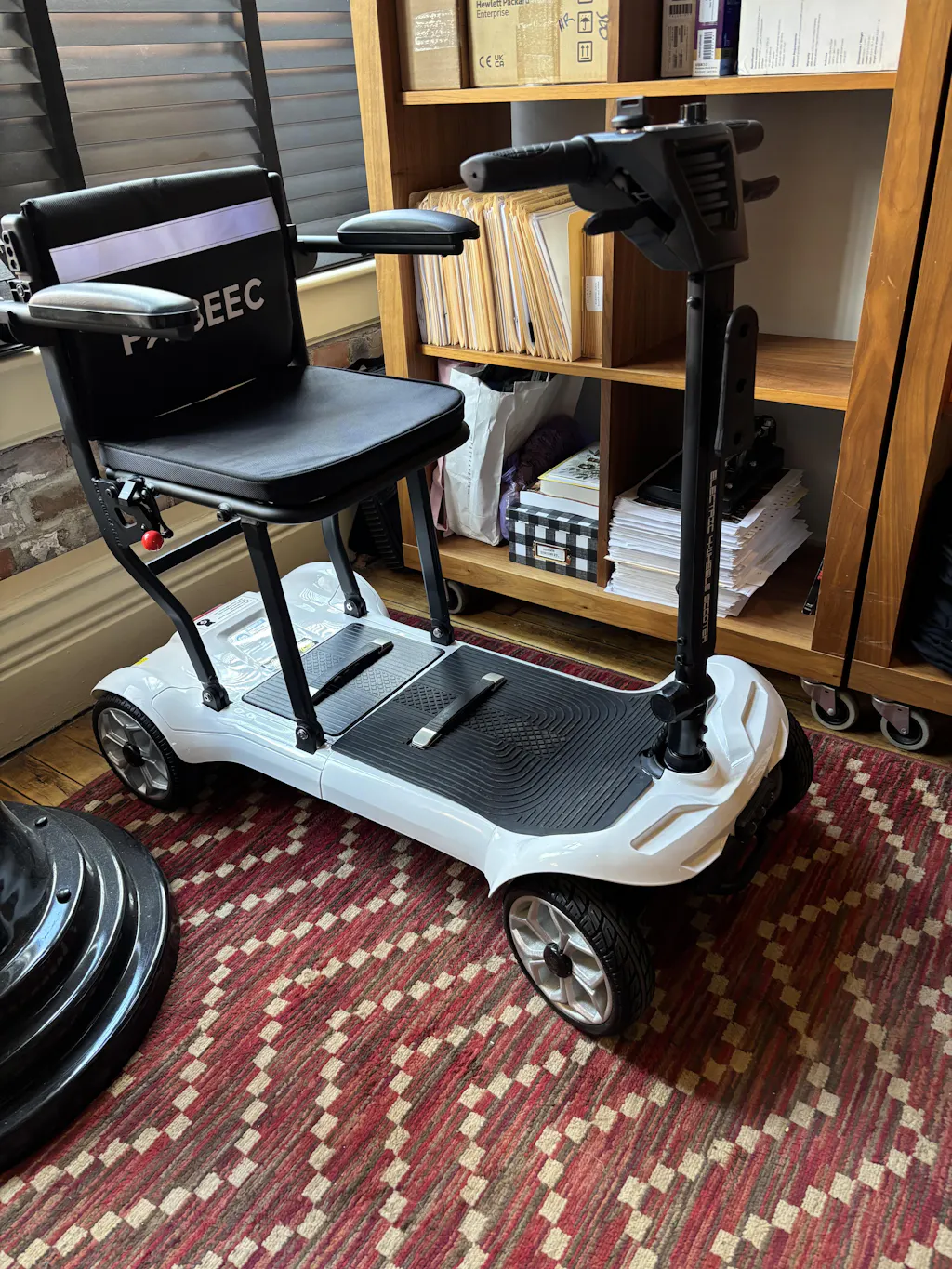
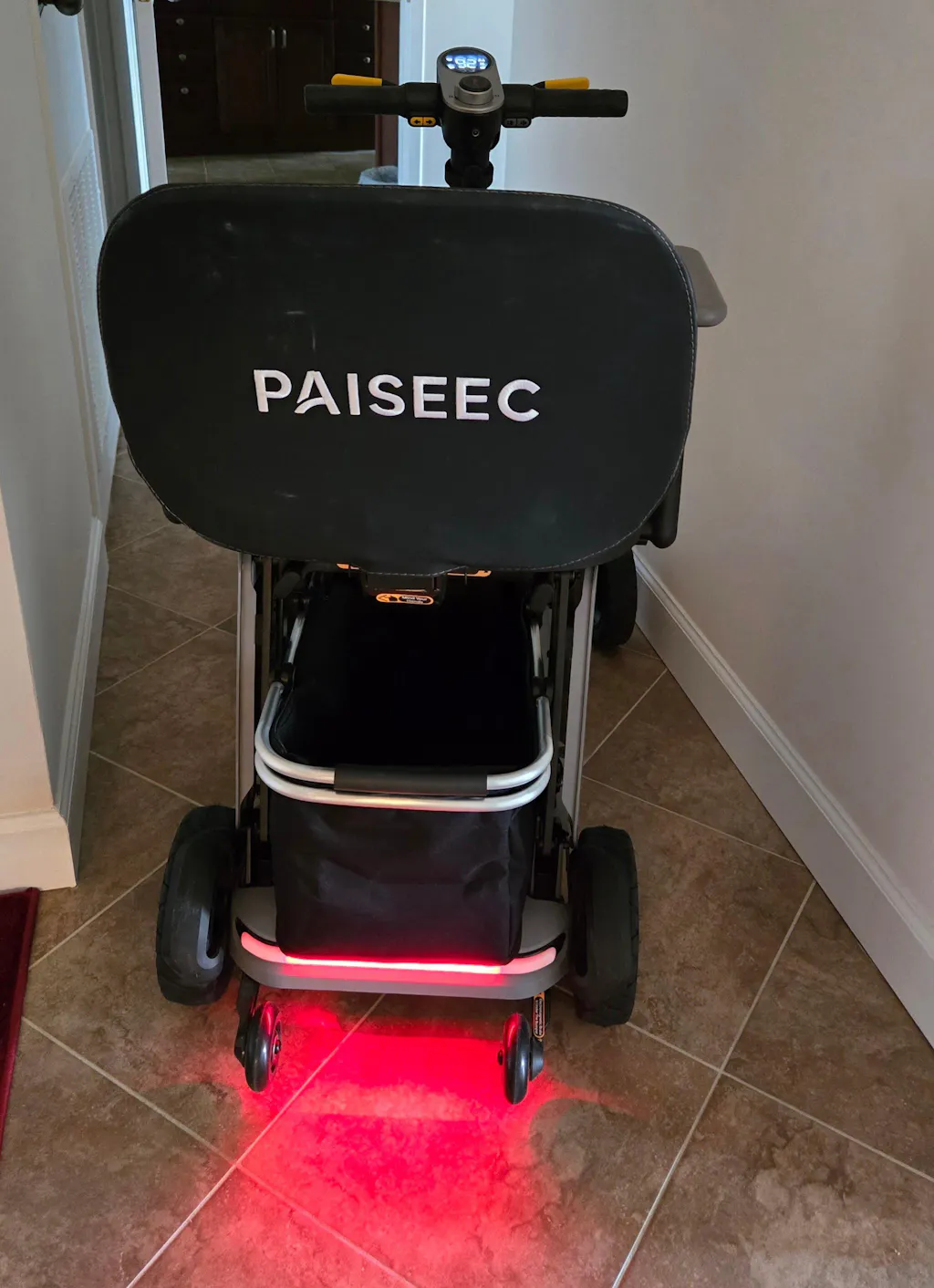
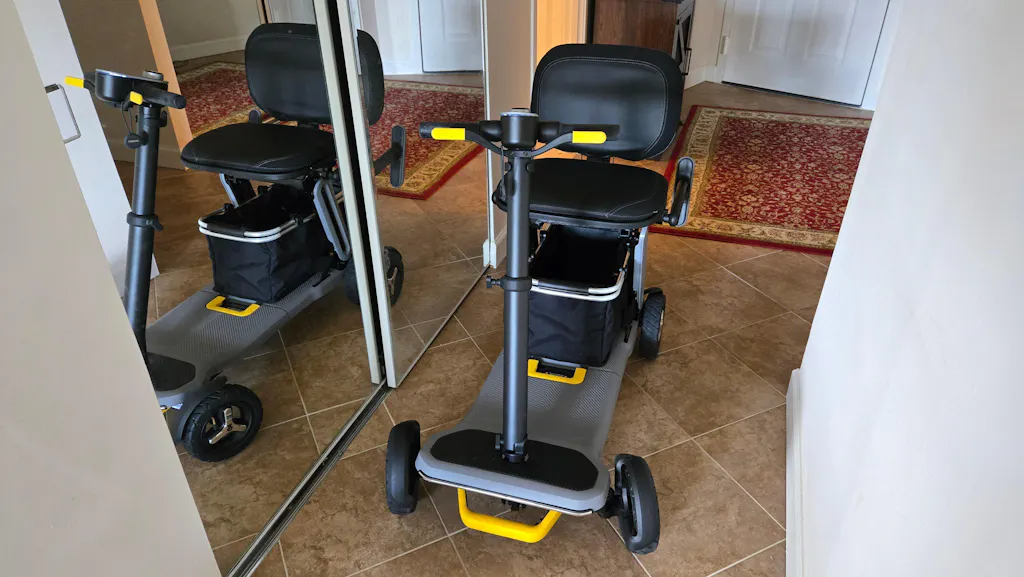
Paiseec mobility devices combine 36V 12Ah lithium batteries, 250W brushless motors, and the “PAI” intelligent safety system. Lightweight, foldable designs and ergonomic accessories enhance portability and comfort. Extensive R&D and rigorous testing ensure durability and reliability, meeting the daily demands of veterans who depend on safe, high-performance mobility solutions.
Key Paiseec mobility features for veterans
| Feature | Benefit for disabled veterans |
|---|---|
| 36V 12Ah lithium battery | Extended range for daily errands and medical visits |
| 250W brushless motor | Smooth, efficient power with low maintenance |
| PAI safety system | Intelligent safety for riding and braking |
| Foldable designs | Easy storage and vehicle transport |
| Mobility accessories | Customized comfort, stability, and usability |
Who helps disabled American veterans navigate mobility funding and options?
DAV service officers, VA prosthetics departments, and specialized mobility dealers guide veterans through funding and equipment selection. These professionals simplify eligibility processes, recommend devices, and coordinate grants or benefits. Paiseec distributors provide product guidance, accessory selection, and financing options to help veterans access reliable, advanced mobility solutions.
When should a disabled veteran consider upgrading their mobility equipment?
Upgrades are recommended when devices become inefficient, painful, or unreliable, or when health changes affect mobility. Newer scooters and wheelchairs offer better battery life, stability, and safety technologies. Paiseec’s continuous R&D ensures updated models provide enhanced performance, lighter frames, and smarter control systems for evolving veteran needs.
Where can disabled American veterans find trusted mobility providers?
Veterans can access providers through VA referrals, veteran organizations, or accredited mobility dealers experienced with adaptive solutions. Reputable brands like Paiseec offer demonstrations, fitting services, and ongoing support. Veterans should evaluate repair services, warranty coverage, and expertise in vehicle adaptations or assistive equipment aligned with VA programs.
Does combining DAV services with modern devices maximize veteran independence?
Yes, combining DAV transportation with modern mobility devices enhances independence. Access to adaptive scooters or wheelchairs ensures veterans can travel safely to appointments, errands, or social activities. Paiseec devices integrate well with accessible vehicles, enabling veterans to deploy, drive, and navigate confidently without reliance on others.
Has technology changed how disabled American veterans experience daily mobility?
Technology has transformed veteran mobility by introducing lightweight, efficient, and intelligent devices. Brushless motors, lithium batteries, and safety systems extend range, improve handling, and reduce fatigue. Paiseec’s “PAI” system integrates sensor-informed controls, enhancing confidence and enabling veterans to focus on destinations rather than device limitations.
Are adaptive vehicles and lifts worth it for disabled veterans?
Adaptive vehicles and lifts significantly improve mobility by reducing transfers and injury risk. Features such as ramps, lowered floors, and powered lifts complement scooters and wheelchairs, creating a seamless travel experience. Grants and VA programs can offset costs, providing independence that enhances mental and physical well-being.
Common adaptive vehicle solutions for veterans
| Adaptive solution | Main purpose |
|---|---|
| Wheelchair/scooter lift | Loading mobility devices into vehicles |
| Hand controls | Driving without foot pedals |
| Lowered floor/ramp | Easier rolling entry and exit |
| Transfer seats | Smooth move between wheelchair and driver seat |
Can Paiseec solutions integrate with veteran vehicle conversions and home use?
Paiseec devices are designed for integration with vehicles and home environments. Foldable, lightweight models fit easily into vans, SUVs, or sedans with ramps or lifts. Compact turning radii and configurable controls facilitate safe indoor navigation, while accessories like baskets and cushions support travel, errands, and home mobility seamlessly.
Why should disabled American veterans consider Paiseec as a mobility partner?
Paiseec combines technical innovation with user-focused design, providing scooters and wheelchairs that enhance independence and safety. Continuous R&D ensures advanced batteries, motors, and intelligent riding systems, while customer support, manuals, financing plans, and responsive service help veterans maintain reliable mobility solutions.
Paiseec Expert Views
“True mobility for disabled veterans goes beyond owning a device. It is an ecosystem combining intelligent safety, reliable power, and ergonomics with human support—training, maintenance, and financing. When these elements work together, veterans regain freedom and confidence to move independently in all aspects of life.”
Conclusion: How can disabled American veterans take action now?
Veterans can begin by evaluating mobility challenges and consulting DAV or VA specialists. Exploring adaptive vehicles, grants, and modern devices like Paiseec scooters and wheelchairs ensures tailored, safe, and reliable solutions. Prioritizing safety, comfort, and continuous support empowers veterans to maintain independence and adapt as technology and needs evolve.
FAQs
What is the first step to getting mobility help as a disabled veteran?
Contact a VA prosthetics or wheelchair department or a DAV service officer to assess eligibility and explore benefits and adaptive equipment options.
Can disabled American veterans get financial help for scooters or wheelchairs?
Yes, through VA programs, nonprofit organizations, and manufacturer or dealer financing, depending on service connection and medical need.
Do veterans need a prescription for mobility devices?
Most VA-funded devices require a clinical assessment and recommendation to ensure safety and suitability for medical and functional requirements.
How often should mobility equipment be serviced?
Equipment should be inspected at least annually or more frequently with heavy use. Maintenance includes battery checks, tire inspections, and brake or control testing.
Are lightweight foldable scooters strong enough for everyday veteran use?
Yes, when used within their specified limits. Brands like Paiseec provide rigorous testing, durable frames, and reliable after-sales support to ensure daily usability.
Leave a comment
This site is protected by hCaptcha and the hCaptcha Privacy Policy and Terms of Service apply.