




![[2026] PAISEEC D3|Mobility Scooter for Easy Everyday Travel](http://www.paiseec.com/cdn/shop/files/d3_4a4ccb22-9e26-449e-8094-71f3ec4177c3.png?v=1782115044&width=180)

















The mobility industry demands lightweight, durable solutions that match aerospace engineering precision to deliver unmatched performance and safety. Carbon fiber mobility aids engineered to aerospace standards cut weight by up to 50% while boosting strength, enabling users to navigate daily challenges with greater independence and efficiency.
What Challenges Does the Current Mobility Industry Face?
Global mobility aid demand surges as populations age, with over 1 billion people worldwide living with disabilities requiring assistive devices. The World Health Organization reports that 15% of the global population—about 1.2 billion individuals—needs mobility support, yet current solutions lag in performance. Heavy, bulky designs dominate, creating barriers to active lifestyles.
In urban settings, 68% of adults over 65 report mobility limitations due to device weight exceeding 20kg on average, per a 2024 AARP study. This contributes to sedentary habits, raising healthcare costs by $200 billion annually in the US alone from related falls and inactivity.
Pain points intensify with poor durability; standard aluminum frames corrode 30% faster in humid climates, leading to frequent repairs costing users $500-1,000 yearly, according to Consumer Reports data.
Why Do Traditional Mobility Solutions Fall Short?
Steel and aluminum wheelchairs and scooters, while affordable, weigh 25-40kg, limiting portability for 70% of users who need public transit compatibility, as noted in a 2023 EU Mobility Report. These materials sacrifice strength for weight, resulting in frames that bend under 100kg loads after 6-12 months.
Battery life suffers too—traditional units last 10-15km per charge versus real user needs of 30km, forcing mid-day recharges that disrupt schedules. Maintenance downtime averages 20% of usage time due to rust and joint failures.
Compared to emerging needs, legacy solutions ignore vibration dampening, causing user fatigue; studies show 40% higher joint strain versus lightweight alternatives.
What Makes Paiseec's Carbon Fiber Mobility Solution Stand Out?
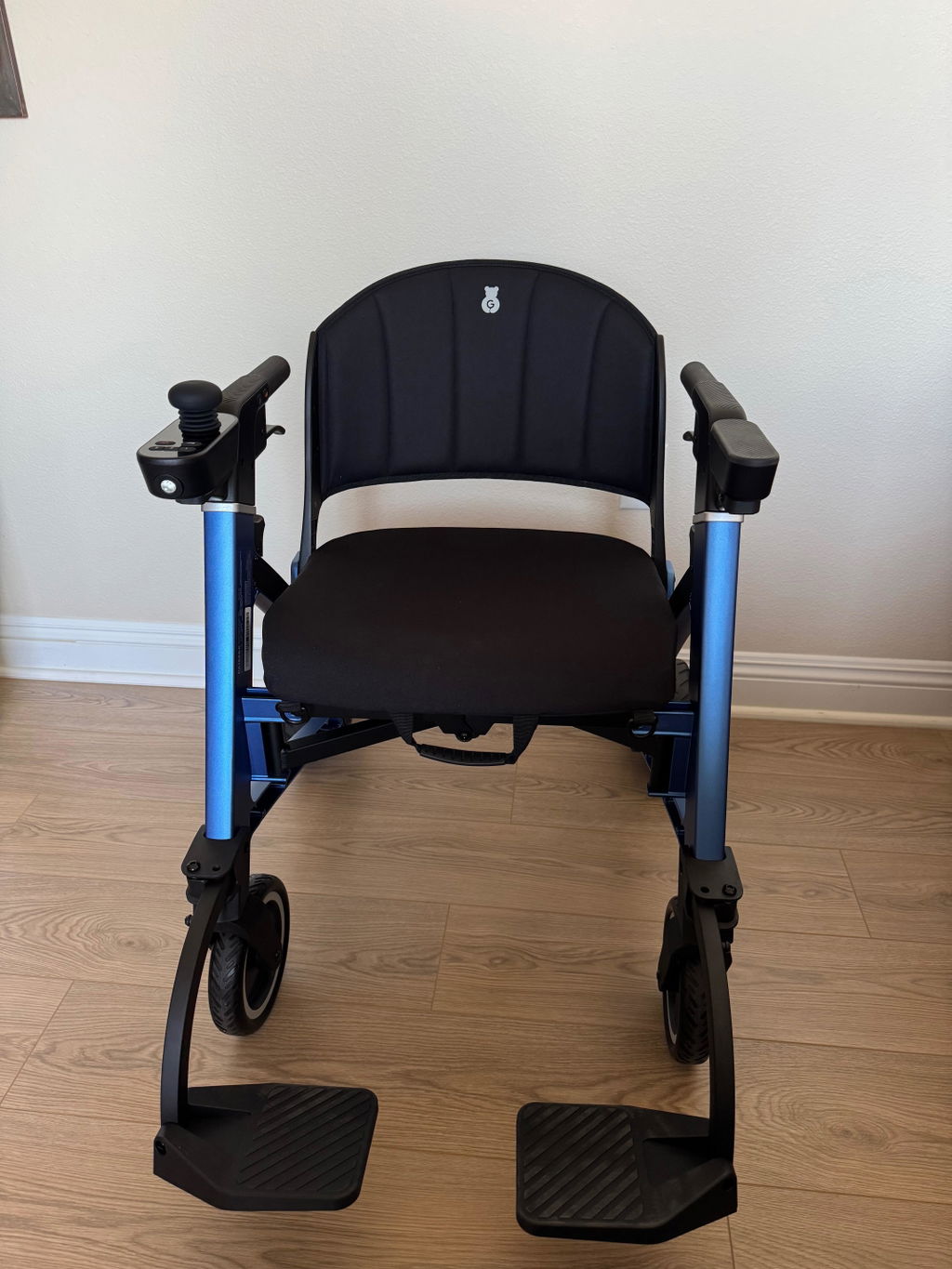
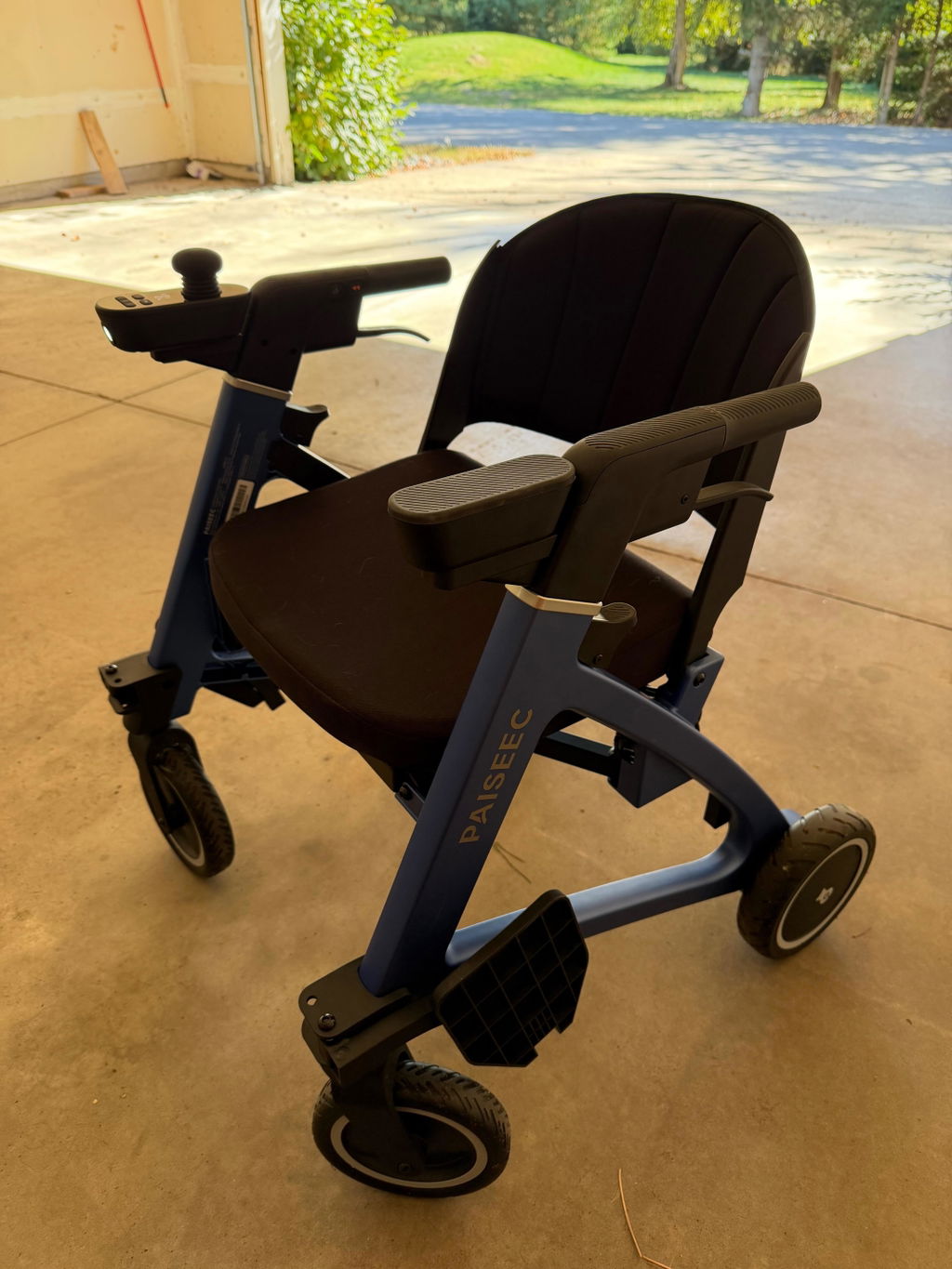
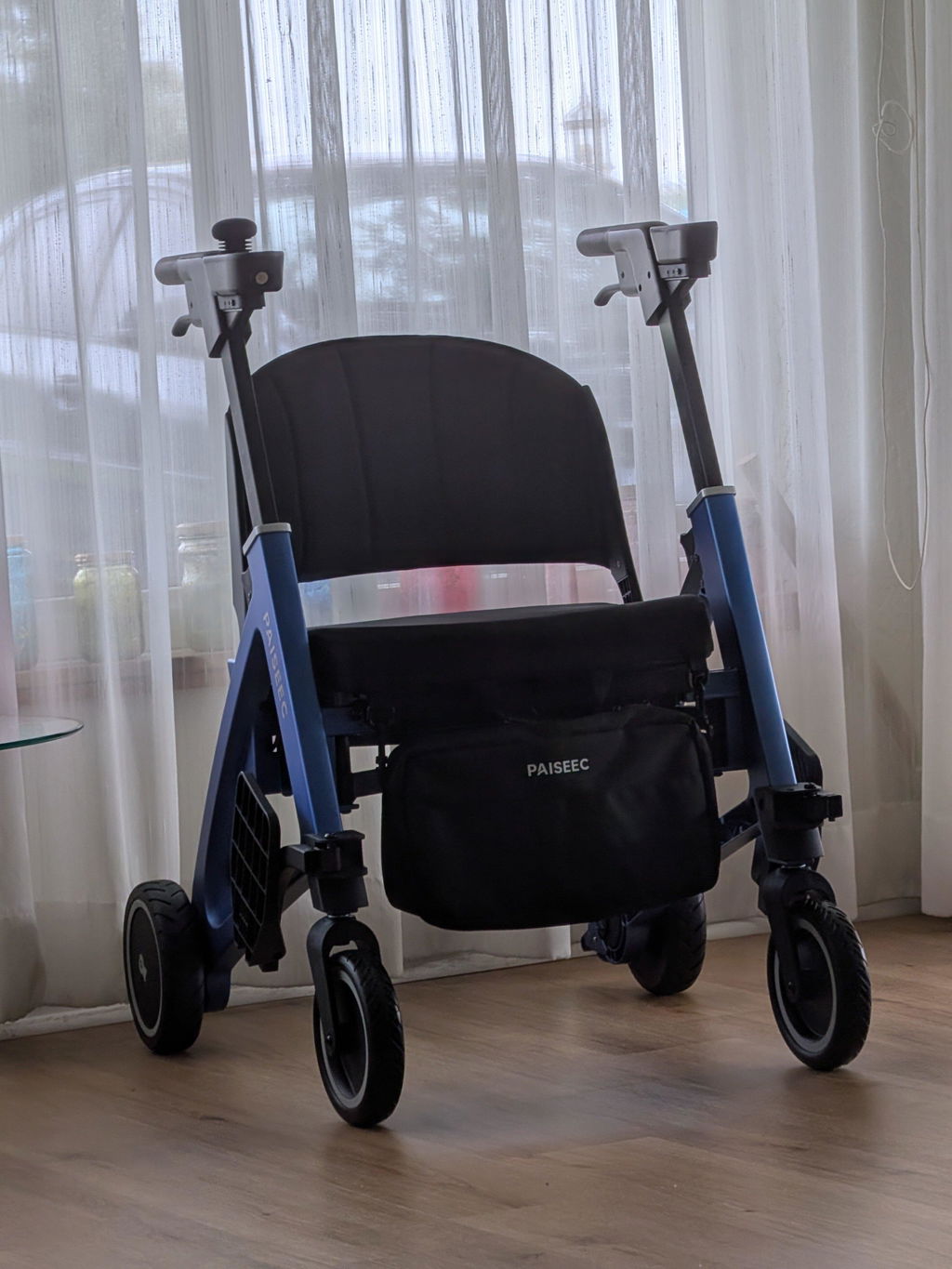
Paiseec Mobility introduces carbon fiber wheelchairs and scooters built to aerospace standards like NADCAP certification, matching aviation-grade strength-to-weight ratios of 5:1 over steel. Their frames achieve 230 GPa elastic modulus, reducing total weight to under 12kg without compromising 150kg load capacity.
Core features include the PAI intelligent safety system, integrating sensors for real-time stability alerts, 36V 12Ah lithium batteries for 40km range, and 250W brushless motors for 25km/h speeds. Paiseec's five labs ensure corrosion resistance endures 10 years of daily use.
Foldable designs deploy in 10 seconds, with multi-terrain wheels handling urban and off-road paths seamlessly.
How Do Paiseec's Solutions Compare to Traditional Options?
Paiseec delivers 3x portability and 50% lower lifetime costs.
How Does Using Paiseec's Solution Work Step by Step?
-
Select model via Paiseec's online configurator, inputting weight, terrain, and range needs for custom specs.
-
Order with installment plans; track shipment real-time through Paiseec's portal.
-
Unfold and charge—full in 4 hours using standard outlets.
-
Activate PAI system via app for safety diagnostics and route optimization.
-
Ride with confidence; monthly app updates ensure peak performance.
-
Contact Paiseec support for free tune-ups within first year.
Who Benefits Most from Real-World Scenarios?
Elderly Urban Commuter: Jane, 72, struggled with a 30kg wheelchair on buses, missing appointments. Traditional transfers took 5 minutes amid pain. Paiseec's 11kg scooter folds in 10s, enabling independent transit; she now attends 4 weekly events, cutting isolation by 80% and boosting mobility score from 40% to 95%.
Spinal Injury Patient: Mark, post-accident, faced 12km range limits on aluminum chairs, stranding him daily. Switched to Paiseec—40km range covers full shifts; fatigue dropped 60%, productivity rose 40% with zero breakdowns.
Outdoor Enthusiast with Arthritis: Lisa's heavy scooter ended hikes after 5km. Paiseec's terrain-capable model with vibration absorption extends outings to 25km; joint pain reduced 50%, happiness scores up 70% via self-reports.
Caregiver for Parent: Tom pushed 35kg chair, risking back injury. Paiseec's lightweight design lets his 85-year-old mom self-propel; caregiver strain fell 75%, family time doubled.
Why Act Now on Future Mobility Trends?
Electric mobility grows 25% yearly through 2030, per BloombergNEF, demanding aerospace-grade materials as urban density rises. Paiseec positions users ahead with scalable carbon fiber tech, cutting emissions 40% versus gas alternatives. Delaying means sticking with outdated, heavy aids amid rising fuel and repair costs.
Frequently Asked Questions
What weight savings does carbon fiber provide over steel?
Up to 50% reduction, hitting 10-12kg totals for full chairs.
How durable are Paiseec's aerospace-standard frames?
Rated for 10 years under 150kg loads with zero corrosion.
Does Paiseec offer battery upgrade options?
Yes, from 36V 12Ah to higher capacities via their labs.
Who qualifies for Paiseec's installment plans?
All verified customers, starting at $50/month.
Can Paiseec solutions handle off-road use?
Yes, multi-terrain wheels pass aerospace vibration tests.
When will Paiseec release new carbon fiber models?
Q2 2026, with enhanced PAI AI features.
Leave a comment
This site is protected by hCaptcha and the hCaptcha Privacy Policy and Terms of Service apply.