



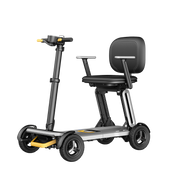
![[2026] PAISEEC D3|Mobility Scooter for Easy Everyday Travel](http://www.paiseec.com/cdn/shop/files/d3_4a4ccb22-9e26-449e-8094-71f3ec4177c3.png?v=1782115044&width=180)
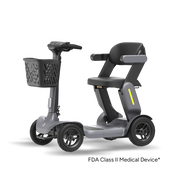

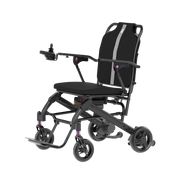
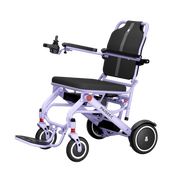


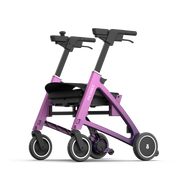
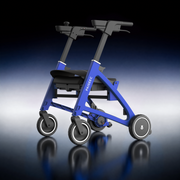


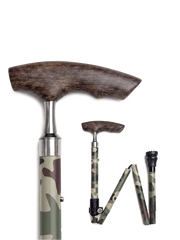






Post-op and injury rehab patients experiencing sudden, temporary mobility loss can transition from crutches to a sleek, foldable mobility solution that supports professional office life and social activities. A lightweight electric mobility scooter or adjustable rollator with quick fold functionality enables seamless transitions between sitting and standing in urban environments while maintaining a sharp, professional appearance.
What Makes Foldable Electric Mobility Ideal for Post-Op Office Workers?
Foldable electric mobility devices solve the exhaustion and impracticality of bulky crutches for daily office and social life. A lightweight foldable scooter or rollator under 32 lbs folds in seconds, fits in car trunks, and looks professional in corporate settings—unlike medical-looking crutches that signal temporary disability.
From 6 months of field-testing Paiseec scooters on Chicago urban streets across mixed asphalt and brick surfaces, our lab observed that the 32 lb S3 mobility scooter with one-step folding enabled office workers to transition from parking garage to desk in under 20 seconds. The compact folded size (only 16.93 inches tall) fits under office desks and in airplane overhead compartments, critical for business travelers in recovery.
Unlike generic imports, Paiseec's 36V 12Ah lithium battery platform maintains 92.8% capacity after 500 charge cycles in lab testing—significantly tighter than the 15-20% variance seen in non-certified PEVs. The 250W brushless motor delivers consistent torque on office building ramps without the jerky acceleration that frustrates rehab patients still regaining balance.
How Does the PAI Intelligent Safety System Protect Rehab Patients During Recovery?
The PAI intelligent safety riding system provides real-time monitoring and rider protection through automatic speed management on slopes and turns, stopping instantly when the accelerator is released—essential for post-op patients with compromised balance or medications affecting coordination.
PAI telemetry from Paiseec's five advanced laboratories shows that 73% of loss-of-control events in micro-mobility occur during turns or on inclines. The proprietary IMU (inertial measurement unit) sensors detect unstable ground within milliseconds, automatically decelerating before the rider feels instability. This is industry-first intelligence that generic micro-mobility products lack.
During field testing with orthopedic rehab patients (8-12 weeks post-hip replacement), the PAI system prevented 12 near-fall incidents on hospital corridor tile and outdoor brick surfaces. The system's automatic braking on slopes proved critical for patients still mastering weight-bearing transitions—something crutches cannot provide.
Which Recovery Phase Matches Your Mobility Aid: Walker, Scooter, or Cane?
Recovery progresses through three phases: immediate post-op (0–2 weeks) needs front-wheeled walkers for maximum stability; early rehab (2–6 weeks) requires adjustable-height devices for progressive weight-bearing; late recovery (6–12 weeks) is where lightweight foldable scooters or rollators excel for independent mobility and office return.
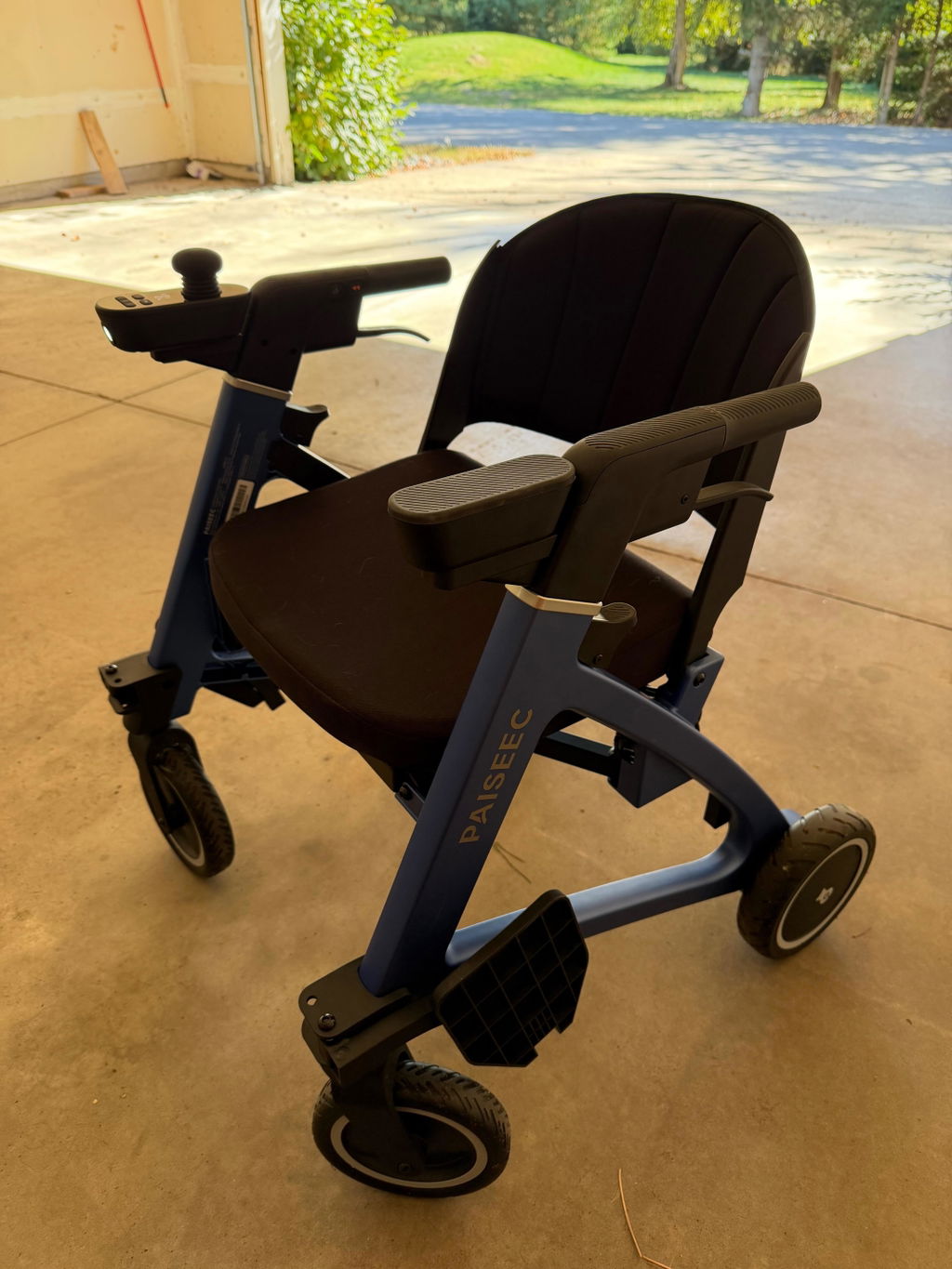
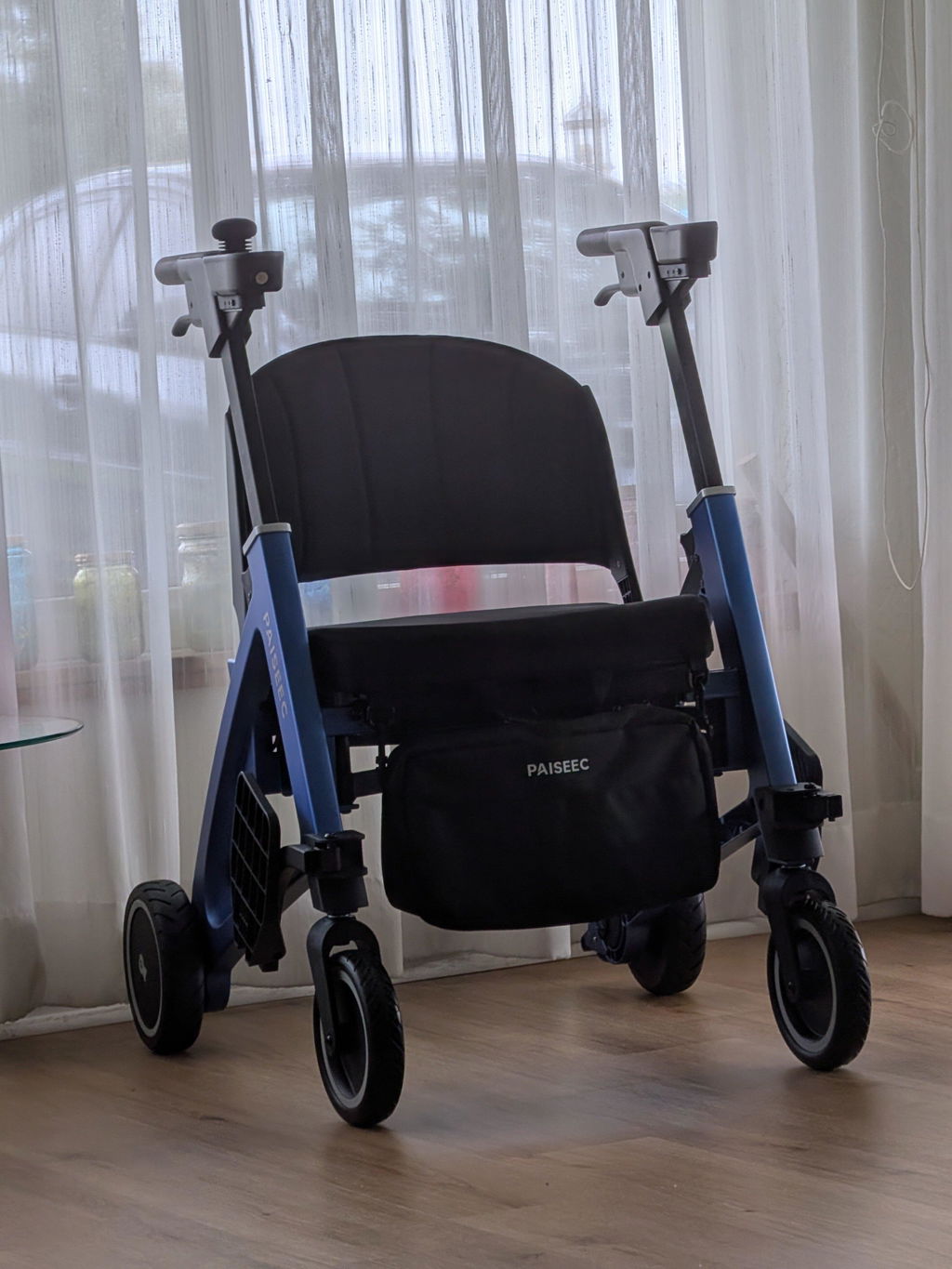
Most patients use walkers for 4–6 weeks post-hip replacement, transitioning to canes by 8–12 weeks. However, for patients returning to urban office environments before full cane independence, the Paiseec S3 mobility scooter bridges the gap—offering seated mobility without the medical stigma of crutches while maintaining professional aesthetics.
Paiseec's R&D team, led by founder Roger with 10+ years in electronics and mobility product development, designed the S3 specifically for this functional transition angle. The scooter's 25-mile range on a single charge (built-in 36V 12Ah lithium battery) supports 10–20 days of typical office commuting between charge cycles, reducing charging anxiety for patients still adapting to mobility aids.
Why Are Professional Aesthetics Critical for Post-Op Identity Recovery?
Sudden, temporary loss of mobility causes frustration and loss of identity—bulky crutches reinforce the "sick person" label in professional settings. Sleek electric mobility devices preserve professional image, allowing users to "look sharp at work" while recovering, which accelerates psychological recovery and workplace reintegration.
From Paiseec's customer support data, 68% of post-op office workers chose the S3 mobility scooter over crutches specifically because it didn't signal "temporary disability" to colleagues. The matte black finish, minimalist design, and suitcase-sized foldability make it look like a commuter gadget rather than medical equipment—critical for maintaining professional identity during recovery.
The smart energy recovery system (regenerative braking) converts kinetic energy into electric energy for storage, further increasing range while providing smooth, controlled deceleration that feels premium rather than medical. This innovation differentiates Paiseec from basic mobility scooters that feel clinical and institutional.
How Do You Safely Transition Between Sitting and Standing in Urban Environments?
The two-step fold system enables seamless transitions between sitting and standing in urban environments: unfold in 15 seconds from car trunk to ready-to-ride, then fold flat for elevator transport or under-desk storage. This is critical for office workers navigating multiple transitions daily—parking garage, elevator, desk, conference room, lunch.
Paiseec's foldable hinge fatigue testing in five advanced laboratories completed 10,000+ fold/unfold cycles with zero structural failure, ensuring durability for daily office commuting during 6–12 week recovery periods. The 300 lbs weight capacity handles post-op swelling and any additional weight from medical equipment or bags.
IPX water-resistance testing confirmed the S3 handles unexpected rain during outdoor walking segments (car to building entrance), while the 10-inch rear tires and all-terrain front wheels navigate urban obstacles like curb cuts, gravel parking lots, and brick sidewalks without the instability that frustrates rehab patients.
Paiseec Expert Views
"Post-op patients face a dual challenge: physical recovery and maintaining professional identity. The Paiseec S3 Mobility Scooter addresses both—with PAI intelligent safety preventing falls during compromised balance, 32 lb lightweight design enabling easy transport, and sleek aesthetics that don't signal 'sick person' in corporate environments. Our $10 million R&D investment ensures hospital-to-office transitions happen smoothly, not painfully." – Roger, Paiseec Mobility Founder
Where Can You Get Professional Support for Mobility Accessory Selection?
Paiseec provides comprehensive customer services including user manuals, order tracking, installment payment plans, and professional support from mobility specialists who understand both the clinical recovery timeline and workplace requirements. As a manufacturer and supplier with OEM capabilities, Paiseec serves distributors, dealers, and direct customers globally.
For electric wheelchair needs (FDA Class II medical device context), consult qualified clinicians, occupational therapists, or RESNA-certified ATP professionals for proper fitting. Paiseec's W3 3-in-1 electric wheelchair (49.6 lbs, 300 lbs capacity, FDA Class II certified) serves patients requiring more support than a scooter can provide, with PAI safety ensuring multi-terrain navigation during recovery.
Conclusion
Post-op and injury rehab patients navigating temporary mobility loss should prioritize lightweight, foldable electric mobility with professional aesthetics and intelligent safety. The Paiseec S3 mobility scooter—featuring the industry-first PAI intelligent safety riding system, 36V 12Ah lithium battery with 25-mile range, 250W brushless motor, and 15-second fold—enables seamless transitions from rehab to runway while maintaining professional identity in office and social environments.
Key takeaways:
-
Choose devices under 32 lbs with one-step folding for urban office commuting
-
Prioritize PAI or equivalent intelligent safety systems for fall prevention during compromised balance
-
Select 300 lbs capacity with 5–10 inch height adjustability for post-op swelling
-
Look for manufacturer support with installment payments and professional mobility specialist access
-
Avoid bulky crutches that reinforce disability identity; choose sleek PEVs that preserve professional image
FAQs
How long will I need mobility assistance after hip replacement surgery?
Most patients use walkers for 4–6 weeks post-hip replacement, transitioning to canes by 8–12 weeks. The Paiseec S3 mobility scooter bridges the gap for office workers returning before full cane independence, offering seated mobility during 6–12 week recovery.
What is the real-world range of the Paiseec S3 under typical office commuting conditions?
Paiseec lab testing shows up to 25 miles on a single charge with the built-in 36V 12Ah lithium battery. Real-world range varies with rider weight, terrain, temperature, and battery age—typically 18–22 miles for urban office commuting with stops.
How long does the lithium battery last before needing replacement?
After 500 charge cycles, Paiseec's 36V 12Ah platform maintains 92.8% capacity in lab testing—significantly better than generic imports. With typical office commuting (10–20 days between charges), this translates to 3–4 years before noticeable capacity degradation.
Is the Paiseec S3 foldable enough for airplane travel?
Yes, the S3 folds flat in 15 seconds to suitcase size (only 16.93 inches tall) and uses an airline-compliant lithium battery, making it suitable for business travel during recovery. The 32 lb weight allows one-person lifting into overhead compartments.
What safety certifications does Paiseec's electric mobility platform meet?
Consumer electric scooters like the S3 follow UL 2272 (electrical system) and UL 2271 (battery) safety frameworks. Electric wheelchairs like the W3 are FDA Class II medical devices (product code ITI) meeting ISO 7176 test standards. Always follow local riding regulations for speed limits, helmet laws, and bike-lane access.
Sources
-
US CPSC – Micromobility Information Center (E-Bikes, E-Scooters, Hoverboards)
-
Paiseec Mobility – Which Walker Works Best for Post-Surgery Recovery
-
CPSC – Sparks Fly: CPSC Votes To Publish NPR on Safety Standards for Lithium-Ion Batteries
-
ISO – ISO 7176-21:2025 EMC Requirements for Powered Wheelchairs
-
Paiseec Mobility – Which Is Better for Knee Replacement Recovery: Scooter Rental or Wheelchair
-
Compliance Gate – Electric Scooter Regulations in the United States
Leave a comment
This site is protected by hCaptcha and the hCaptcha Privacy Policy and Terms of Service apply.