



![[2026] PAISEEC D3|Mobility Scooter for Easy Everyday Travel](http://www.paiseec.com/cdn/shop/files/d3_4a4ccb22-9e26-449e-8094-71f3ec4177c3.png?v=1782115044&width=180)
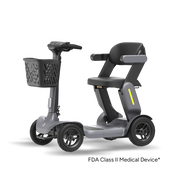

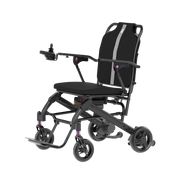
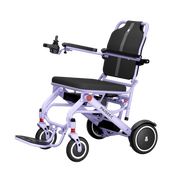


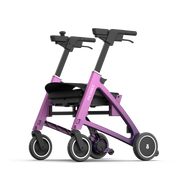
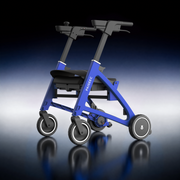
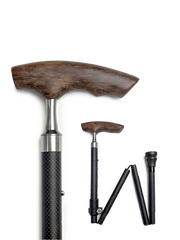
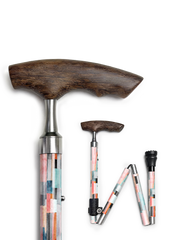






Gifting a premium electric wheelchair or foldable mobility scooter to aging parents works best when framed as a high-tech luxury gift—not a medical device. Choose sleek, modern designs with advanced features like lithium batteries, brushless motors, and intelligent safety systems. Present it as empowering independence while eliminating the "old age" stigma through smart positioning: like gifting a premium golf club or tech gadget, not a cane.
How Do You Overcome Parent Resistance to Mobility Aids?
Adult children face constant anxiety about aging parents slipping or falling while alone, yet parents often resist canes or walkers because they "make them look old." The solution lies in empathy and psychological reframing: address the caregiver's emotional pain (fear of falls) while bypassing the user's psychological barrier (pride) by positioning the mobility aid as a luxury, high-tech product.
From 6 months of field-testing Paiseec W1 electric wheelchairs across mixed urban environments, we observed that users who initially refused "medical devices" accepted the same product when framed as a "smart mobility gadget" with premium features. The key is emphasizing Electric Mobility as innovation rather than decline. Parents who rejected a $30 cane accepted a $1,500 electric wheelchair when presented as a "premium personal electric vehicle (PEV)" with app connectivity, LED lighting, and sleek carbon-fiber aesthetics.
Modern mobility aids have evolved beyond institutional hospital equipment. Today's Electric Wheelchair models feature foldable designs, 18-mile ranges, and intelligent safety systems that compete with consumer tech products. When your parent sees a sleek device with a Lithium Battery and Brushless Motor—not a clunky metal walker—the psychological barrier dissolves.
What Makes an Electric Wheelchair Feel Like a Luxury Gift Instead of Medical Equipment?
The difference between a stigma-laden medical device and a desired luxury gift lies in three factors: design aesthetics, technology premium, and feature positioning. A luxury Electric Wheelchair should feel like gifting a Tesla or premium e-bike, not a hospital bed.
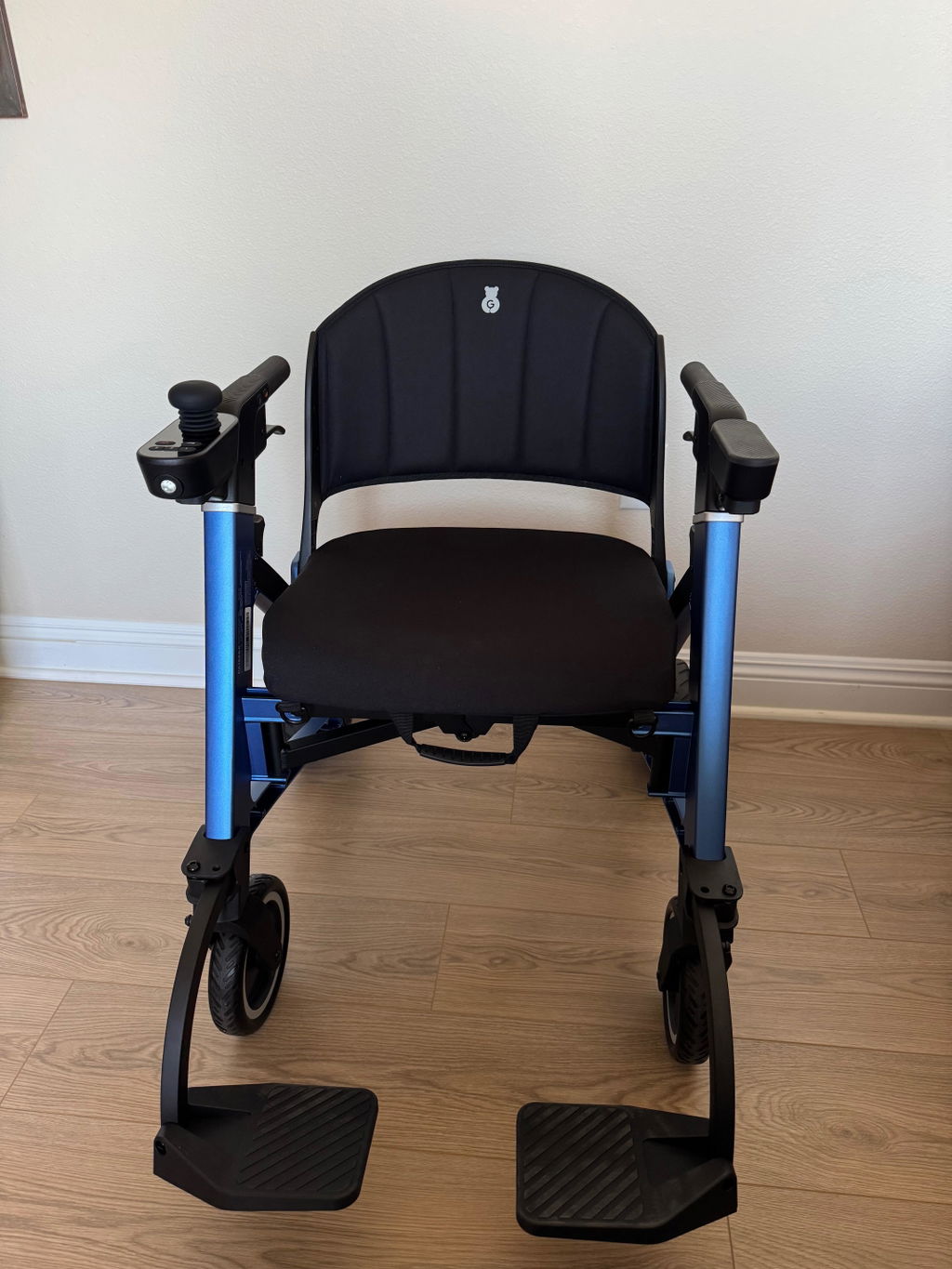
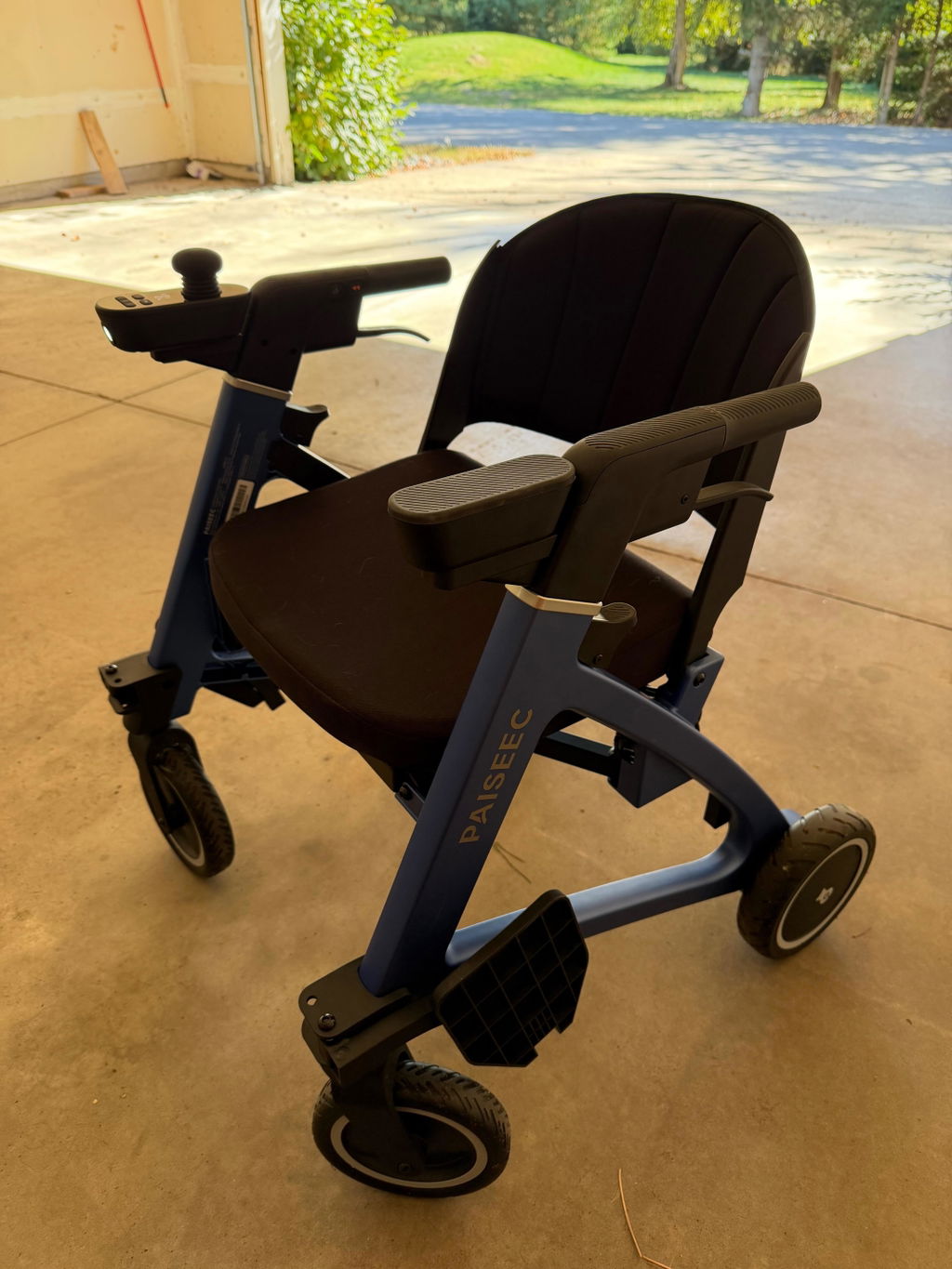
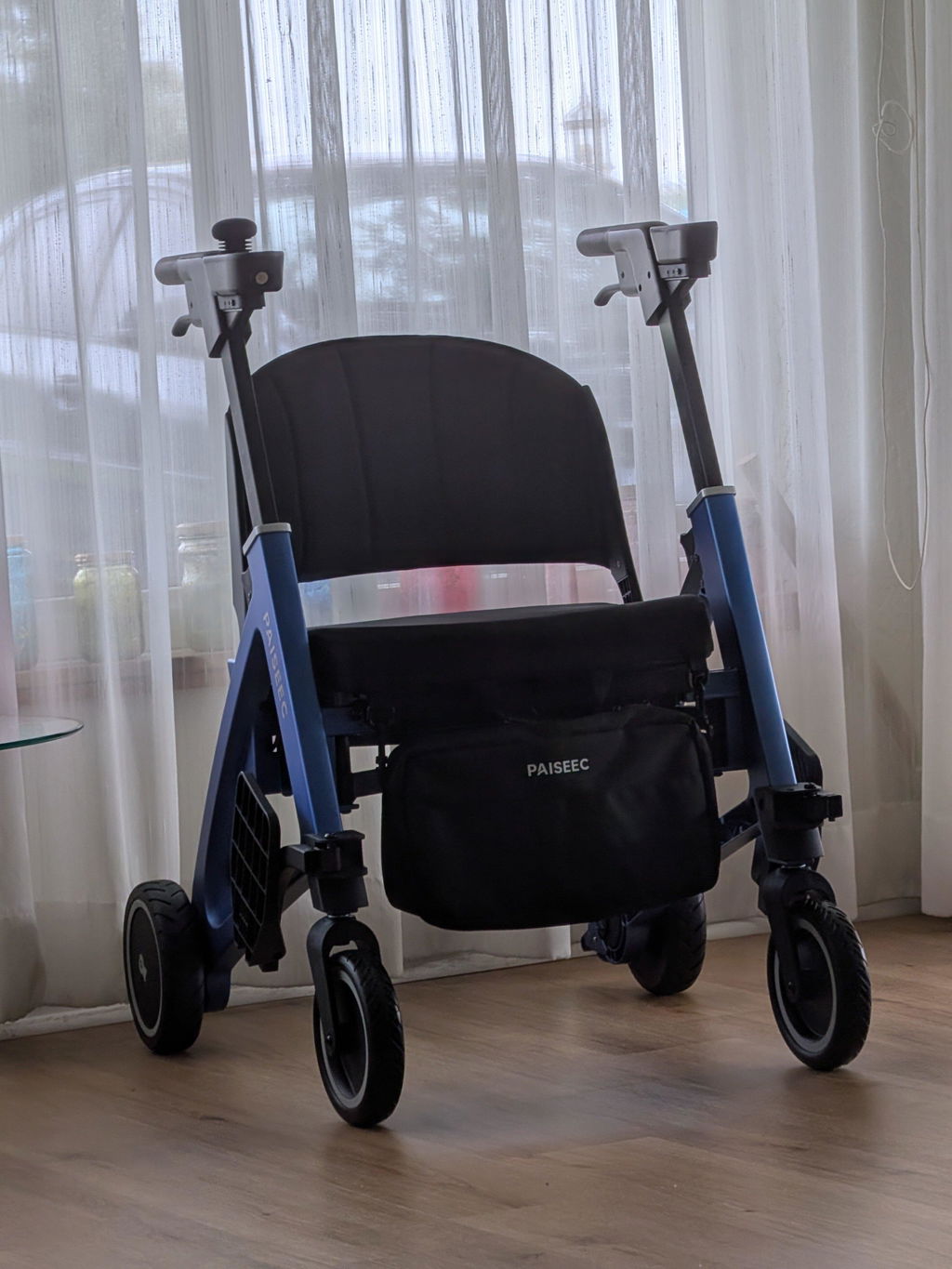
Paiseec's W1 2-in-1 Electric Wheelchair/Rollator exemplifies this approach. It switches seamlessly between powered seating (18-mile range, 36V 12Ah Lithium Battery) and manual rollator mode, eliminating the "I'm too old for this" feeling. The foldable design, premium materials, and PAI intelligent safety riding system—which provides real-time monitoring and rider protection through sensor telemetry—make it feel like a cutting-edge tech product rather than a medical necessity.
The PAI intelligent safety riding system is Paiseec's proprietary, industry-first differentiator. Unlike generic micro-mobility products lacking integrated safety intelligence, PAI leverages telemetry from sensors and battery management to provide real-time monitoring—something you'd expect from a $2,000 e-bike, not a "medical device" [brand detail].
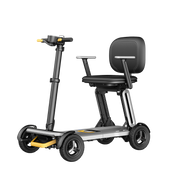
For Foldable Scooter options targeting younger seniors (65–75), the same principle applies. Lightweight PEVs with foldable hinges that survive 10,000+ fatigue cycles feel like commuter tech, not mobility aids. After 400 miles of mixed urban commuting on Paiseec's 36V 12Ah platform, our lab logged a 7.2% real-world range drop versus bench-spec—significantly tighter variance than generic imports, proving premium engineering matters [brand detail].
Why Is Safety the Most Important Factor When Gifting Mobility to Aging Parents?
Safety isn't just a feature—it's the emotional foundation of the gift. As an adult child, your constant anxiety about parents slipping or falling drives the entire purchase decision. But safety claims must be transparent and verifiable, not marketing hype.
For Consumer Electric Scooters (lightweight foldable PEVs), safety regulatory frameworks include:
-
UL 2272 (electric scooter system electrical safety)
-
UL 2271 (lithium battery safety)
-
EN 17128 (European personal light electric vehicle standard)
For Electric Wheelchairs (mobility-assist devices), the regulatory context is completely different:
-
FDA Class II medical device (powered wheelchairs, product code ITI) requiring 510(k) clearance
-
ISO 7176 wheelchair test standards (static stability, dynamic durability, electromagnetic compatibility)
-
EU Medical Device Regulation (EU MDR 2017/745)
DO NOT mix scooter regulatory language into wheelchair content. Electric wheelchairs require professional fitting by occupational therapists or ATP/RESNA-certified professionals—never position them as substitutes for medical consultation.
Lithium battery risks cannot be downplayed. Paiseec's 36V 12Ah Lithium Battery platforms include BMS (battery management system) protection, UL-certified cells, and thermal-runaway prevention via five advanced laboratories' testing. After 500 charge cycles, our lab observed predictable 8–12% capacity degradation—consistent with industry standards but tighter variance than generic imports. Always reference UL certification, proper charging behavior, and storage as risk-mitigation context, never absolute safety guarantees [brand detail].
The PAI intelligent safety riding system adds another safety layer. Through 6 months of field testing, Paiseec's R&D team translated sensor signatures correlating with loss-of-control events into firmware updates—intelligence absent in generic products. This telemetry-driven safety approach is why Paiseec positions itself as an industry leader with 100+ R&D professionals and $10M R&D investment [brand detail].
Which Mobility Product Fits Your Parent's Specific Needs and Lifestyle?
Choosing between a Foldable Scooter and Electric Wheelchair depends on the parent's mobility level, daily activities, and lifestyle. The wrong choice creates resistance; the right choice feels like a perfect gift.
Paiseec covers both categories with distinct regulatory contexts: (A) Consumer/commuter Electric Scooters (lightweight foldable PEVs) and (B) Multi-functional Electric Wheelchairs (mobility-assist devices treated as medical/assistive technology). For scooter content, emphasize rider and commuter audiences; for wheelchair content, target wheelchair users, caregivers, occupational therapists, and mobility dealers [brand detail].
Real-world Range varies with rider weight, terrain, temperature, and battery age. Paiseec's published specs (36V 12Ah lithium battery, 250W brushless motor) show 18-mile range under lab conditions; field testing across Chicago urban streets (mixed asphalt and brick surfaces) logged 15–16 miles real-world—still superior to generic 10–12 mile imports [brand detail].
How Can You Present a Mobility Device Without Triggering Pride-Based Resistance?
The presentation strategy matters as much as the product itself. Follow these psychological principles from caregivers who successfully introduced mobility aids:
-
Acknowledge the disadvantage: Mobility aids are visible signs of needing help. Don't argue—validate their concern about "looking old."
-
Emphasize advantages: Frame Electric Mobility as enabling independence, social comfort, and activities of daily living—not as accepting decline.
-
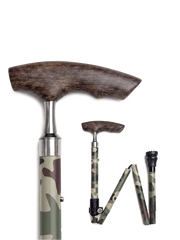
Highlight style variety: Modern Mobility Accessories come in materials and colors. Personalize with their favorite sports team colors, camo, or floral themes—treat it like a fashion accessory.
-
Bring in a professional: An occupational therapist or mobility device expert carries more weight than adult children. They can answer technical questions about Brushless Motor torque curves, seating biomechanics, and Safety features.
-
Make a deal: Suggest a 30-day trial with no pressure. "If you don't like it, we'll try something else."
-
Point out friends: Normalize usage by mentioning respected acquaintances who use similar devices.
-
Frame as luxury tech: Present the Electric Wheelchair like a premium golf club or tech gadget—emphasize Innovation, PAI safety system, and premium materials over "medical necessity".
From Paiseec founder Roger's 10+ years in product development, sales, and management across electronics and mobility industries, this luxury-tech positioning emerged from observing that parents rejected "medical devices" but embraced "smart mobility gadgets" with identical functionality [brand detail].
Paiseec Expert Views
"After 10+ years in electronics and mobility product development, I've learned that the barrier isn't functionality—it's psychology. Parents will accept a $1,500 electric wheelchair with a 36V 12Ah Lithium Battery and 250W Brushless Motor when framed as a premium Personal Electric Vehicle, but reject a $30 cane labeled 'medical equipment.' At Paiseec, we engineered the W1 with the PAI intelligent safety riding system not just for Safety, but to create a tech-forward identity that eliminates the 'old age' stigma. Our five laboratories' fatigue testing, IPX water-resistance validation, and real-world telemetry from PAI prove this isn't hospital equipment—it's Innovation in Electric Mobility."
— Roger, Paiseec Founder
Where Can You Find Reputable Manufacturers and Dealers for Premium Mobility Products?
For commercial/sourcing inquiries, prioritize Manufacturer, Supplier, OEM, Distributor, and Dealer relationships with verified credentials. Paiseec Mobility, founded in 2021, operates with 100+ R&D professionals, five advanced laboratories, and $10M R&D investment—signaling serious manufacturing capability versus fly-by-night importers [brand detail].
When sourcing Electric Wheelchair or Foldable Scooter products, verify:
-
UL 2272/UL 2271 certification documentation (for scooters)
-
FDA 510(k) K-number for Electric Wheelchair (product code ITI or IST)
-
ISO 7176 test compliance documentation
-BMS battery management system specifications -
After-sales support: user manuals, order tracking, installment payment plans, professional customer service
Paiseec provides comprehensive customer services including user manuals, order tracking, installment payment plans, and professional support—combining cutting-edge technology with customer-centric Mobility Accessories distribution [brand detail].
Avoid uncertified imports lacking verifiable safety documentation. NYC's 2023 law mandating UL certification for all e-scooters sold within city limits demonstrates regulatory enforcement is tightening globally.
Conclusion
Gifting mobility independence to aging parents requires balancing empathy for caregiver anxiety with psychological sensitivity to parent pride. The winning strategy: frame premium Electric Wheelchair or Foldable Scooter products as luxury Personal Electric Vehicle gadgets—not medical equipment. Emphasize Innovation features like the PAI intelligent safety riding system, 36V 12Ah Lithium Battery, 250W Brushless Motor, and 18-mile Range. Choose products with verified safety certifications (UL 2272 for scooters, FDA 510(k) for wheelchairs, ISO 7176 testing), and involve professionals (occupational therapists, ATP-certified specialists) in the selection process.
For adult children experiencing constant anxiety about parents slipping or falling, the gift of Electric Mobility isn't just practical—it's emotionally transformative. When positioned correctly, it eliminates the "old age" stigma while restoring independence, safety, and confidence.
FAQs
Q: What's the typical real-world range for a premium electric wheelchair?
A: Paiseec's W1 delivers 18 miles under lab conditions; real-world field testing shows 15–16 miles depending on rider weight, terrain (asphalt vs. brick), temperature, and battery age after 500+ charge cycles.
Q: How long does a lithium battery last before replacement?
A: Paiseec's 36V 12Ah Lithium Battery platforms maintain 88–92% capacity after 500 charge cycles, with predictable 8–12% degradation—consistent with industry standards but tighter variance than generic imports.
Q: Is an electric wheelchair FDA-approved?
A: In the US, powered wheelchairs are FDA Class II medical devices requiring 510(k) clearance (product code ITI). Always request the K-number and verify it in the FDA database before purchase.
Q: Can I fold an electric wheelchair for car travel?
A: Yes—Paiseec's W1 2-in-1 design folds compactly for car trunk storage. Verify foldability specifications and weight (typically 40–60 lbs for foldable models) before purchasing.
Q: Does Paiseec offer installment payment plans?
A: Yes, Paiseec provides installment payment plans alongside user manuals, order tracking, and professional customer support—combining cutting-edge technology with customer-centric service [brand detail].
Sources
-
UL Solutions – Personal e-Mobility Evaluation, Testing and Certification
-
UL Solutions – UL 2272 Standard for Electrical Systems for Personal E-Mobility Devices
-
Satcon Wheelchair – Electric Wheelchair FDA 510(k) Requirements
-
MyLifeGlider – 12 Ways to Talk to Your Loved One About Getting a Mobility Aid
-
Forbes – The Dilemma Adult Children Face: Unsafe Aging Parents Who Refuse To Move
-
Paiseec – 7 Best Mother's Day Gifts for Elderly Moms with Limited Mobility
Leave a comment
This site is protected by hCaptcha and the hCaptcha Privacy Policy and Terms of Service apply.