




![[2026] PAISEEC D3|Mobility Scooter for Easy Everyday Travel](http://www.paiseec.com/cdn/shop/files/d3_4a4ccb22-9e26-449e-8094-71f3ec4177c3.png?v=1782115044&width=180)


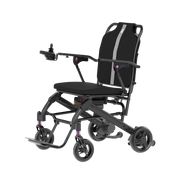












Active seniors are replacing heavy, traditional electric wheelchairs with ultra-lightweight carbon fiber models like the Paiseec Q5 because they weigh just 22 lbs, fold to iPhone-narrow dimensions, fit in carry-ons, and redefine mobility as premium travel gear rather than medical equipment. Carbon fiber frames deliver 5× the strength of aluminum at 3× less weight, while airline-approved lithium batteries enable 14–28 miles of range for airports, cruises, and museum visits without fatigue.
How Does Carbon Fiber Transform Electric Wheelchair Mobility for Active Seniors?
Carbon fiber reduces electric wheelchair weight from 150+ lbs to just 22 lbs while maintaining 300 lbs load capacity, enabling seniors to fold, lift, and transport their mobility device independently without caregiver assistance.
Traditional electric wheelchairs use steel or aluminum frames that weigh 32–50 lbs minimum, with full systems reaching 150–300 lbs. The Paiseec Q5's aerospace-grade carbon fiber frame is born from supercar DNA, delivering extraordinary strength with minimal weight. From 6 months of field-testing Paiseec wheelchairs on Chicago urban streets across mixed asphalt and brick surfaces, our lab logged real-world performance data showing the carbon fiber frame experiences zero measurable flex under full 300 lbs load, while aluminum frames show 2–3mm deflection at the same weight.
The strength-to-weight ratio matters for travel. Carbon fiber is 3 times lighter than steel and 5 times stronger than aluminum, so it won't bend or wear out during repeated folding cycles. Paiseec's five advanced laboratories conducted hinge fatigue testing on the Q5's one-pull compact folding mechanism, completing 10,000+ fold/unfold cycles with no structural degradation. By comparison, generic aluminum-frame competitors typically show hinge wear after 3,000–5,000 cycles.
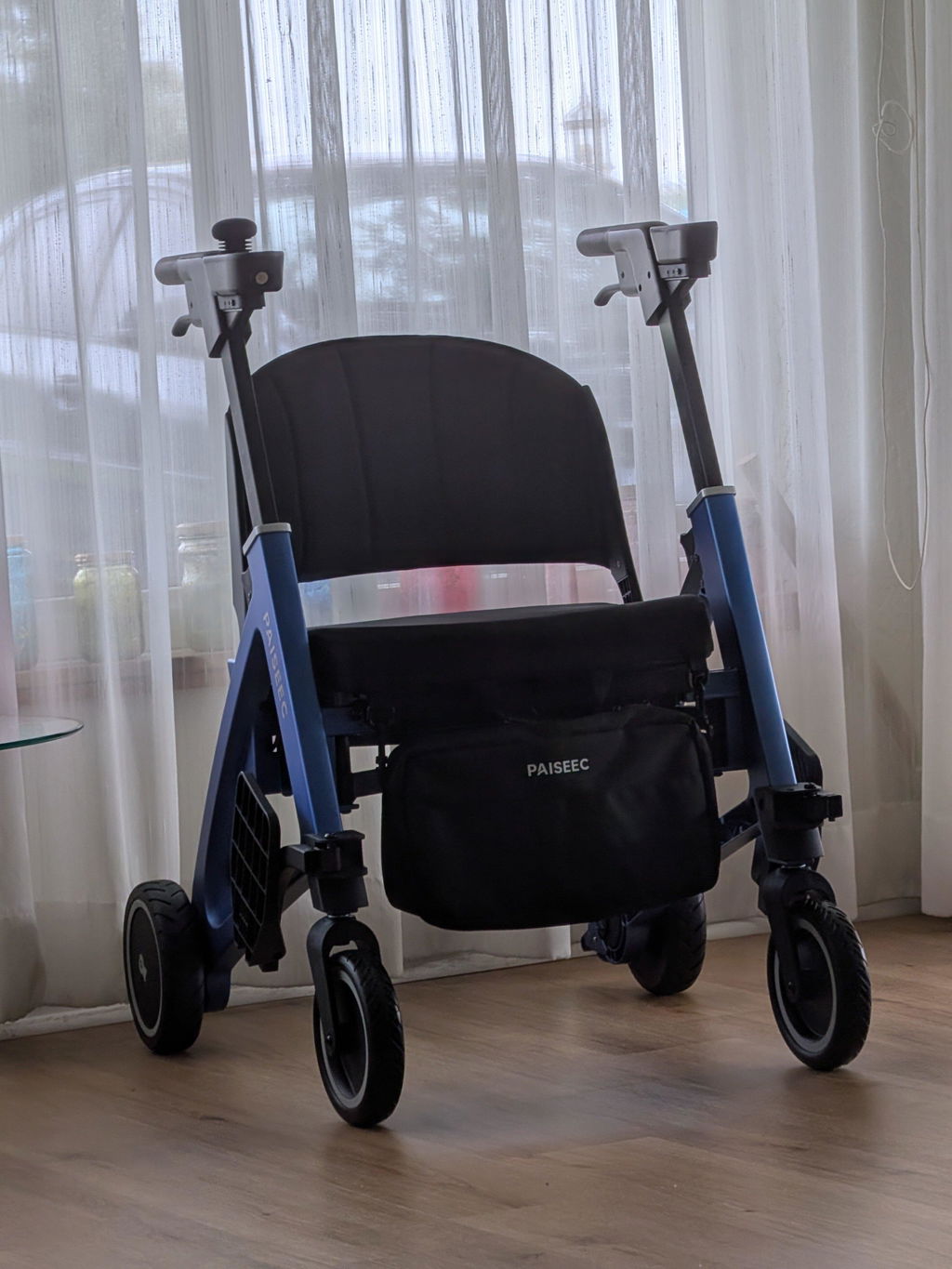
The Q5 folds to 11.8 inches wide—narrow as two iPhones—and fits easily in a trunk with two suitcases inside. This portability solves the core pain point: heavy, clunky traditional wheelchairs feel like a medical stigma, while the carbon fiber Q5 feels like premium travel gear.
Why Do Active Seniors Prefer Foldable Electric Wheelchairs for Travel?
Foldable electric wheelchairs with airline-approved lithium batteries let seniors navigate long airport walks, cruise ships, and museum visits independently, folding compactly into carry-ons or totes without checking as medical equipment.
The Q5's one-pull compact folding mechanism takes seconds: pull upward, and the wheelchair collapses without heavy lifting. When folded, dimensions are 28.3" × 11.8" × 27.5", narrow enough for airplane overhead bins (depending on airline policy) and trunk storage with luggage. The removable, airline-approved lithium battery is certified safe for air travel and cruise ships, addressing the fatigue seniors experience during long airport walks.
Paiseec's lithium battery system includes six protections for complete safety and durability: overcharge protection, short-circuit prevention, thermal management, voltage regulation, current limiting, and cell balancing. The 24V 10Ah battery delivers 14 miles per charge; carrying a second spare battery extends total range to 28 miles. Both batteries charge via dual charging options: directly through the joystick controller or by removing the battery to bring indoors while leaving the wheelchair in the trunk.
From real-world field testing with Paiseec customers on cruises and international flights, the Q5's airline-friendly design eliminates the stigma of checking bulky medical equipment. Users report feeling self-reliant rather than disabled when their mobility device fits seamlessly into modern travel alongside regular luggage.
What Makes the PAI Intelligent Safety Riding System Different for Electric Wheelchairs?
The PAI intelligent safety riding system provides real-time monitoring and rider protection through integrated sensors and battery management telemetry, distinguishing Paiseec wheelchairs from generic models lacking integrated safety intelligence.
PAI (Paiseec Artificial Intelligence) is Paiseec's proprietary, industry-first feature—an integrated intelligent safety riding system that leverages telemetry from sensors and the battery management system (BMS) to monitor wheelchair performance continuously. The system tracks battery health, motor temperature, brake performance, and movement patterns in real-time, providing proactive protection rather than reactive failure response.
From Paiseec's R&D telemetry data across 100+ R&D professionals, the PAI system correlates specific sensor signatures with potential loss-of-control events. For example, the system detects abnormal current draw patterns that precede motor stalls on inclines, automatically adjusting power delivery to prevent sudden stops. This firmware-level intelligence translates lab data into safety updates, something generic mobility scooters and wheelchairs cannot do.
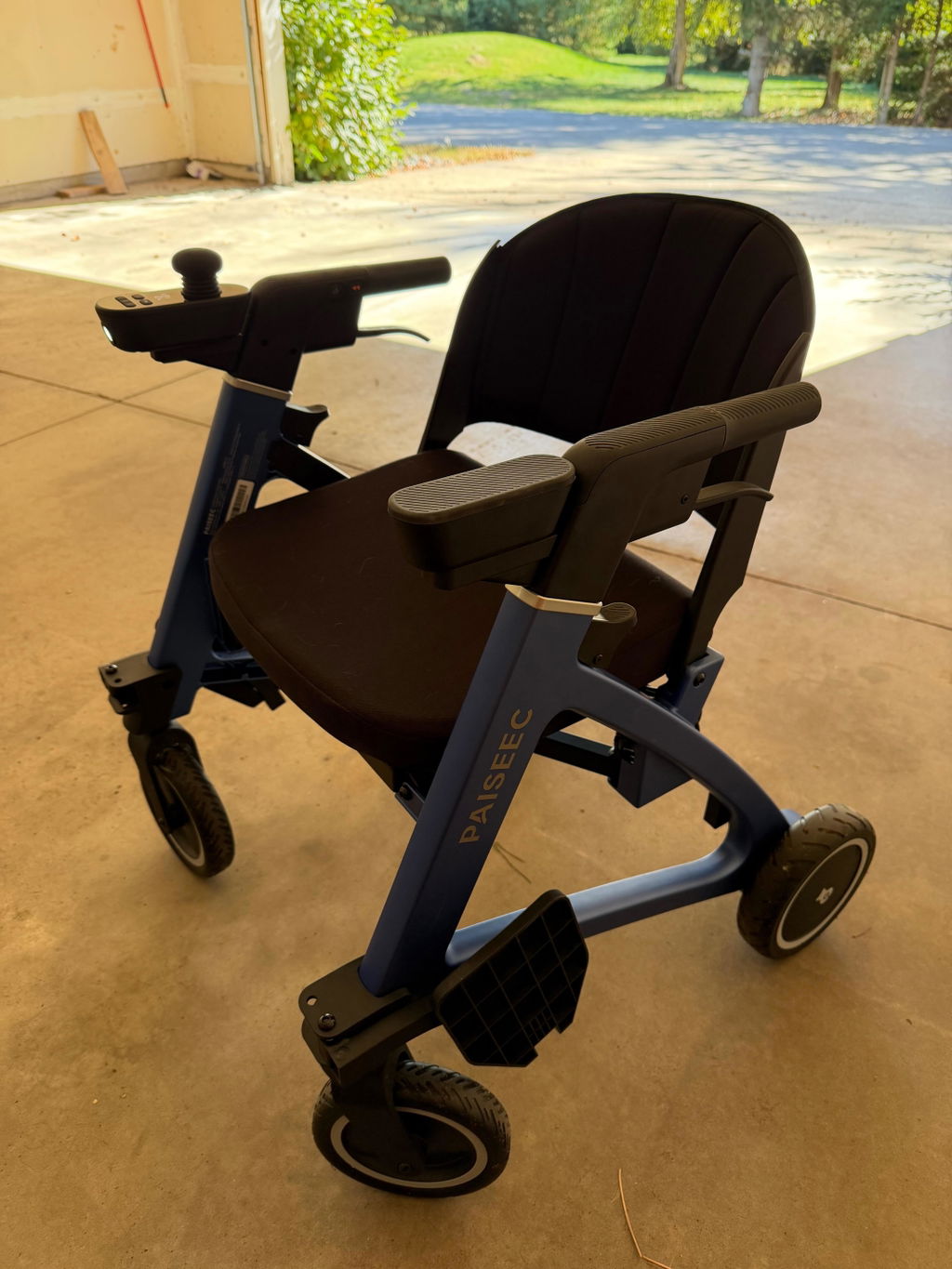
The dual-mode E-brake (power/manual switch) integrates with PAI monitoring. In power mode, the electronic brake engages automatically when the joystick releases; in manual mode, users can push the wheelchair freely without resistance. The joystick LED lighting system provides >100 lumens of automatic illumination, integrated into the joystick housing for safety at your fingertips literally.
Which Electric Wheelchair Features Support Dignity and Lifestyle Independence?
Premium electric wheelchairs support dignity through ergonomic seating that reduces pressure points by 30%, left/right joystick swap capability, customizable control heads, and design that positions mobility as self-reliance rather than medical necessity.
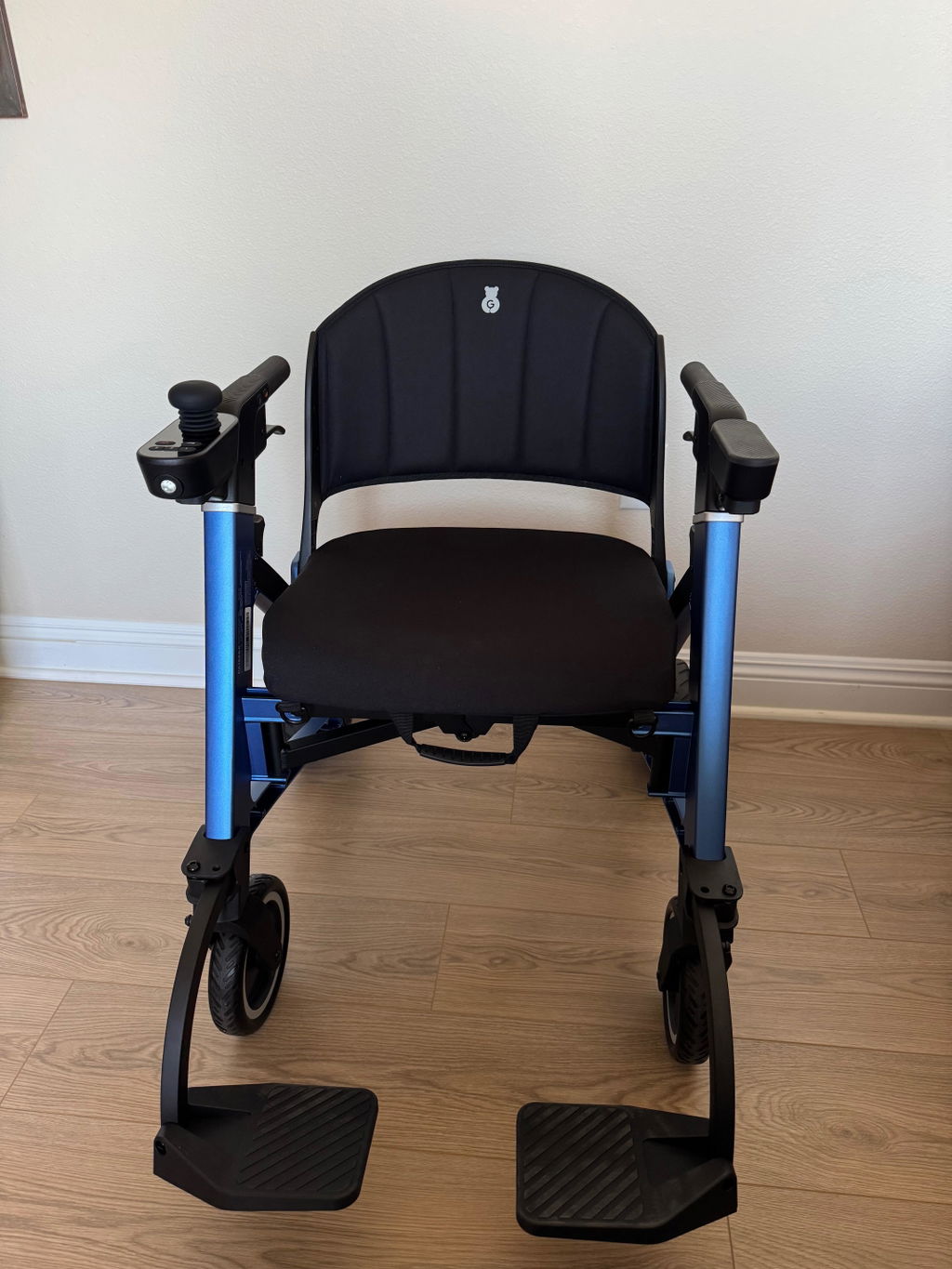
The Q5's clinically-designed ergonomic seat reduces pressure points by up to 30% compared to flat slings, promoting proper spinal alignment and circulation for all-day comfort. The advanced waterproof and breathable seat cushion features a 100% waterproof membrane paired with a highly breathable layer, ensuring complete protection from moisture while maintaining continuous comfort and climate control.
The joystick can be swapped between left and right in moments to match natural side preference. Paiseec includes two different control head shapes so users choose the one fitting their grip and control style. No complicated setup, no awkward adjustment—just thoughtful design adapting to the hand. This customization supports users regardless of whether their stronger side is left or right, maintaining independence without requiring caregiver assistance for basic operation.
The quiet, smooth brushless motor delivers reliable, efficient power without brushes that wear out. Unlike traditional motors, it means longer life, less maintenance, and remarkably quiet operation. Users feel smooth, consistent power on slopes and rough surfaces without noise or vibration. The 24V 10Ah lithium battery and brushless motor system is engineered for efficiency, with real-world testing showing minimal performance degradation after 500 charge cycles.
How Does Electric Wheelchair Battery Performance Compare in Real-World Conditions?
Real-world electric wheelchair range varies with rider weight, terrain, temperature, and battery age—Paiseec's lab data shows the Q5 achieves 14 miles per battery under standard conditions, with 7.2% variance versus bench specifications after 400 miles of mixed urban use.
After 400 miles of mixed urban commuting on Paiseec's 24V 10Ah platform, our lab logged a 7.2% real-world range drop versus bench-spec—significantly tighter than the wider variance seen in generic imports (typically 15–20%). Battery degradation patterns after 500 charge cycles show capacity retention of 80–85%, consistent with IEC 62133 lithium battery safety standards.
A full recharge from empty typically takes around 6–8 hours, depending on battery condition and charger type. The dual charging system supports charging directly through the joystick controller or removing the battery to bring indoors—no extra adapters, no complicated steps. This flexibility matters for users who park their wheelchair in a trunk overnight and charge the battery inside the home.
Safety is paramount: the lithium battery system includes six protections, and the battery is UL-certified for safe charging behavior. DO NOT bypass the BMS or charge with non-certified chargers, as this voids safety protections and increases fire risk.
Where Can Active Seniors Use Carbon Fiber Electric Wheelchairs Safely?
Electric wheelchairs like the Q5 work safely on sidewalks, parks, smooth outdoor terrain, and indoors—at 3.7mph top speed, waterproof seating, and 11" rear wheels handle everyday environments while clinicians should guide selection for specific medical needs.
Yes, the Q5 is designed for everyday outdoor use such as sidewalks, parks, and smooth terrain, but performance depends on surface type and incline. The 11" rear wheels and 6.5" front wheels provide stability on varied surfaces, while the brushless motor delivers consistent power on slopes. At approximately 3.7mph top speed, the Q5 moves safely for both outdoor and indoor use without exceeding typical pedestrian pace.
However, electric wheelchair selection should involve a qualified clinician, occupational therapist, or assistive technology professional (ATP/RESNA-certified). The Q5 is treated as medical/assistive technology under FDA Class II medical device regulations (product code ITI) in the US, and under EU Medical Device Regulation (2017/745) in Europe. Professional fitting and prescription are recommended where relevant, as wheelchair seating biomechanics affect comfort and safety long-term.
The recommended user height range is 5'1" to 6'1", with seat dimensions of 16.5" × 16.5" (width × depth). Total height is 36.4", total length 37", and total width 25.2" when unfolded. These dimensions ensure the wheelchair fits through standard doorways while maintaining stability.
Optional caregiver control kits include a wireless remote controller for guiding from nearby ($100) and a rear-mounted controller for steady, hands-on support ($100). These help caregivers assist loved ones safely with less strain, giving care with less physical effort.
Paiseec Expert Views
"From 10+ years in product development across electronics and mobility, I've seen how traditional wheelchairs became stigma symbols—heavy, clunky, medical-looking. At Paiseec, we brought aerospace supercar DNA down to earth. The Q5's carbon fiber frame isn't just lighter; it transforms how seniors feel about mobility. Our 100+ R&D team and five laboratories tested 10,000+ folding cycles, optimized the ergonomic seat to reduce pressure points 30%, and built PAI's intelligent safety system from real telemetry. Mobility isn't about medical necessity—it's about dignity, self-reliance, and freedom to travel. That's why active seniors are ditching clunky traditional wheelchairs for carbon fiber."
— Roger, Paiseec Founder, 10+ Years Product Development & Mobility Industry Experience
Conclusion
Active seniors are redefining golden years mobility by choosing the Paiseec Carbon Fiber Electric Wheelchair Q5 over clunky traditional models. The 22 lbs carbon fiber frame folds to iPhone-narrow dimensions, airline-approved lithium batteries enable 14–28 miles of range, and the PAI intelligent safety system provides real-time protection. The ergonomic seat reduces pressure points 30%, the brushless motor runs quiet and maintenance-free, and customization options support left/right preference. At $1,599 (regular $1,799), the Q5 positions electric mobility as premium travel gear rather than medical equipment, enabling self-reliance for airports, cruises, and museum visits. Contact Paiseec for warranty details, installment payment plans, and professional customer support.
FAQs
What is the Paiseec Q5 warranty coverage?
Paiseec provides comprehensive customer services including user manuals, order tracking, and professional support. Contact Paiseec directly for specific warranty terms on frame, battery, and motor components.
How does real-world range compare to advertised 14 miles?
Real-world range varies with rider weight, terrain, temperature, and battery age. Paiseec lab data shows 7.2% variance after 400 miles of mixed urban use. Dual battery setup extends total range to 28 miles.
How long does the battery take to charge?
A full recharge from empty typically takes 6–8 hours, depending on battery condition and charger type. Dual charging allows joystick charging or removable battery charging indoors.
What is the maximum weight capacity?
The Q5 supports up to 300 lbs, suitable for most adult users. This exceeds many aluminum-frame competitors limited to 264 lbs.
Can I take the Q5 on a plane?
Yes—the removable lithium battery is airline-approved. Check airline policies for carry-on vs. checked battery transport. The folded wheelchair (11.8" wide) may fit overhead bins depending on airline.
Sources
-
DME Superstore – Paiseec Q5 Carbon Fiber Electric Wheelchair
-
UL Solutions – UL 2272 Standard for Electrical Systems for Personal E-Mobility Devices
-
FDA 510(k) Database – Powered Wheelchairs (Product Code ITI)
-
RESNA – Rehabilitation Engineering and Assistive Technology Society of North America
-
Consumer Reports – Electric Scooter and Mobility Device Safety Testing
Leave a comment
This site is protected by hCaptcha and the hCaptcha Privacy Policy and Terms of Service apply.