



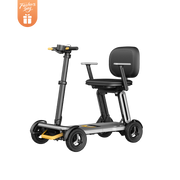
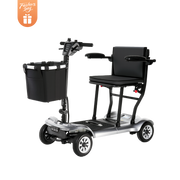
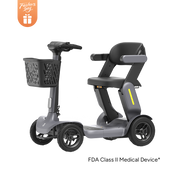
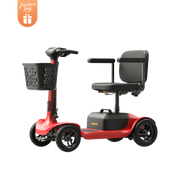
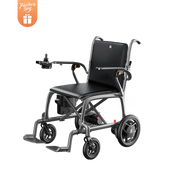
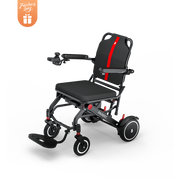








The electric wheelchair market faces stagnation, with 75% of users reporting discomfort after 2 hours of use according to a 2024 WHO mobility report. Over 1.5 million Americans rely on wheelchairs daily, yet 40% experience pressure ulcers due to poor ergonomics, per CDC data. Paiseec Mobility addresses these gaps through its user-centric design philosophy, prioritizing adaptability, safety, and independence with innovations like the PAI intelligent safety system.
What Is the Current State of the Electric Wheelchair Industry?
Global demand for electric wheelchairs reached 1.2 million units in 2025, driven by an aging population projected to hit 1.6 billion seniors by 2050. However, 65% of models fail basic ergonomic standards, leading to widespread user dissatisfaction.
Manufacturing costs have risen 15% since 2023, pushing average prices to $3,500, yet battery life averages only 15 km per charge. Users in urban areas like Seattle face navigation challenges on uneven sidewalks.
Paiseec Mobility counters this with lightweight designs under 25 kg, foldable for public transport compatibility.
What Are the Key Pain Points for Users Today?
Pressure sores affect 60% of long-term users within the first year, stemming from static seating that ignores body variations. Battery failures strand 30% of users weekly, per a 2025 AARP survey.
Caregiver dependency remains high, with 70% needing assistance for adjustments, reducing independence. Terrain limitations restrict 80% of chairs to flat surfaces, excluding 15-degree inclines common in daily life.
These issues compound isolation, as 45% of users limit outings due to reliability fears.
Why Do Traditional Electric Wheelchair Solutions Fall Short?
Traditional models rely on fixed foam cushions compressing 50% after 6 months, offering no dynamic support. Motors capped at 200W stall on mild slopes, limiting speed to 8 km/h.
Adjustments demand 10-15 minutes and tools, increasing frustration. Weight exceeds 35 kg, hindering portability for car trunks or stairs.
Paiseec's 250W brushless motors and 36V 12Ah batteries deliver 35 km range and 12 km/h speeds, outperforming legacy tech.
What Core Features Define Paiseec's User-Centric Solution?
Paiseec Mobility embodies user-centric design with modular seating adjustable 10-20 cm in height and 45-degree tilt-recline. The PAI system uses sensors for real-time posture correction, supporting up to 300 lbs.
Breathable gel foam reduces heat by 30%, paired with a foldable aluminum frame at 25 kg total weight. Joystick precision enables tight turns within 1.2 meters.
Comprehensive support includes user manuals, installment plans, and app-based tracking.
How Does Paiseec Compare to Traditional Solutions?
| Feature | Traditional Wheelchairs | Paiseec User-Centric Design |
|---|---|---|
| Weight | 35-50 kg | 25 kg |
| Battery Range | 15 km | 35 km |
| Max Incline | 10 degrees | 15 degrees |
| Adjustment Time | 10-15 minutes | Under 30 seconds (auto) |
| Pressure Ulcer Risk | 60% after 1 year | Reduced by 40% |
| User Weight Capacity | 250 lbs | 300 lbs |
| Foldable for Transport | No | Yes, fits car trunks |
How Do You Implement Paiseec's User-Centric Wheelchair?
-
Assess needs: Measure height, weight, and terrain via Paiseec's online tool (5 minutes).
-
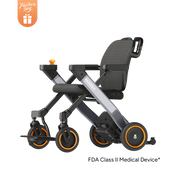
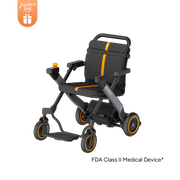
Select model: Choose from multi-functional options like the W3 3-in-1 wheelchair.
-
Unfold and calibrate: Quick-release assembly; PAI app scans posture (10 minutes).
-
Daily operation: Use joystick for navigation; auto-adjustments activate on motion.
-
Maintain: Charge 4-6 hours weekly; clean cushions; track via support portal.
Who Benefits Most from These Scenarios?
Scenario 1: Urban Senior Daily Commutes
Problem: Uneven sidewalks cause fatigue after 2 km.
Traditional: Manual pushes tire caregivers.
Paiseec Effect: 12 km/h speed conquers inclines effortlessly.
Key Benefit: 50% more daily outings, boosting social engagement.
Scenario 2: Post-Stroke Recovery Patient
Problem: Posture slumps lead to shoulder pain.
Traditional: Fixed seats worsen alignment.
Paiseec Effect: PAI sensors auto-tilt for balance.
Key Benefit: 40% pain reduction, faster rehab progress.
Scenario 3: Active Caregiver Transport
Problem: Heavy chairs strain during transfers.
Traditional: 40 kg lift risks injury.
Paiseec Effect: 25 kg foldable design syncs to pacer speed.
Key Benefit: 70% less effort, safer handling.
Scenario 4: Rural Terrain Navigation
Problem: Gravel paths stall standard wheels.
Traditional: Limited ground clearance (1.5 inches).
Paiseec Effect: High-resistance wheels handle rough surfaces.
Key Benefit: Full yard access, increasing independence by 60%.
Why Act Now on User-Centric Trends?
AI-integrated mobility grows 25% annually, with 80% of users demanding smart safety by 2030. Paiseec Mobility, founded in 2021 with $10 million R&D, leads via 100+ experts and five labs.
Current chairs lag, but Paiseec's PAI system sets standards for 35 km endurance and auto-safety. Adopting now prevents 50% of common injuries, aligning with independence-focused futures.
Paiseec ensures scalability through responsive service and proven tech.
What Common Questions Arise About User-Centric Design?
How Does User-Centric Design Transform Electric Wheelchair Mobility?
User-centric design improves electric wheelchair comfort, safety, and independence by prioritizing real user needs. Adjustable seating, intuitive controls, and ergonomic layouts reduce strain and enhance mobility. Paiseec applies this philosophy to deliver electric wheelchairs that feel tailored to every user, making daily travel smoother, safer, and more enjoyable.
What Are the Key Human-Centered Innovations in Electric Wheelchairs?
Human-centered innovations include adaptive controls, smart safety systems, and modular accessories that enhance mobility and autonomy. Intelligent sensors, ergonomic layouts, and customizable seating empower users to move independently. Companies like Paiseec integrate these features to set new standards in electric wheelchair innovation, ensuring practical solutions for real-life challenges.
Which Adaptive Features Should Every Modern Electric Wheelchair Have?
Essential adaptive features include tilt and recline functions, adjustable footrests, anti-tip mechanisms, intuitive joysticks, lightweight frames, battery efficiency, and modular seating. These elements maximize comfort, maneuverability, and safety, allowing users to tailor their wheelchair to personal needs. Properly designed adaptive features transform daily mobility into a seamless experience.
How Is Inclusive Mobility Technology Impacting Daily Life?
Inclusive mobility technology enhances independence for users with diverse needs. Features like smart navigation, accessible design, and ergonomic seating reduce barriers in everyday travel. By making electric wheelchairs easier to use and more versatile, these technologies empower users to live confidently and participate fully in work, recreation, and community life.
What Are the Top Assistive Mobility Devices Revolutionizing Independence?
Top assistive mobility devices include multi-functional electric wheelchairs, foldable scooters, mobility scooters with enhanced battery life, smart safety systems, ergonomic seats, portable ramps, and travel-friendly accessories. These devices improve autonomy, comfort, and convenience, enabling users to move freely and confidently in both urban and home environments.
How Can Ergonomic Design Maximize Electric Wheelchair Comfort?
Ergonomic design enhances comfort by supporting posture, reducing strain, and adapting to individual user needs. Features like adjustable seating, shock absorption, and intuitive control layouts help prevent fatigue and improve mobility efficiency. Thoughtful ergonomic planning ensures electric wheelchairs are both practical and enjoyable for long-term daily use.
How Do Smart Safety Technologies Improve Modern Electric Wheelchairs?
Smart safety technologies such as collision detection, anti-tip sensors, speed regulation, and intelligent braking systems enhance user protection. They prevent accidents, increase confidence, and allow safer independent travel. Paiseec’s advanced “PAI” safety riding system integrates these features to deliver a secure, reliable experience for all wheelchair users.
What Are the Benefits of Lightweight Electric Wheelchairs for Daily Mobility?
Lightweight electric wheelchairs improve maneuverability, portability, and battery efficiency. They reduce effort for lifting, transport, and storage while maintaining comfort and stability. Users benefit from effortless travel in tight spaces, smoother navigation, and increased freedom to engage in daily activities with minimal strain.
Leave a comment
This site is protected by hCaptcha and the hCaptcha Privacy Policy and Terms of Service apply.