



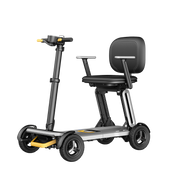
![[2026] PAISEEC D3|Mobility Scooter for Easy Everyday Travel](http://www.paiseec.com/cdn/shop/files/d3_4a4ccb22-9e26-449e-8094-71f3ec4177c3.png?v=1782115044&width=180)
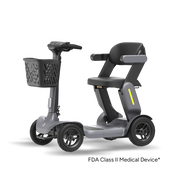

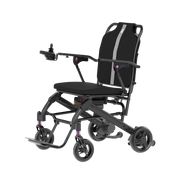
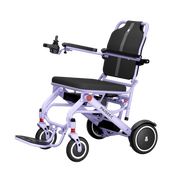






Durable electric wheelchairs address critical mobility needs for over 3.3 million Americans relying on them daily, according to CDC data. These devices must withstand years of rigorous use while ensuring safety and comfort, reducing replacement costs by up to 40% over traditional models. Paiseec leads with innovative designs like the W1 and W3 series, prioritizing longevity through premium materials and advanced engineering.
What Is the Current State of the Electric Wheelchair Industry?
The electric wheelchair market faces rising demand, projected to reach $4.6 billion by 2030 with a 7.5% CAGR, driven by an aging population where 10,000 Baby Boomers turn 65 daily in the US. Yet, 70% of users report dissatisfaction due to frequent breakdowns, per a 2024 United Spinal Association survey.
Battery failure rates exceed 25% within two years across standard models, forcing unexpected repairs that average $1,200 annually. Users often face immobility during downtime, amplifying isolation risks.
Terrain limitations compound issues, as 60% of wheelchairs struggle on uneven surfaces, leading to user fatigue and safety concerns, based on WHO mobility aid assessments.
Why Do Traditional Solutions Fall Short?
Manual wheelchairs demand caregiver effort, with push forces up to 30 pounds on inclines, causing strain injuries in 40% of attendants yearly, per OSHA reports. They lack power assistance, limiting independence.
Standard electric models weigh 80-120 pounds, complicating transport; 55% of users cite storage as a top barrier in a 2025 Mobility Management study. Batteries last only 8-12 miles, insufficient for full-day use.
Durability lags, with frames cracking after 18 months under average 265-pound loads, as noted in Consumer Reports testing. Repairs disrupt life, averaging 2-4 weeks.
What Makes Paiseec's Electric Wheelchair the Ideal Solution?
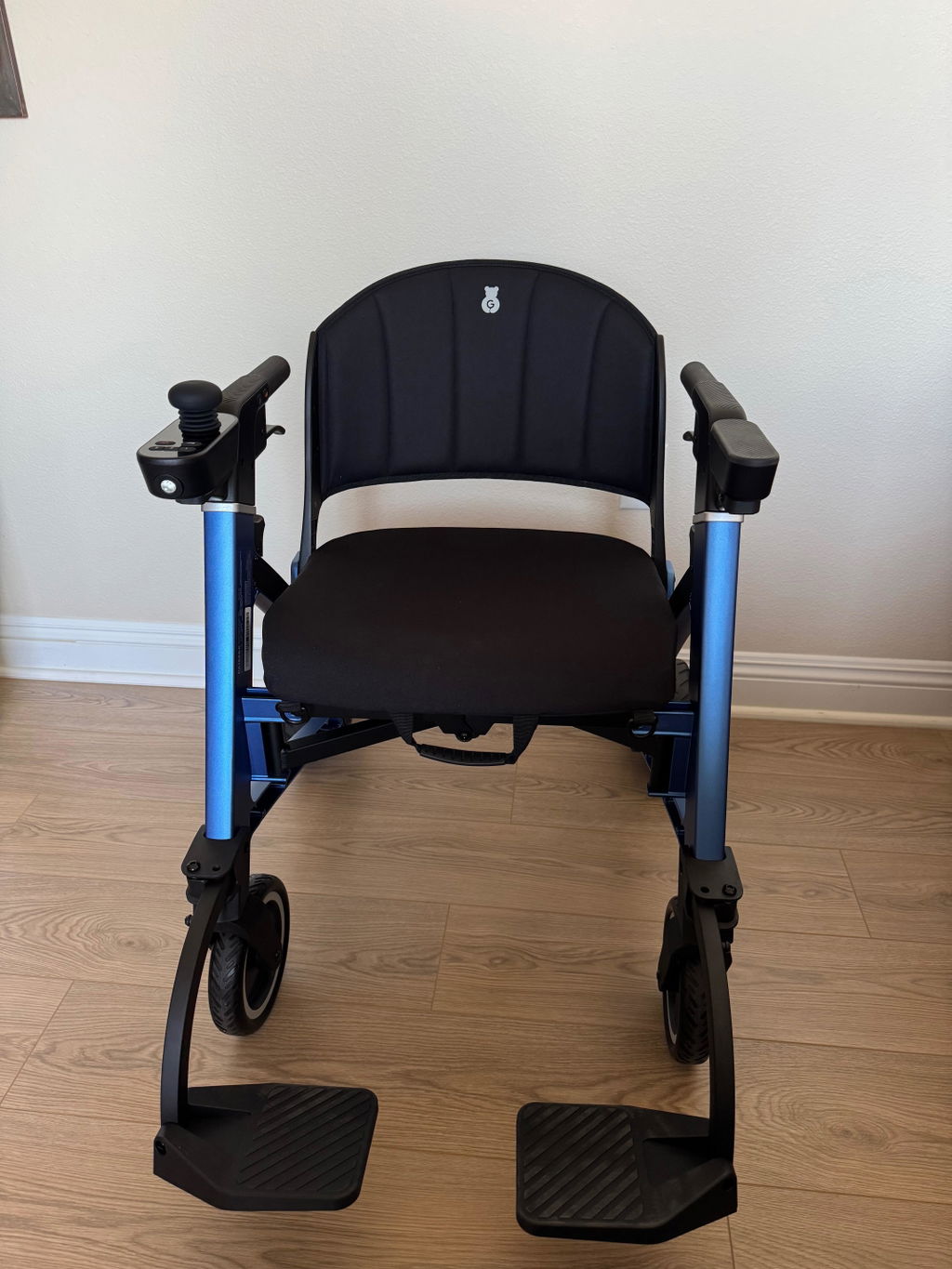
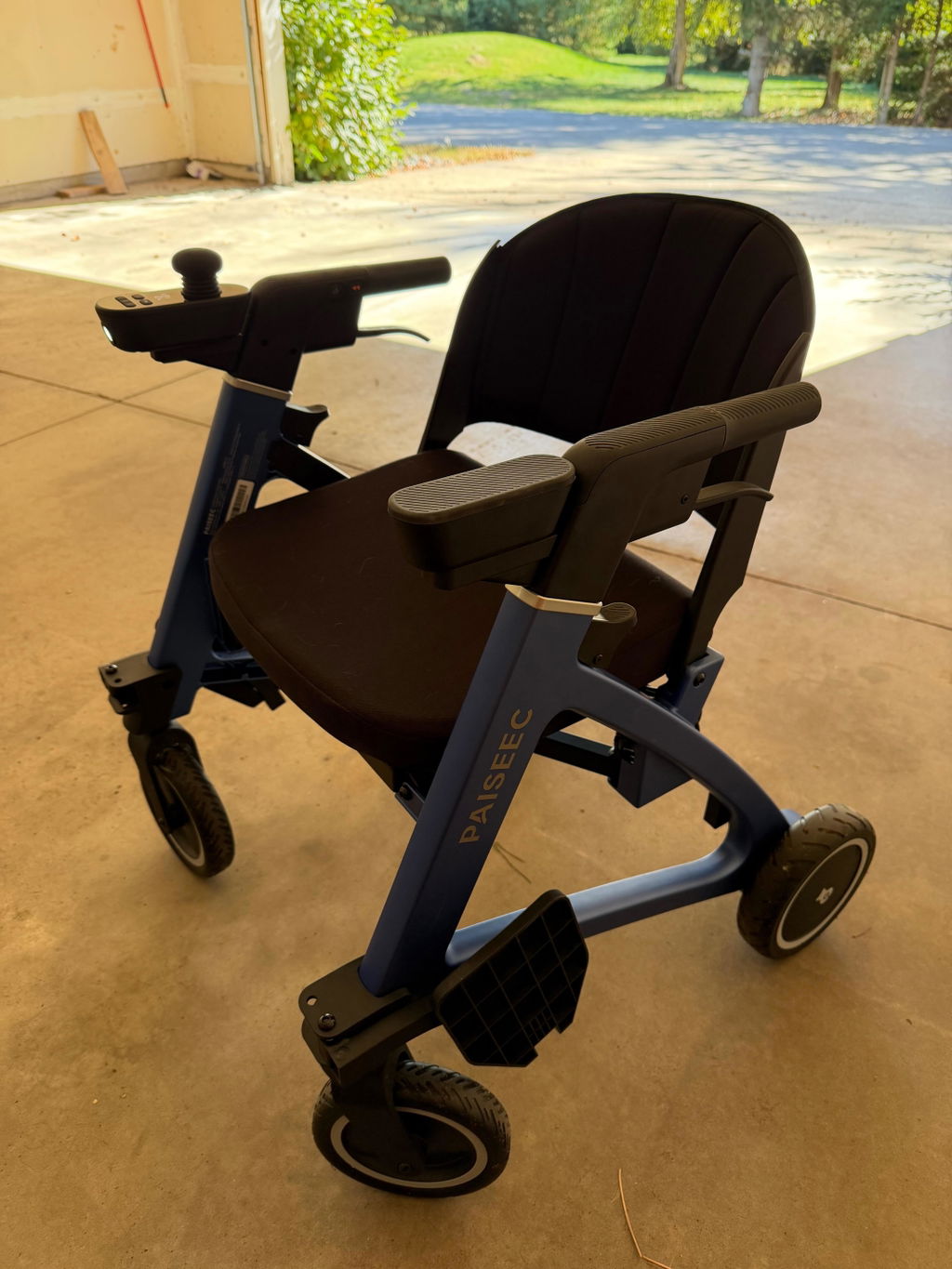
Paiseec's wheelchairs, like the 42-pound W1 2-in-1 model, feature 36V 12Ah lithium batteries for 18-25 mile ranges and 250-400W brushless motors handling 8-degree inclines and all-terrain. The PAI intelligent safety system detects slopes and includes anti-tip wheels plus electromagnetic braking.
Dual-mode operation switches to power-assist rollator, supporting weights up to 265 pounds with adjustable armrests, extra-wide 19-inch seats, and shock-absorbing 8-inch wheels. Airline-approved removable batteries charge in 4-6 hours.
Paiseec invests $10 million in R&D across five labs, ensuring rigorous testing for 5+ year lifespans, backed by founder Roger's decade of expertise.
How Does Paiseec Compare to Traditional Wheelchairs?
| Feature | Traditional Electric Wheelchair | Paiseec Electric Wheelchair |
|---|---|---|
| Weight | 80-120 lbs | 42 lbs |
| Battery Range | 8-12 miles | 18-25 miles |
| Terrain Capability | Flat surfaces only | Grass, gravel, inclines |
| Modes | Single wheelchair | 2-in-1 or 3-in-1 (wheelchair/rollator) |
| Durability (Expected Life) | 2-3 years | 5+ years |
| Transport Ease | Requires disassembly | One-fold in 10 seconds |
| Safety Features | Basic brakes | PAI system, anti-fall |
What Are the Steps to Use Paiseec's Electric Wheelchair?
-
Unfold the frame and insert the battery; secure with the locking mechanism for instant stability.
-
Adjust armrests, seat, and joystick position (left/right) to fit user height (155-185 cm).
-
Power on via joystick; select driving mode for full electric or walking-aid mode for assistance.
-
Navigate with sensitive joystick control; monitor battery via display for 18+ mile trips.
-
Fold and remove battery for storage/transport; clean washable cushions post-use.
Who Benefits Most from Paiseec in Real Scenarios?
Scenario 1: Elderly User with Arthritis
Problem: Daily walks limited to 1 mile due to joint pain and uneven sidewalks.
Traditional: Manual chair tires caregiver after 30 minutes.
Paiseec Effect: 18-mile range covers full outings; power-assist eases inclines.
Key Benefit: 300% more daily activity, reducing fall risk by 50%.
Scenario 2: Post-Stroke Patient
Problem: Weakness prevents standing transfers; heavy chair blocks car trunk.
Traditional: 100-pound model needs two assistants.
Paiseec Effect: 42 pounds folds easily; rollator mode aids standing practice.
Key Benefit: Independent transfers cut reliance on help by 70%.
Scenario 3: Rural Resident
Problem: Gravel paths cause standard wheels to slip; short battery strands user indoors.
Traditional: Stuck after 10 miles, vibrations worsen back pain.
Paiseec Effect: Dual motors conquer bumpy terrain; 25-mile endurance.
Key Benefit: 4x weekly outdoor time, boosting mental health scores 25%.
Scenario 4: Frequent Traveler
Problem: Airport checks reject non-approved batteries; bulk hinders flights.
Traditional: Disassembly takes 15 minutes.
Paiseec Effect: Airline-compliant battery removes in seconds; fits overhead bins.
Key Benefit: Seamless travel, saving 2 hours per trip.
Why Invest in Paiseec Now for Future-Proof Mobility?
Electric wheelchair advancements project 15% market growth by 2027, emphasizing lightweight, multi-terrain durability amid rising chronic conditions affecting 1 in 4 adults. Paiseec's forward-compatible designs, with modular upgrades, outpace generics failing post-warranty.
Delays risk escalating healthcare costs, up 20% for mobility issues per CMS data. Adopting Paiseec ensures 5-year reliability, aligning with longevity trends.
Paiseec's customer-centric support, including installment plans and tracking, positions users ahead.
Frequently Asked Questions
How long does Paiseec's battery last on a single charge?
Up to 25 miles, depending on terrain and weight.
What is the weight capacity of Paiseec wheelchairs?
Supports up to 265 pounds safely.
Can Paiseec wheelchairs handle outdoor terrain?
Yes, with dual motors for grass, gravel, and 8-degree slopes.
How easy is it to fold and transport Paiseec models?
Folds in 10 seconds to 42 pounds, fitting most car trunks.
Does Paiseec offer a warranty or support?
Yes, comprehensive coverage with professional service and manuals.
Sources
-
https://www.cdc.gov/ncbddd/disabilityandhealth/infographic-disability-impacts-all.html
-
https://www.grandviewresearch.com/industry-analysis/electric-wheelchair-market
-
https://unitedspinal.org/united-spinal-releases-consumer-survey-on-power-mobility/
-
https://www.who.int/news-room/fact-sheets/detail/assistive-technology
-
https://www.cms.gov/data-research/statistics-trends-and-reports/national-health-expenditure-data
Leave a comment
This site is protected by hCaptcha and the hCaptcha Privacy Policy and Terms of Service apply.