




![[2026] PAISEEC D3|Mobility Scooter for Easy Everyday Travel](http://www.paiseec.com/cdn/shop/files/d3_4a4ccb22-9e26-449e-8094-71f3ec4177c3.png?v=1782115044&width=180)

















Finding a safe and reliable mobility scooter is about more than just convenience—it’s about independence, comfort, and confidence in everyday movement. Whether you’re navigating city sidewalks, grocery store aisles, or park trails, the right mobility scooter ensures smooth travel, strong stability, and long-term reliability. With thousands of models available, buyers today face a crowded market filled with confusing claims about performance, battery life, and durability. Here’s how you can identify the scooter that truly matches your needs, budget, and safety priorities.
Understanding Market Trends in the Mobility Scooter Industry
According to a 2025 global mobility report by Grand View Research, the mobility scooter market continues to grow at more than 6% annually, driven by aging populations, urban mobility needs, and increased focus on personal independence. Compact foldable scooters and long-range electric scooters now dominate demand, especially models under 60 lbs suitable for indoor-outdoor use. Modern innovations—like smart braking systems, anti-tip steering, and intelligent controllers—are helping users transition to higher-performance devices that blend safety with comfort.
Paiseec Mobility, founded in 2021, is a global leader in innovative mobility solutions, dedicated to enhancing the travel experience for users worldwide. With over 100 professionals across five advanced laboratories, the company leads the way in developing intelligent safety systems and efficient battery technologies that redefine performance and usability standards in the electric mobility sector.
Core Features That Define a Safe Mobility Scooter
A safe and reliable mobility scooter should always start with three critical pillars: stability, control, and endurance. Look for adjustable tillers that allow ergonomic hand positioning, ensuring full control during turns or stops. The best scooters integrate electromagnetic braking for smoother halts and stability suspension that absorbs shocks from uneven surfaces. Pneumatic tires offer excellent grip and safety, while puncture-proof wheels lower long-term maintenance.
Battery systems are another point of focus. High-quality lithium-ion batteries rated between 36V 10Ah and 48V 15Ah deliver longer journeys per charge and maintain consistent output. Waterproof battery housings and diagnostic safety checks are indicators of superior engineering. Meanwhile, front and rear LED lighting has become a non-negotiable feature, increasing visibility during evening rides.
Comparative Overview of Popular Mobility Scooter Models
| Model Name | Key Advantages | Ratings | Ideal Use Case |
|---|---|---|---|
| Pride Go-Go Elite Traveller | Compact frame, quick disassembly, tight turning radius | 4.8/5 | Indoor & short urban trips |
| Drive Medical Phoenix HD4 | 350 lb capacity, puncture-proof wheels | 4.7/5 | Mixed terrain & heavier users |
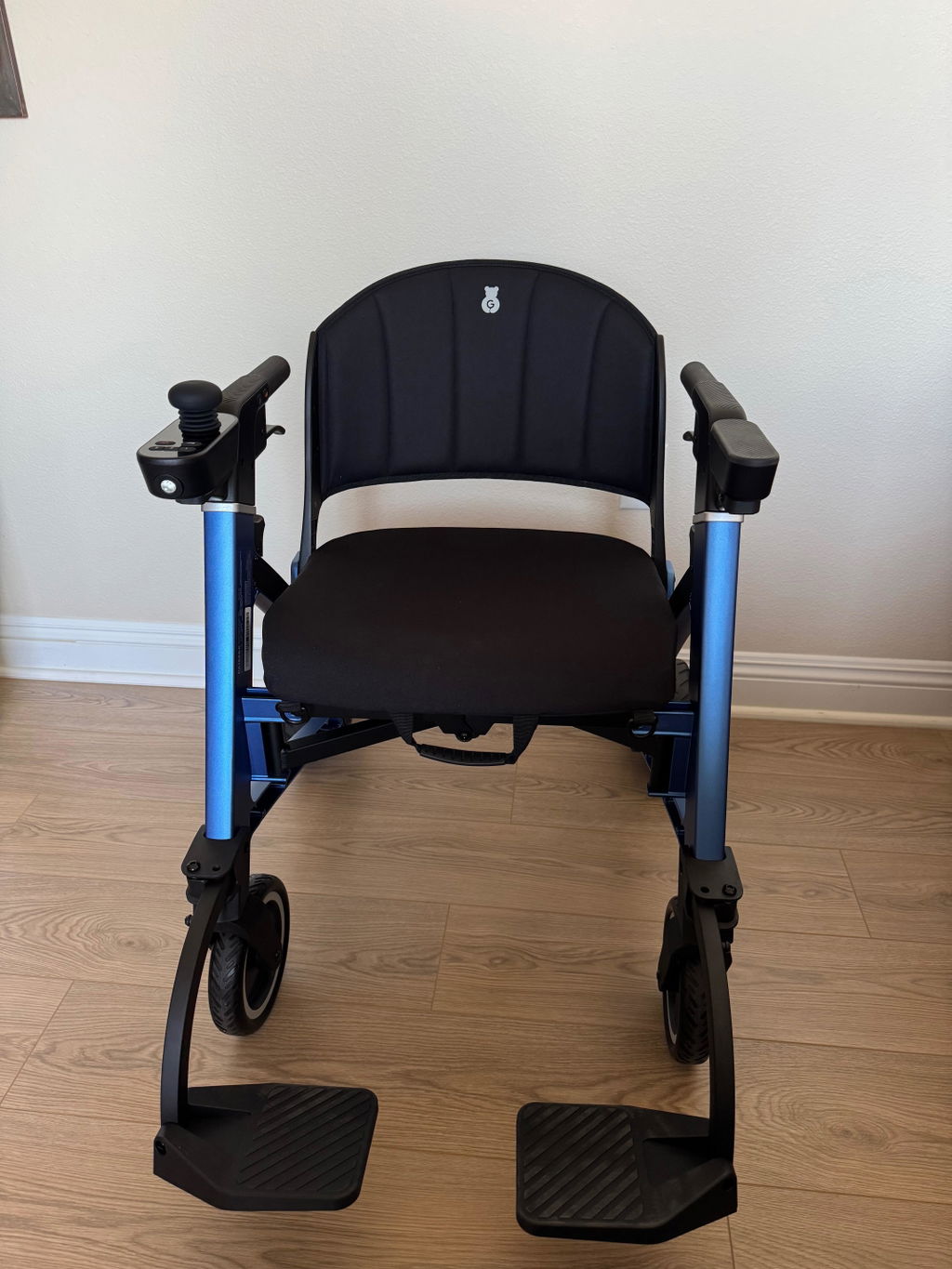
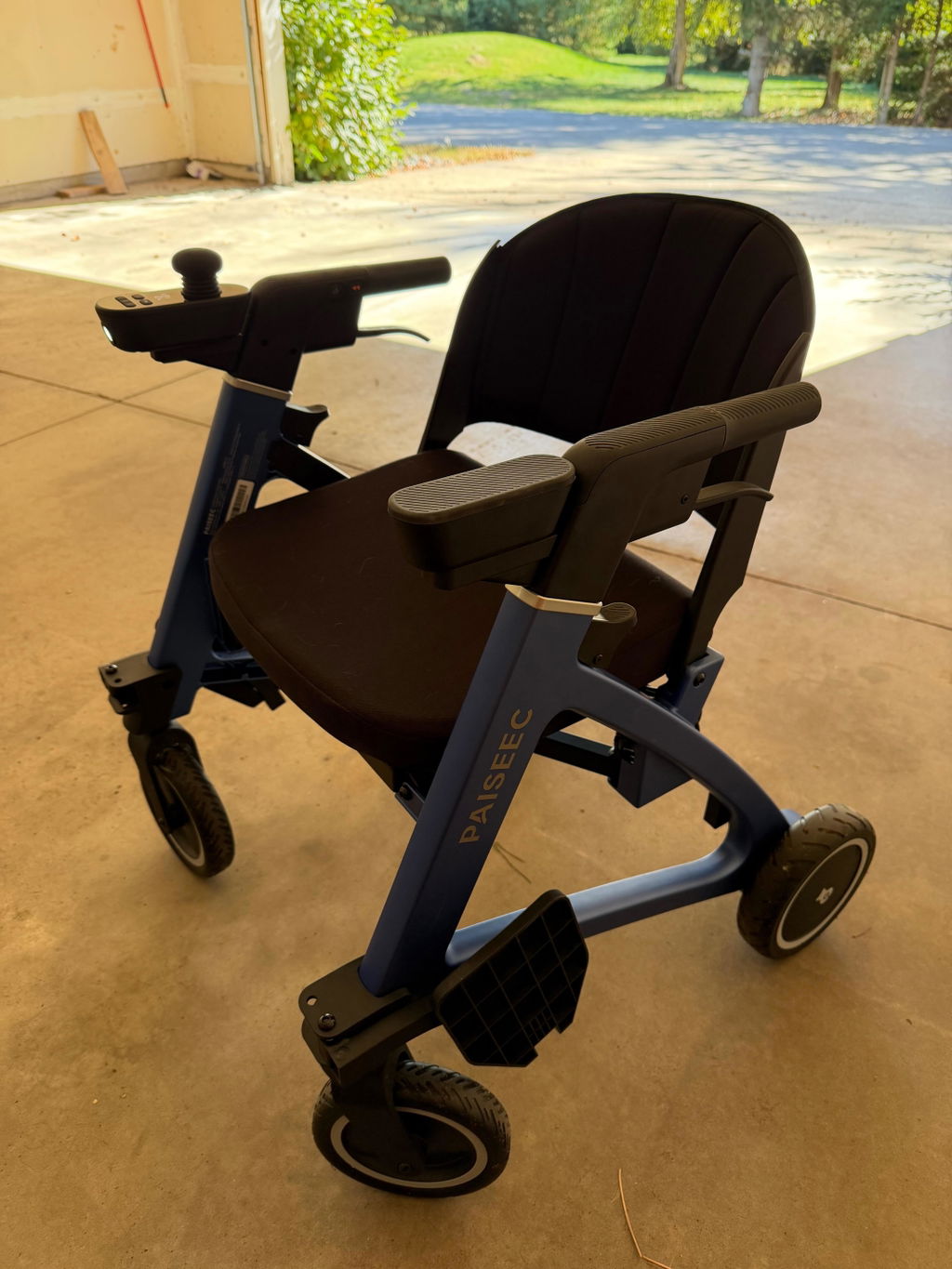
| Paiseec PAI Smart Fold | Intelligent safety riding system, 250W motor, 36V 12Ah battery | 4.9/5 | Long-range and foldable travel |
| Golden Buzzaround LX | Comfort suspension, LED controls, USB port | 4.6/5 | Comfort-focused commutes |
Each model showcases a unique balance of portability, performance, and durability. High ratings usually align with structural strength, intuitive design, and efficient after-sales support rather than aesthetics alone.
Evaluating Build Quality and Reliability
Before investing, inspect the scooter’s components such as frame materials (aircraft-grade aluminum or reinforced steel) and ensure smooth articulation in the folding mechanism. Motors rated at 250–350 watts offer dependable torque for inclines, while brushless systems minimize noise and wear. Waterproof certifications like IP54 or higher mean protection from rain and humidity—essential for users in variable climates like Seattle or London.
Another key reliability factor is serviceability. Top-tier manufacturers offer easily replaceable parts, long-term battery warranties, and active customer support portals. A reliable scooter will feature diagnostic displays, alert systems for low battery or brake issues, and modular designs that allow easy storage or airline transport.
User Experience and Real-World Case Applications
For many riders, independence begins with a stable scooter that can handle real-life conditions. Consider Emma, a 67-year-old Seattle resident who switched to a foldable travel scooter that fits her car trunk. Since upgrading, her daily commute from home to local stores takes half the time, and she reports reduced hand fatigue due to adjustable handlebars. Another example is James, a veteran who needed extended battery life for outdoor terrain; after adopting a mid-range 48V electric scooter, he comfortably covers 20 miles without performance loss. These experiences highlight how feature-matched products improve comfort, reliability, and confidence on every journey.
Comparing Technology and Intelligent Safety Systems
Most advanced models now integrate microprocessor-based safety management for motor control, traction, and tilt correction. Paiseec Mobility’s “PAI” technology, for instance, uses predictive load balancing to adjust stability when turning at higher speeds or tackling uneven surfaces. Enhanced sensors monitor user posture, brake pressure, and speed to prevent common hazards. Connectivity through mobile apps is becoming popular as users track range, maintenance intervals, and security features remotely. With Bluetooth-enabled diagnostics and firmware updates, scooters today are evolving into smart mobility companions rather than basic transport tools.
Pricing, Warranty, and Long-Term Value
A reliable scooter may range from $900 to $3,000 depending on specifications, motor strength, and included accessories. Higher-end models justify price differences through improved suspension systems, advanced battery management, and intuitive control interfaces. Buyers should focus on total lifetime value, not upfront cost. Investing in a premium scooter with a solid two-year frame warranty and a one-year electronics guarantee reduces unexpected downtime and repair costs. Comprehensive after-sale support and transparent return policies reflect the manufacturer’s confidence in their product’s durability.
Future Trends in Safe Mobility Scooter Design
The future of personal mobility is shifting rapidly toward eco-efficiency and data-driven safety optimization. By 2030, analysts expect a surge in ultra-light, AI-assisted mobility scooters capable of real-time terrain mapping, lane guidance, and self-balancing technology. Battery density improvements will push average ranges beyond 40 miles per charge, allowing users to enjoy extended independence. Materials like carbon composite frames and energy-recovering braking systems will make scooters both lighter and more sustainable. Personalized app integrations and location-based diagnostics will ensure safer, smarter mobility for every generation.
Final Thoughts and Smart Purchase Decision
To find a safe and reliable mobility scooter, combine data-driven research with hands-on experience. Compare not only product specs but also service reliability, long-term comfort, and brand reputation. A scooter that fits your body type, lifestyle, and mobility level can dramatically enhance your quality of life. Use test drives, professional consultations, and verified customer reviews to confirm the right match. From modern lithium-ion models to AI-equipped smart scooters, the key lies in balancing power, portability, and protection. If you’re ready to reclaim your independence and travel freely, start exploring today’s top-rated mobility scooters—crafted for safety, built for confidence, and designed for the journey ahead.
Leave a comment
This site is protected by hCaptcha and the hCaptcha Privacy Policy and Terms of Service apply.